- Category
- Latest news
Germany to Field Suicide-Drone Squadrons as War in Ukraine Redefines Warfare
 Prefer U24 Media on Google
- Authors

-72b63a4e0c8c475ad81fe3eed3f63729.jpeg "Photo of Cyril Barabaltchouk")
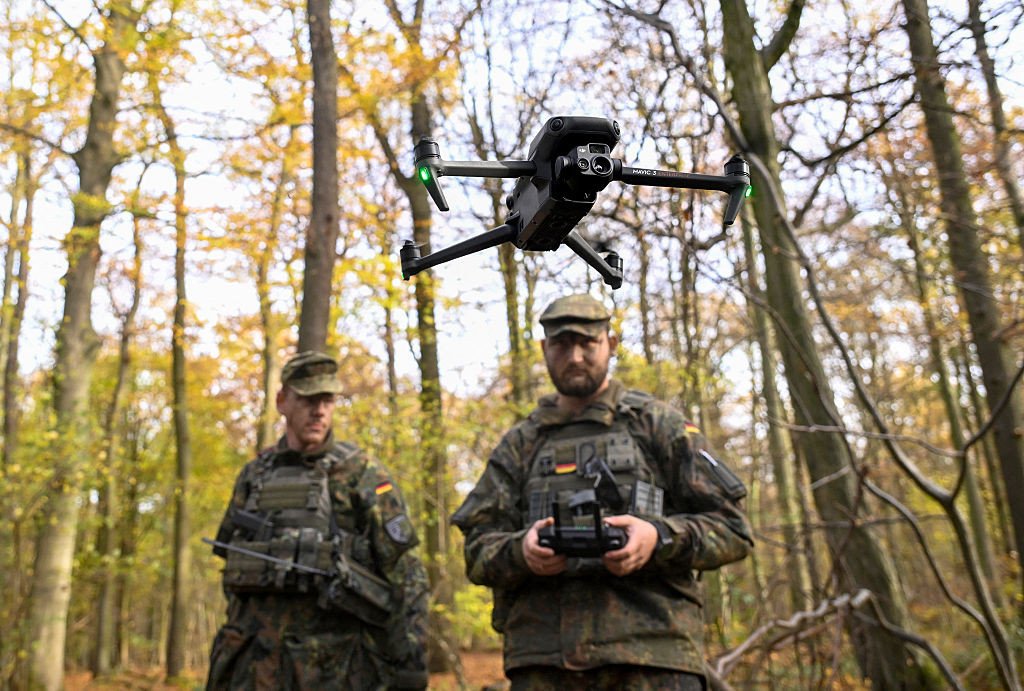
The German Armed Forces will create dedicated suicide-drone units as Berlin accelerates efforts to close a critical capability gap exposed by the war in Ukraine, German media outlet n-tv reported on November 26.
According to Army Inspector Lt. Gen. Christian Freuding, the Bundeswehr plans to stand up six medium-range loitering-munitions batteries, with the first entering service in 2027 and five more by 2029.
We bring you stories from the ground. Your support keeps our team in the field.
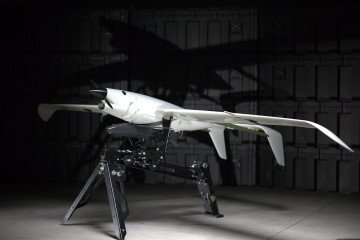
Trials of several competing drone systems are already underway. These units would give Germany the ability to strike enemy targets at range with expendable, self-guided drones—a core capability that Ukraine uses daily but which Germany largely lacks.
Freuding also said the Army aims to establish by 2029 a long-range precision-strike battery capable of deep-range engagement. Additional programs are planned to strengthen nationwide protection of military sites against drone attacks, according to n-tv.
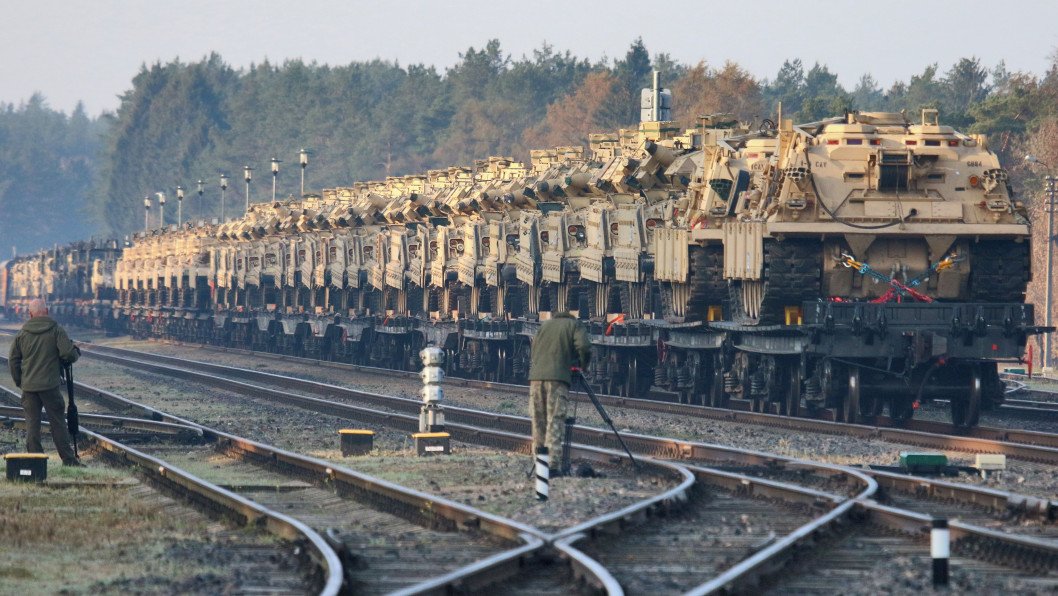
He described the battlefield of the future as fully networked, data-driven and shaped by artificial intelligence, where “data becomes the ammunition of warfare” and victory depends on maintaining one’s defensive shield while penetrating the opponent’s.
Freuding confirmed to n-tv that he has commissioned a comprehensive assessment of German and Russian military capabilities through 2029, with results expected early next year. These findings will inform future defense planning as European militaries reevaluate threats posed by Moscow.
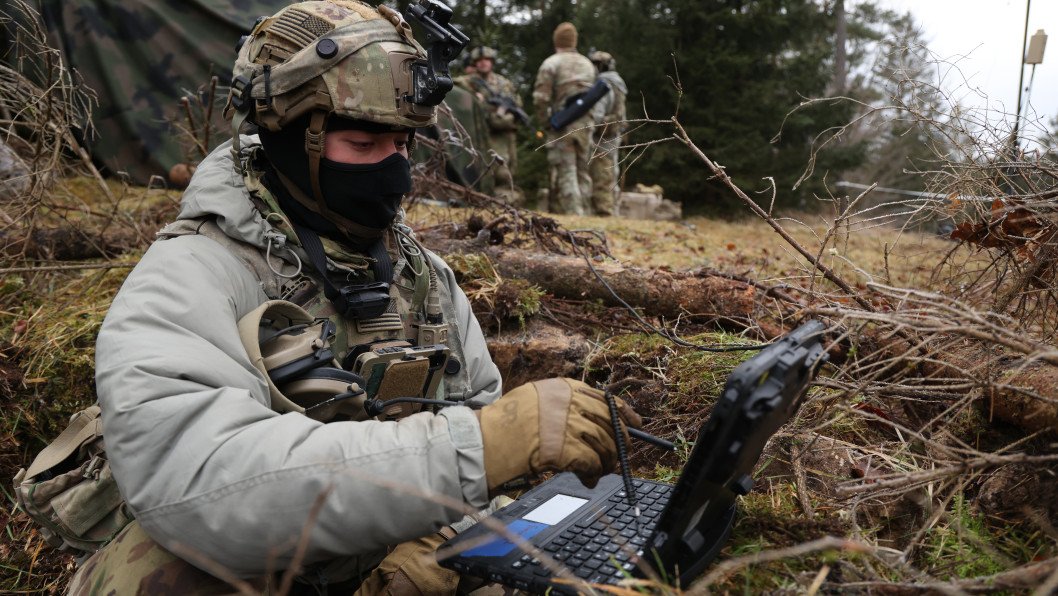
Behind closed doors, he also voiced frustration with delays in the Bundeswehr’s multibillion-euro digital-communications modernization program, warning that the current pace of progress is undermining the operational readiness of German units. A key decision on integrating new digital systems into vehicles and weapons is expected in December.
Previously, it was reported that German forces have conducted a series of urban warfare drills in Berlin in response to growing concerns that Russia could regain offensive capability to strike NATO territory as early as 2028.
According to Der Tagesspiegel, the exercises were led by the Bundeswehr’s Guard Battalion and focused on combat scenarios in metropolitan environments, including building defense, casualty evacuation under degraded communications, and nighttime operations in the Berlin subway system.
Discuss this article: