- Category
- World
How Many Patriot Missiles Can Ukraine Actually Get for $2.3 Billion?
 Prefer U24 Media on Google
- Authors


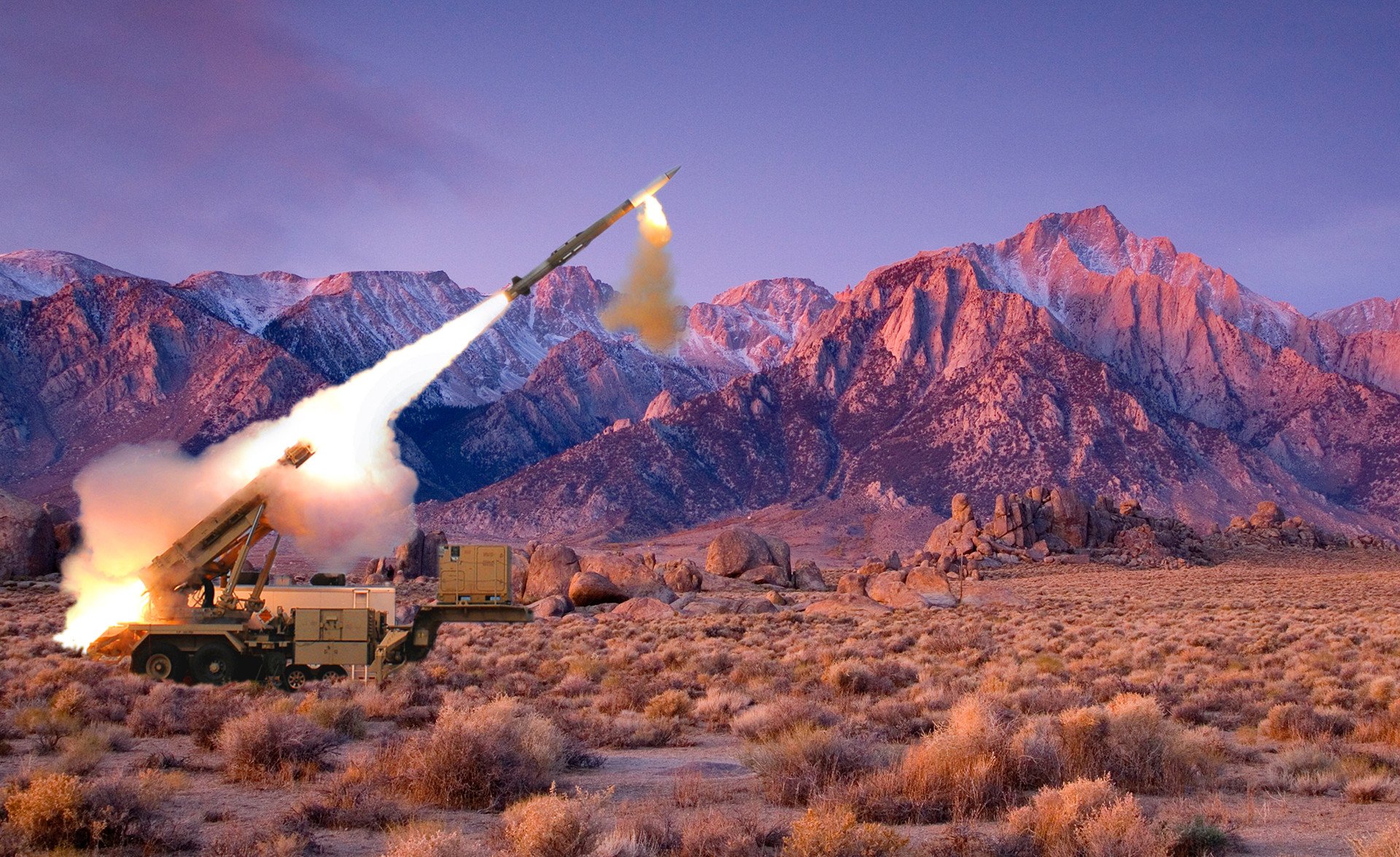
A $2.31 billion Patriot order sounds straightforward—until export pricing turns it into a question of whether Ukraine gets 190 missiles or nearly three times as many.
Ukraine has asked the European Commission for permission to direct €2 billion ($2.31 billion) toward Patriot air defense missiles, potentially setting up one of Kyiv’s largest interceptor purchases of the war, depending on what price Washington ultimately approves; the same funding could buy fewer than 200 PAC-3 MSE interceptors—or potentially close to 600, according to Defense Express on September 1.
But the amount of money alone does not reveal how many missiles Ukraine could actually receive.
We bring you stories from the ground. Your support keeps our team in the field.
Kyiv submitted the request under a broader $104.2 billion European loan framework.
Another $4.63 billion from the portion of the financing available for defense procurement is expected to be directed toward weapons manufactured in EU countries and Ukraine.
Defense Express noted that the size of the proposed Patriot allocation makes it possible to estimate the potential number of PAC-3 MSE interceptors Ukraine could purchase. The problem is that there is no single PAC-3 MSE price.
The anti-ballistic interceptor is commonly quoted at around $4 million-$5 million per missile, but those figures generally reflect procurement for the US military rather than foreign customers.
In September 2025, the Pentagon ordered 1,970 PAC-3 MSE interceptors and associated equipment for $9.8 billion.
Dividing the overall contract value by the number of missiles produces a figure of roughly $4.97 million per interceptor. For Ukraine, obtaining anything close to that price would make an enormous difference.
Non-watermark footage showing the work of Ukraine-operated Patriot air defense systems over Kyiv yesterday.
— Status-6 (War & Military News) (@Archer83Able) June 26, 2026
The launch of two PAC-series interceptors can be seen, with two apparent successful interceptions of Russian missiles. https://t.co/HXMN7QarKQ pic.twitter.com/bSRTPuUpNR
At US military procurement levels, Kyiv’s approximately $2.31 billion allocation could theoretically cover roughly 460 to 580 PAC-3 MSE interceptors, depending on the final contract structure and associated services.
Foreign customers, however, can pay considerably more. Germany provides a useful European comparison.
Berlin allocated roughly $796 million at the exchange rate cited when the procurement was announced, for 120 PAC-3 MSE interceptors at the end of 2024. That worked out to approximately $6.61 million per missile.
If Ukraine received comparable European pricing, its $2.31 billion allocation would purchase roughly 315 interceptors.
-af5724f8b4f90bb0e998a9ab9ba127c7.jpg)
A more pessimistic example comes from Saudi Arabia. In February 2026, the US approved a potential sale of 730 PAC-3 MSE interceptors and associated equipment with a maximum estimated value of $9 billion.
On paper, that represents about $12.3 million for each missile if the entire package value is simply divided by the number of interceptors.
That figure was an authorization ceiling, however, not the final value of a signed contract, and included more than just the missiles themselves. Still, using that upper-end figure illustrates the enormous effect export pricing can have.
At around $12.3 million each, Ukraine’s $2.31 billion would cover only about 190 PAC-3 MSE interceptors.
The difference is striking: essentially the same pool of money could potentially buy about 190, 315 or as many as 580 missiles depending on procurement terms.
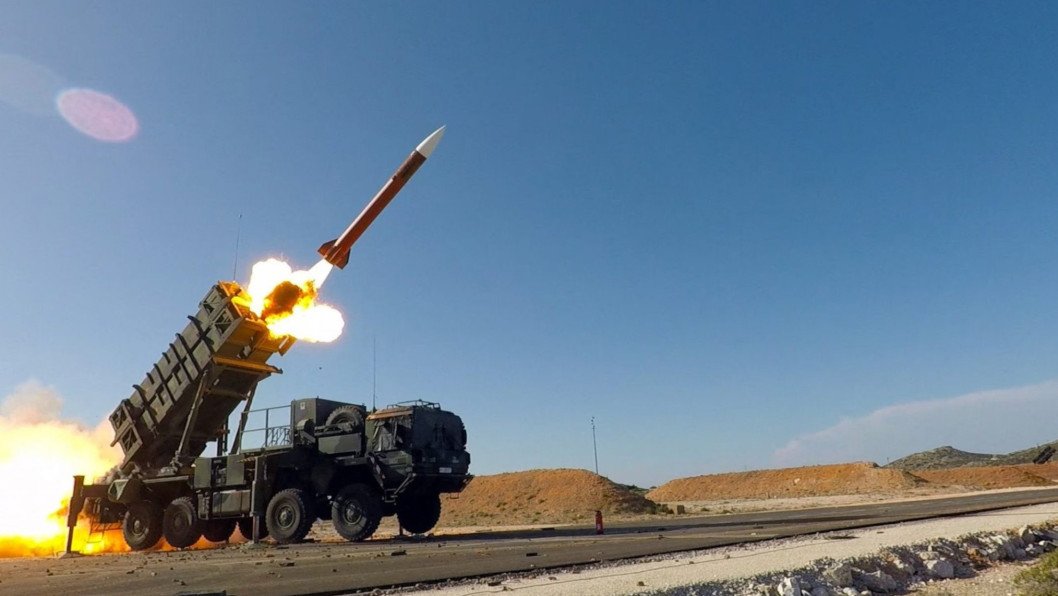
For Ukraine, however, cost may ultimately be only part of the problem. Even an order of roughly 315 PAC-3 MSE interceptors would represent an extraordinary share of annual production, Defense Express noted.
That means finding enough missiles to buy could prove just as difficult as finding the money to pay for them.
PAC-3 MSE is among Ukraine’s most important defenses against Russian ballistic missiles, which remain among the hardest aerial threats for Ukrainian air defenses to intercept.
Earlier, reports emerged that US forces may have used as many as 96 to 128 PAC-3 interceptor missiles in a single night while defending military bases in Jordan from an Iranian ballistic missile attack—potentially consuming up to 17% of estimated US stocks.
Discuss this article:
-9a7b3a98ed5c506e0b77a6663f5727c5.png)


-111f0e5095e02c02446ffed57bfb0ab1.jpeg "Photo of Roman Kohanets")

-a0d157e1f6f04033b54a1b71f05dabe3.jpg "Russia’s Military Is Expanding Across Africa. Suspiciously, So Is Its Church")