- Category
- War in Ukraine
Ukraine Reveals Patriot Missile Shortage to CNN as Launchers Sit Empty
 Prefer U24 Media on Google
- Authors

-c439b7bd9030ecf9d5a4287dc361ba31.jpg "Photo of Katherina Popilnichenko")
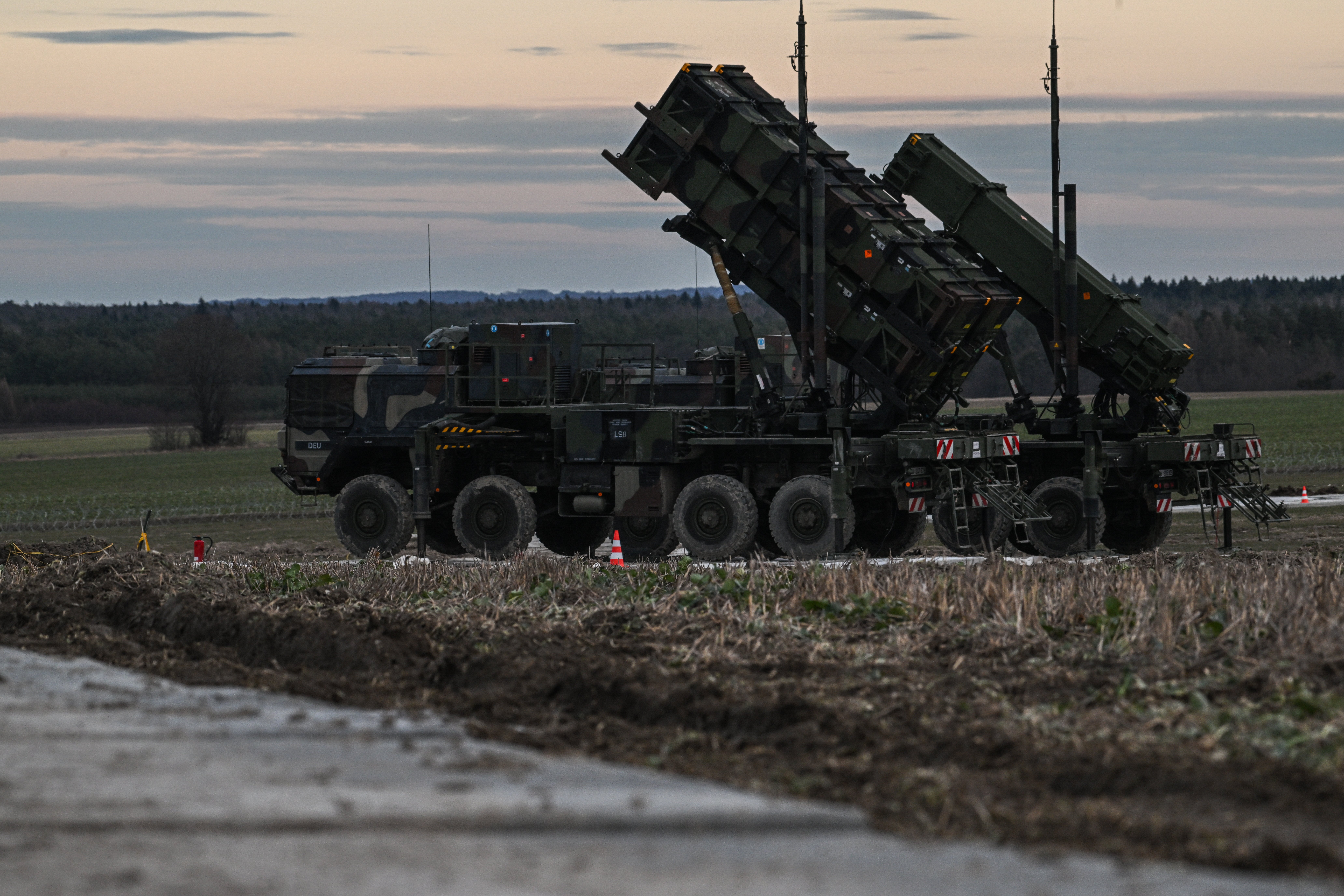
Ukraine faces a severe shortage of air defense interceptors, leaving advanced Patriot launcher units idling in rural fields.
Ukraine currently holds only 1% of US missile stockpiles, well short of the 5% requested by President Volodymyr Zelenskyy to secure air coverage through the winter, according to CNN on August 17.
We bring you stories from the ground. Your support keeps our team in the field.
A system spotted near Kyiv has 16 tubes showing signs of past use, but its unit chief engineer, Dmytro, noted the launcher had not fired in six weeks.
This deficit follows heavy consumption of interceptor missiles in the Persian Gulf during March and April, where coalition forces used an average of 225 interceptors daily over a four-day period against low-cost Iranian drone attacks.
Meanwhile, manufacturer Lockheed Martin produced 620 interceptors in 2025 (roughly 1.7 per day), creating a usage-to-production gap of 132 to 1.
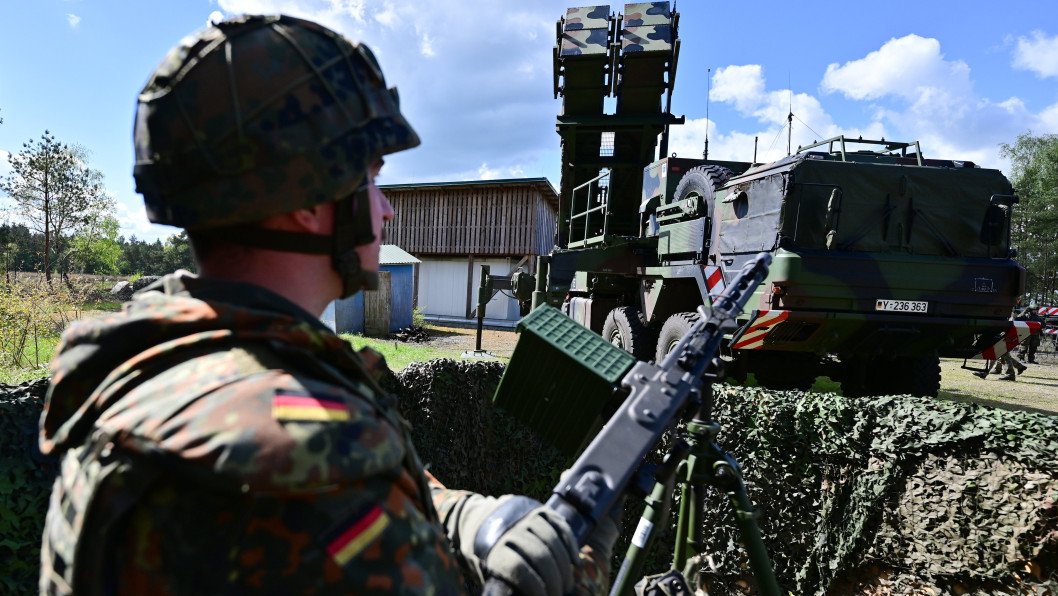
In response, the Pentagon signed a seven-year agreement in January to increase output to 2,000 units annually by 2030. The shortage of interceptor missiles leaves crews unable to stop incoming strikes aimed at civilian areas and infrastructure, as reported by CNN.
Dmytro recalled experiencing his first complete depletion of interceptor ammunition in December 2025. "It’s really a terrible sight when you have the equipment, but you can’t intercept a single missile," Dmytro said.
"Ballistic missiles fly over your head, and you can do nothing about them, while civilians are behind you." Dmytro described the experience: "It’s hard to describe—strong and bad feelings. It’s like you’re learning to walk, but you can’t walk. You know how to breathe, but you can’t breathe."
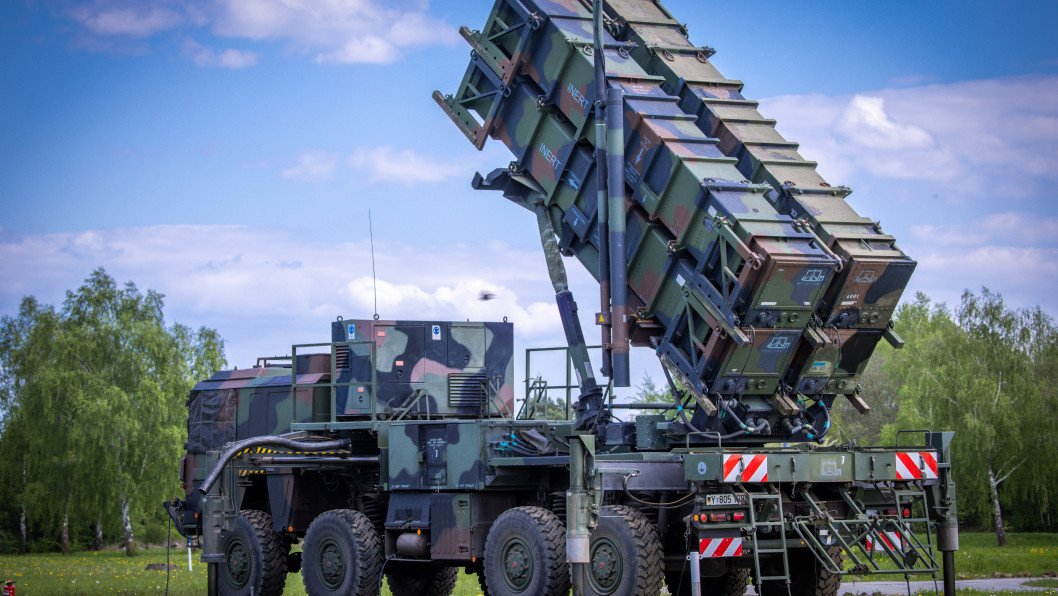
Operating the system involves complex tracking equipment, remote command centers, and tactical decision-making under intense pressure. A crew member named Heorhiy explained that deciding which target to engage relies heavily on experience.
"It’s complicated, because you see targets flying and threatening the civilian population, critical infrastructure, as well as the families of my comrades and my own family," Heorhiy stated, describing the moment of firing an interceptor as "something magical."
Ukrainian leadership forewarned that heavy usage of defense assets in Middle Eastern operations would impact supplies needed to counter ballistic missiles during Russia’s full-scale invasion of Ukraine.
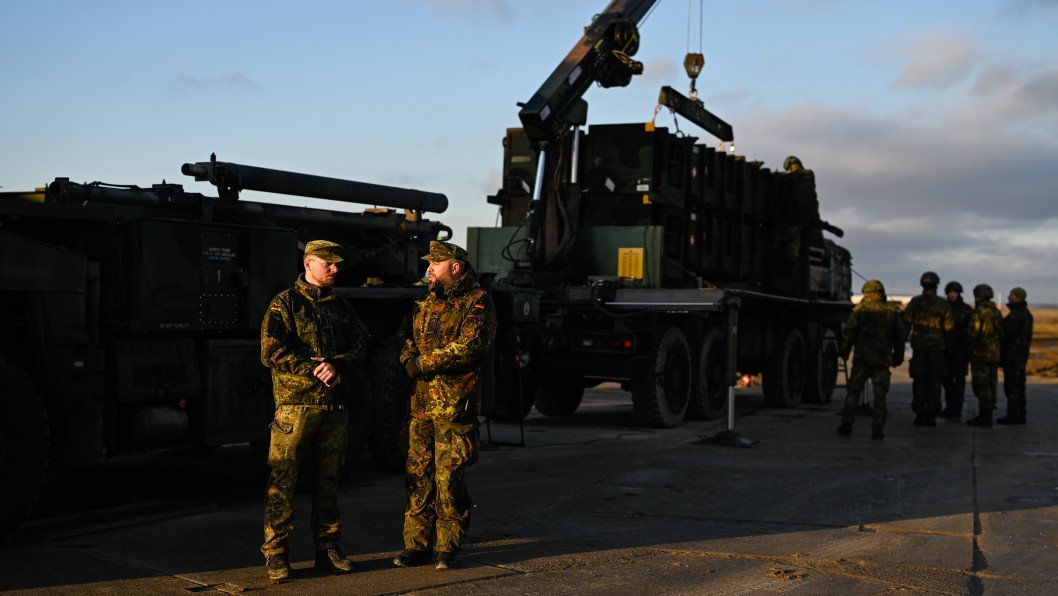
"We predicted that we would have problems. We were very shocked by how many missiles they launched at once... the same missiles that we could have used against Russian ballistic missiles," Dmytro noted.
To secure future supplies, President Zelenskyy proposed allowing US defense manufacturers Raytheon and Lockheed Martin to build interceptors directly in Ukraine under license, offering them full ownership and operational control.
"It will be your company," Zelenskyy recalled telling the defense companies. "It will be our minds, our hands, our engineers. And I will do everything possible to build a big company for them. Because I don’t need to sell interceptors to anyone else who I need for my country."
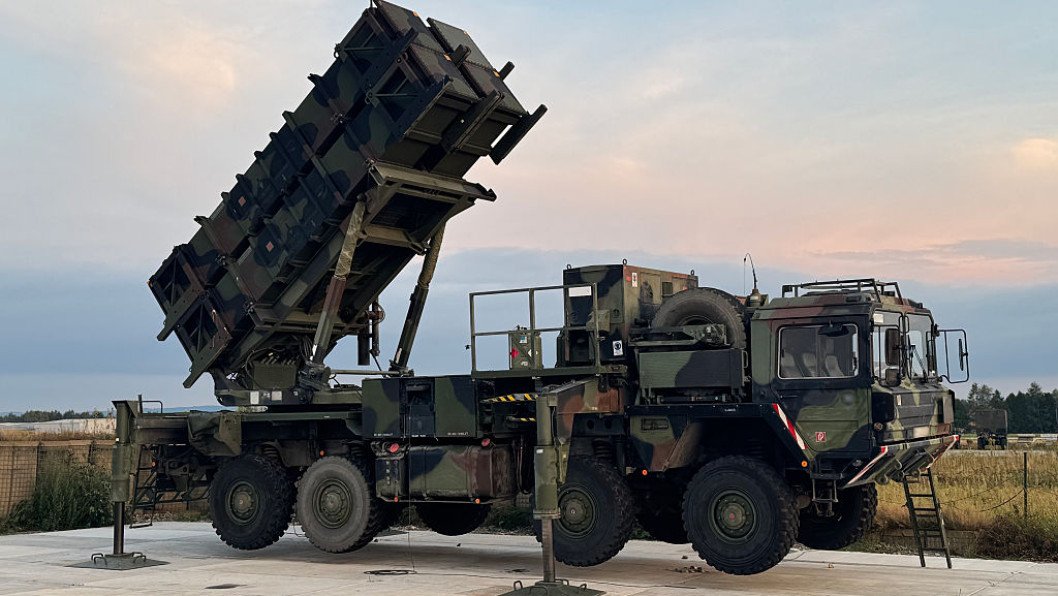
Addressing global inventory levels, Zelenskyy noted: "I know the production, facilities, military, and stockpiles of almost all countries in Europe, including the United States. Not everything, but a lot."
Following a NATO summit in Ankara in June, former US President Trump floated licensing options for local manufacturing, leading to executive visits to Kyiv.
However, subsequent statements cast doubt on licensing approvals. "I want to get this," Zelenskyy said. "I think his word is the word of the President of the United States. And I hope that I will get it."
A White House official clarified that no final decisions or guarantees regarding local manufacturing have been granted, pointing to strict security requirements for US technology.
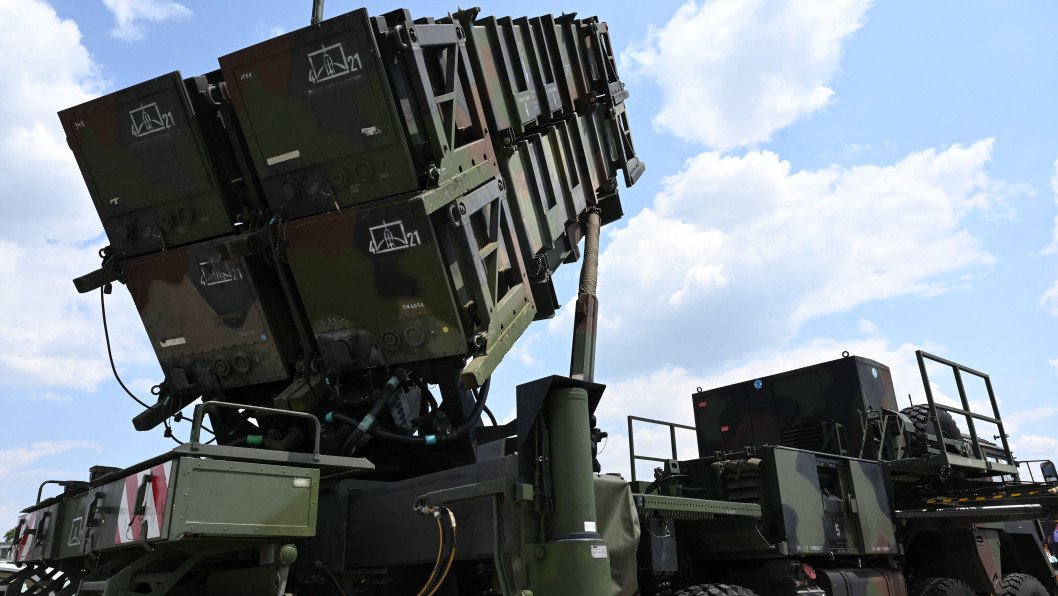
Regarding whether localized production could begin quickly if restrictions were removed, Dmytro expressed skepticism: "No. Definitely no, because it is a very complex procedure, and it requires a lot of knowledge, a lot of technical information."
On August 9, 2026, The Atlantic reported that Ukraine’s efforts to manufacture Patriot air defense systems domestically faced resistance from US defense contractors Raytheon and Lockheed Martin.
While the companies officially cited concerns over intellectual property theft and technology security, a Republican congressional official disclosed that their primary fear was commercial—specifically, that Ukrainian manufacturers would streamline the system to produce it faster, better, and at a significantly lower cost.
This industrial friction unfolded as Ukraine faced severe interceptor shortages during intensified Russian missile strikes, leaving President Volodymyr Zelenskyy to pursue immediate missile deliveries alongside long-term domestic licensing agreements.
Discuss this article:


-111f0e5095e02c02446ffed57bfb0ab1.jpeg "Photo of Roman Kohanets")

-72b63a4e0c8c475ad81fe3eed3f63729.jpeg "Photo of Cyril Barabaltchouk")