- Category
- World
As a Winter of Russian Strikes Looms, Ukraine and Europe Scramble for Patriot Missiles
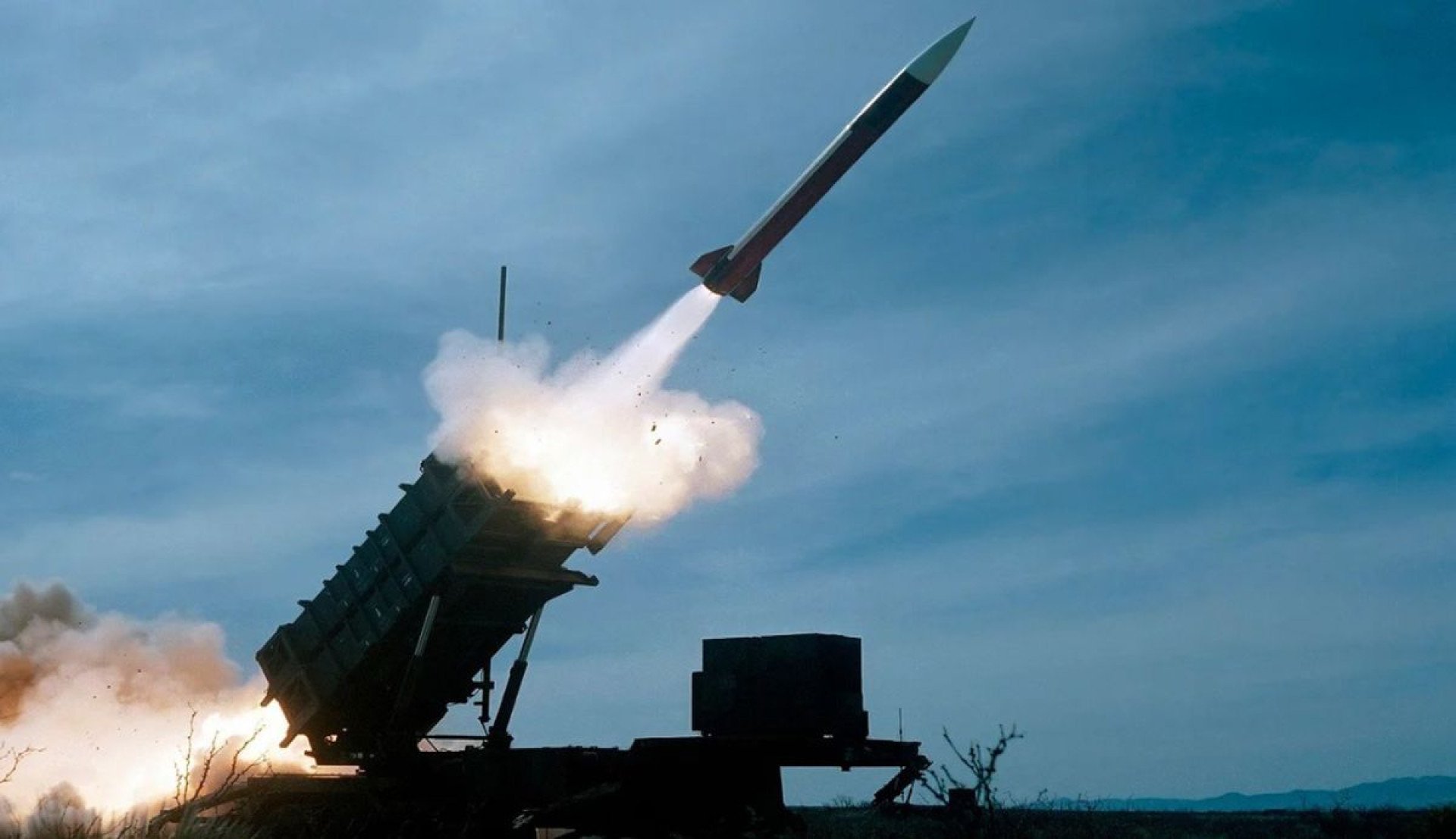
Europe is facing a severe shortage of Patriot interceptor missiles, leaving Ukraine with dangerously depleted air defenses as it prepares for an expected surge in Russian winter strikes.
 Prefer U24 Media on Google
- Authors

-c439b7bd9030ecf9d5a4287dc361ba31.jpg "Photo of Katherina Popilnichenko")
European nations are struggling to locate available Patriot interceptor missiles to support Ukraine ahead of anticipated winter strikes by Russian forces.
Kyiv is seeking hundreds of PAC-2 and PAC-3 interceptors, but international supplies are severely constrained, according to Politico on August 10.
We bring you stories from the ground. Your support keeps our team in the field.
In July, Ukrainian air defense interceptors shot down only 29 out of 195 Russian ballistic missiles, while another 40 failed to reach their intended targets.
Germany previously provided 3 complete Patriot systems and arranged 2 additional units, the Netherlands assembled 1 system featuring 5 launchers, Poland recently transferred 5 interceptor missiles, and Ukraine requested up to 200 older PAC-2 interceptors from Greece.
Allied efforts previously gathered slightly more than 20 missiles after Germany offered 5 extra rounds if other partners supplied 20.
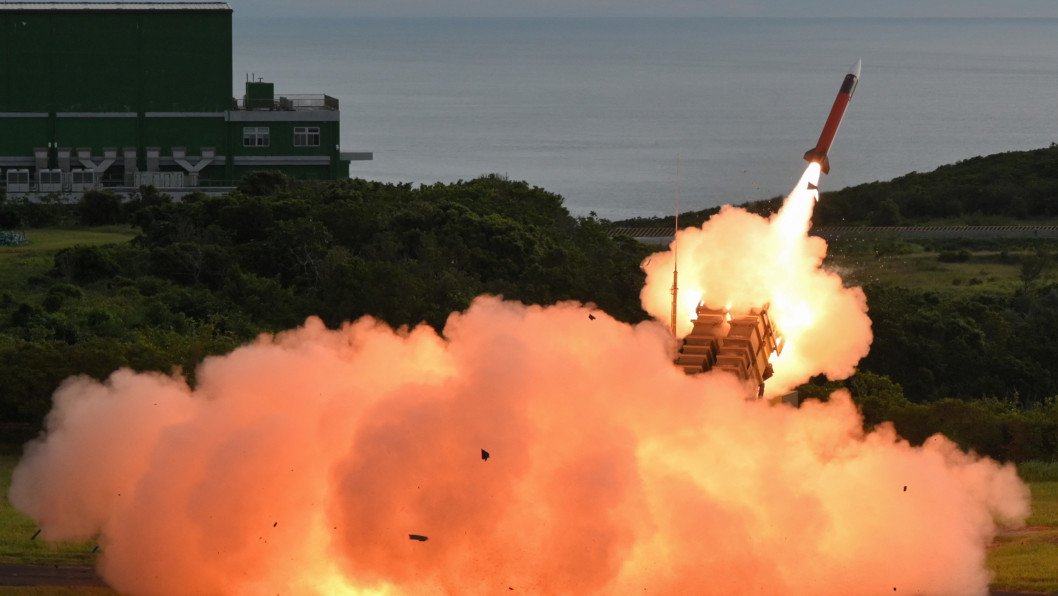
Former Ukrainian Defense Minister Mykhailo Fedorov described the mounting pressure on the nation's air defense capabilities. “Over the last few months, Russia fires more missiles a week at us than we get from partners over months," Fedorov stated.
European partners are hitting operational boundaries regarding their own military reserves. Brigadier General Jürgen Schrödl, a senior German defense ministry official, noted the difficult balancing act facing European nations. “We are really reaching our limits here,” Schrödl said.
Other European governments are encouraging partner nations across the continent to evaluate what additional support can be provided.
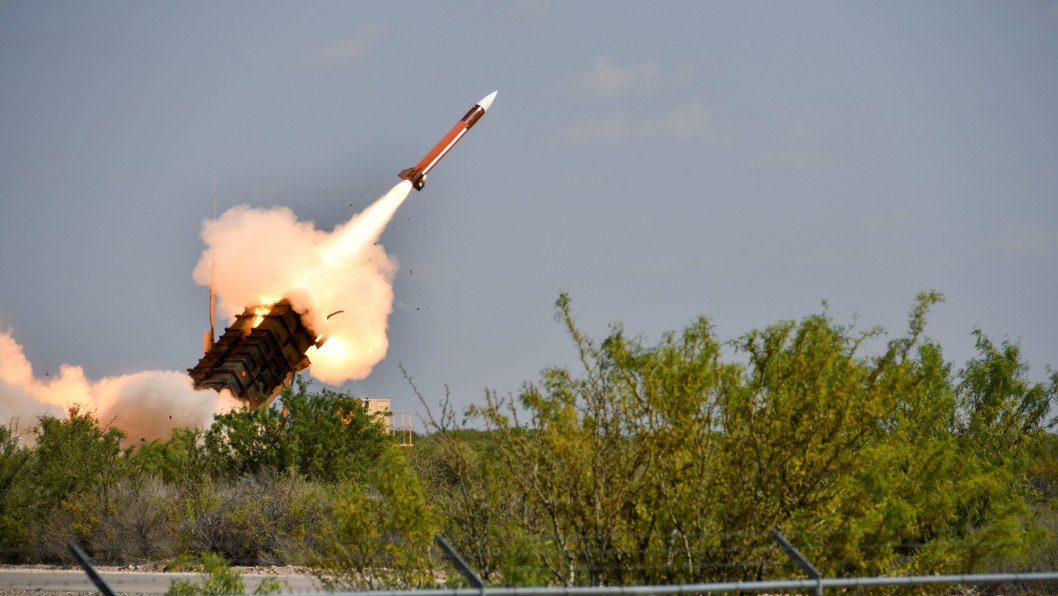
Norwegian Defense Minister Tore O. Sandvik highlighted the shared responsibility among allies. “I think it’s not sustainable for Europe in the long run,” Sandvik said.
To safeguard critical infrastructure, Ukraine is attempting to acquire Patriot interceptors through direct purchases or partner stockpiles. Mykhailo Podolyak, adviser to the head of Ukraine’s presidential office, emphasized the central role of these systems.
“One of the priority directions is Patriot—PAC-3 or PAC-2,” Podolyak stated. “The first solution is buying, or receiving from stockpiles, PAC-3 and PAC-2 interceptors.”
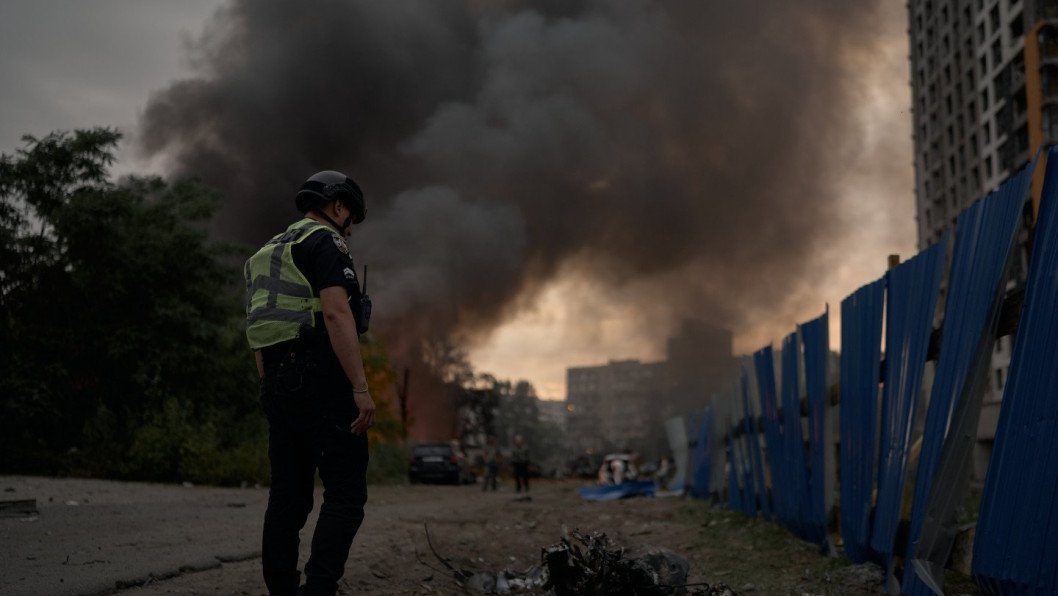
Ukraine is concurrently working on its homegrown Freyja anti-ballistic system, but the defense project still requires funding, technical development, and field testing before deployment.
Supply dynamics remain tied to decisions in Washington, where most PAC-3 interceptors are manufactured. A senior official familiar with bilateral discussions confirmed the emphasis during high-level diplomatic talks.
“The main topic was Patriot interceptors,” the official stated regarding recent meetings between Ukrainian President Volodymyr Zelenskyy and US President Donald Trump.
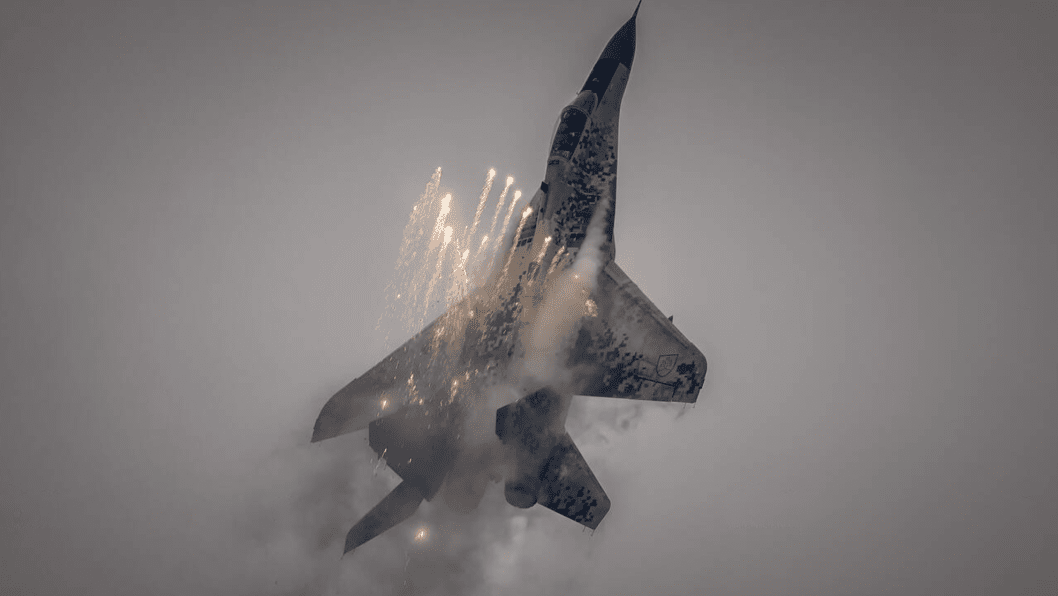
Although initial discussions explored domestic manufacturing rights, practical timelines prevent immediate assistance for the upcoming winter. US Ambassador to NATO Matthew Whitaker clarified the production horizon. “A long-term production agreement will not be concluded before this winter,” Whitaker stated.
President Donald Trump recently addressed requests regarding interceptors and technology sharing. "We have not agreed to that. We're talking about it. But it's a hard thing to give away, that kind of technology," Trump noted. When asked about requests for additional supplies, Trump added, “We want missiles too.”
To reduce reliance on incoming strikes, Ukrainian forces are shifting focus toward targeting Russian launch positions directly. "The Russians must understand that a few minutes after the launch, the entire team that launches the rocket must die from our ballistic missile," Fedorov said.
-d865b01ad3bb5b31460a6e251d3dba49.jpeg)
German Defense Minister Boris Pistorius joined the initiative, offering: “If you get 20 out of all the countries, I'll give you an extra five.” Fedorov added, “That’s the exercise we had to perform to get more than 20. And it is a hard mission.”
Ukrainian diplomats continue active outreach across Europe and beyond to secure available air defense stocks.
On August 9, 2026, The Atlantic reported that Ukraine’s efforts to manufacture Patriot air defense systems domestically faced resistance from US defense contractors Raytheon and Lockheed Martin.
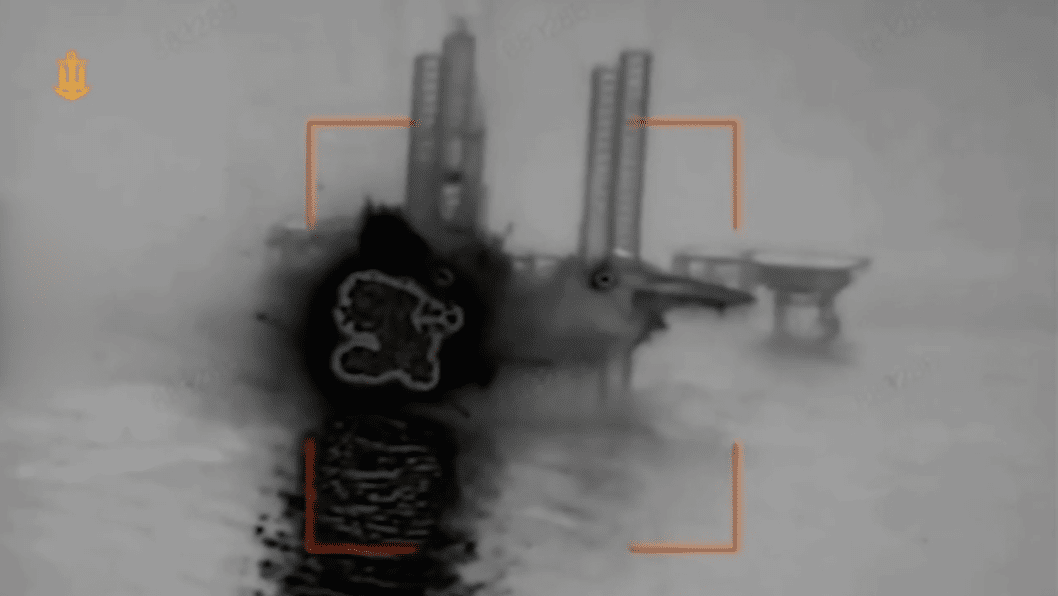
While the companies officially cited concerns over intellectual property theft and technology security, a Republican congressional official disclosed that their primary fear was commercial—specifically, that Ukrainian manufacturers would streamline the system to produce it faster, better, and at a significantly lower cost.
This industrial friction unfolded as Ukraine faced severe interceptor shortages during intensified Russian missile strikes, leaving President Volodymyr Zelenskyy to pursue immediate missile deliveries alongside long-term domestic licensing agreements.
Discuss this article:




-111f0e5095e02c02446ffed57bfb0ab1.jpeg "Photo of Roman Kohanets")