- Category
- Opinion
Can Ukraine Now Build Patriot Missiles? Here’s What the Announcement Means
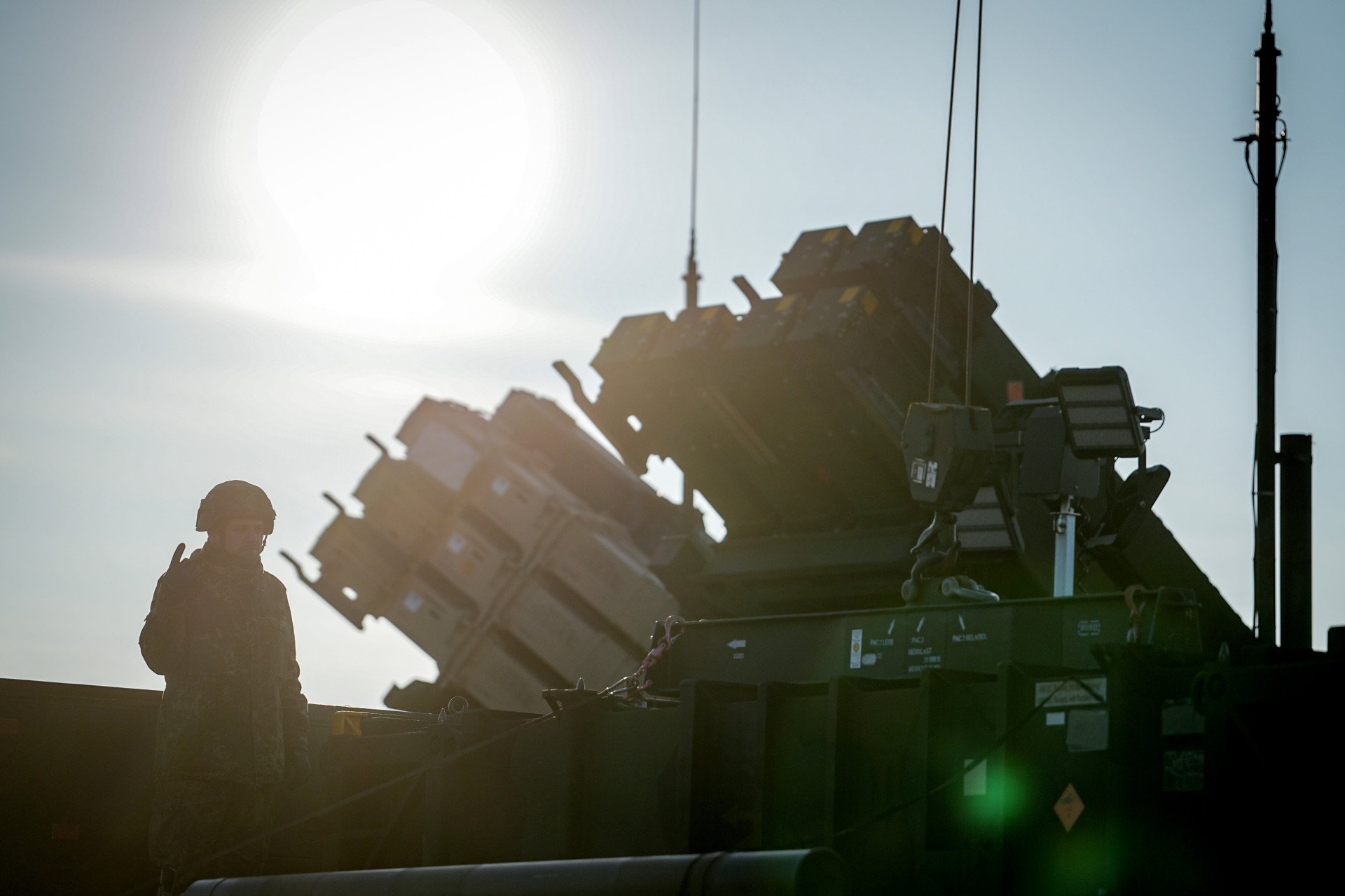
The United States has taken an important step toward integrating Ukraine into the Western defense industrial base. Whether that translates into Ukrainian-made Patriot missiles, however, also depends on supply chains, proprietary technologies, and production bottlenecks.
 Prefer U24 Media on Google
- Authors


Trump’s announcement that the United States is prepared to allow Ukraine to manufacture components for the Patriot air and missile defense system under license is undoubtedly encouraging. It signals that Washington is finally beginning to think strategically about integrating Ukraine into the broader US-led defense industrial ecosystem. This represents an important development. That said, it would be a mistake to interpret what remains, at this stage, primarily a political signal of intent as a solution to Ukraine’s immediate shortage of Patriot interceptors.
Significant questions remain unanswered, and historically, the period between political approval and meaningful industrial output has been measured in years rather than months. First, it remains unclear what the proposed licensing arrangement would actually cover. Will Ukraine manufacture complete interceptor missiles or only selected components? If interceptors are included, which variant is under discussion?
Which Patriot missiles could Ukraine produce?
While several media reports have pointed to the PAC-3 MSE, no official details have been released. This distinction is critical.
The Patriot system relies on different interceptor variants. In addition to PAC-3 MSE, it includes the GEM-T. They serve different roles on the battlefield.
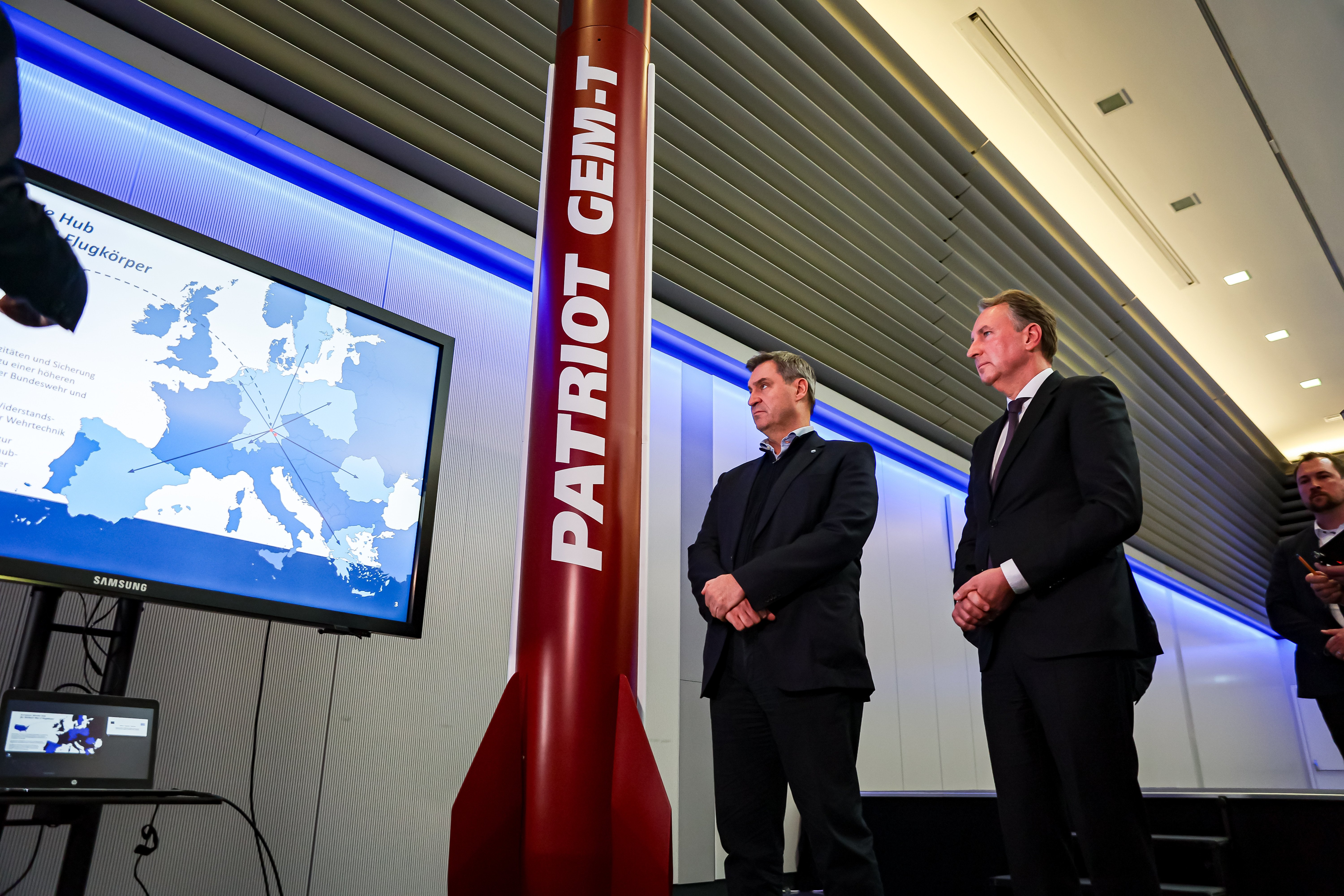
The older GEM-T interceptor is primarily designed to defeat aircraft and cruise missiles; useful for layered defense, but less effective against Russia’s growing mix of ballistic, aeroballistic, and hypersonic threats. The PAC-3 MSE, by contrast, is optimized to intercept these very weapons—precisely the instruments of coercion increasingly aimed at Ukrainian cities and critical infrastructure.
For Ukraine, the variant question is therefore existential: GEM-T improves protection against cruise missiles and aircraft, but only PAC-3 MSE can credibly defend against the ballistic and hypersonic missile strikes that dominate Russia’s current campaign.
Will Patriot missiles be built in Ukraine?
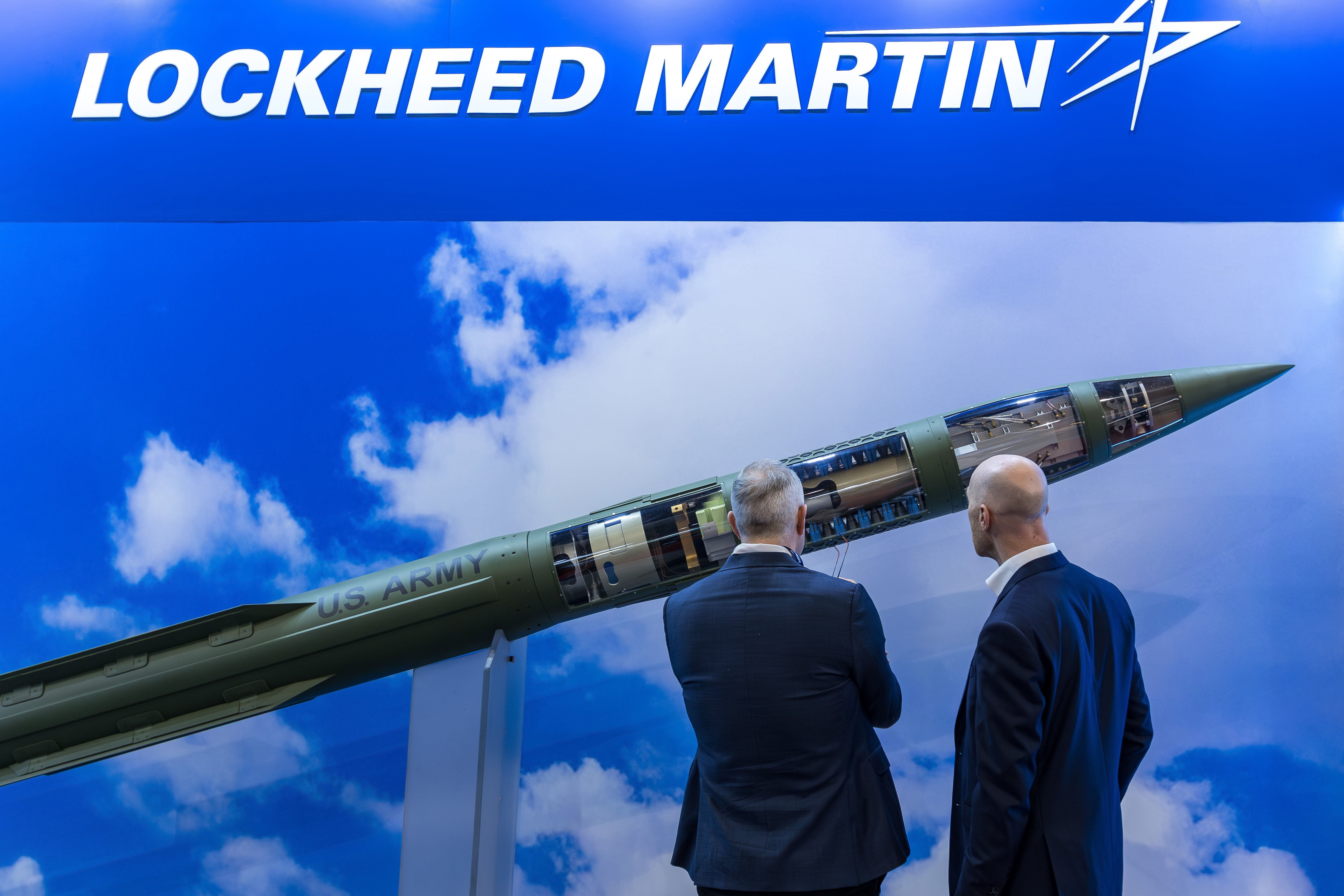
Nor is it certain that a Ukrainian license automatically means production inside Ukraine. Manufacturing or final assembly could just as plausibly take place in an allied country with an established industrial base, such as Poland, should all parties consider such an arrangement advantageous. A realistic licensing model might see Ukraine responsible for non-sensitive structural components (missile body sections, some mechanical assemblies) and participation in final assembly, integration, and maintenance/repair of Patriots.
A European hub (Poland, Germany, or another willing ally) could then handle assembly of sensitive subsystems—seeker modules, guidance electronics, attitude-control motors—before final integration and certification. The United States would retain control over source code, seeker design, and key materials, with technology transfer limited to manufacturing processes rather than core intellectual property. This approach would reduce security risks while leveraging existing maintenance, certification, and manufacturing capabilities, allowing Ukraine to become an integral part of the production chain without necessarily hosting the most sensitive operations.
More than factories
Perhaps the most important point, however, is that producing Patriot interceptors is about far more than constructing a production facility. Some components, such as the missile body, are relatively straightforward to manufacture. The real bottlenecks lie elsewhere: advanced seekers, high-performance solid rocket motors, and the small attitude-control motors that enable the PAC-3 MSE to maneuver in the thin upper atmosphere.
Many of these components are produced by only a handful of suppliers, with some manufactured at a single facility worldwide.
Recent data underscores the scale of this constraint: in 2025–2026, Lockheed Martin produced roughly 650 Patriot interceptors per year—far below demand stretched across Ukraine, Israel, and other partners. The US Senate has proposed more than $1.2 billion specifically to launch a second production line for PAC-3 MSE radar seekers, explicitly acknowledging that Boeing remains effectively a single-source supplier for these critical homing systems. In mid-2026, the United States signed a seven-year deal to triple PAC-3 MSE seeker production, a direct response to the same bottleneck that any Ukrainian licensing scheme would inevitably confront.
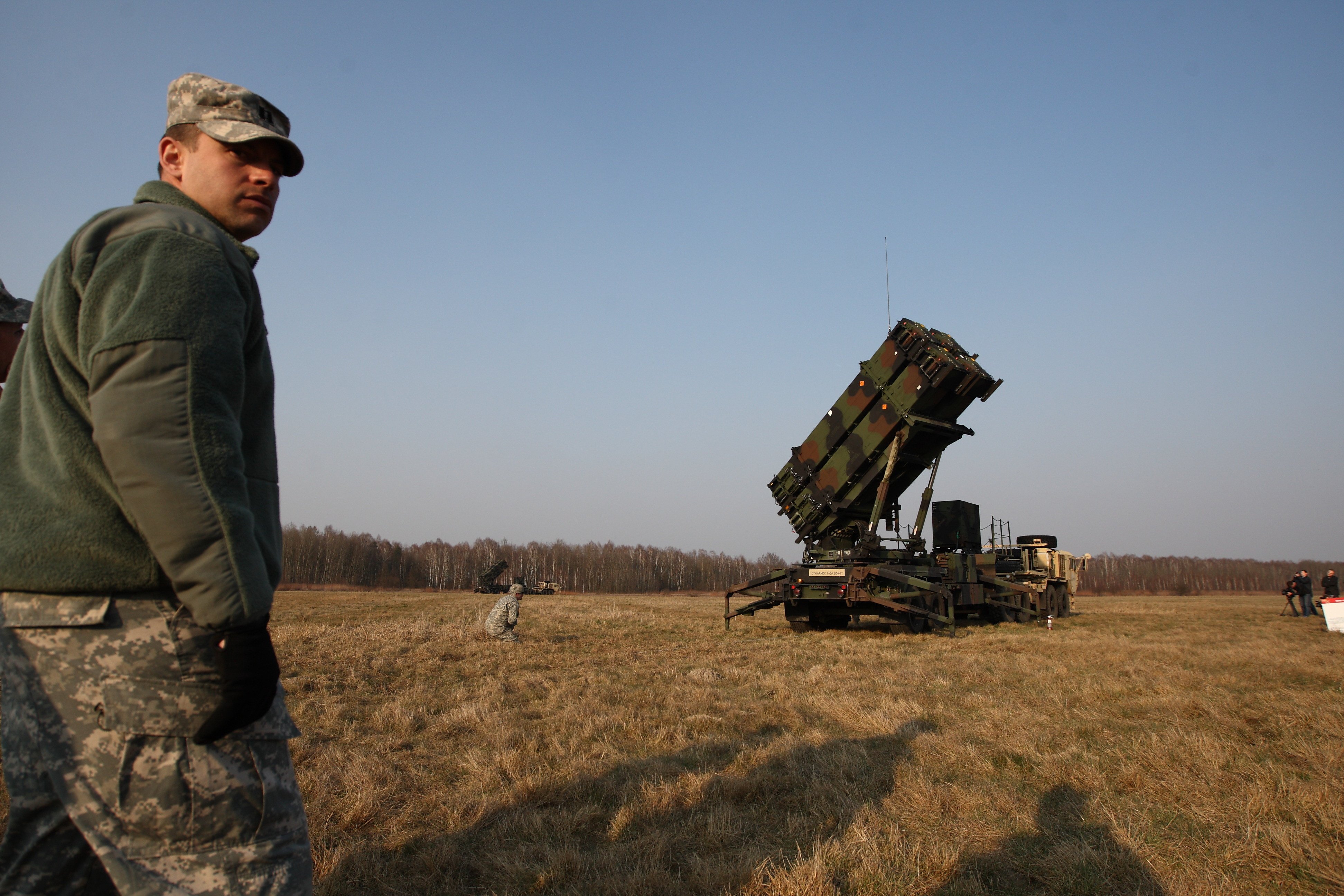
More fundamentally, building a missile production line is only one part of the challenge. Modern interceptors depend on an extensive ecosystem of certified suppliers, precision manufacturers, proprietary technologies, and highly specialized quality-control processes. Developing that industrial ecosystem is considerably more demanding than constructing the production facility itself. These supply-chain constraints are what ultimately limit production of advanced Western systems, and they explain why the United States continues to retain strict control over the Patriot program’s most sensitive technologies. Even countries that have participated in the program for decades have received only limited manufacturing rights.
The most sensitive technologies remain firmly under US control, and that is unlikely to change even if or when Ukraine joins the Patriot production framework.
Production taking years
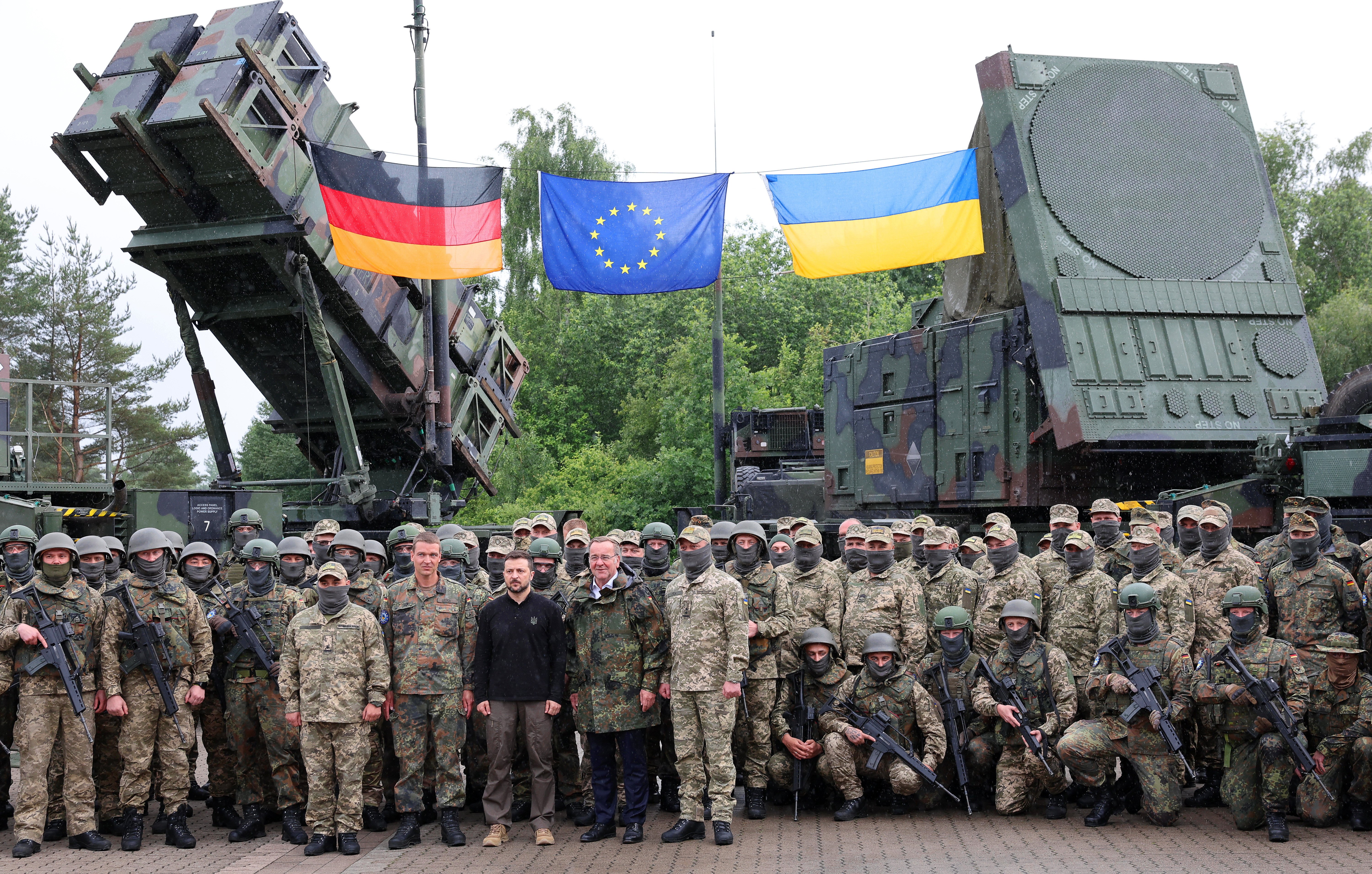
Germany’s experience illustrates the industrial realities involved.
Political approval for establishing a production line was granted in 2024, yet manufacturing is not expected to begin until 2027. Ukraine has repeatedly demonstrated an extraordinary ability to integrate complex Western military systems far faster than many NATO members anticipated. However, no amount of operational ingenuity can eliminate the physical realities of building a sophisticated (and equally tightly regulated) defense-industrial ecosystem.
In addition to these complexities, Patriot interceptor shortages have become a global problem. Western stockpiles have been depleted by multiple conflicts (including the one against Ukraine), while overall global demand continues to grow and production is being accelerated only gradually. The recent US move to triple PAC-3 MSE seeker production and seek additional capacity underscores that even the United States is struggling to meet demand. Ukraine is therefore competing not only against time but also against worldwide demand for one of the world’s most sought-after missile interceptors.
For these reasons, the announcement should be viewed as a strategically important investment in Ukraine’s future rather than an immediate solution to its present vulnerability.
What licensed Patriot production means for Ukraine
Expanding licensed production could strengthen both Ukraine’s defense industry and the broader Euro-Atlantic industrial base over the long term. However, while political approval can be granted in a day, building the industrial ecosystem required to produce one of the world’s most sophisticated missile interceptors takes years. That is why the announcement is cause for cautious optimism: strategically significant for the future, but unlikely to alter Ukraine’s military reality in the short term.
Discuss this article:
-4a56a6b482ec132402c16ef6fcabf9a2.png)


-206008aed5f329e86c52788e3e423f23.jpg "Photo of Oleksandr Moiseienko")


-f3430f0449615e9897dff835086ac204.jpg "Ukraine Broke With a Soviet-Era Military System and Rebuilt It Around the Soldier")
-e126c16a85d580738cf2d57e760b80a3.jpeg "Photo of Vladyslav Greziev")