- Category
- World
How the Ankara Summit Made Ukraine Part of NATO’s Future
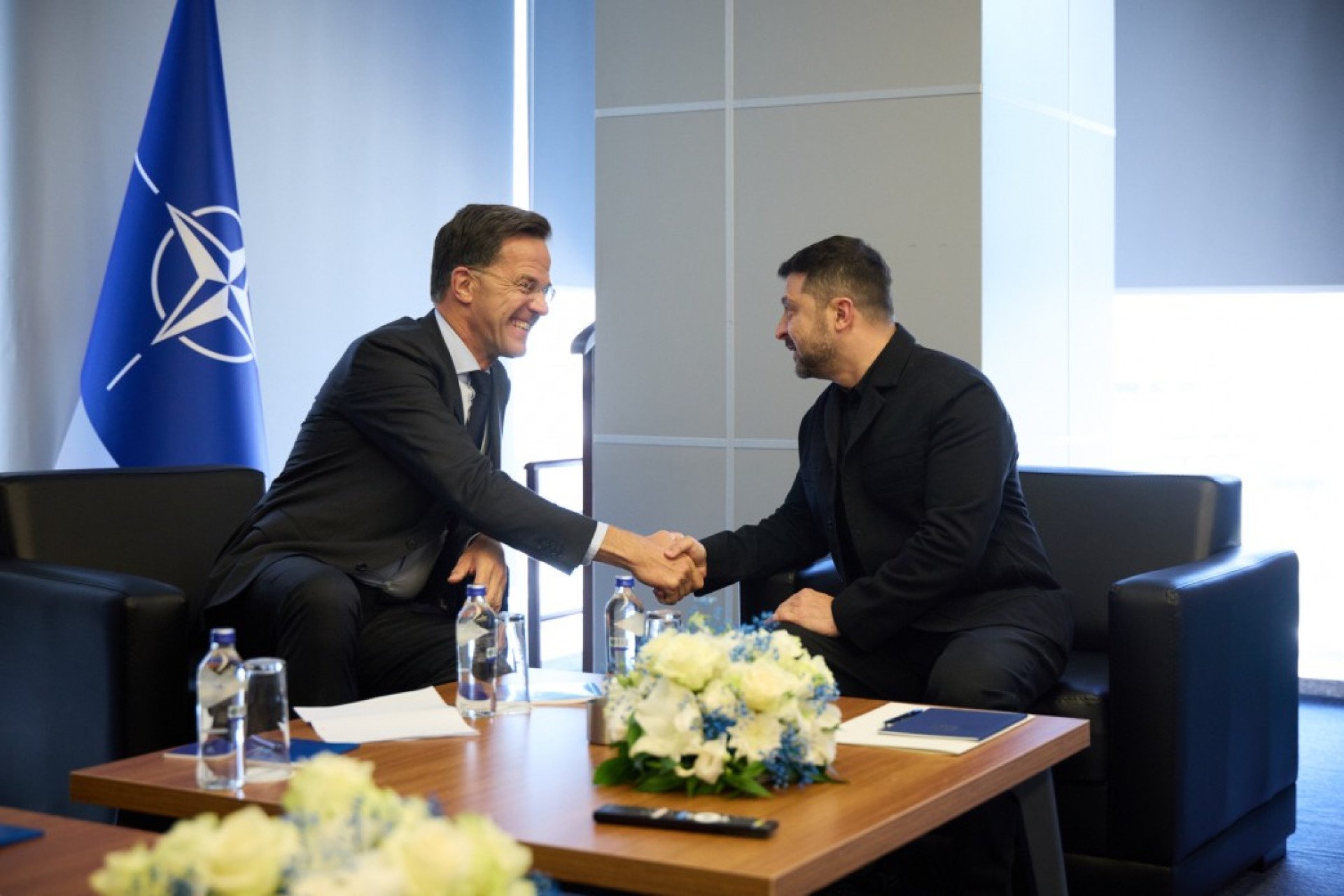
Before the NATO Summit began, President Volodymyr Zelenskyy outlined a simple goal: leave Ankara with stronger air defenses, new defense industry partnerships, and concrete security commitments for Ukraine. Two days later, how much of that did Ukraine actually achieve?
 Prefer U24 Media on Google
- Authors


-f88628fa403b11af0b72ec7b062ce954.jpeg "Photo of Amira Barkhush")
-73e9c0fd8873a094288a7552f3ac2ab4.jpg "Photo of Olena Blizniakova")
One of the most important outcomes of the Ankara Summit was political: NATO’s final declaration stated that “Ukraine contributes to transatlantic security.” In other words, Ukraine was framed not only as a country receiving support, but as a partner actively strengthening the security of Europe and North America.
NATO commits €70 billion to Ukraine through 2027
The declaration also reaffirmed NATO’s “unwavering support” for Ukraine’s freedom, sovereignty, and territorial integrity, while stating that European allies and Canada now finance the vast majority of security assistance to Kyiv. Allies pledged €70 billion ($80 billion) in military equipment, assistance, and training for Ukraine in 2026, with a commitment to maintain at least that level in 2027.
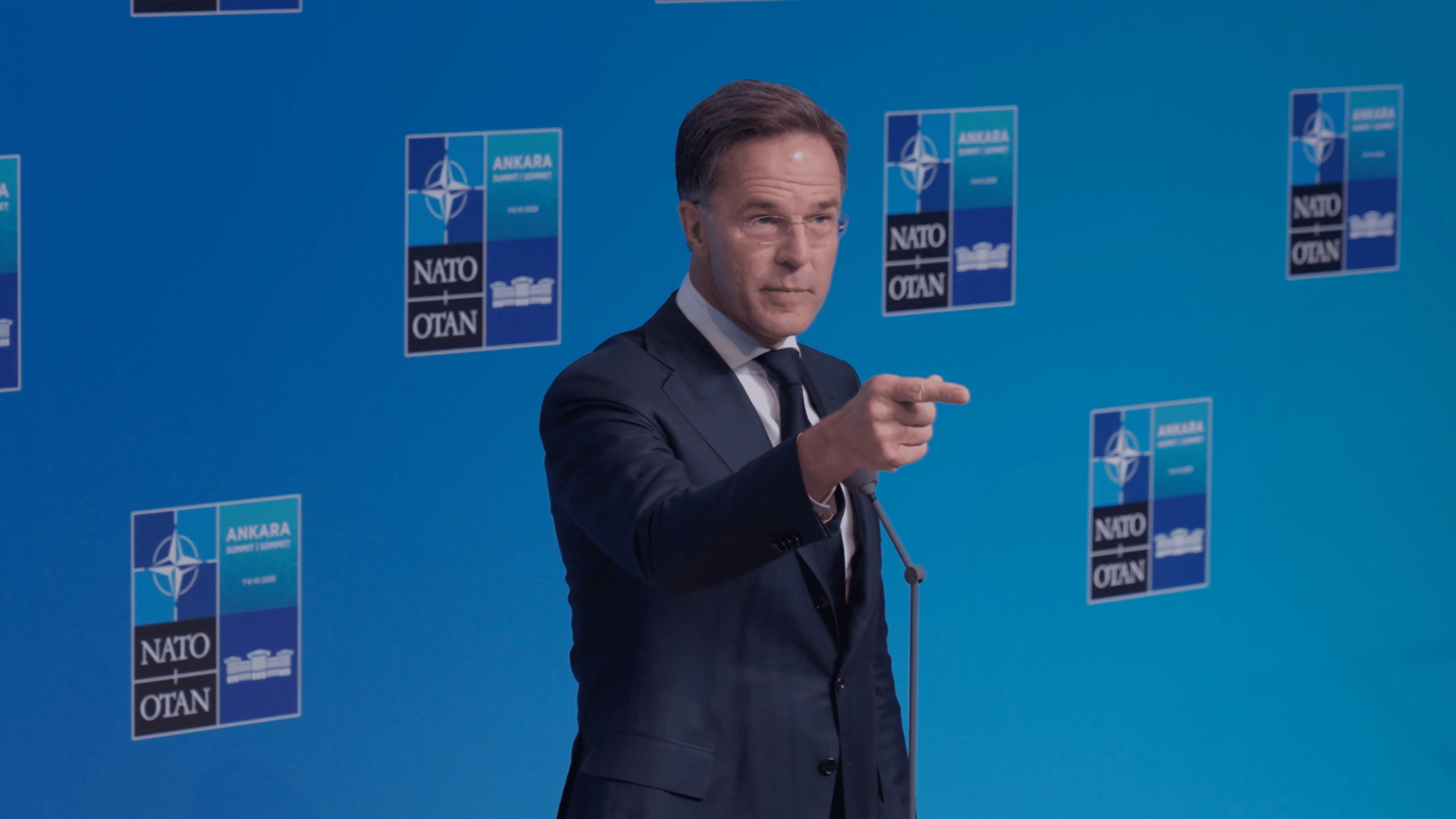
“As Russia continues its war, we will continue to ensure Ukraine gets what it needs,” Secretary General of NATO Mark Rutte said following the meeting of Heads of State and Government at the summit. “As Ukraine shifts the dynamics on the battlefield, our support must continue.”
This wording matters because the same declaration describes Russia as a long-term threat to Euro-Atlantic security and stability. Taken together, the message from Ankara was clear: supporting Ukraine is no longer seen solely as aid to a partner at war, but as part of NATO’s long-term security strategy.
Building an anti-ballistic shield
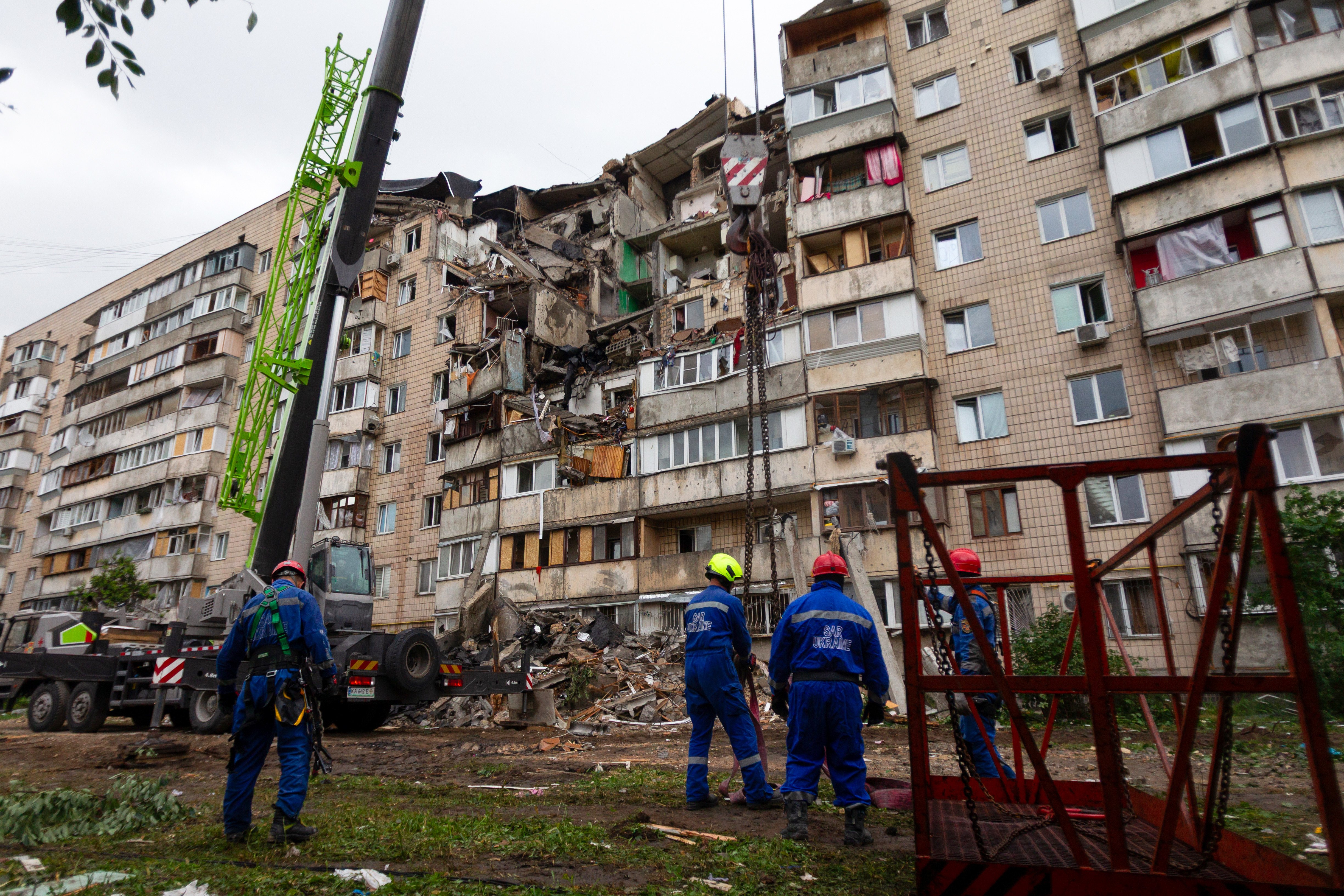
If there was one message President Zelenskyy repeated throughout the summit, it was air defense. He arrived in Ankara after a week of large-scale Russian missile and drone attacks that killed at least 93 civilians and injured more than 500 across Ukraine, making additional air defense systems, interceptor missiles, and defense-industrial agreements Kyiv’s top priorities.
The urgency has grown as Russia increasingly relies on ballistic missiles to strike Ukrainian cities. While Ukraine’s air defenses intercept most drones and cruise missiles, ballistic missiles remain far more difficult to stop due to a shortage of Patriot interceptors—the only system capable of effectively countering them.
Ukraine is working with European partners to launch an anti-ballistic coalition aimed at addressing one of its most urgent battlefield needs: defending cities against Russia’s growing use of ballistic missiles. President Zelenskyy said Kyiv plans to convene the coalition’s first meeting in the coming weeks, with the initiative focused on expanding anti-ballistic missile production and developing new interception capabilities.
In the short term, Ukraine is seeking additional Patriot PAC-3 interceptors from partner countries. “There are a number of countries that have anti-ballistic missiles in stock. We are working with each of these countries through various channels and under different arrangements to obtain them,” Foreign Minister Andrii Sybiha said on the sidelines of the NATO Summit.
Zelenskyy also revealed that another shipment of PAC-3 interceptors is on its way, but stressed that it “is not enough,” as Russia launches roughly twice as many ballistic missiles as Ukraine currently receives interceptors. Looking further ahead, he said coalition members are already producing components for a future Ukrainian anti-ballistic system known as Freya.
At the same time, Zelenskyy warned that Europe cannot rely only on existing Patriot production to counter Russia’s ballistic missile threat. He urged European governments and defense industries to rapidly build their own affordable, mass-produced anti-ballistic systems, saying this protection is needed “today, not years from now.”
Trump hints at Patriot air defense production for Ukraine
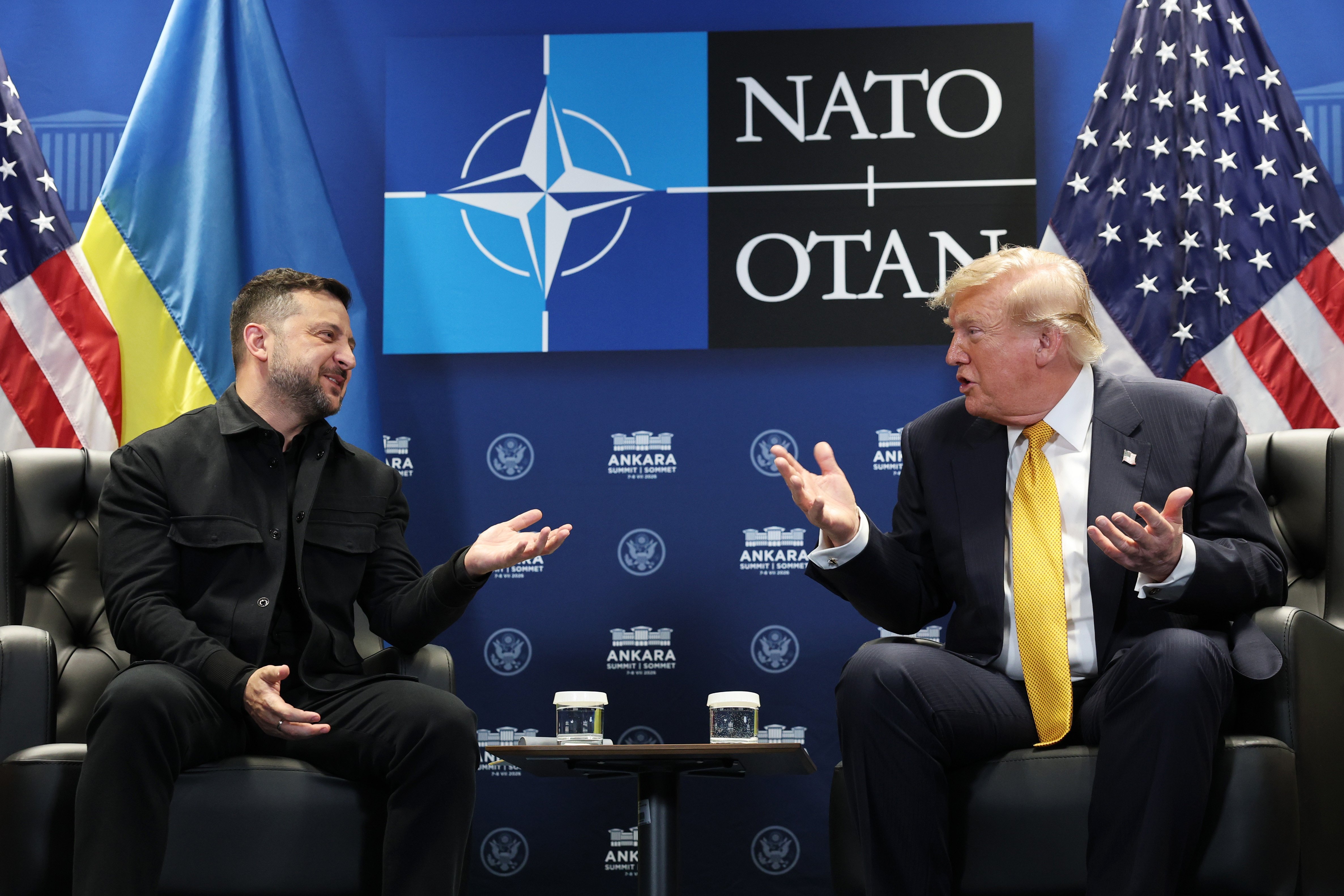
One of the summit’s most closely watched moments came during Zelenskyy’s meeting with US President Donald Trump. After the talks, Trump suggested Washington could allow Ukraine to manufacture Patriot systems under license.
“A little birdie told me this, about the fact that we’ll give them the right to make Patriots,” Trump said. “We’ll show them how to do it; it’s very complex. But you’ll figure out the complexity quickly.”
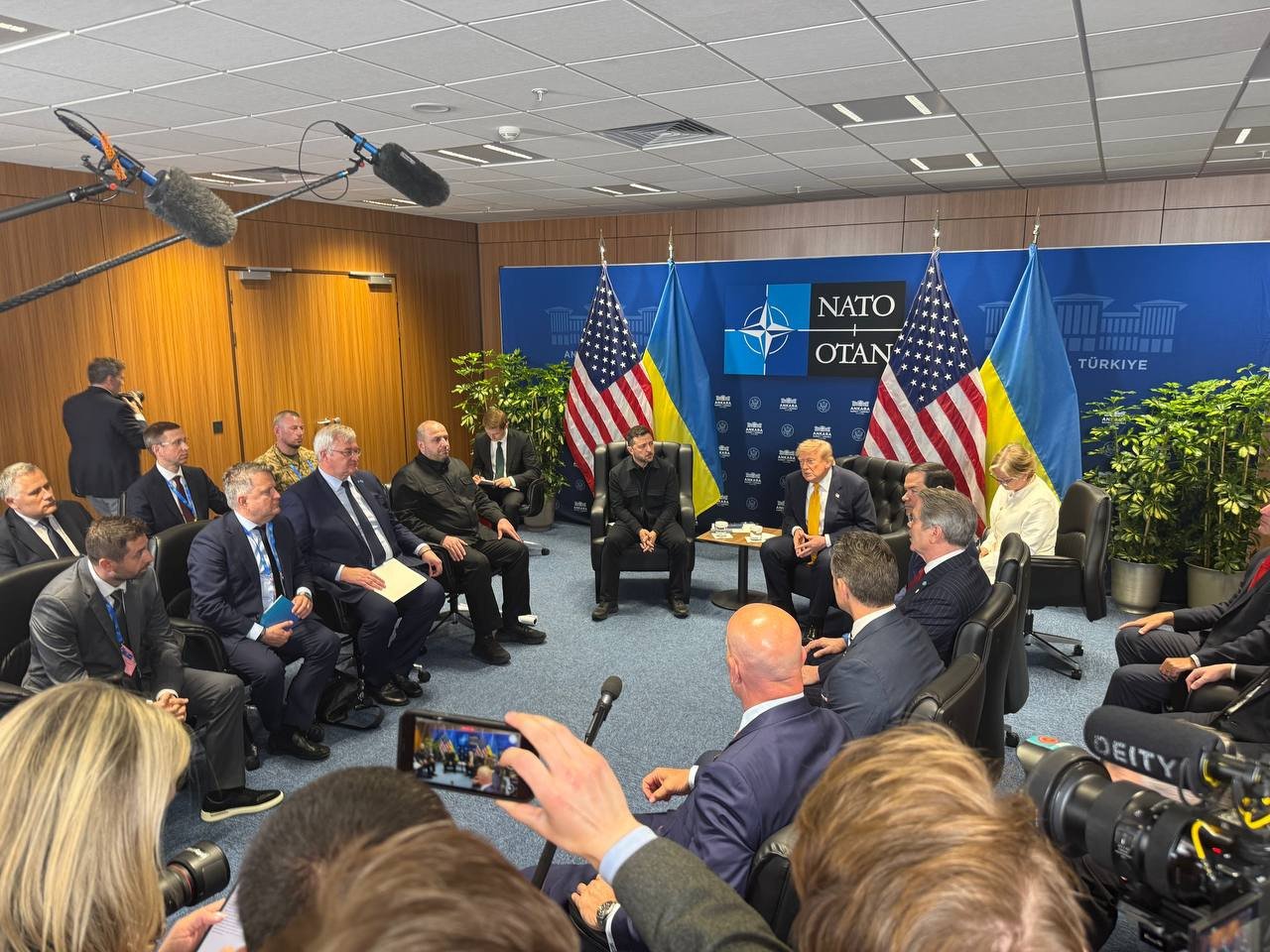
Although no formal agreement was signed, the statement could mark a significant shift. Until now, Ukraine has relied almost entirely on allied deliveries of Patriot systems and interceptor missiles. Licensed production would gradually allow Kyiv to build its own manufacturing capacity while reducing dependence on limited Western stockpiles.
Ukraine expands defense industry deals with NATO allies
Trump’s hint on granting Ukraine a Patriot license production also reflected a broader trend that emerged from the summit: moving beyond weapons deliveries toward joint defense production.
Germany announced plans to manufacture Ukraine’s long-range BARSA strike drones on its own territory, Estonia and the Netherlands signed new drone cooperation agreements with Kyiv, and Türkiye joined NATO's Prioritized Ukraine Requirements List (PURL), reinforcing a broader effort to integrate Ukraine into Europe’s defense industry and strengthen its long-term military capabilities.
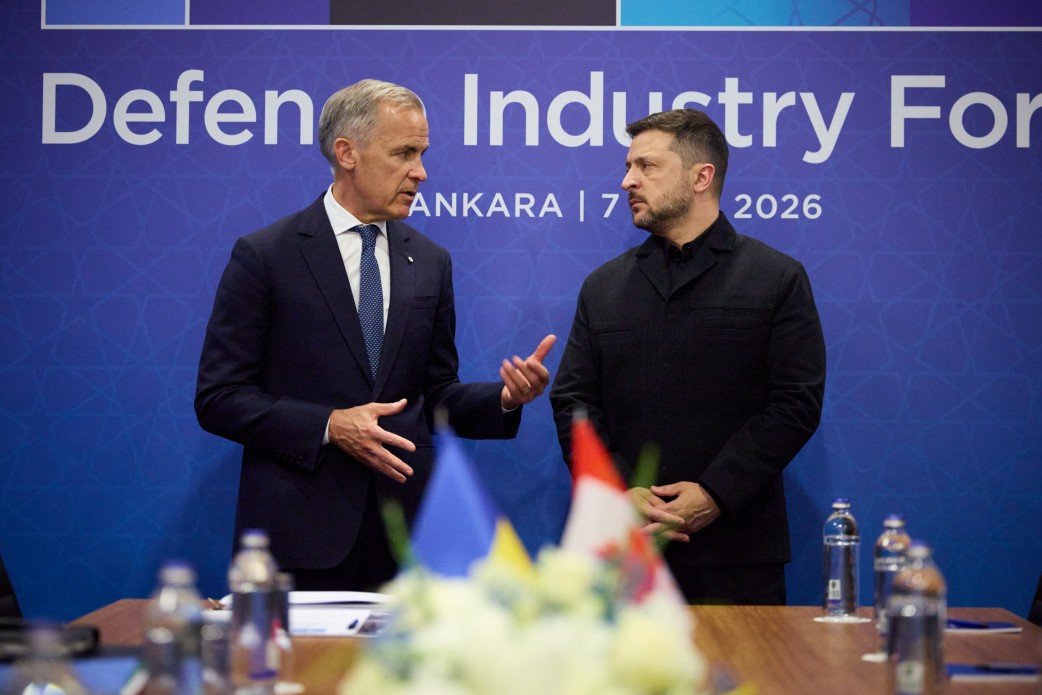
Beyond the formal NATO declaration, Ukraine used the Ankara summit to push for concrete support through bilateral meetings with key partners. President Zelenskyy met with Canadian Prime Minister Mark Carney, who announced a new military aid package worth about $633 million.
“This is medium-term assistance,” Carney said. “By medium term, I mean over the next few months. It includes military equipment, ammunition, and other support, in addition to this vital air defense assistance.”
Zelenskyy said Ukraine had already received a major Canadian air defense package, with more components on the way.
Zelenskyy also held a more than an hour-long meeting with Polish President Karol Nawrocki, their first face-to-face talks after a recent diplomatic dispute over Poland’s highest state decoration. Despite historical tensions, both leaders emphasized the need to maintain dialogue and unity against Russia. Zelenskyy said the two countries face “a single and shared” threat, adding that Ukraine and Poland must preserve mutual understanding and act together.
NATO prepares for Russia’s long-term threats
This year’s Summit kicked off with the Defense Industry Forum. As previously announced, the event was “NATO’s premier high-level event on transatlantic defense production, investment and innovation.” It started straight away with several announcements from the Alliance’s Secretary General.
At the Defense Industry Forum, NATO launched two new initiatives—NATO Front Door for Industry and NATO Engine—designed to accelerate weapons production, simplify cooperation with defense companies, and bring innovative technologies to market faster.
Beyond immediate pledges to Ukraine, the Ankara Summit showed that NATO is preparing “to counter the long-term threat Russia poses to Euro-Atlantic security and stability.” The Alliance’s new defense-spending targets are already reshaping priorities: five NATO members, Lithuania, Estonia, Latvia, Poland, and Greece, are projected to exceed the new 3.5% of GDP core defense-spending goal as early as 2026, nearly a decade ahead of the 2035 deadline.
The strategic shift is not only about spending more, but about preparing for the kind of war Ukraine is already fighting. NATO launched a $40 billion Drone Edge initiative to expand counter-drone capabilities over the next five years, including investments in detecting, identifying, and neutralizing unmanned aerial threats, as well as a fivefold increase in drone operators across Allied armed forces.
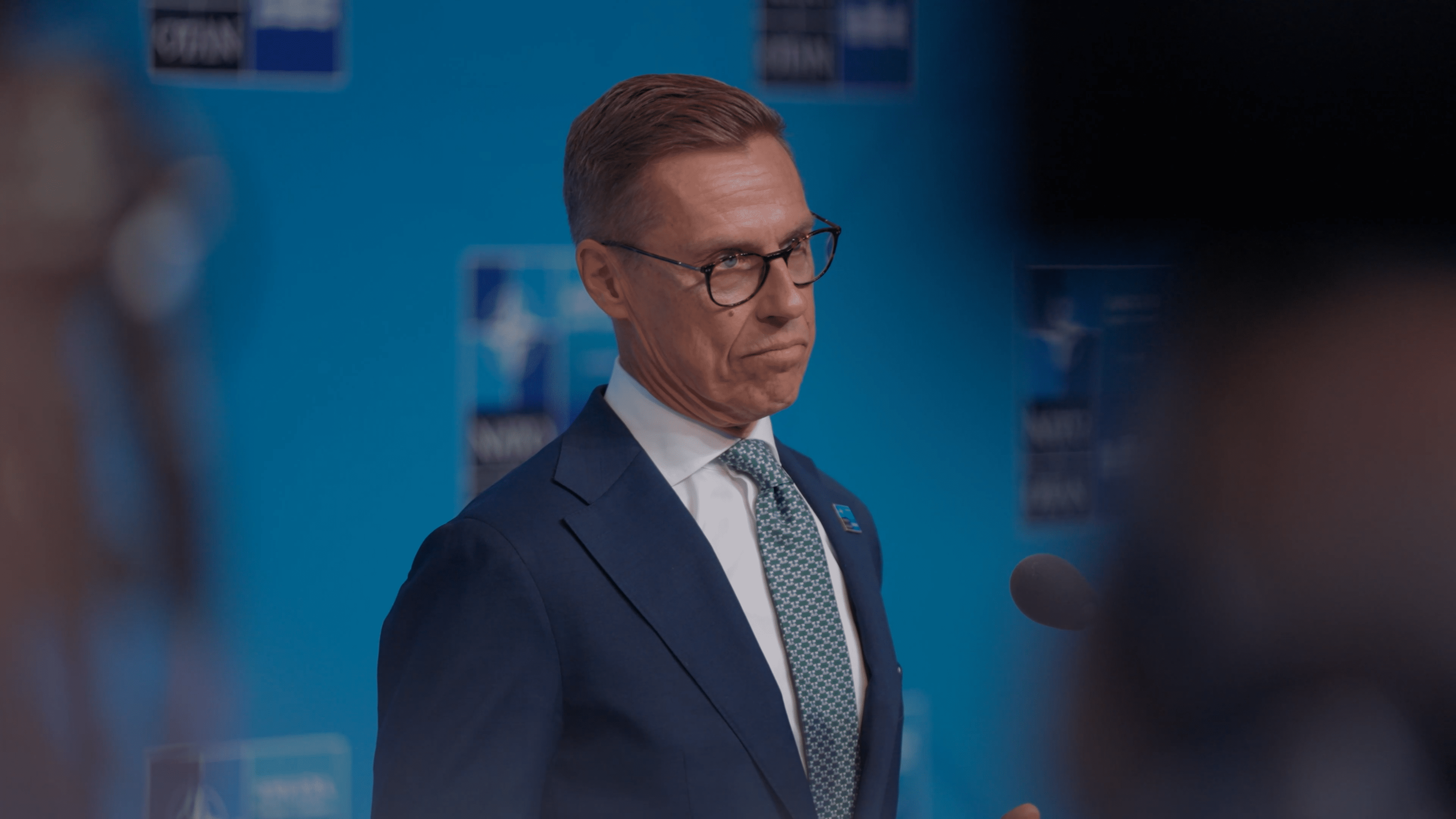
Finnish President Alexander Stubb said NATO leaders understand why Ukraine is carrying out long-range strikes inside Russia and see them as a way to increase pressure on Moscow. He also described Ukraine as “number one” in modern warfare capabilities and argued that “NATO needs Ukraine as much as Ukraine needs NATO.”
“Our reading is that Russia will not end this war due to losses on the battlefield, which, of course, are colossal,” Stubb told the Financial Times. “It’s not going to be about a declining economy. But it is going to be about a change in public opinion. And public opinion is now changing in Russia.”
Taken together, the summit’s outcomes point to a broader transformation in NATO's approach to Ukraine. Beyond delivering weapons, allies are increasingly investing in Ukraine’s defense industry as a long-term pillar of European security.
Trump’s suggestion that the United States could grant Ukraine a license to produce Patriot systems may prove to be one of the summit’s most consequential outcomes, reflecting a move from supplying Ukraine’s defense to helping it build it.
Discuss this article:


-c439b7bd9030ecf9d5a4287dc361ba31.jpg "Photo of Katherina Popilnichenko")


-72b63a4e0c8c475ad81fe3eed3f63729.jpeg "Photo of Cyril Barabaltchouk")