- Category
- War in Ukraine
Patriot Missiles Can’t Cover It All—Europe Needs Its Own Defense Against Ballistic Threats
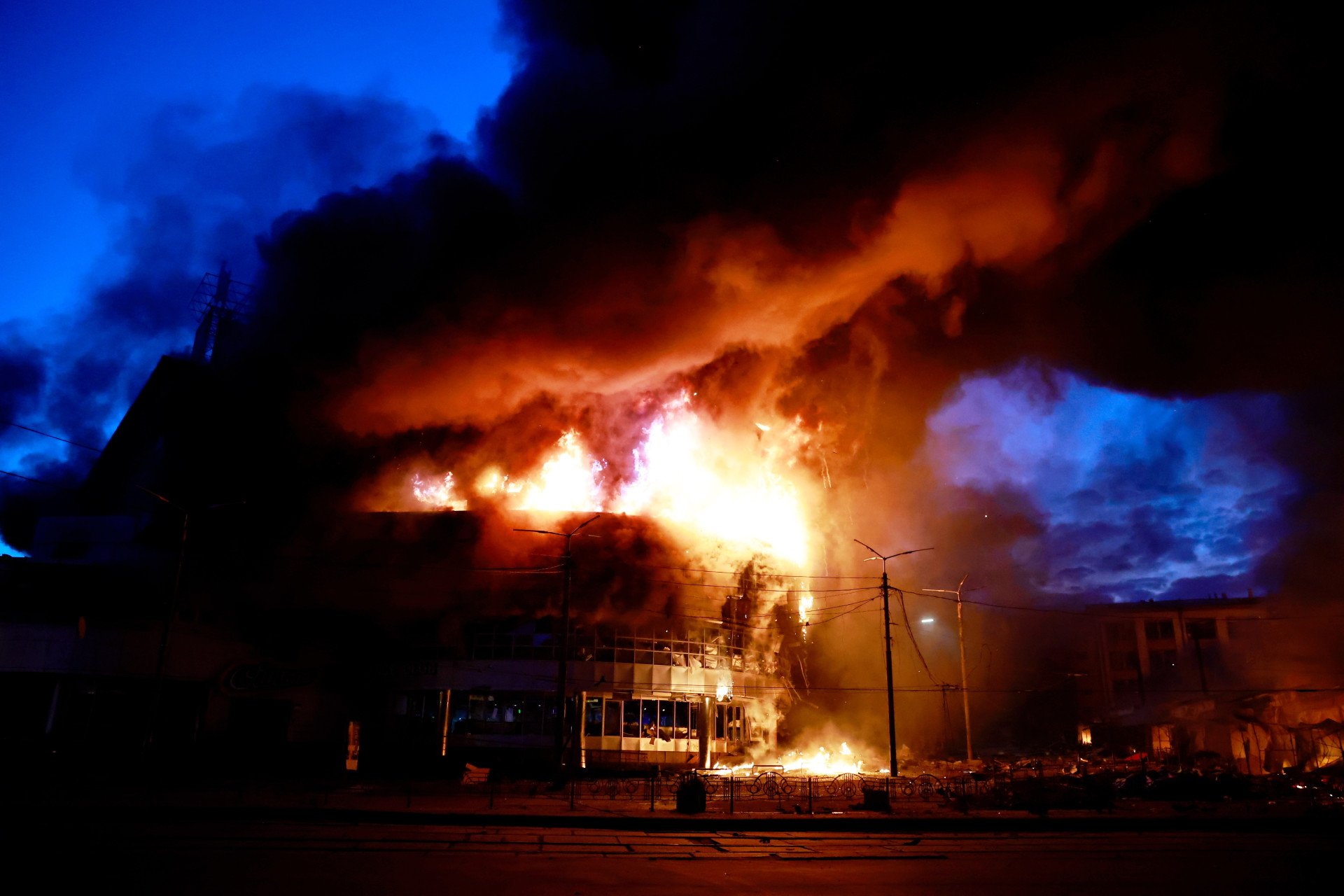
Russia and Iran already possess ballistic missile arsenals capable of striking cities across Europe and the Middle East. But interceptor systems remain scarce, expensive, and overstretched. Ukraine is now pushing for a coalition of European powers to build a continental missile defense shield.
 Prefer U24 Media on Google
- Authors

-29a1a43aba23f9bb779a1ac8b98d2121.jpeg "Photo of Illia Kabachynskyi")
On the night of May 24, Russia launched a massive strike on the Ukrainian capital. In Kyiv, two people were killed, nearly 100 were injured, and civilian infrastructure and residential buildings were destroyed. The main attack came from missiles: Ukrainian air defense forces managed to shoot down most of the 600 drones launched, as well as 55 out of 90 missiles. As always, ballistic missiles remain the greatest challenge for Ukraine—there are simply too few interceptor missiles available for Patriot systems.
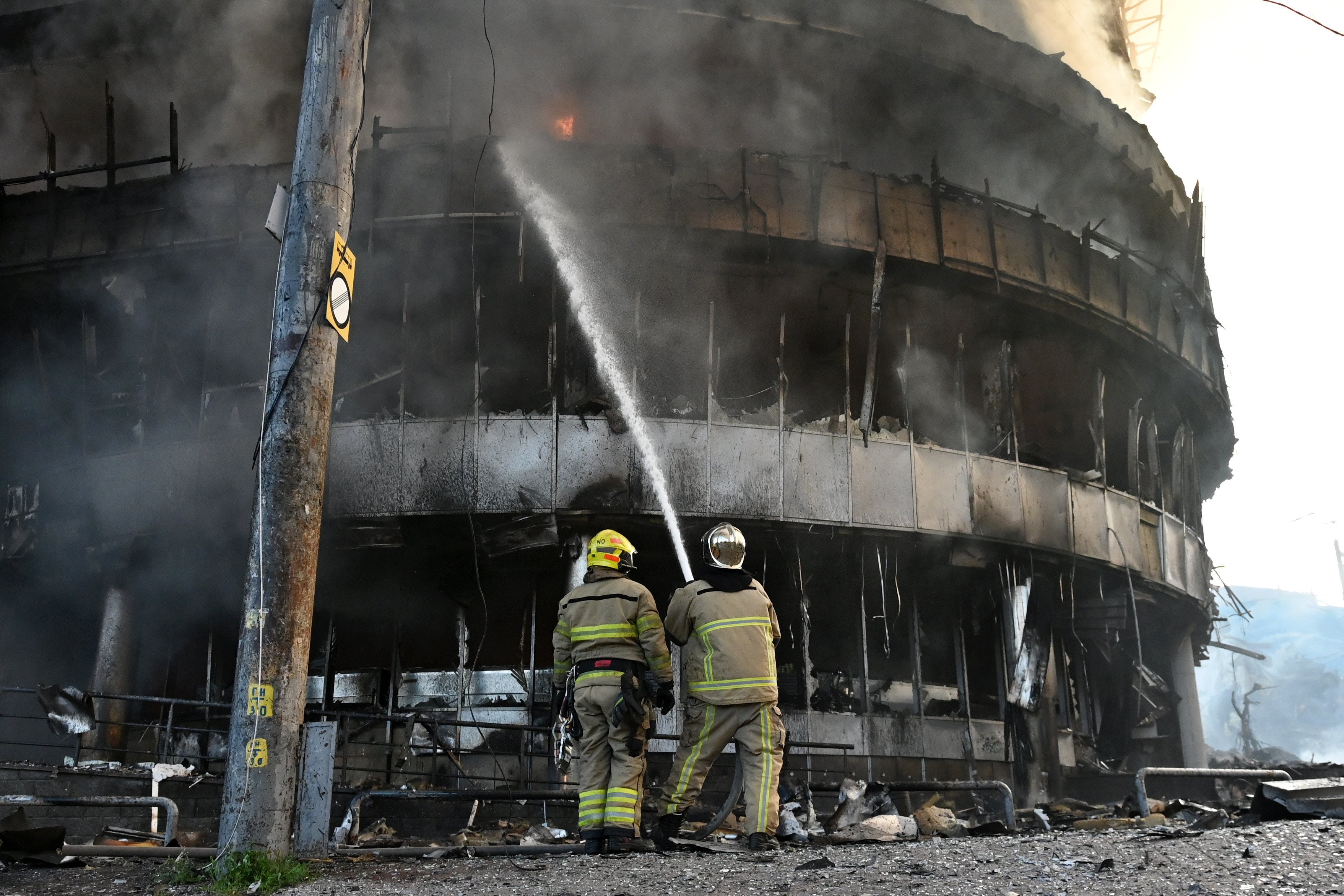
This has been a constant problem for Ukraine since the very start of the war. The issue becomes especially critical during winter, when repeated attacks on energy infrastructure drain already limited stockpiles. Ukraine’s problem is not unique: after the outbreak of war in the Middle East, Gulf countries reportedly fired more than 800 Patriot missiles within just a few days. Meanwhile, the American manufacturer can produce only slightly more than 700 missiles per year.
The question of building anti-ballistic defense capabilities has now become critically important for Europe. In practice, an entire continent depends on a single highly scarce system, making the threat posed by Russian missile attacks extremely serious. Ukraine is prepared to become one of the driving forces behind the creation of such an air defense shield.
Europe’s anti-ballistic defense
The idea of creating a coalition of countries that would jointly develop anti-ballistic missiles originated in Kyiv. Representatives from 13 countries and the Office of the NATO Secretary General attended one of the first meetings on the initiative, said Ukrainian President Volodymyr Zelenskyy.
The concept is to establish production facilities in Europe so participating countries can prioritize their own security needs. This would make the project more independent and less vulnerable to political bargaining.
Such a coalition is necessary for a simple reason: if building a ballistic missile is difficult, building one capable of intercepting it is even harder. That is why so few systems worldwide can reliably destroy ballistic targets.
The technological challenge lies in the extreme speed of ballistic missiles, which travel at several times the speed of sound. An interceptor missile must accelerate to comparable speeds, track the target, and destroy it either by direct impact or by detonation nearby. Before that can happen, however, the incoming missile must first be detected—requiring highly capable radar systems.
Anti-ballistic systems are among the most complex engineering projects in modern defense technology, demanding deep expertise and a vast array of advanced components. Ukraine’s proposal is therefore to launch broad industrial cooperation among interested countries that already possess strong engineering schools and defense industries capable of accelerating the development of such missiles to strengthen their own air defenses.
Production is expected to be based in Europe, allowing participating countries to prioritize deliveries for their own defense needs.
Although Ukraine is currently the country under constant ballistic missile attack, the issue is equally important for European capitals. Many of them lack both the missiles and the systems needed to intercept conventional ballistic missiles such as the Iskander. Virtually no European capital today can defend itself against an intermediate-range ballistic missile like the Oreshnik. That is why anti-ballistic defense is becoming a crucial component of Europe’s future security architecture.
Building European air defense
For Ukraine, maintaining strong air defense capabilities is a matter of survival. The use of Shahed drones continues to grow year after year. During the winter of 2025–2026, Russia launched 27,000 drones, compared to 15,000 the previous year. Moscow reportedly plans to manufacture up to 60,000 Shahed drones this year, along with another 50,000 decoys.
-f9b503d9d1ec91380a7332aa8185780b.png)
Intercepting nearly 10,000 drones per month—in addition to cruise and ballistic missiles—is an enormous challenge.
That is why Kyiv is pursuing multiple approaches simultaneously: electronic warfare systems, interceptor drones, mobile fire groups, fighter jet and helicopter operations, and the development of its own surface-to-air missile systems. Together, these elements form a multilayered defense network designed to counter all types of aerial threats.
At present, Ukraine remains dependent on its partners for protection against ballistic missile strikes. Developing its own system in partnership with European countries is therefore a way to secure the number of interceptor missiles needed to repel future attacks.
Efforts to reduce dependence on Patriot systems are already taking shape in Ukraine. Its company Firepoint says it is helping develop the Freya air defense project, a proposed lower-cost interceptor system designed to counter ballistic missiles. Initial tests could reportedly begin by the end of 2026.
Ukraine has already developed effective weapons against Shahed drones, with interception rates often reaching 80% to 90% and continuing to improve. Anti-ballistic defense is the next step toward achieving the interception rates needed to protect civilians from Russian ballistic missile attacks.
Discuss this article:
-4a56a6b482ec132402c16ef6fcabf9a2.png)





-c439b7bd9030ecf9d5a4287dc361ba31.jpg "Photo of Katherina Popilnichenko")