- Category
- War in Ukraine
Weaponizing Winter: The Unrelenting Toll of Russian Energy Strikes on Kyiv’s Civilians Continues
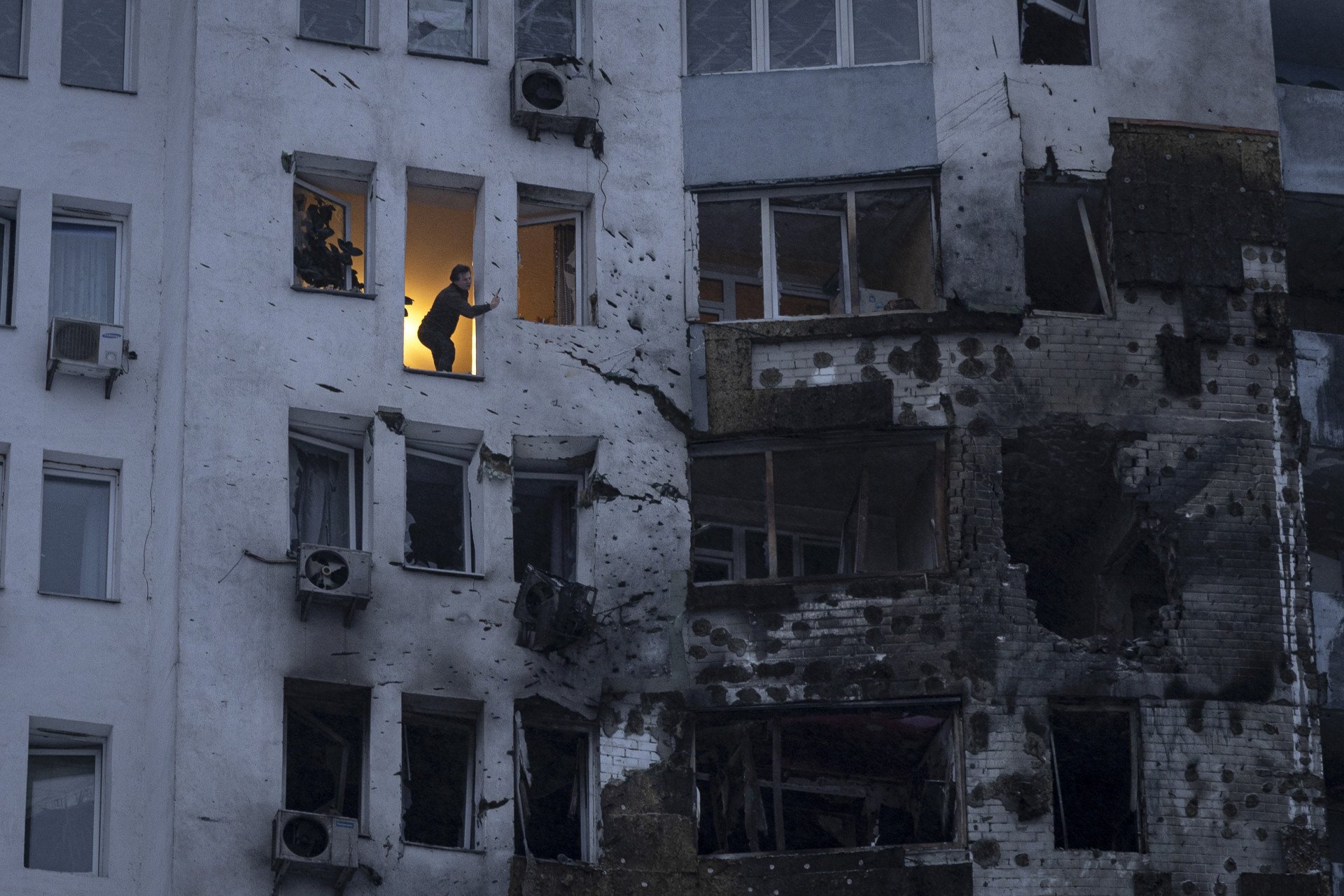
Russia’s latest missile and drone strikes on Ukraine’s energy infrastructure, which targeted critical substations and nuclear facilities, have left thousands without power, water, and heating, further escalating the country’s ongoing energy crisis amid subzero temperatures, Ukrainian officials reported on January 20.
 Prefer U24 Media on Google
- Authors

-554f0711f15a880af68b2550a739eee4.jpg "Photo of Lucile Brizard")
With nearly three million residents, Kyiv rivals Berlin and Chicago in scale, and surpasses Paris in both population and area. Imagine a capital of that size plunged into darkness in the depths of a subzero winter. That was the reality after Russia’s January 20 attacks, which left more than 1 million people in Kyiv without power and over 4,000 apartment buildings without heat.
We talked to a married couple, Kyiv residents in their thirties, who preferred to remain anonymous.
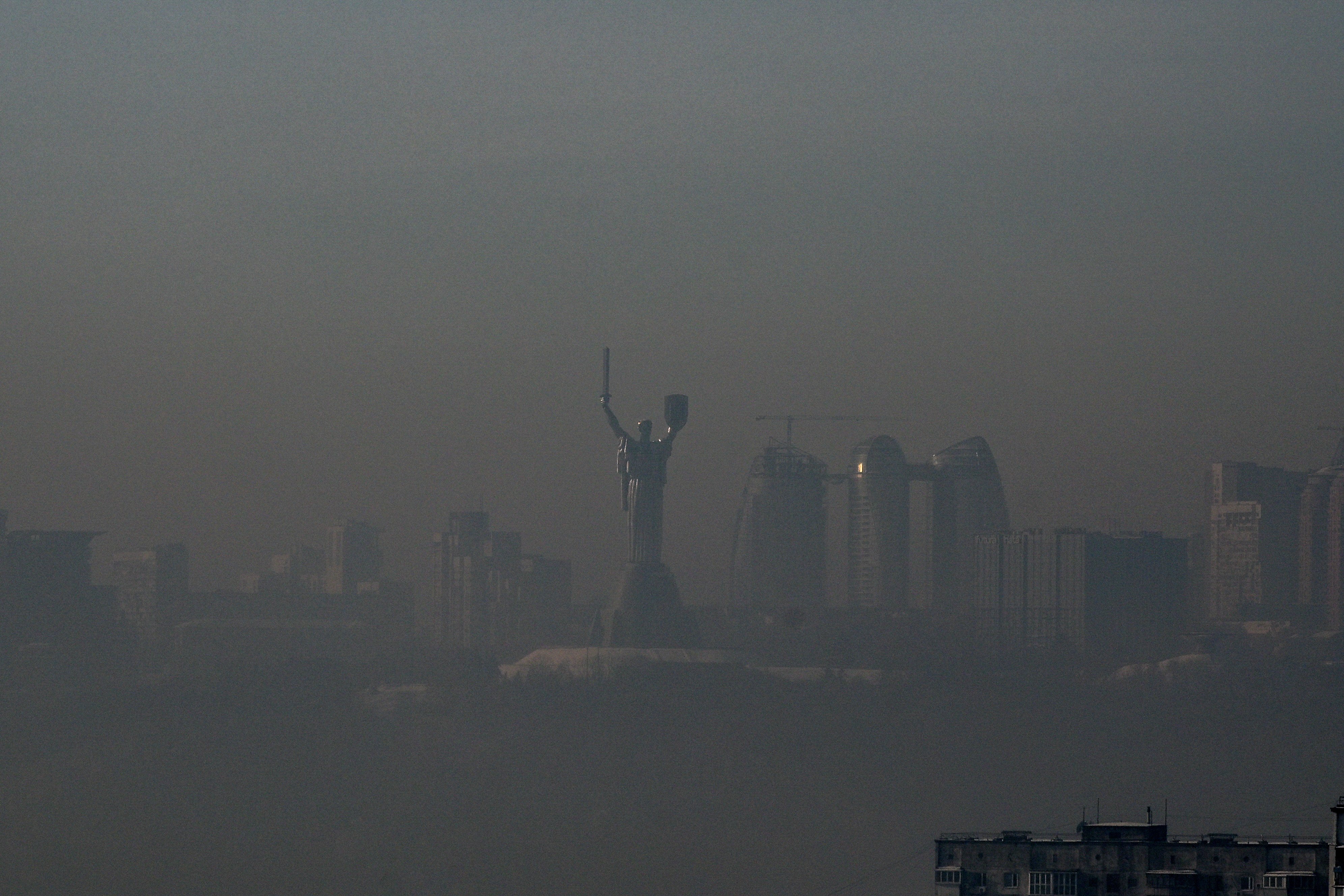
“This is a deeply difficult winter, definitely the hardest one we’ve had,” one of them said. “Civilians are far less prepared and capable of surviving without the power infrastructure that Russia is targeting.”
When asked if this had affected their morale, they responded: “No. We just adapt as best we can.”
Overwhelming air defenses
Russia’s continued missile and drone strikes on Ukraine’s energy infrastructure are part of a larger, strategic offensive aimed at destabilizing the country’s power grid, Ukrainian President Volodymyr Zelenskyy warned on January 20.
The attack drained €80 million worth of Ukraine’s air defense missiles. Ukrainian air defense systems intercepted 27 missiles and 315 drones that targeted regions across Ukraine, including Kyiv, Zaporizhzhia, Dnipropetrovsk, Odesa, Rivne, and Poltava. Thousands of Ukrainians were left without power, water, and heating as critical infrastructure was damaged, and casualties were reported.


Russia’s high number of missiles, including the hypersonic Zircon, is aimed at increasing pressure on Ukraine’s defense capabilities. These missile attacks are compounded by the ongoing logistical difficulties of maintaining Ukraine’s air defense systems, which require constant support and supplies from international partners.

“Our air defense forces engaged a significant number of targets,” Zelenskyy said. “The day before this attack, we finally received the necessary missiles, and that made a substantial difference. Every support package matters.” Sanctions on Russia must be more rigorously enforced to limit its ability to produce and deploy these missiles, he said.
Nuclear-related infrastructure
Russia’s January 20 assault on Ukraine’s energy infrastructure targeted critical power substations, particularly those linked to nuclear facilities, further destabilizing the country’s power grid. President Zelenskyy warned that these attacks not only increase civilian hardship but also pose serious risks to nuclear safety, underscoring Russia’s ongoing strategy to disrupt Ukraine’s energy security and disregard international safety standards.
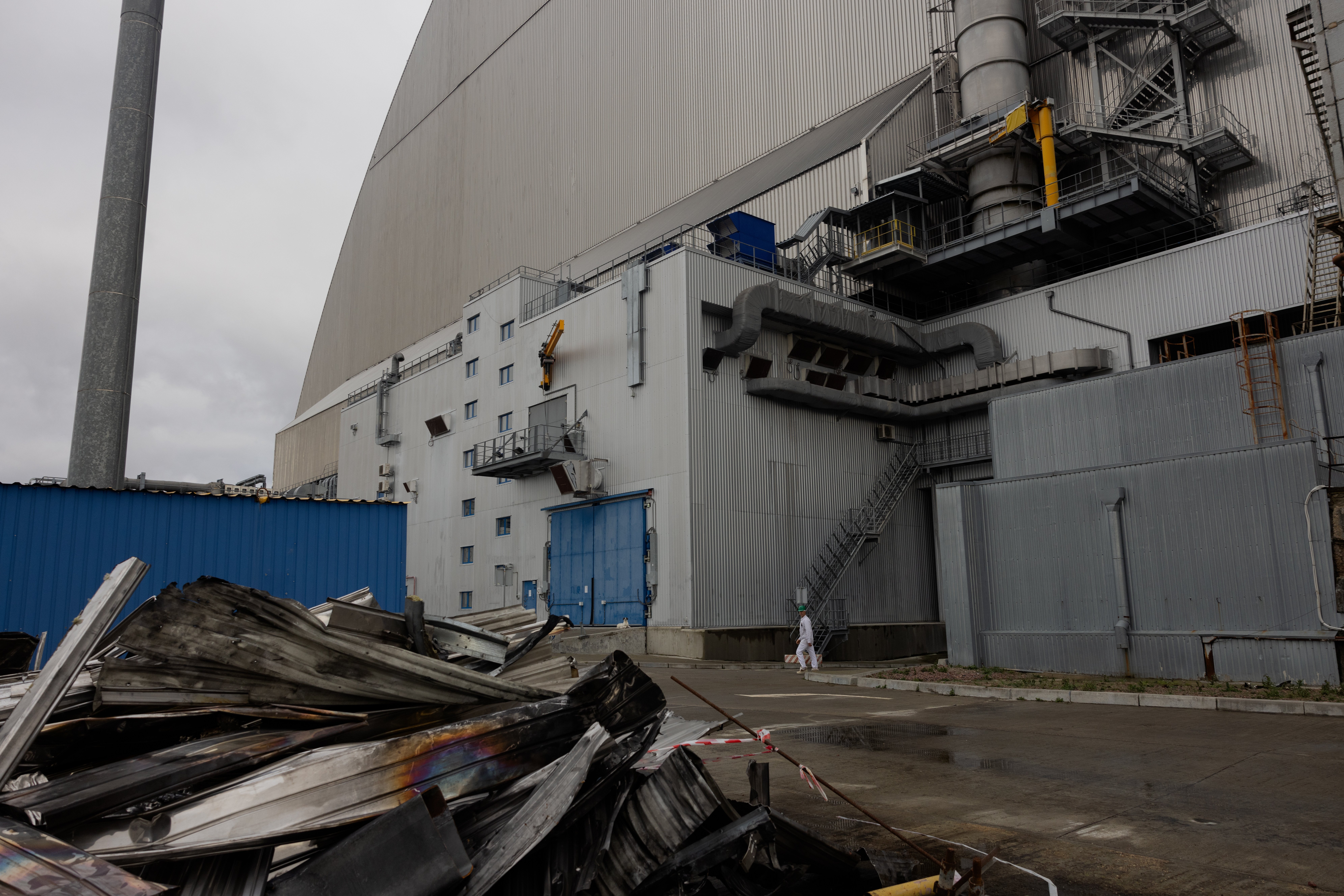
The International Atomic Energy Agency (IAEA) had previously reported that Russia’s strikes temporarily knocked out power to the Chornobyl Nuclear Power Plant, which was later restored, though it raised alarms about the potential for further threats to nuclear facilities. Zelenskyy underscored that Russia’s continued targeting of these vital installations illustrates Moscow’s lack of regard for both civilian safety and nuclear security.
Though Ukraine has said it restored full power to the Chornobyl Nuclear Power Plant following a Russian missile and drone strike on energy hubs supplying the exclusion zone. The attack damaged critical infrastructure but did not affect radiation levels, which remain within safe limits. All Chornobyl facilities, including the New Safe Confinement and spent fuel storage sites, are now operating normally.
Kyiv’s dealing with the aftermath
Since October 2025, Russian forces have destroyed 8.5 gigawatts of Ukraine’s energy generation capacity, including thermal and hydropower plants. The cycle of destruction has created a growing strain on Ukraine’s ability to restore its energy infrastructure, especially in the face of harsh winter conditions. As a result, Ukraine has been forced to import electricity from Europe, with the government securing a record 1.9 gigawatts of power from its neighbors.
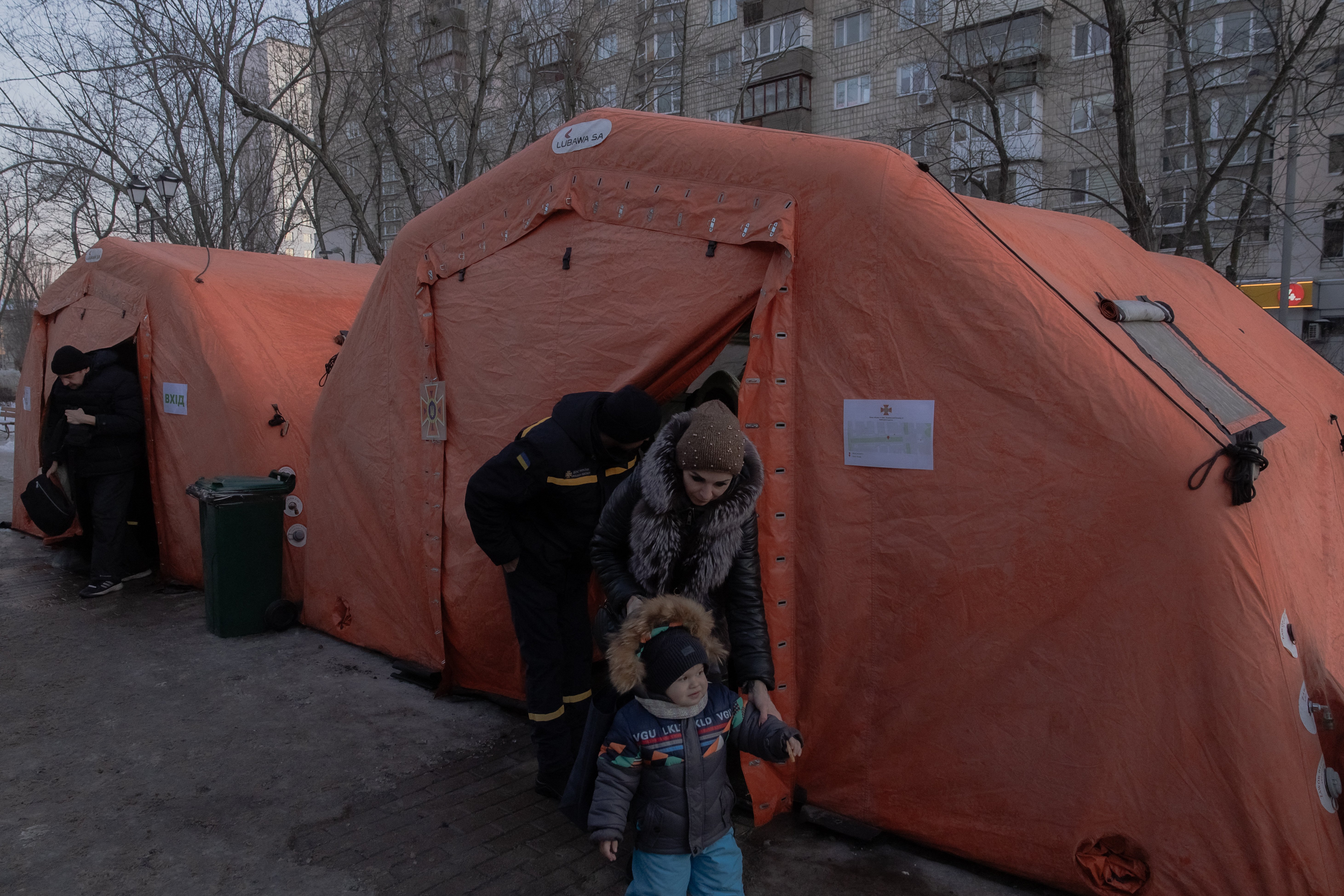
Kyiv, in particular, has suffered significant setbacks. The city’s Left Bank and the Dniprovskyi district were hit hardest, with power outages affecting large portions of the population. While emergency crews worked around the clock to restore services, Kyiv Mayor Vitaliy Klitschko described the situation as unprecedented, marking the most difficult winter for the capital in the four years of the invasion.
In the aftermath of the strikes, Ukrainian officials have prioritized restoring heating and electricity to residential and industrial areas. The cold temperatures, which reached subzero levels in Kyiv and other regions, have exacerbated the humanitarian crisis, forcing residents to find creative ways to stay warm, such as using generators or heating bricks.

“Our contingency plans have expanded,” the married couple said, commenting on their future plans. “Before, we were planning to maybe lose power for a day, but now we’re planning for several days without it. I’ve always thought it gets worse before it gets worse.” The couple thought for a second, then concluded: “Now that it’s gotten worse, we’re planning beyond that.”
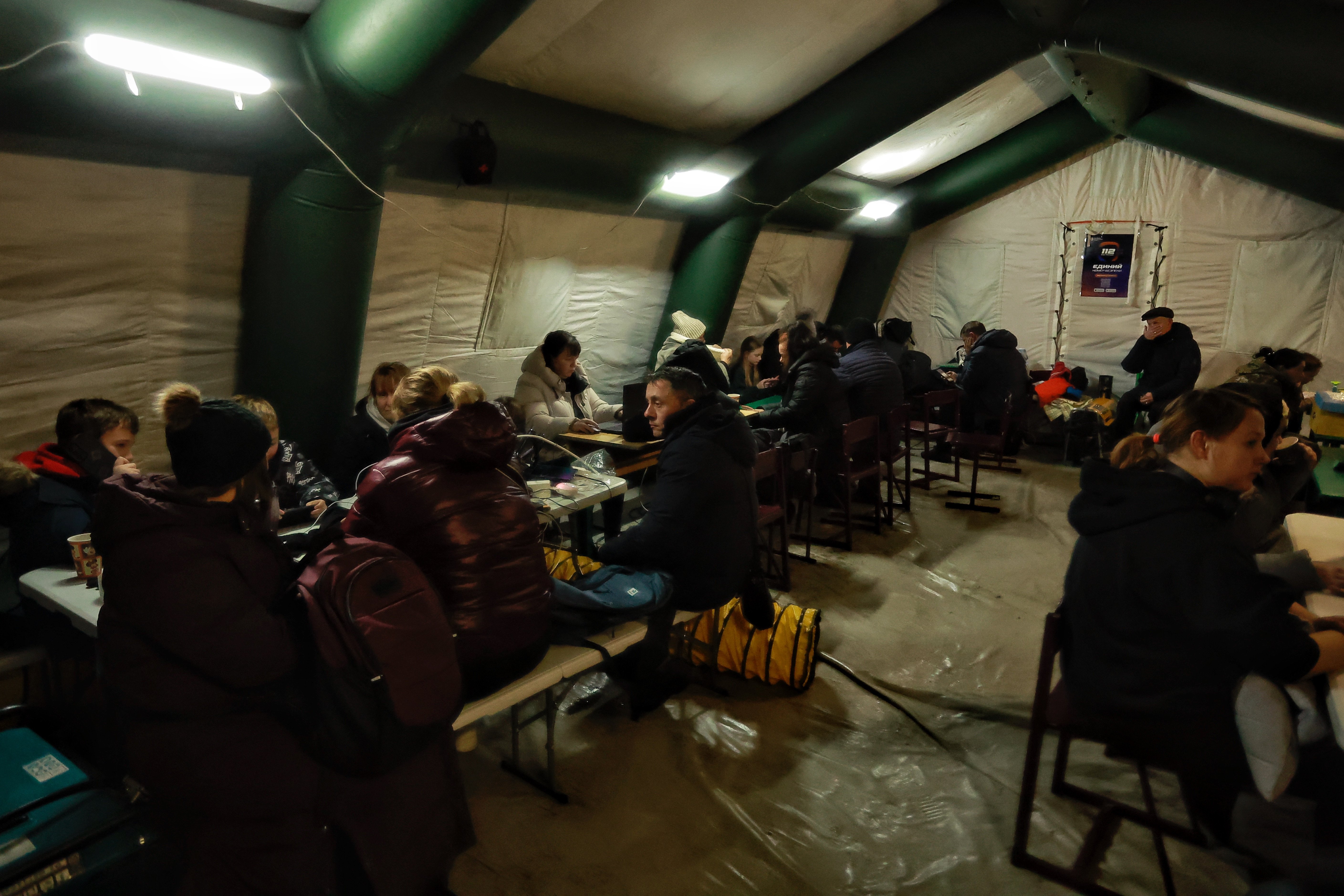
Emergency shelters like “Points of Invincibility” have been set up across Kyiv to help people stay warm and charge devices. As the situation continues to unfold, Ukrainian officials have reiterated the need for stronger international support to ensure the country’s energy infrastructure can withstand further attacks.
Discuss this article:


-c439b7bd9030ecf9d5a4287dc361ba31.jpg "Photo of Katherina Popilnichenko")
-72b63a4e0c8c475ad81fe3eed3f63729.jpeg "Photo of Cyril Barabaltchouk")