- Category
- War in Ukraine
When Peace Talks Begin, Russia Bombs—A Pattern Timeline
Every time peace is on the table, Russia reaches for missiles—and now, strike drones. Since 2014, Moscow has used diplomacy to disguise, prepare for, or justify its next wave of attacks. Behind every round of talks lies a familiar pattern: escalation masked as negotiation.
 Prefer U24 Media on Google
- Authors

-605be766de04ba3d21b67fb76a76786a.jpg "Joseph Place")
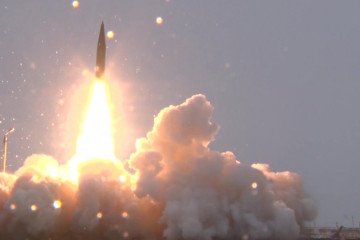
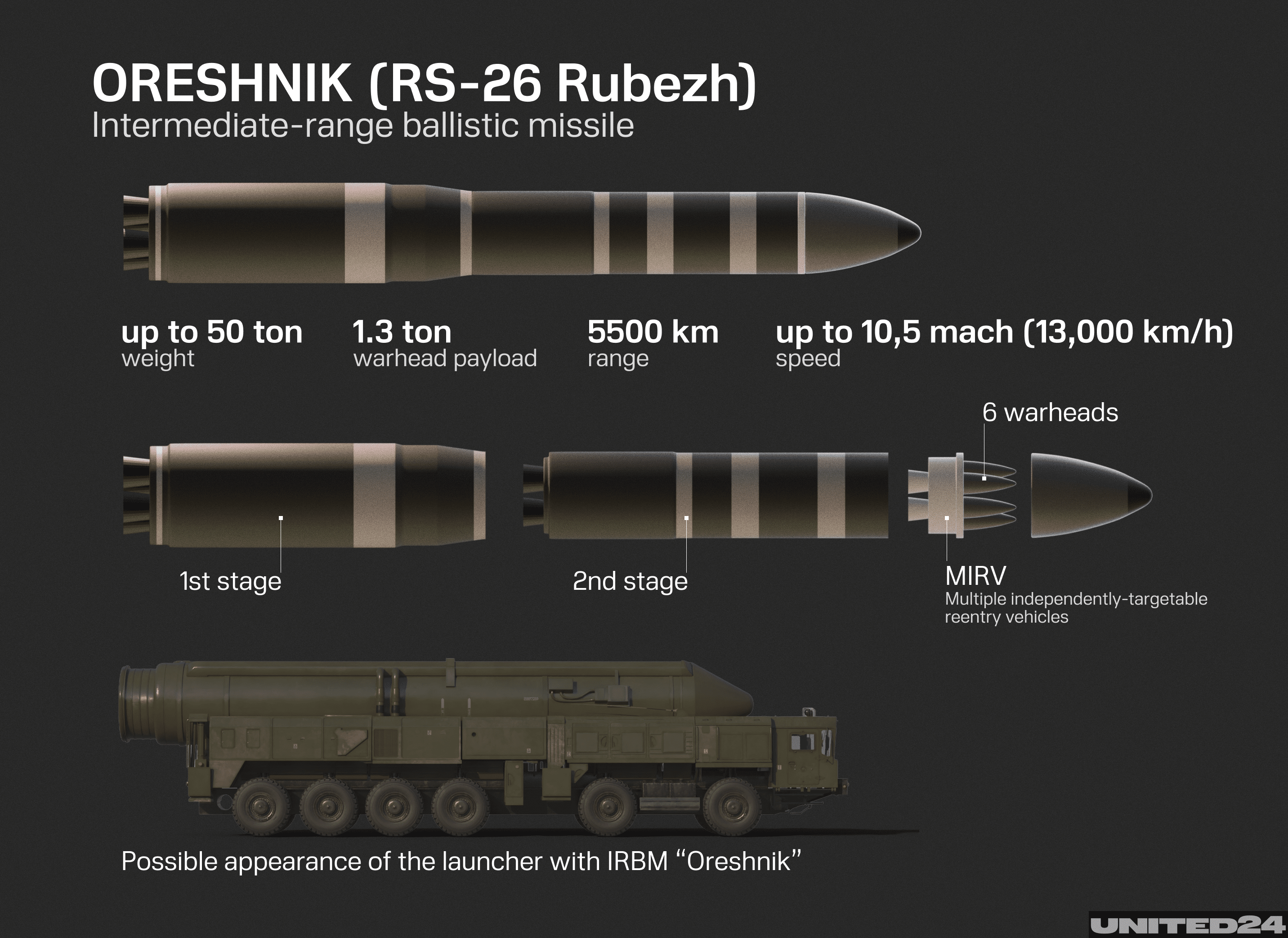
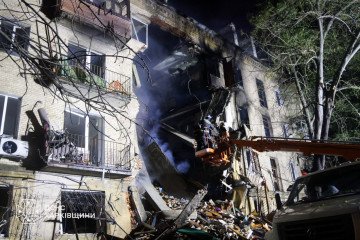
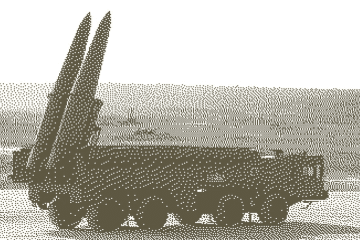
On January 9, Russia launched a nuclear-capable Oreshnik missile at Ukraine, near the Polish border, amidst a large attack of ballistic missiles and drones. This was done at the same time as Ukraine, the EU, and the USA were developing a peace proposal that all parties should find acceptable. Such escalatory attacks during or immediately after peace proposals and peace or cease-fire talks follow a long-lasting pattern.
This year, the US presented six peace proposals.
— UNITED24 Media (@United24media) December 9, 2025
Ukraine accepted all of them, while Russia rejected every one. pic.twitter.com/z90qm7kWRj
How Russia escalated after Peace initiatives (2022–2026)
There are many instances since Russia launched its full-scale invasion of Ukraine of large attacks while Ukraine, Europe, or the USA attempt to engage in diplomatic efforts to end the war. This list, though not exhaustive, is extensive and shows the pattern.
February 28, 2022: First Round of talks on the Ukraine-Belarus Border commenced, but Russia continued to attack Ukrainian cities.
March 2-3, 2022: Negotiations continued; however, Russia also continued bombing Ukrainian cities, including Kharkiv, and attacking Kherson in an attempt to occupy it.
Mar 9–10, 2022: Negotiations were held in Antalya, Türkiye, and during them, Russia attacked and destroyed a Mariupol hospital and shot at humanitarian corridors.
April 2022: Despite agreeing to more humanitarian corridors, Russia attacked civilians and military targets who were attempting to escape safely as per the agreement.
July 22-23, 2022: After an initial grain deal agreement, which would permit the flow of grain from Ukraine, Russia bombed a key Black Sea port in Odesa.
June 2023: African nations visit Kyiv, and later Moscow, to establish a peace process. Russia attacks while the delegation is in Kyiv.
July 2023: Russia pulls out of the grain deal to permit shipping from Ukraine, launching an attack on Ukrainian dock cities such as Odesa, and in turn establishing many African nations’ dependence on Russia for grain
February 2025: On February 17, Putin and Trump had a phone call in part to discuss finding an end to the invasion, followed by what was then one of the largest drone and missile attacks on Ukraine on February 23.
April 2025: After renewed efforts to secure a cease-fire or peace treaty, Russia increased attacks, with higher numbers of civilian casualties than in previous months.
May 2025: Russia launches a record number of drones at Ukraine after direct peace talks and prior to the Trump-Putin phone call.
June & July, 2025: While the US and Russia begin talks, Russia increases drone attacks on Ukraine, with both months seeing record amounts of aerial attacks on civilians.
August 21, 2025: After the Alaska summit, Russia launched a massive attack on Ukraine, including an attack on a US-owned electronics factory in Mukachevo, Zakarpattia region, the most south-western region of Ukraine.
November 19, 2025: While Zelenskyy was meeting with Turkish President Erdogan and US officials to restart peace talks, Russia launched a missile attack, hitting the western city of Ternopil.
January 9th, 2026: While US-EU-Ukraine mediations surrounding a peace proposal continue, Russia launched the nuclear-capable Oreshnik missile at the Lviv region, amid massive missile and drone attacks on Ukraine, particularly Kyiv.
January 24, 2026: During peace talks between Ukraine, Russia, and the USA in Abu Dhabi, Russia launches one of the largest ballistic missile attacks on Ukraine so far, targeting Kyiv and Kharkiv.
February 03, 2026: After Russia pledged to the United States not to strike energy infrastructure during negotiations, Russia launched a massive combined attack on Ukraine’s energy sector, leaving hundreds of thousands of Ukrainians without power or heat during extreme cold.
How Russia undermined peace efforts since 2014
This is not a new pattern since the full-scale invasion. We can identify the same pattern in the initial invasion of Ukraine in 2014.
March 2014: Then US President Barack Obama warned Russia not to annex Crimea and to return its troops to the bases in the region, and not to escalate in the east of Ukraine. Russian paramilitary leader Igor “Girkin” Strelkov attacked Donetsk and Luhansk on April 12th, with Russian forces and collaborators, attacking Sloviansk and elsewhere.
April 19, 2014: The Geneva Summit was held, and Ukraine, Russia, the US, and the EU agreed to a deal to prevent wider war, in which Russia was meant to withdraw forces and not escalate. Ukraine announces a cease-fire to the Anti-Terrorist Operation (ATO). Mutilated bodies of Ukrainian activists were found at the same time, and a newspaper office was burned by Russian and Russia-backed forces.
September 5, 2014: The Minsk Protocol was signed to establish a cease-fire. Russian and so-called “DNR” forces attempted to take the Donetsk airport, leading to the second battle of Donetsk airport.
February 2015: The second Minsk treaty was signed, again requiring a cease-fire and various measures from both Ukraine and Russia to secure peace in the east of Ukraine. Immediately following Minsk II, the so-called “DNR” leader Alexander Zakharchenko launched an attack after the ceasefire in Debaltseve, wanting to expand the area of the Russian-occupied territory.
July 2021–2022: After signing a comprehensive ceasefire the previous year, Russia increased attacks from its occupied regions, leading to an escalation in the conflict and movement of Russian forces being stationed near Ukraine’s border, and snipers and tanks being sent into combat in December 2021.
The pattern of Russia increasing its attacks during and immediately after cease-fires, peace talks, and peace proposals is a self-evident tactical approach. While Ukraine seeks diplomatic ends to the war, if possible, Russia has never shown restraint or respect for diplomacy, continuing to attack Ukraine, often mostly civilians, in many of the listed instances.
Discuss this article:


-111f0e5095e02c02446ffed57bfb0ab1.jpeg "Photo of Roman Kohanets")
-72b63a4e0c8c475ad81fe3eed3f63729.jpeg "Photo of Cyril Barabaltchouk")