- Category
- World
How Denmark Found the Fastest Way to Arm Ukraine: The Danish Model
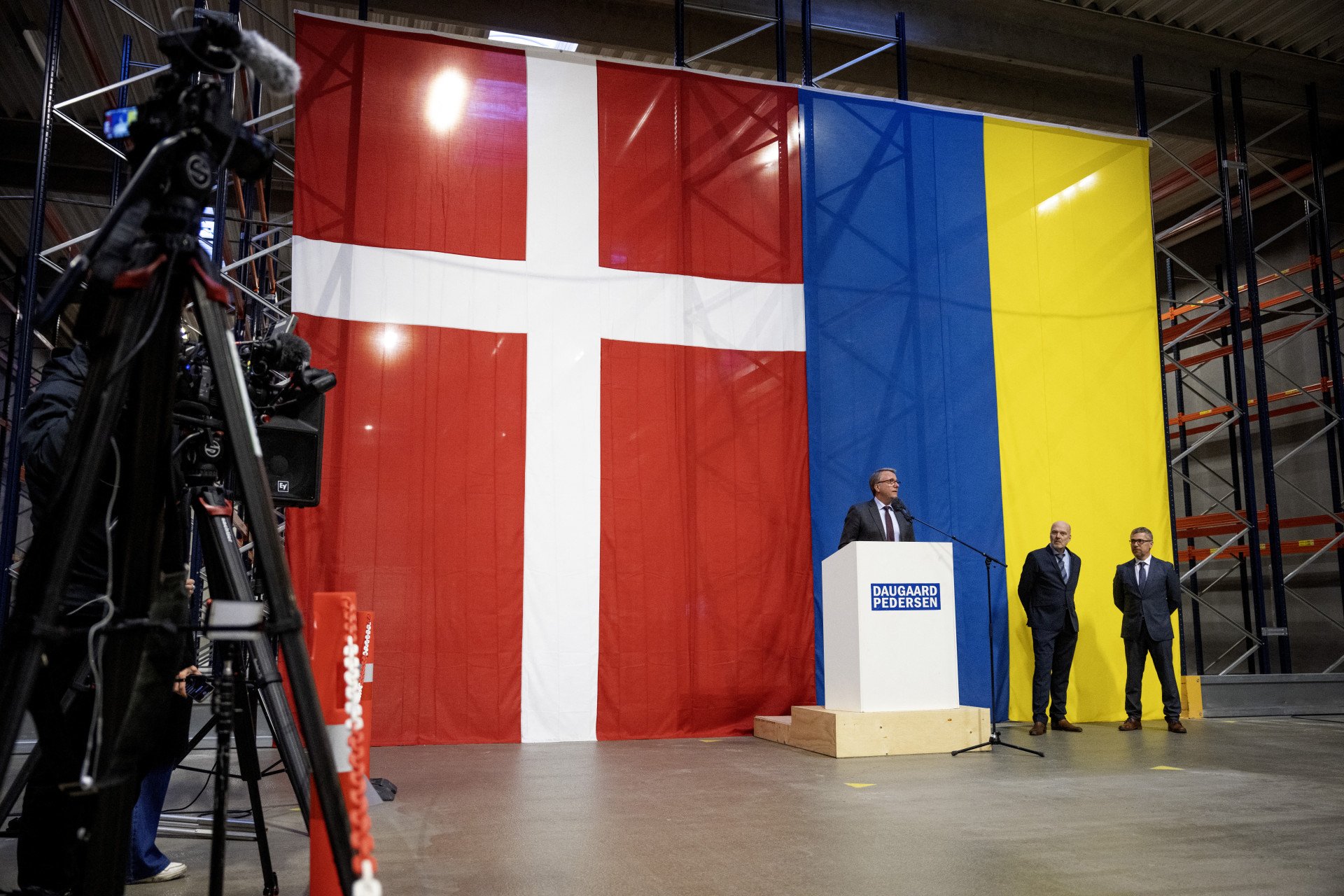
Drones, mortars, EW systems, and ammunition are reaching Ukrainian troops faster thanks to an innovative financing mechanism pioneered by Denmark. The “Danish model” has evolved from a niche experiment into one of the most important pillars of Ukraine’s wartime defense strategy.
 Prefer U24 Media on Google
- Authors

-29a1a43aba23f9bb779a1ac8b98d2121.jpeg "Photo of Illia Kabachynskyi")
By the end of 2025, Denmark had helped finance and attract more than $2 billion in funding for Ukrainian arms manufacturers. By the fall, Ukraine had already received more than $1.4 billion in aid, and at the end of the year, Ukraine’s Defense Ministry announced an additional tranche of more than 500 million euros ($582 million).
Overall, aid in 2025 increased at least fourfold: in 2024, this format of support totaled 538 million euros ($626 million).
We bring you stories from the ground. Your support keeps our team in the field.
The Danish model, which began with the first tens of millions of euros in orders for Ukrainian defense industry products, has evolved into a permanent support project that sustains local manufacturers and helps ensure a steady flow of weapons to the Ukrainian front. How does it work?
What is the Danish Model for Ukraine?
The Danish model of cooperation is a framework for direct support to Ukraine’s defense industry. It operates through a streamlined process:
Ukraine identifies the weapons and equipment that its domestic manufacturers are capable of producing.
These procurement requirements are submitted to the Danish government.
A dedicated team evaluates the requests and assesses which companies can fulfill them.
Denmark then provides direct financing to selected Ukrainian manufacturers to accelerate production and delivery to the front.
In other words, Copenhagen buys weapons from Ukrainian manufacturers and immediately transfers them to the front for Ukrainian troops.

Why was the Danish Model created?
This cooperation was driven by necessity: European countries had already provided a significant share of aid from their own arsenals, while their enterprises needed time to scale up. Ukraine, meanwhile, needed weapons that local manufacturers could produce in significant volumes if they had the financing. Ukraine cannot meet all its needs through its own budget alone: to put the scale into perspective, production capacity for 2026 ranges from $35 billion to more than $55 billion.
Funding from other governments—an approach launched by Copenhagen—makes it possible to place long-term orders, obtain working capital, and consistently deliver finished products to the Ukrainian Armed Forces. This is one of the challenges facing local manufacturers: access to financing that ensures continuity. If a company has orders on a regular basis, it can maintain a predictable pace of production and, accordingly, predictable volumes of weapons deliveries to the front.
As part of the partnership, Denmark has already supported Ukrainian manufacturers of strike and reconnaissance UAVs, electronic warfare systems, mortars, small arms, and protective equipment. The regularity of contracts has enabled local manufacturers to scale up and learn how to work with consistently large delivery volumes.
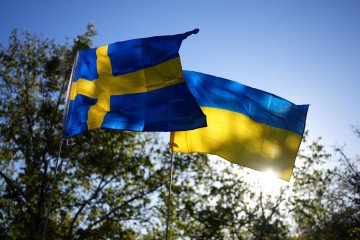
Denmark has also begun aggregating and processing funds from partner countries participating in this model, including Sweden, Norway, and the Netherlands, as well as working with frozen Russian assets.
How is the Danish Model integrating Ukraine into Europe’s defense industry?
Ukraine’s defense sector has long been part of the European security system, not something separate from it. And this applies to every link in the chain.
First, with orders in hand, manufacturers develop not only themselves but the market as a whole: they order components from contractors and purchase the equipment needed to scale up. This is about building a supply chain that also includes European manufacturers with their own unique technologies. It is not a closed system, but an open ecosystem in which, within a market economy—the very model Ukraine’s Ministry of Defense is building—better products are created at better prices.
Second, there is the exchange of knowledge and technology. Ukraine’s European partners gain access to data generated by the Ukrainian military, including through systems financed by them. The Ukrainian side is ready to share data and performance results with partners so they can obtain real datasets from one of the most intense wars since World War II.
Third, this creates the basis for further cooperation through joint production. Ukraine is ready to develop joint enterprises in partner countries and with friendly companies through joint ventures and Build with Ukraine programs. This is already happening in Germany: Quantum Systems and Ukraine’s Frontline have jointly launched Quantum Frontline Industries and are producing drones for Ukraine. Memorandums for about a dozen similar joint ventures have already been signed and will be launched soon.
Ultimately, as of today, the Danish model is one of the most effective ways to support Ukraine in its fight against the Russian aggression. Understanding its needs, Kyiv can quickly contract its own manufacturers, set the right direction for development, and scale up strike capabilities. The best example is the use of mid-range drones—Middle Strike—which disrupts Russian logistics at an operational depth of up to 200 kilometers. With access to funding, Ukraine’s Defense Ministry can quickly contract manufacturers and, by using a tactical advantage, prevent Russia from adapting. The funds allocated by partners accelerate the scaling of Ukraine’s strongest strategies and enable Ukraine to force Russia to sit down at the negotiating table more quickly.
Discuss this article:

-c439b7bd9030ecf9d5a4287dc361ba31.jpg "Photo of Katherina Popilnichenko")