- Category
- Latest news
Ukraine Launches Plan for 300-Satellite UASAT Network, Production Begins in Denmark
 Prefer U24 Media on Google
- Authors



Ukraine’s planned UASAT LEO satellite constellation will initially be manufactured in Denmark by the space technology company GomSpace, with production expected to gradually shift to Ukraine in later stages of the program.
We bring you stories from the ground. Your support keeps our team in the field.
According to Militarnyi on March 16, Ukrainian technology company Stetman is working with the Danish manufacturer to produce communications satellites that will form part of the country’s planned UASAT LEO satellite network.
Stetman CEO Dmytro Stetsenko said the two sides are currently preparing to establish a joint venture that will operate in Ukraine.
“For satellite production, large facilities are not required. It is roughly 1200–1300 square meters of space,” Stetsenko said in the interview.
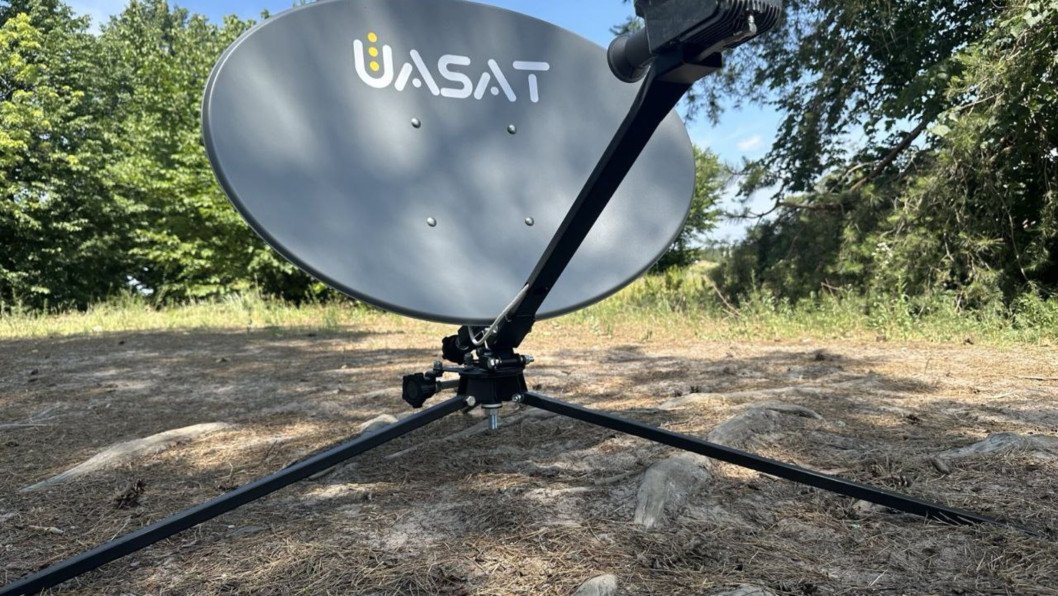
At the initial stage, Ukraine plans to purchase ready-made satellites produced in Denmark. After manufacturing, the spacecraft will be delivered to launch sites for deployment into orbit.
The project’s developers say that once security conditions allow, Ukraine will begin assembling the satellites domestically using imported technologies. The longer-term plan is to localize most of the production process in Ukraine, with the exception of semiconductor chip manufacturing.
The UASAT LEO project is designed as a large constellation of low-Earth-orbit communications satellites. According to Militarnyi, the planned network will include approximately 300 spacecraft. The first satellite is expected to launch in October using a SpaceX rocket.
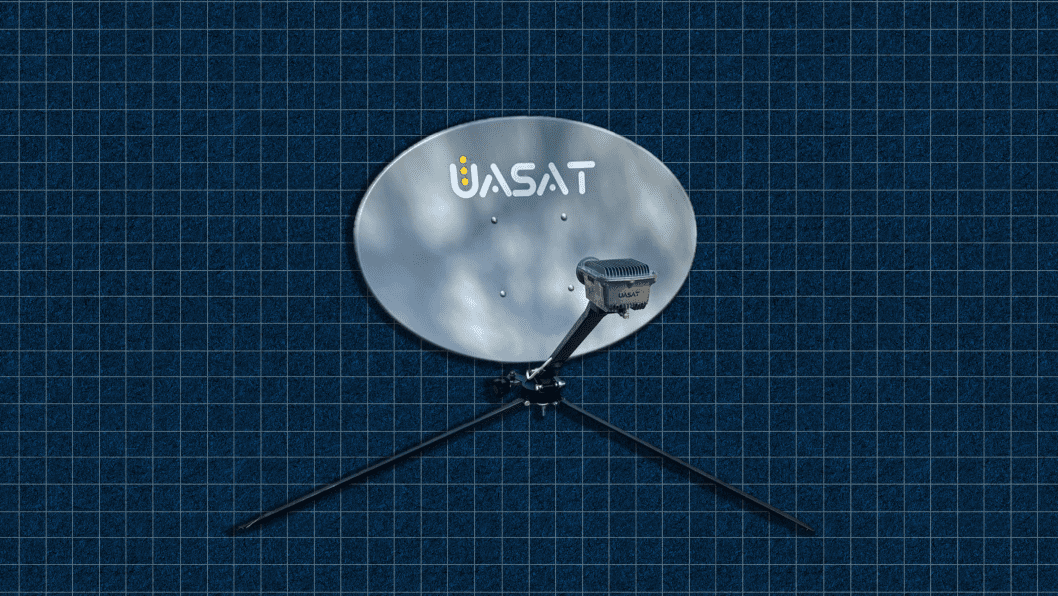
Developers plan to deploy about 120 satellites in orbit by 2027, followed by annual launches of roughly 100 additional spacecraft in subsequent years.
The UASAT LEO network is being developed as a protected communications infrastructure intended primarily for government institutions, security services, and the military rather than a commercial satellite internet system.
The satellites will operate in low Earth orbit at an altitude of around 800 kilometers and are designed to support a distributed communications network capable of maintaining connectivity even in environments affected by electronic warfare or disrupted infrastructure.
Discuss this article:
-4a56a6b482ec132402c16ef6fcabf9a2.png)


-111f0e5095e02c02446ffed57bfb0ab1.jpeg "Photo of Roman Kohanets")



-72b63a4e0c8c475ad81fe3eed3f63729.jpeg "Photo of Cyril Barabaltchouk")