- Category
- War in Ukraine
“Not One Russian Ballistic Missile Was Intercepted Over Kyiv”: Ukrainian Officials Renew Air Defense Plea
 Prefer U24 Media on Google
- Authors


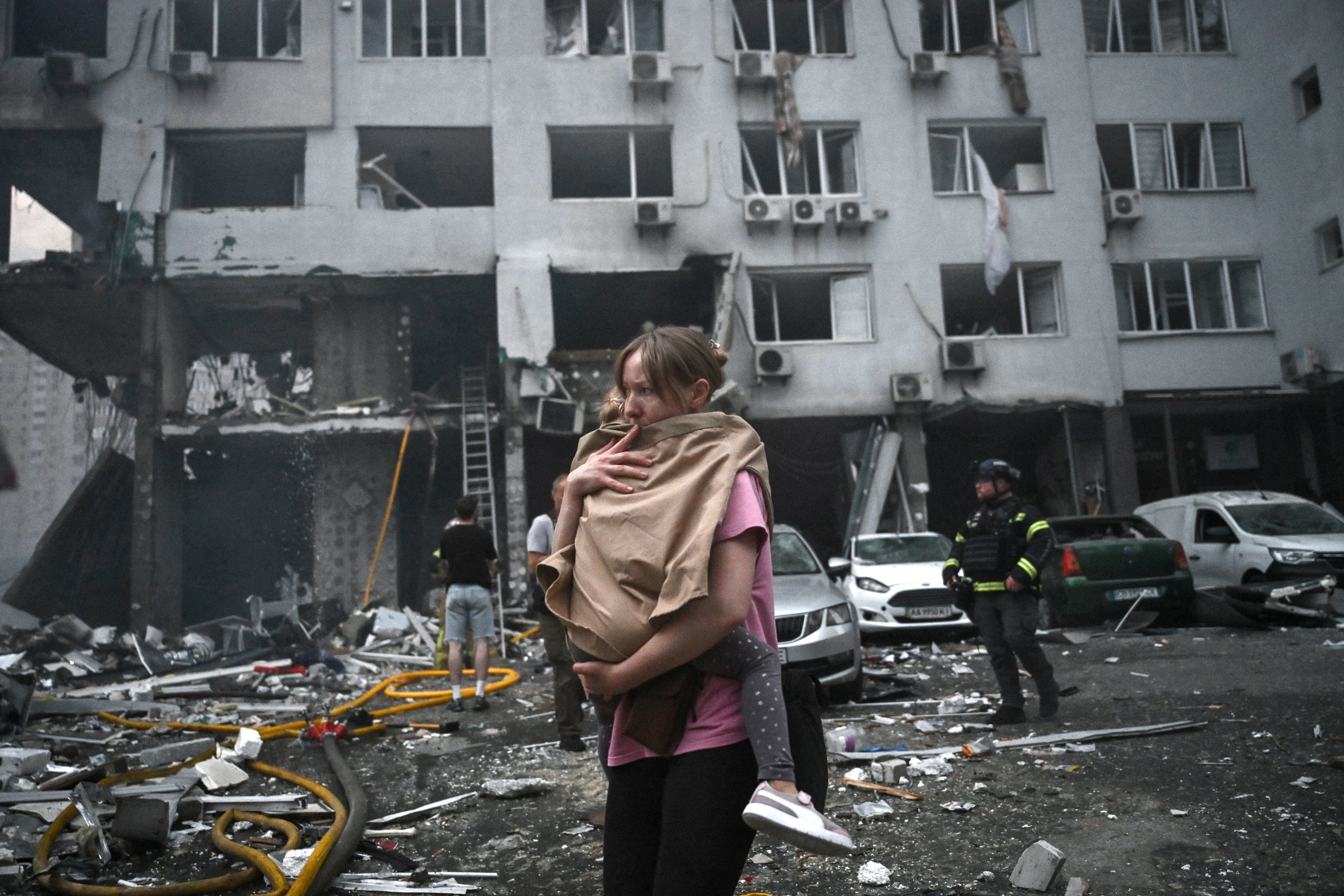
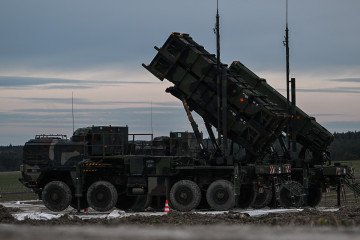
President Volodymyr Zelenskyy has called on Ukraine’s allies to approve additional Patriot interceptor missile deliveries at this week’s NATO summit in Ankara after Russia’s latest large-scale missile and drone attack, during which Ukrainian air defenses failed to intercept any of the ballistic missiles launched at Kyiv.
We bring you stories from the ground. Your support keeps our team in the field.
In statements published on July 6, Zelenskyy said Ukraine’s air defense forces had successfully destroyed cruise missiles and drones but lacked sufficient interceptor missiles to counter Russia’s ballistic weapons.
Ukrainian Air Force spokesperson Yurii Ihnat separately confirmed that the shortage of Patriot missiles was the primary reason no ballistic missiles were intercepted during the overnight attack.
“Our warriors showed good results today in intercepting drones and cruise missiles, but unfortunately not Russian ballistic missiles. And the reason is precisely the insufficient supply of interceptor missiles,” Zelenskyy wrote.
The Ukrainian President urged NATO members, particularly the United States, to leave the alliance’s summit in Ankara “with strong decisions” on strengthening Ukraine’s air defense.
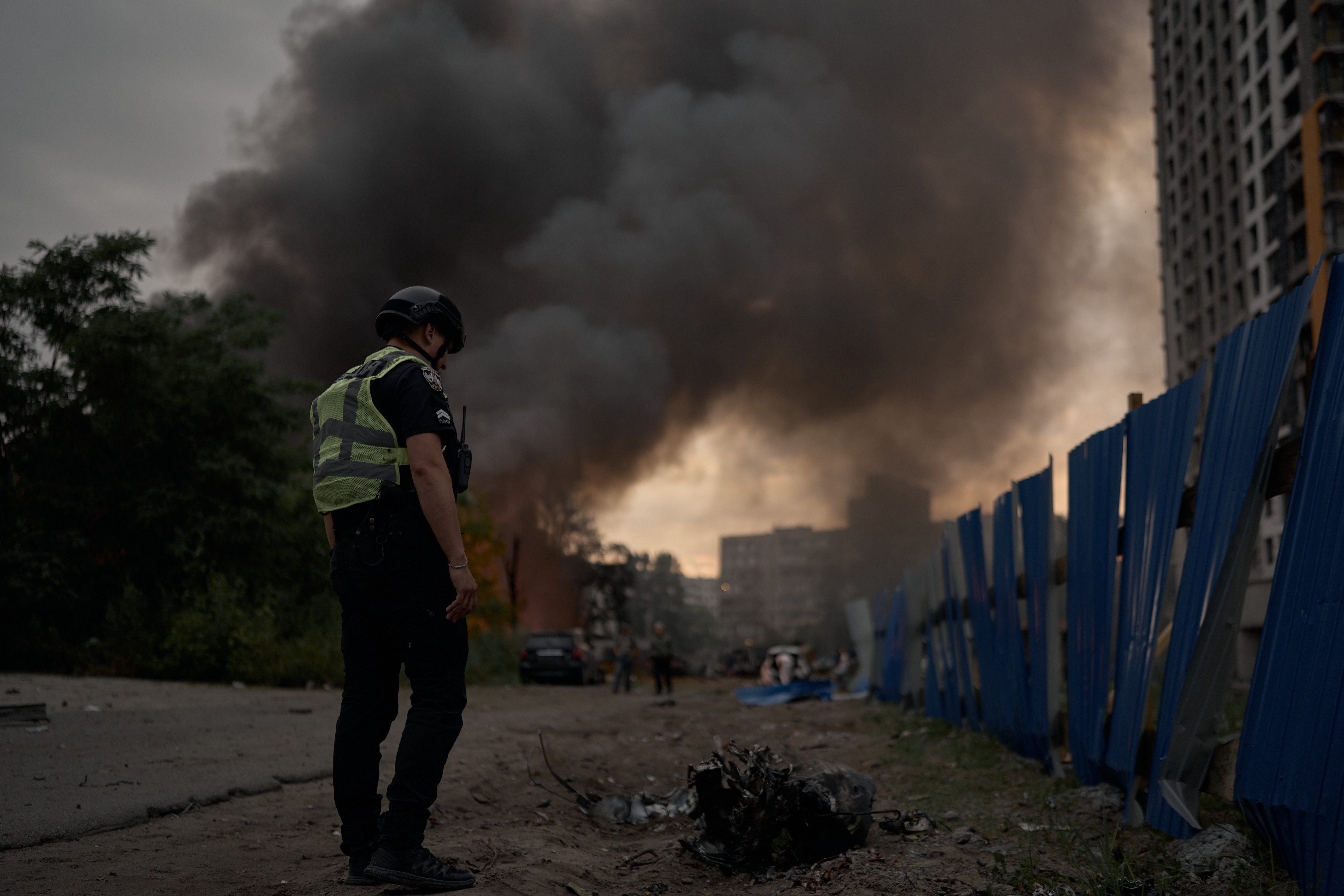
“As long as missiles for the Patriots remain in allies' warehouses, this only encourages Russia to continue 'defeating' residential buildings. The United States and Europe have enough strength to stop this terror,” he added.
Foreign Minister Andrii Sybiha echoed the appeal ahead of the summit, describing additional air defense support as Ukraine’s top priority.
“The strongest outcome of the Ankara summit is increasing Ukraine’s ability to protect our children from Russian ballistic terror,” Sybiha wrote. “Protect Ukrainian children from Russian ballistic terror! No task is more urgent. This is our main message for the NATO summit this week.”
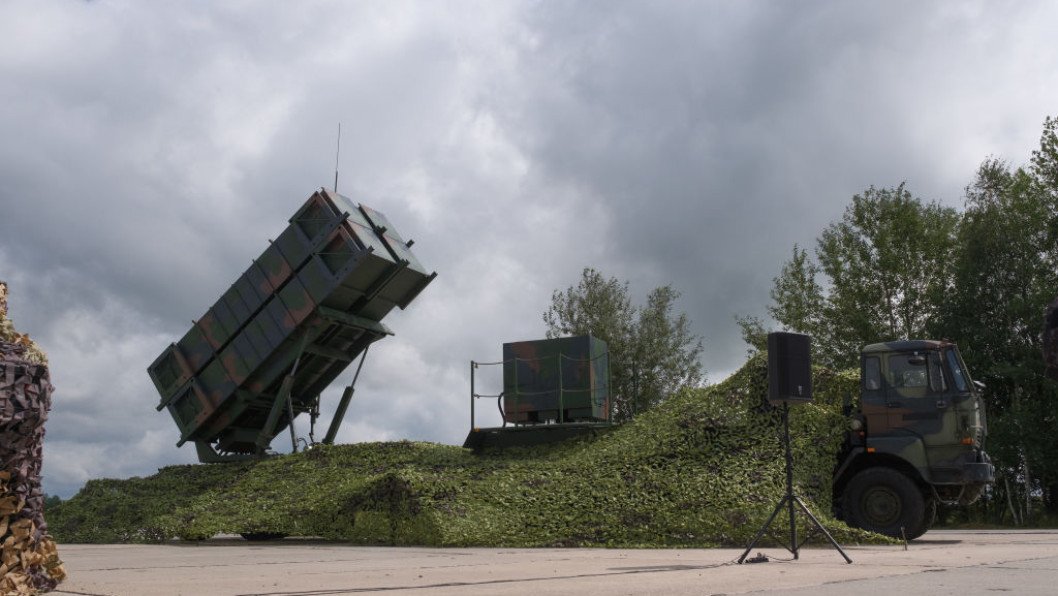
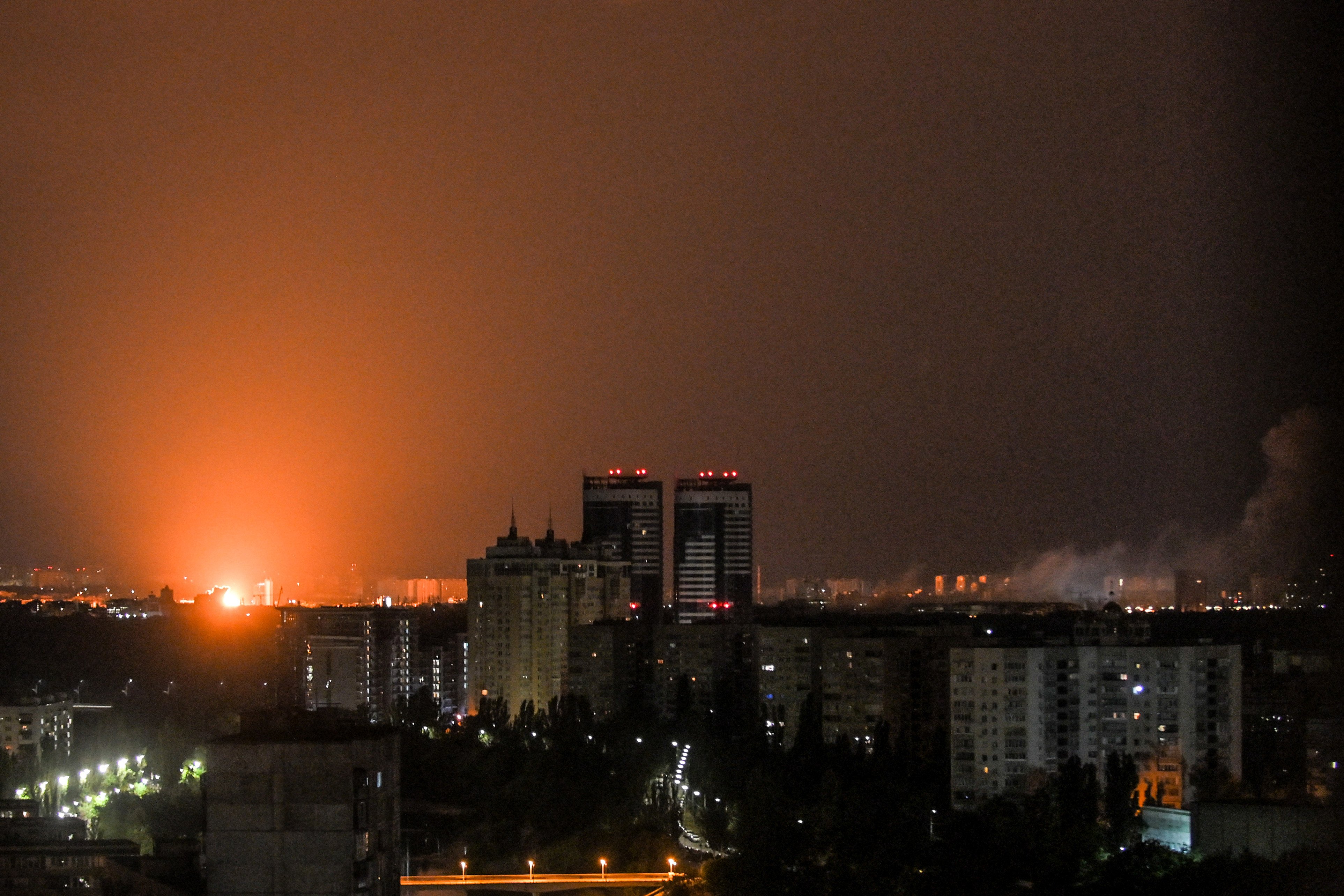
According to the Ukrainian Air Force, Russia launched 419 aerial weapons overnight, including 68 missiles and 351 drones. The missile salvo consisted of 23 Iskander-M ballistic missiles, six Zircon anti-ship missiles, 33 Kh-101 cruise missiles, and six Kalibr cruise missiles, alongside Shahed attack drones and decoy UAVs.
Ukrainian air defenses intercepted 37 missiles—including all six Kalibr missiles and 31 Kh-101 cruise missiles—and 326 drones. However, no ballistic missiles were shot down. Ukrainian authorities reported impacts from 29 ballistic missiles and 18 attack drones across 34 locations.
Speaking on Ukrainian television, Air Force spokesperson Yurii Ihnat said Russia is increasingly relying on ballistic missiles because Ukraine faces a shortage of Patriot interceptor missiles.
“There is a serious shortage in Ukraine, and there is also a serious global shortage of interceptor missiles,” Ihnat said.
Ihnat also warned that Russia could launch another large-scale missile strike within days, or even sooner. He said major missile attacks have recently become more frequent and that while such barrages typically occur about every 10 days, Russia could shorten that interval and “launch strikes even the next day.”
He added that Ukraine’s interception rate against cruise missiles during the attack was close to 100%, while ballistic missiles remain significantly more difficult to counter because they require systems such as the US-made Patriot equipped with PAC-2 and PAC-3 interceptor missiles.
Earlier, Ukraine’s Defense Minister Mykhailo Fedorov said he had sent official requests to nearly 40 partner countries seeking the immediate transfer of Patriot interceptor missiles from existing stockpiles in exchange for future deliveries under long-term contracts, as Kyiv seeks to address a critical shortage of air defense ammunition.
Discuss this article:
-9a7b3a98ed5c506e0b77a6663f5727c5.png)

-c439b7bd9030ecf9d5a4287dc361ba31.jpg "Photo of Katherina Popilnichenko")
-111f0e5095e02c02446ffed57bfb0ab1.jpeg "Photo of Roman Kohanets")
-72b63a4e0c8c475ad81fe3eed3f63729.jpeg "Photo of Cyril Barabaltchouk")