- Category
- War in Ukraine
Russia Kills Civilians in Massive Kyiv Missile Barrage as Putin Fails to Halt Ukraine’s Military Successes
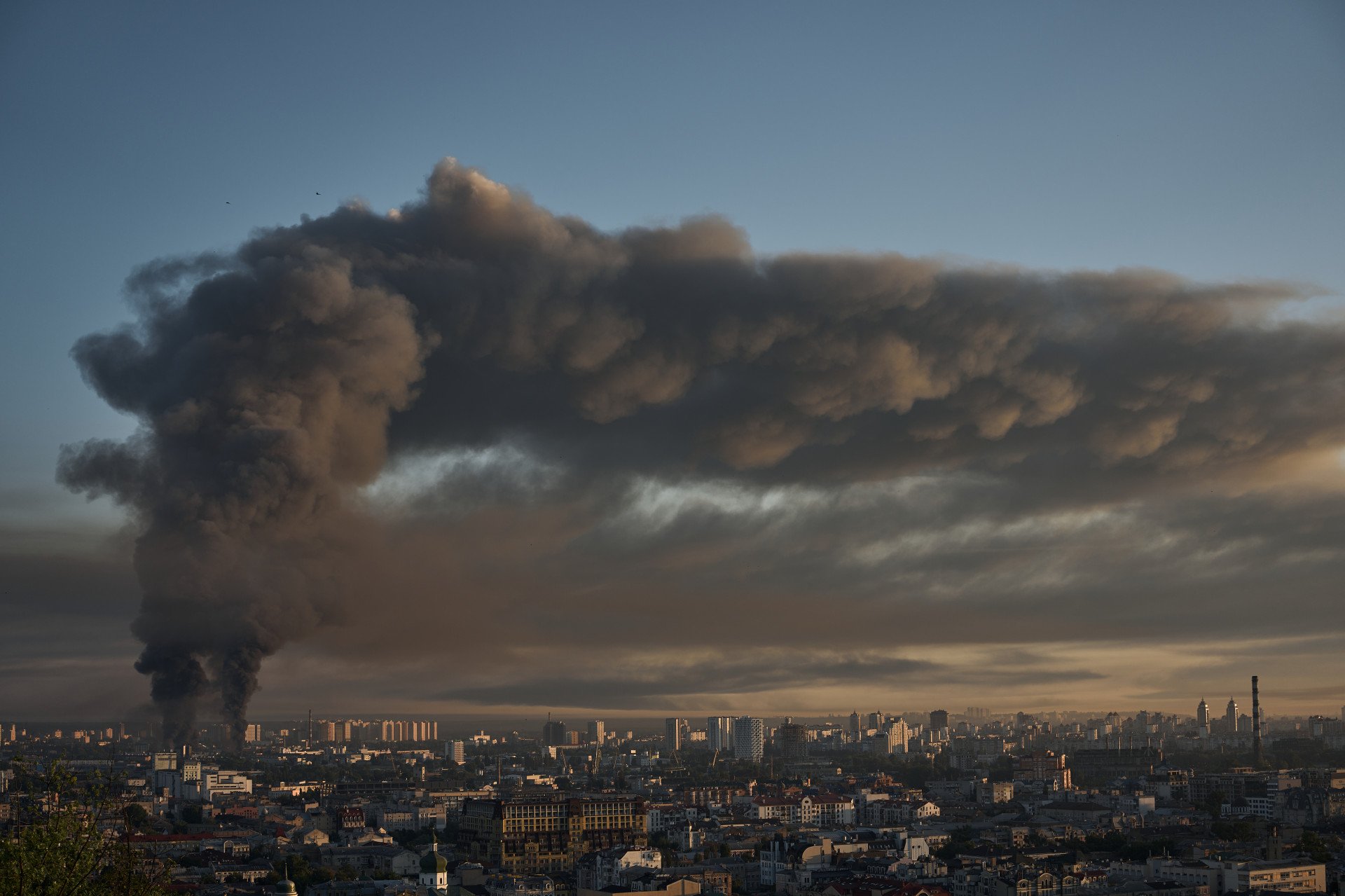
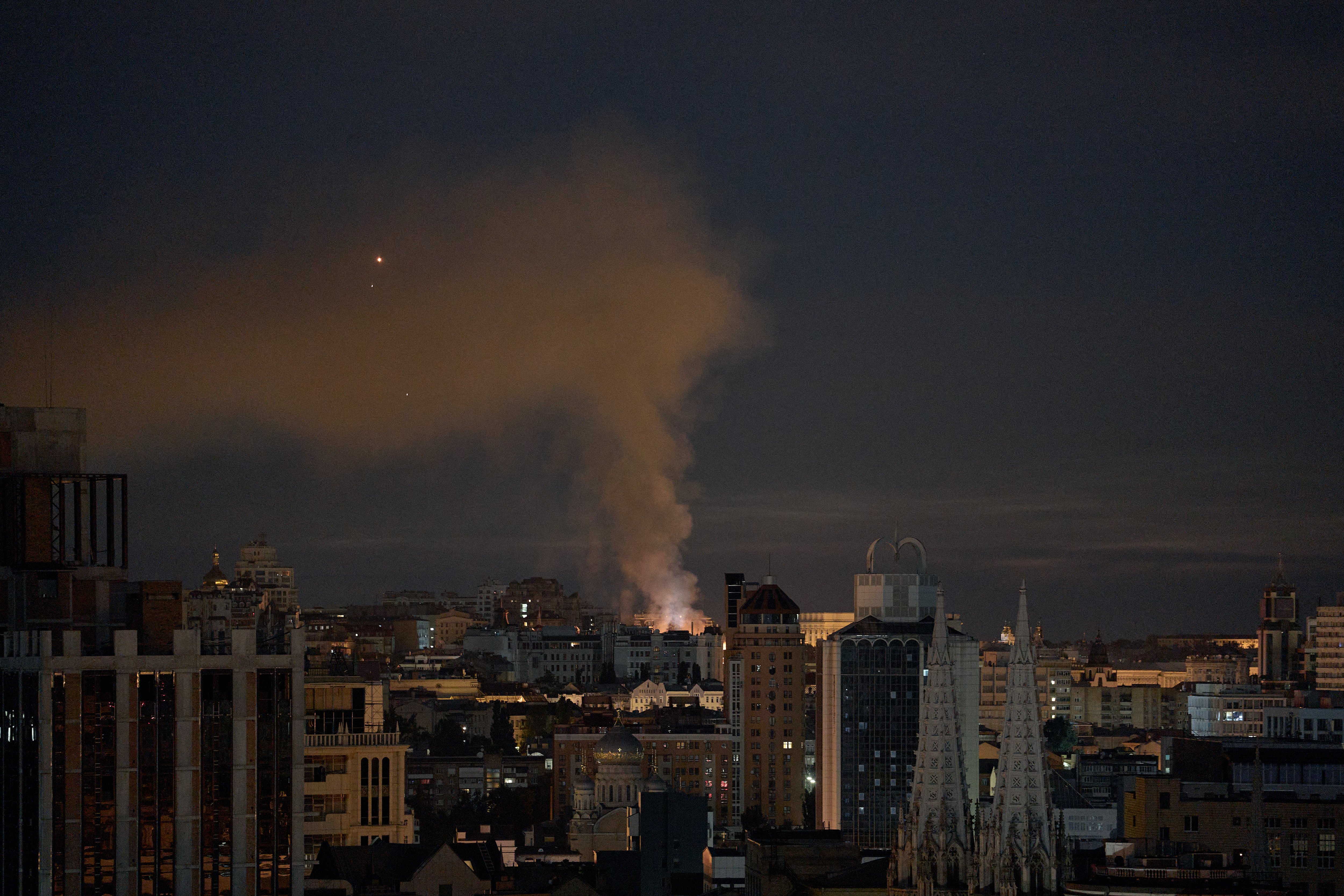
Russian ballistic missiles tore through sleeping Kyiv once again, hitting five districts and leaving destruction across 28 locations. The latest attack underscores a pattern: when Putin cannot stop Ukraine’s military successes, he tries to make up for those failures in the eyes of his own people by launching missile strikes on civilians.
 Prefer U24 Media on Google
- Authors

-29a1a43aba23f9bb779a1ac8b98d2121.jpeg "Photo of Illia Kabachynskyi")
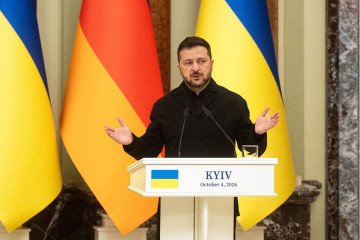
During the night of July 2, Kyiv came under a massive Russian attack. Ukrainians had been warned a day earlier about the possibility of a large-scale strike, and President Volodymyr Zelenskyy announced that he was urgently returning to the capital from an overseas trip.
In recent months, Ukrainian intelligence has increasingly obtained advance information about Russia’s plans for missile and drone attacks, allowing both air defense forces and civilians to prepare.
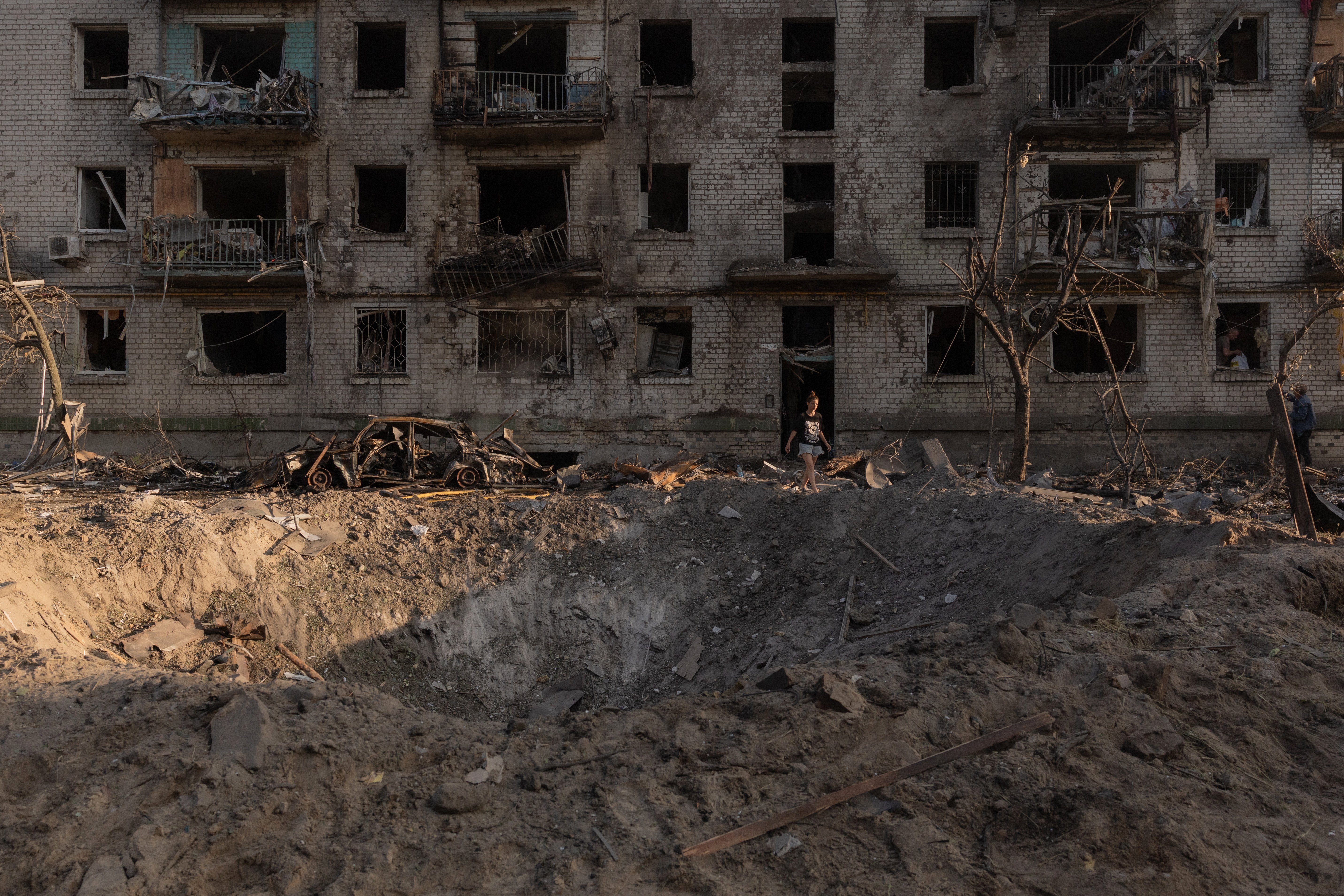
Russia’s July 2 attack on Kyiv in numbers
As in previous large-scale assaults, the attack was combined, involving hundreds of Shahed drones of various types, including jet-powered variants, Kh-101 and Kalibr cruise missiles, Zircon hypersonic missiles, and ballistic missiles. In total, Russia launched 570 aerial attack weapons.
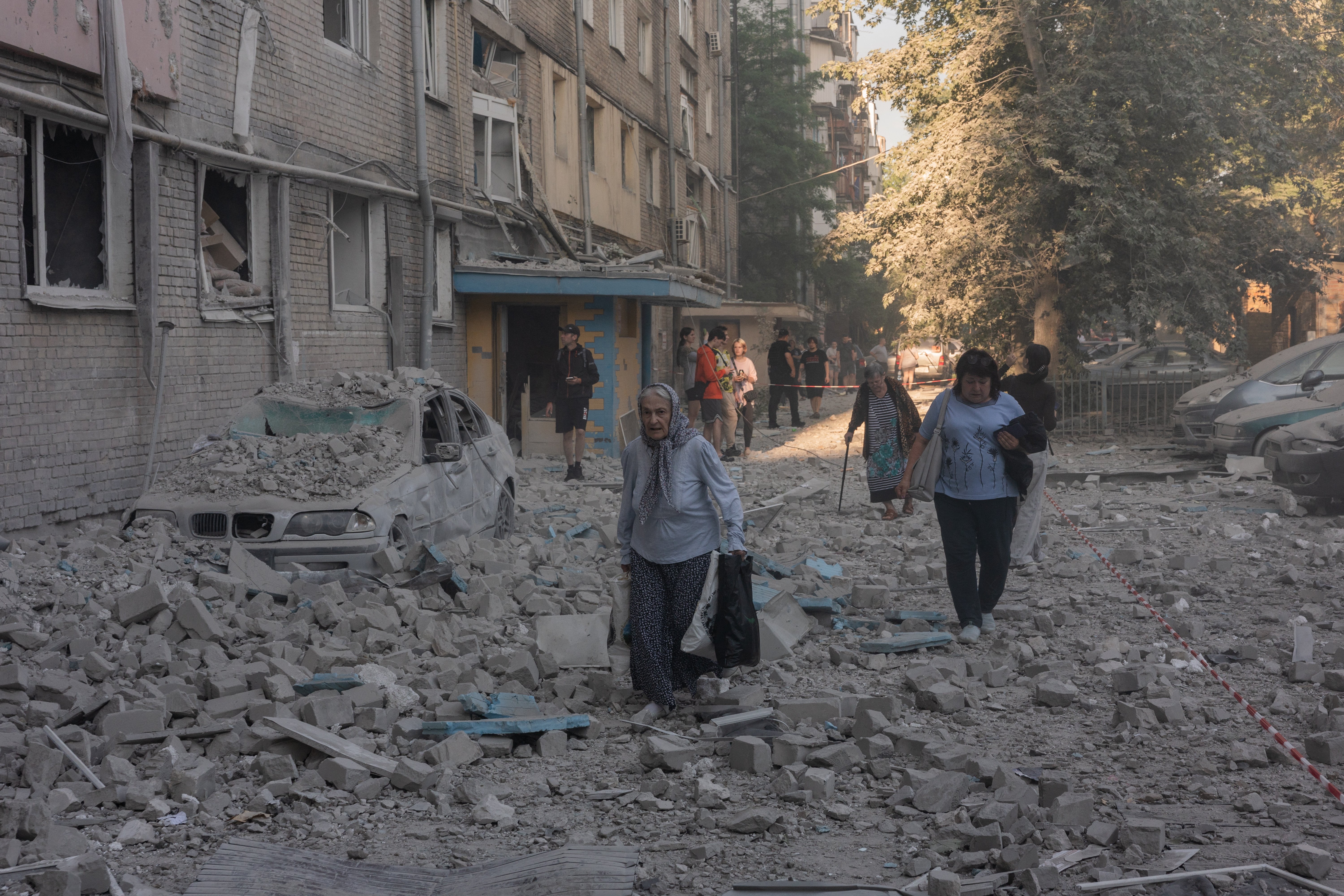
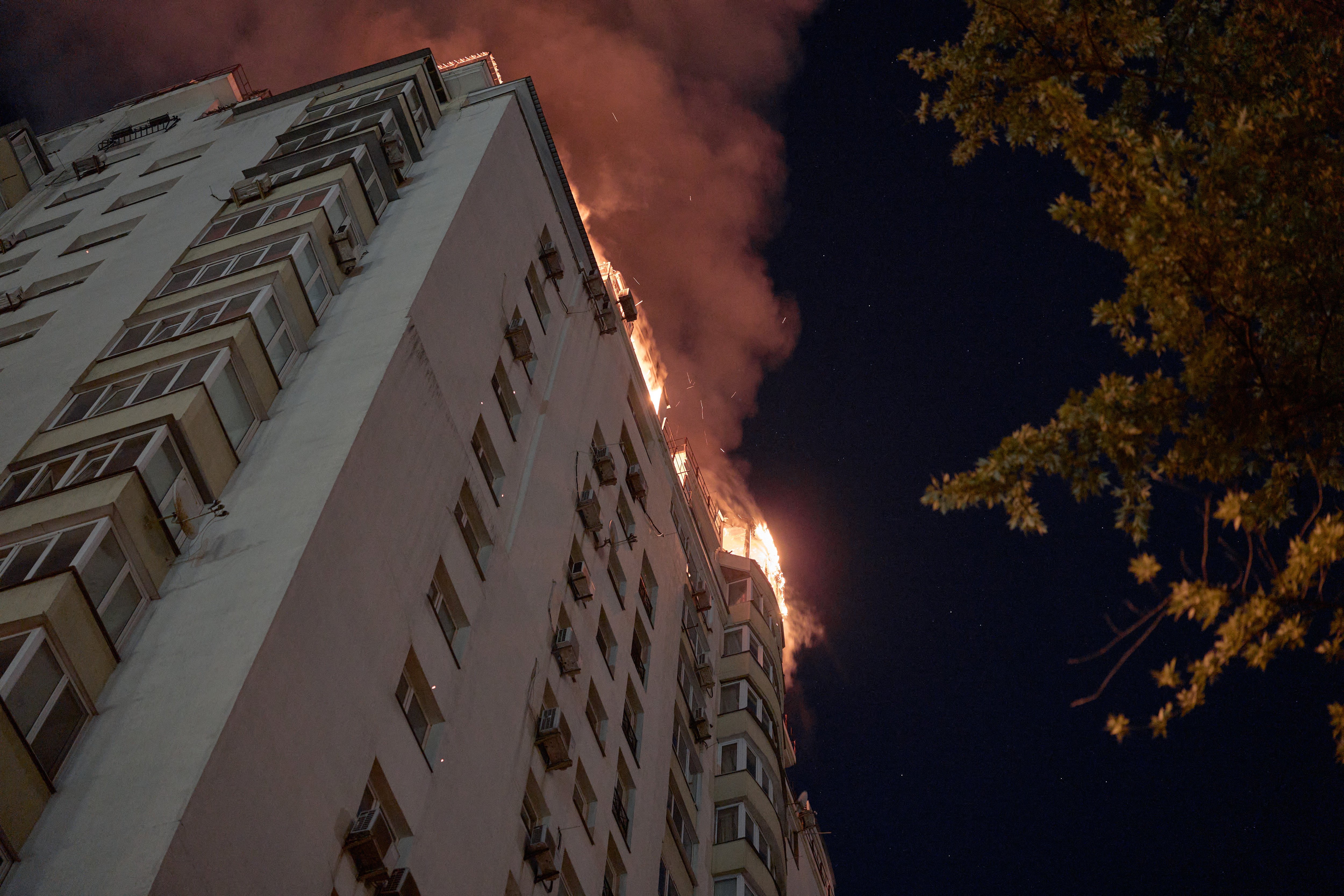
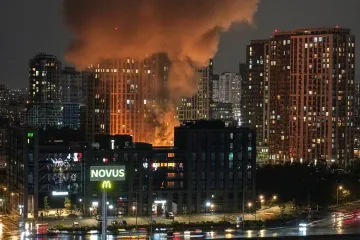
The strikes damaged dozens of residential buildings across several districts of the capital, as well as a hotel, a medical facility, and private homes.
-f8955eef40d7f05de862bfe01455007e.jpg)
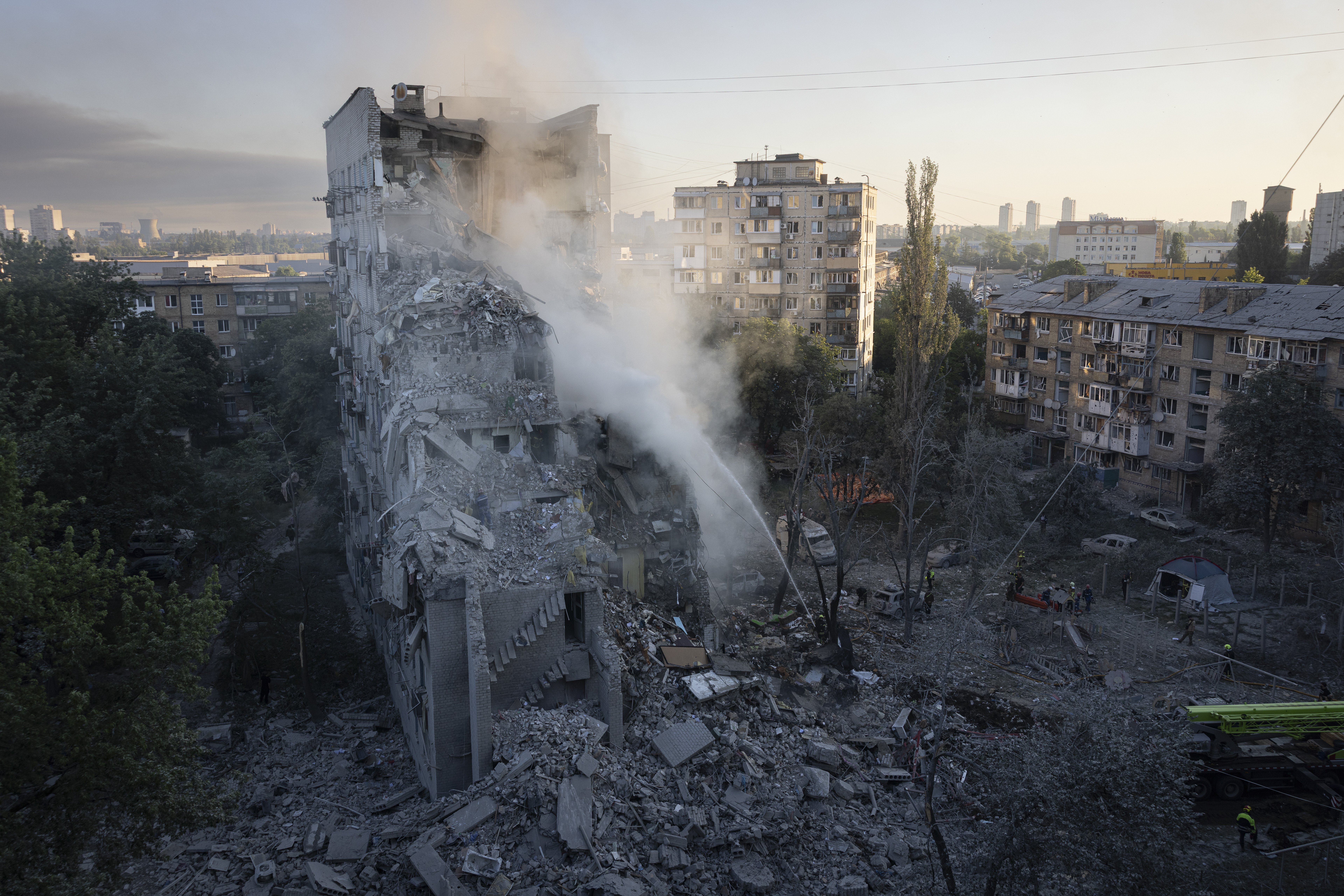
One ballistic missile destroyed part of a six-story apartment building, and at the time of writing, rescuers were still searching for people trapped beneath the rubble. Warehouses belonging to private companies were also damaged.
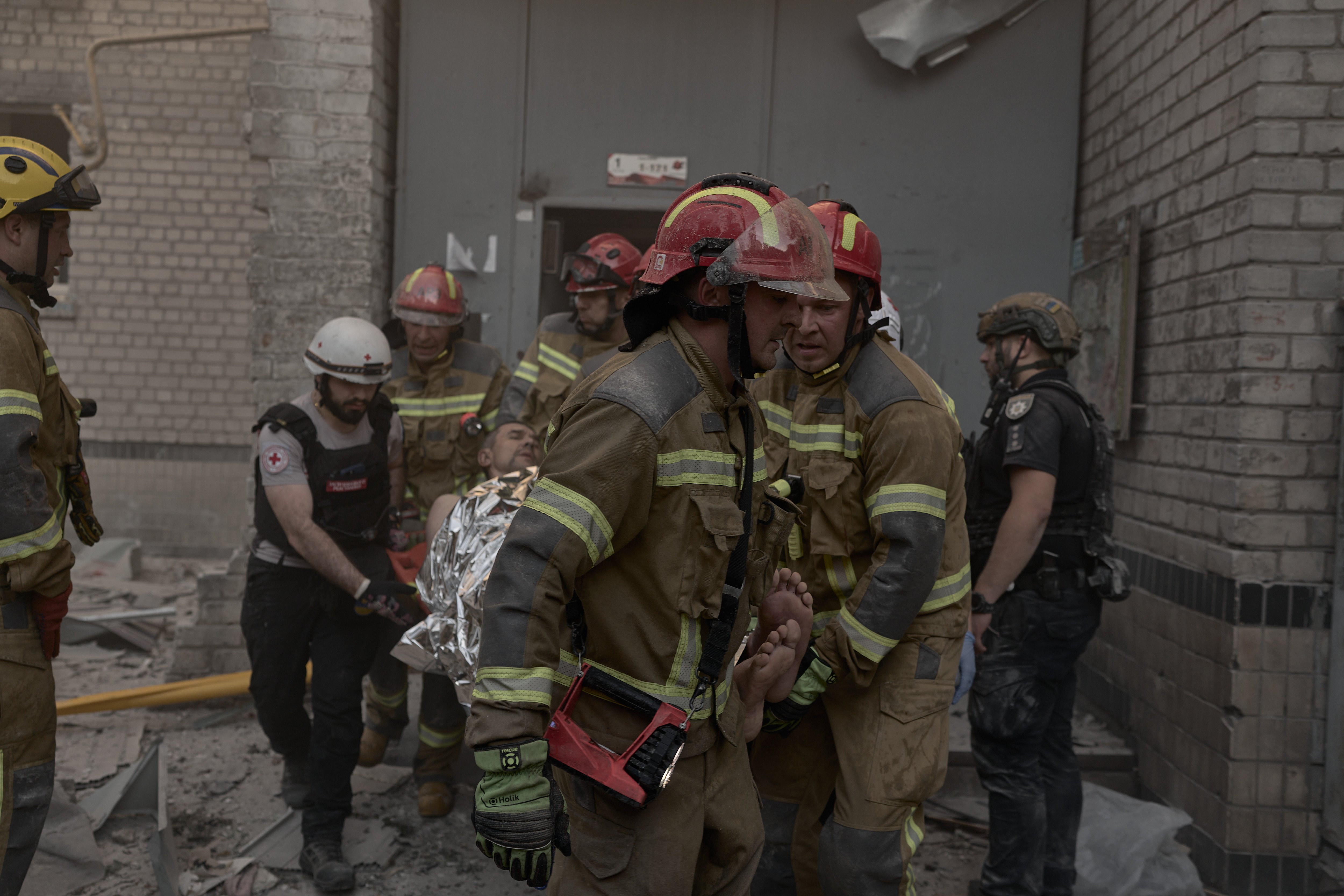
At least 13 people have been confirmed killed, including children, while more than 50 others were injured. It was one of the deadliest attacks on Kyiv in a long time, both in terms of casualties and the scale of destruction.
Putin’s military failures
The Kremlin is no longer trying to hide it: the missile and drone attacks on Kyiv, which are now occurring roughly every two weeks, are presented as retaliation for Ukraine’s successes on the battlefield. Following successful Ukrainian operations in southern Ukraine and strikes against military targets deep inside Russia, senior Russian officials have openly stated that they would respond. Their chosen response has been the killing of Ukrainian civilians. This pattern is reflected throughout Putin’s actions and those of the Russian military.

In frontline regions alone, the Russian army has already destroyed 55 Ukrainian gas stations—all of them civilian facilities staffed by civilian personnel. Ukrainian officials say these attacks are intended as retaliation for the fuel shortages affecting occupied Crimea and dozens of regions across Russia. It is important to note that Ukrainian drones have not targeted Russian gas stations. Throughout Ukraine’s campaign against Russian logistics, no strikes have been carried out against such facilities, partly because of the presence of civilians. Ukraine continues to operate within the framework of the Geneva Conventions.
Kremlin targeting civilians
Following successful large-scale strikes against Moscow, where targets included oil refineries, military facilities, and defense production sites, Putin has responded by ordering attacks on Ukraine’s residential neighborhoods and civilian infrastructure. During the overnight attack on July 2, a medical facility was hit, leaving five medical workers in critical condition.
One of the strikes in Kyiv landed near a metro station—a location that serves as a civilian bomb shelter. In other words, Russian drones and missiles are striking areas where civilians are seeking refuge.
Another ballistic missile destroyed the entrance section of an apartment building in one of Kyiv’s most densely populated residential districts on the city’s Left Bank, an area commonly referred to as a “sleeping district” because of its large civilian population.
Disrupting Russia’s war effort
For the third consecutive month, Ukraine has successfully carried out what it describes as a logistics lockdown campaign, disrupting Russian supply lines. Crimea has become nearly isolated, with land routes either cut off or brought under the effective control of Ukrainian drones. Over the past 10 days alone, Ukraine has struck four key defense-industrial facilities and carried out attacks on numerous oil refineries located between 500 kilometers and nearly 2,000 kilometers inside Russian territory, bypassing Russian air defenses. For the second consecutive month, Russian forces have made virtually no significant gains on the front line.
Unable to mount an effective military response, Russia has instead escalated its campaign of terror against Ukraine’s civilian population.
Patriot missiles and long-range military aid
The only effective answer is greater international support for Ukraine. Ukrainian air defenses intercepted or electronically suppressed 476 of the 496 drones launched by Russia and destroyed 48 of the 74 missiles fired during the attack.
Ballistic missiles remain the most difficult threat to intercept because Ukraine lacks sufficient interceptor missiles for its Patriot air defense systems. Additional support in this area would significantly improve Ukraine’s ability to defend itself against Russian aerial attacks.
At the same time, Ukraine also needs additional capabilities to strike military-industrial targets inside Russia, including factories and enterprises that manufacture these missiles. This is why Ukraine is seeking €6.6 billion ($7.5 billion) from the European Union’s peace fund for military assistance. Such support would further strengthen Ukraine’s ability to defend itself.
Discuss this article:
-9a7b3a98ed5c506e0b77a6663f5727c5.png)

-c439b7bd9030ecf9d5a4287dc361ba31.jpg "Photo of Katherina Popilnichenko")

-72b63a4e0c8c475ad81fe3eed3f63729.jpeg "Photo of Cyril Barabaltchouk")