- Category
- War in Ukraine
An Astronaut Saw a Russian Missile Head for Ukraine From Space. Then She Went Where It Landed
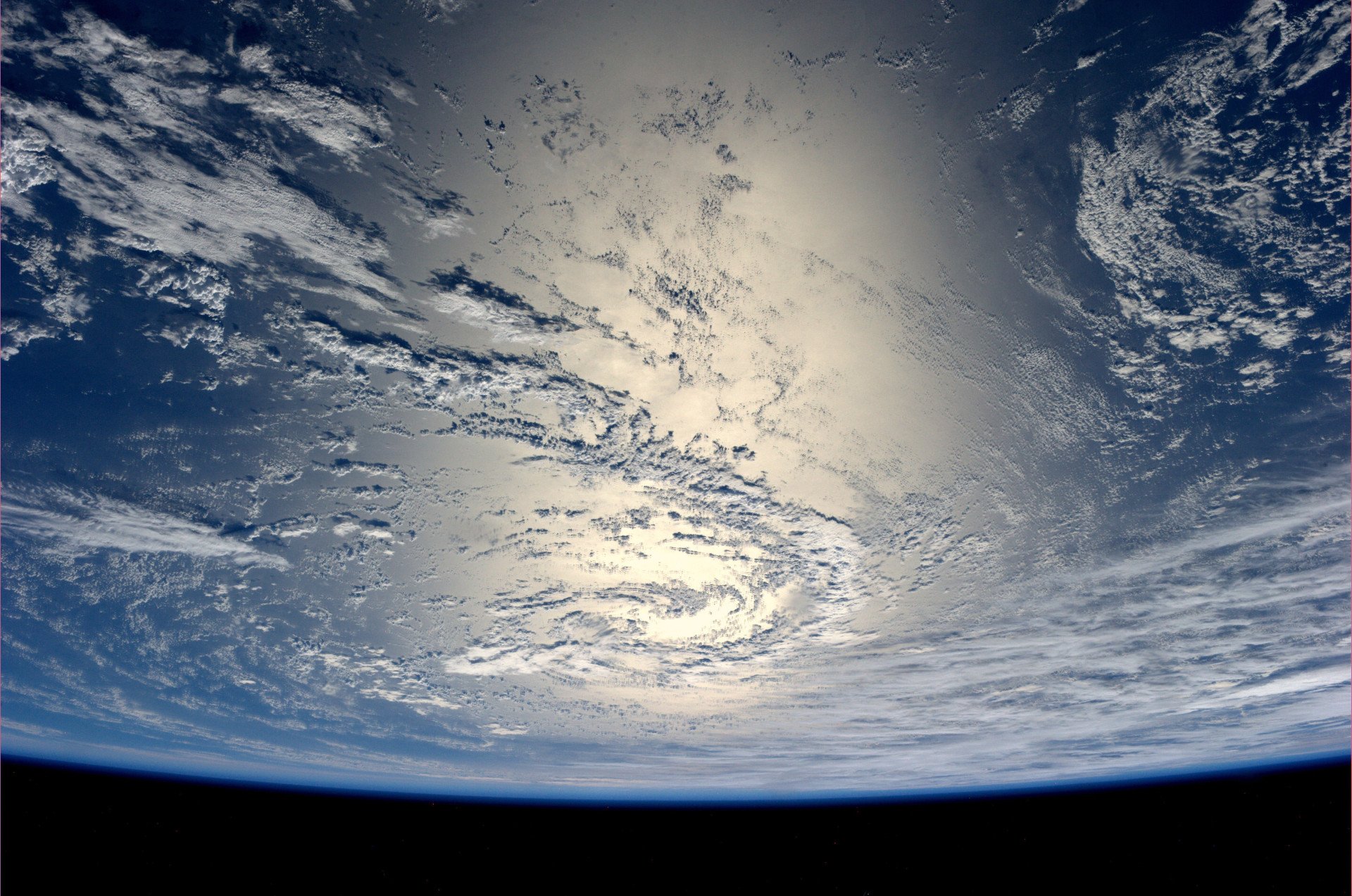
From roughly 450 kilometers above Earth, Jannicke Mikkelsen was looking through the window of her spacecraft when she noticed something moving between her and the Earth below. She saw a fireball, a meteor maybe? But it behaved differently.
 Prefer U24 Media on Google
- Authors

-f88628fa403b11af0b72ec7b062ce954.jpeg "Photo of Amira Barkhush")
“I think orange means it’s man-made. Where are we?” Mikkelsen checks where the spacecraft was passing, “I see what’s happened. It’s traveled from Russia. It’s landed in Ukraine. I’m pretty sure that’s a missile attack. I just went silent.”
Seeing the Russian attack from space
On the evening of April 2, 2025, Russia launched a ballistic missile attack on Ukraine’s Kryvyi Rih, striking a civilian infrastructure facility, where people were still working. That attack killed 4 people and injured 17.
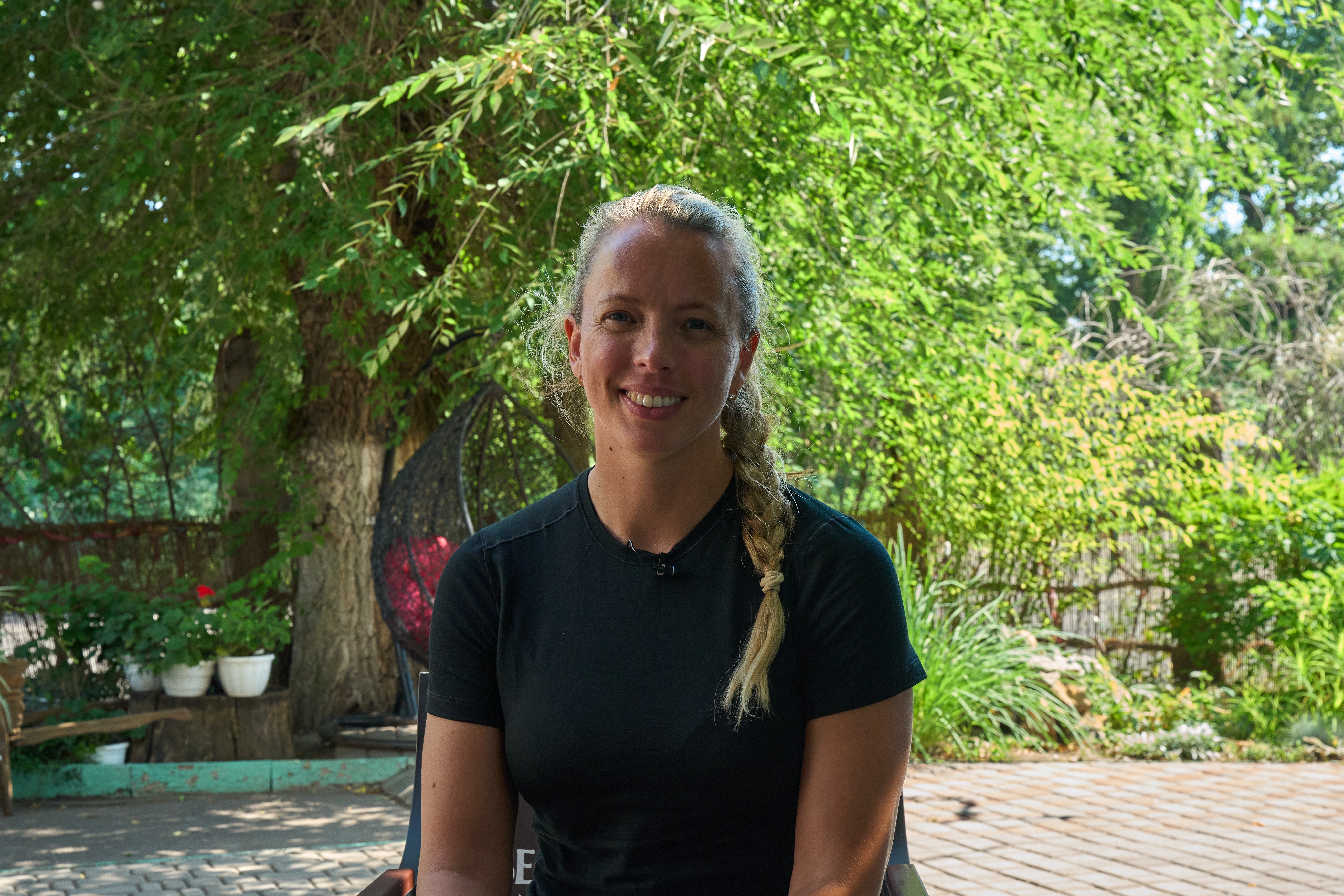
“I sat on top of a rocket. I sat on top of a rocket to get to space. But I’m looking at the same kind of rocket also being launched, but it’s being launched to kill people in Ukraine,” Mikkelsen said in an interview with UNITED24 Media while visiting Ukraine.
Jannicke Mikkelsen is a Norwegian astronaut, film director, and cinematographer specializing in extreme-environment filming. In 2025, she served as vehicle commander aboard Fram2. Launched on March 31, 2025, the mission became the first crewed spaceflight to travel in a true polar orbit over Earth’s north and south poles.
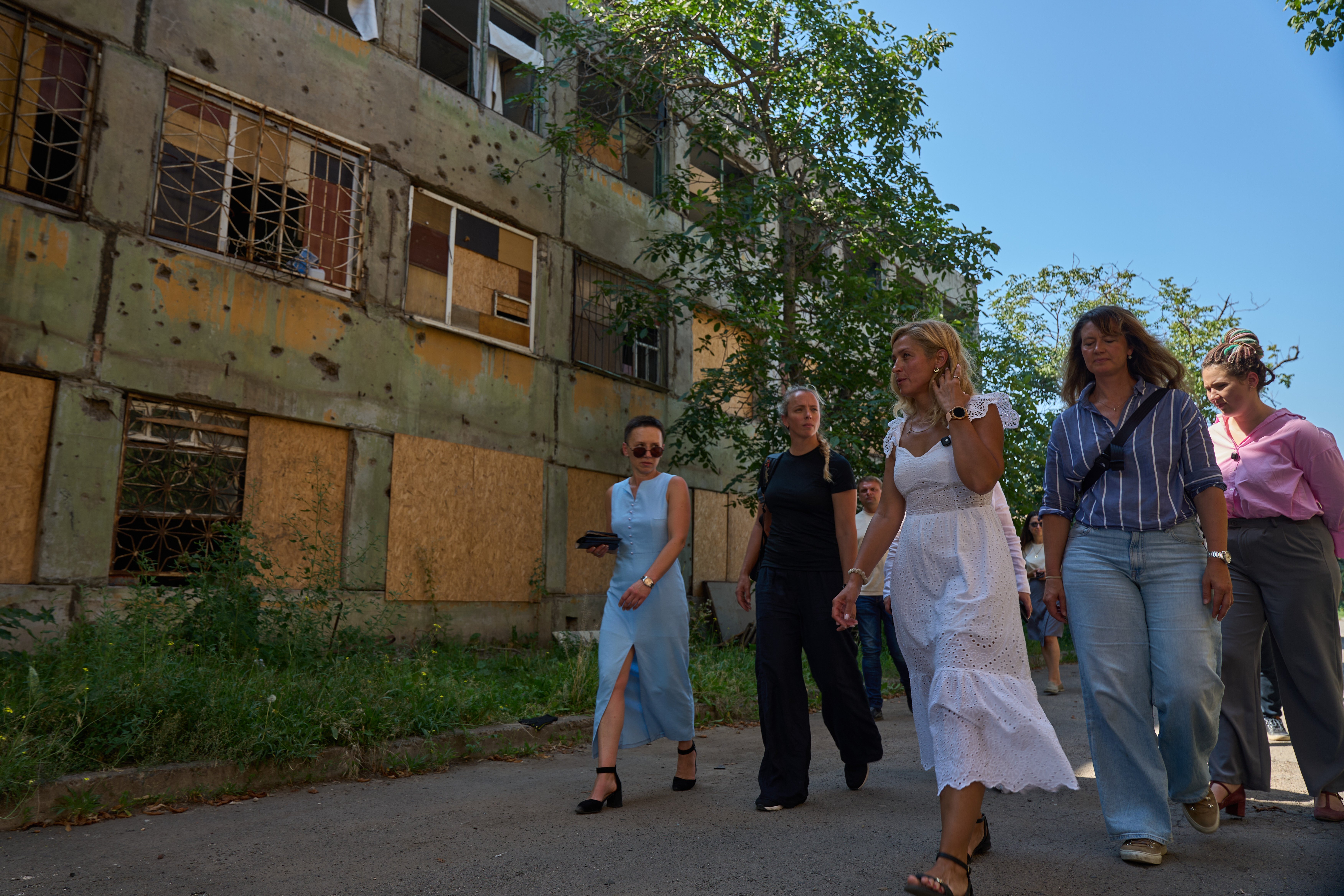
Visiting the strike site
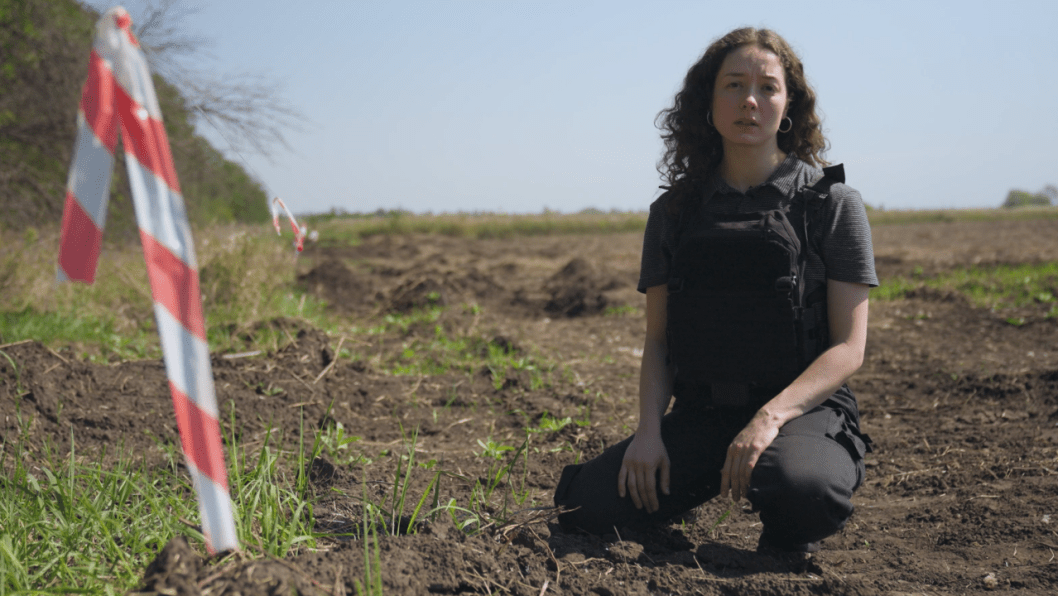
Using OSINT techniques, cross-checking dates, and consulting experts, Mikkelsen identified the site hit by the missile. To fully understand what she had witnessed from space, she knew she had to see where it landed.
More than a year later, Mikkelsen traveled to Ukraine with the Norwegian NGO Fritt Ukraina, which has provided aid to the country since the beginning of Russia’s full-scale invasion.
“I wanted to see where the missile struck. What the missile was. Whom the missile affected,” she said.
In Kryvyi Rih, an industrial city in central Ukraine, facility staff walked Mikkelsen through the site. A car wash once stood here. Two women were killed there. Nearby, two men were killed as they were leaving work.
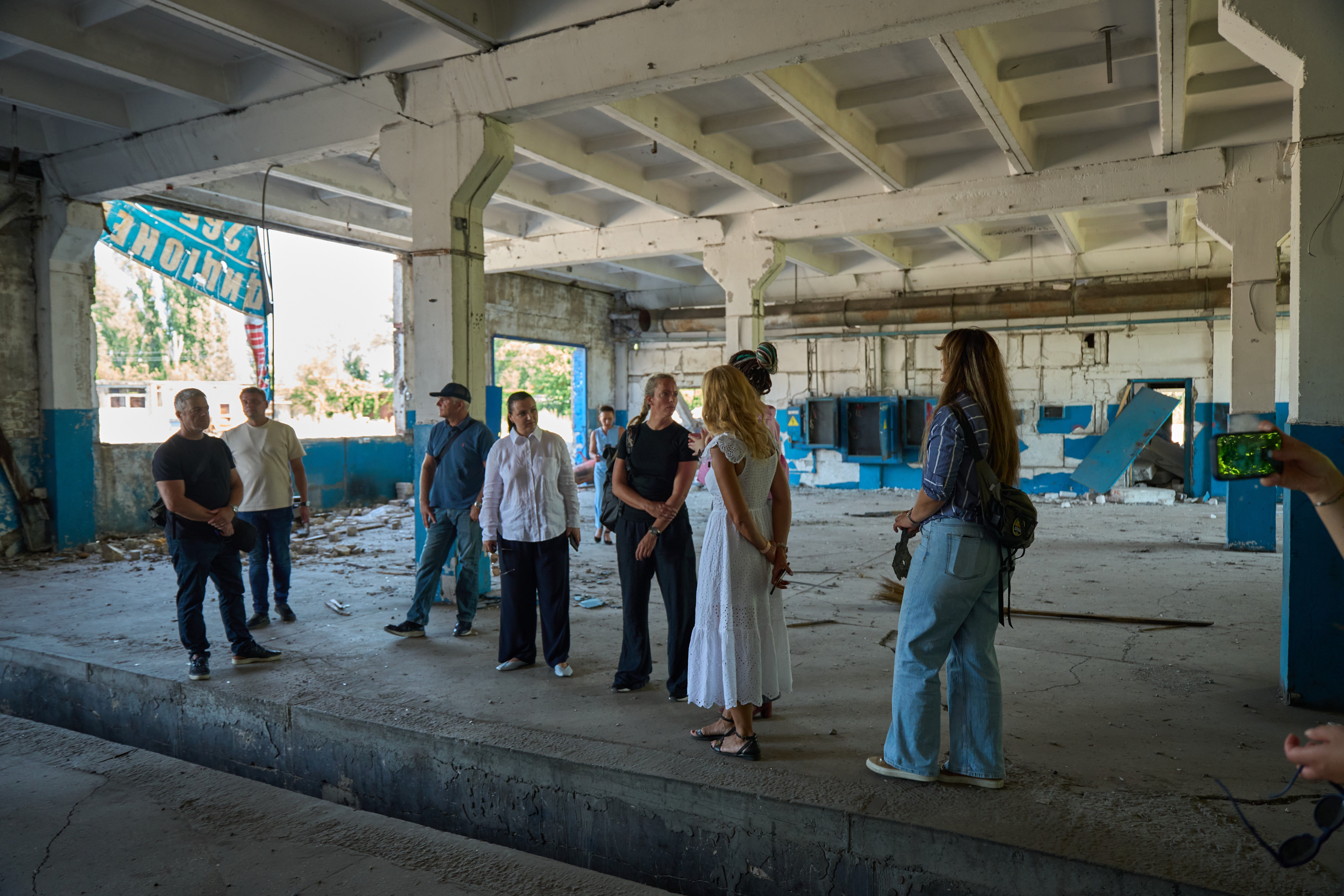
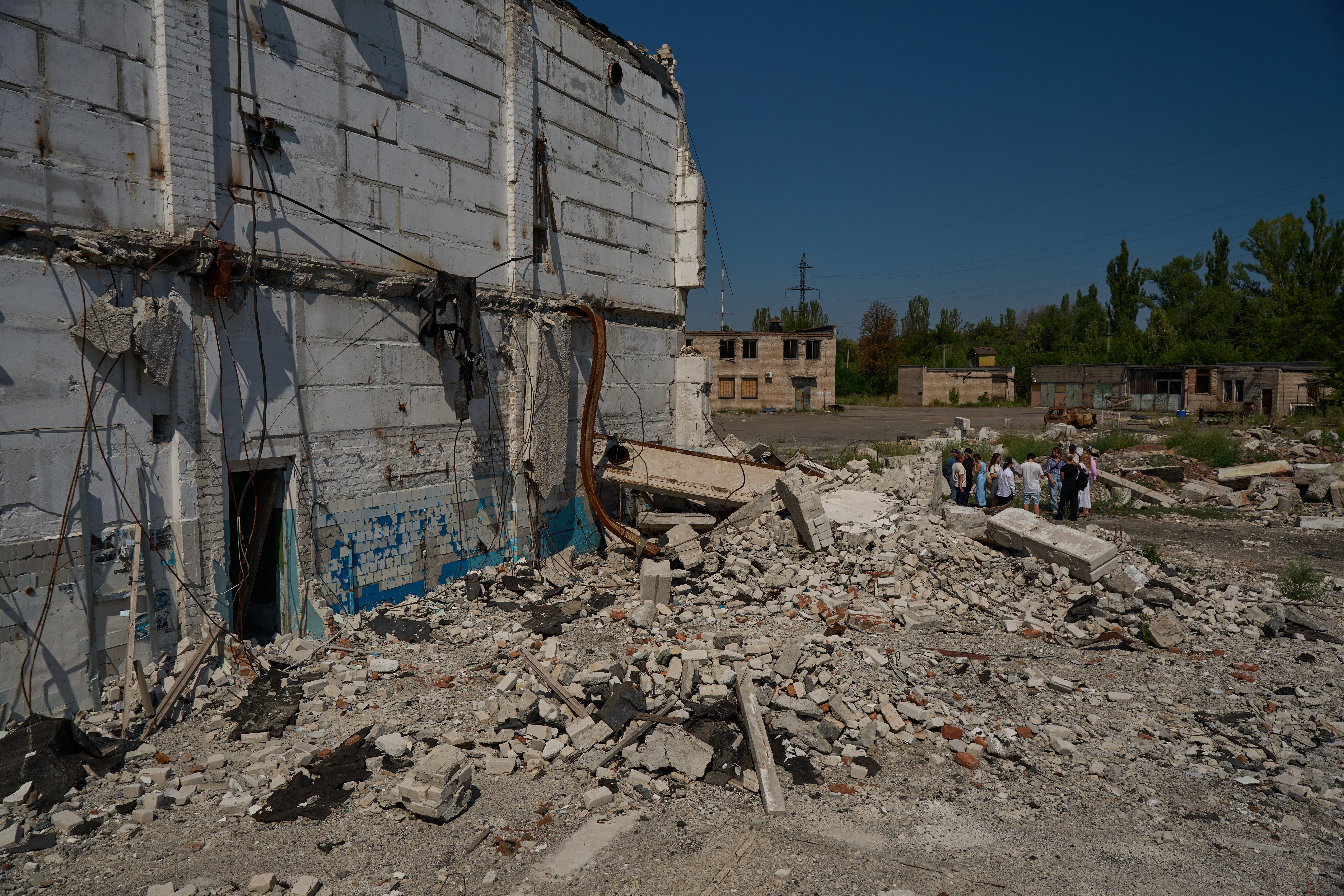
What Mikkelsen had witnessed from hundreds of kilometers above Earth as a distant flash was now a place she could walk through, with names, lives, and stories attached to it.
That attack was not an isolated incident. Just two days later, on April 4, another Russian ballistic missile struck Kryvyi Rih in broad daylight, hitting a residential area near a children’s playground. Twenty people were ultimately killed, including nine children.
During her visit, Mikkelsen laid flowers at the site of the April 4 strike and spoke with a resident whose home was damaged in the attack.
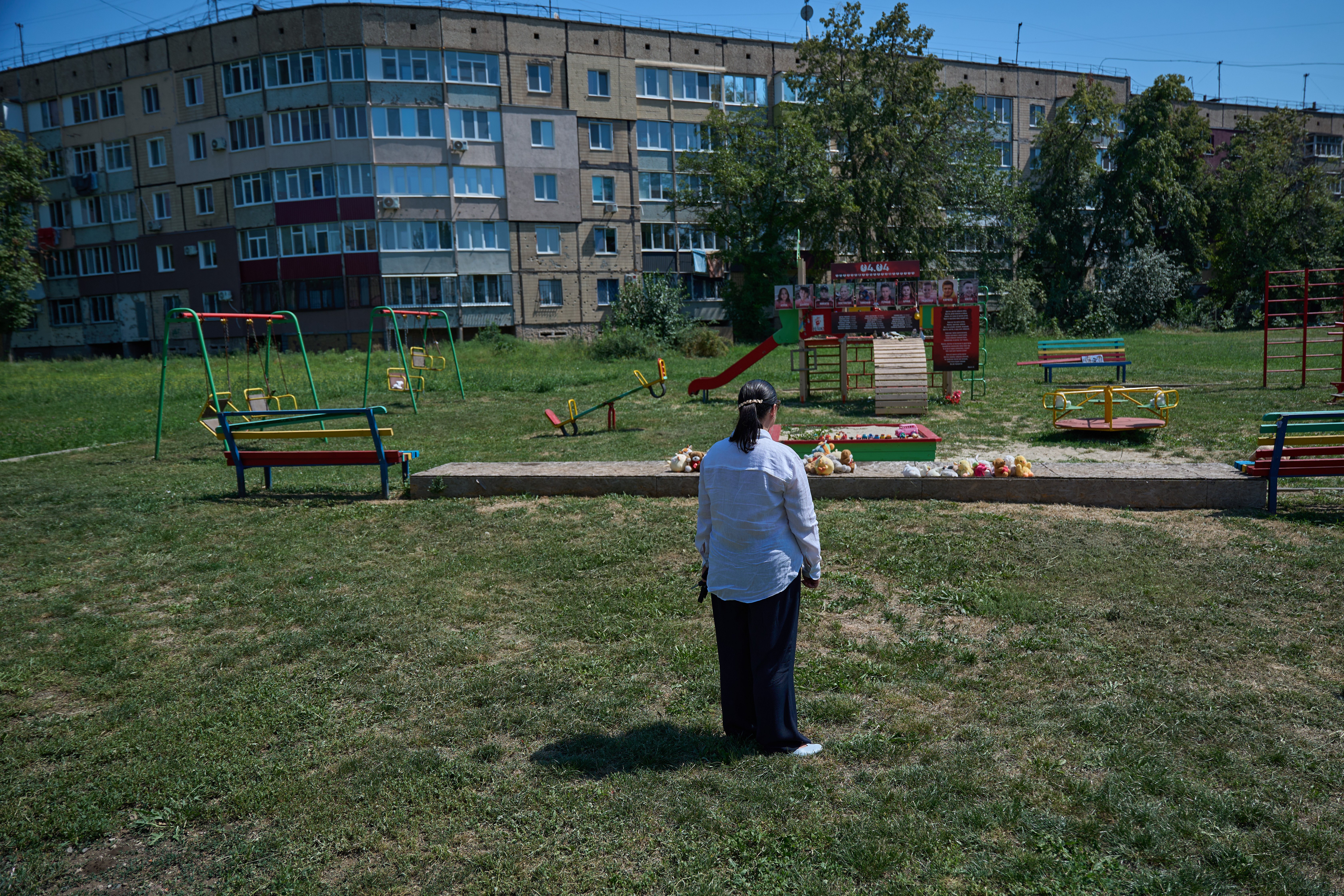
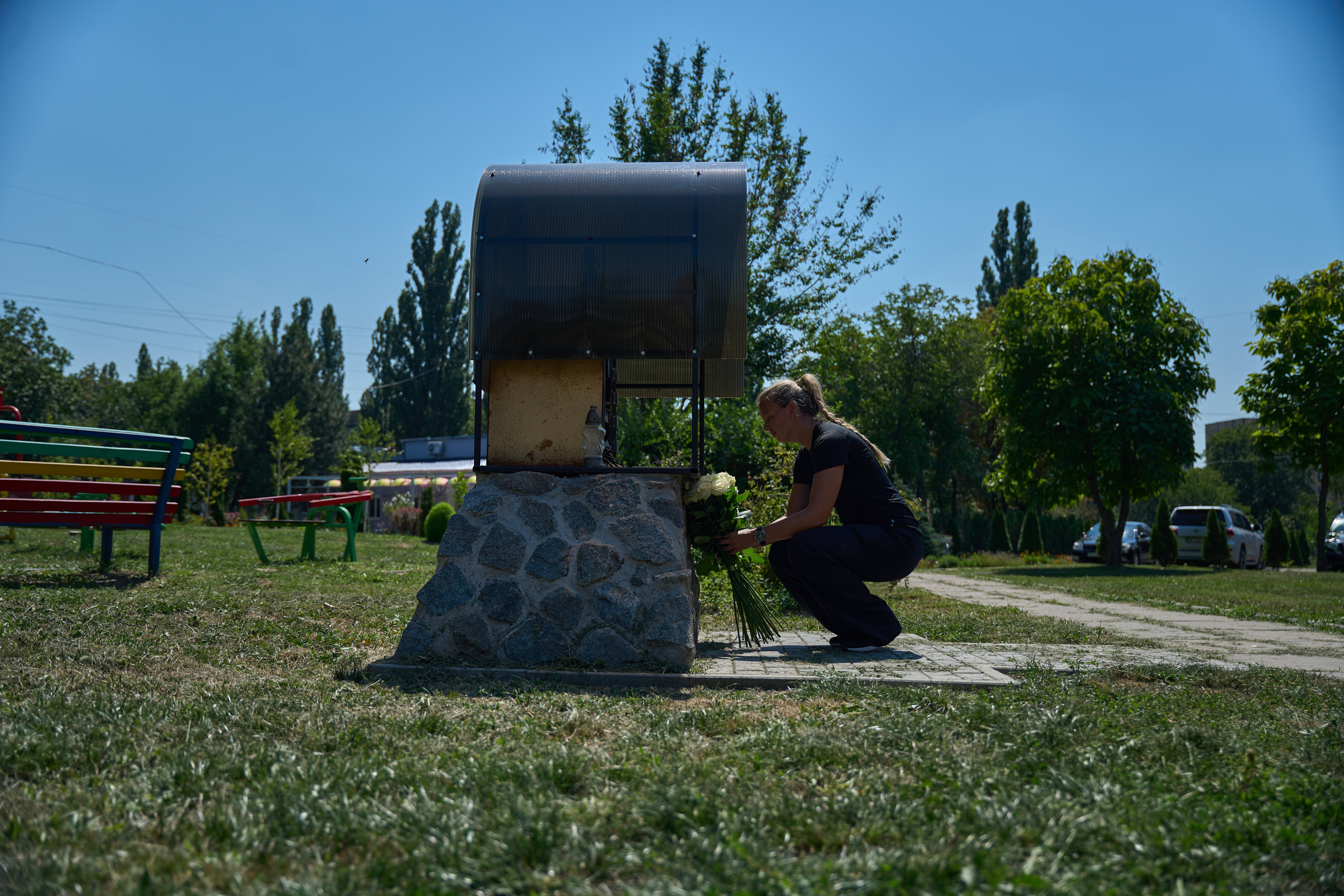
“Everything at one point was just ruined,” said Mariia Cherviachenko, Director of the Kryvyi Rih City Development Institute and a resident of a building affected by the Russian attack. “My husband and I came back to rebuild what we had built together over 15 years.”
Together with Fritt Ukraina, Mikkelsen also delivered aid to the Ukrainian military, including five vehicles, one of them a van for an air defense unit, as well as portable power stations, individual first-aid kits, 400 tourniquets, and flame-resistant uniforms.
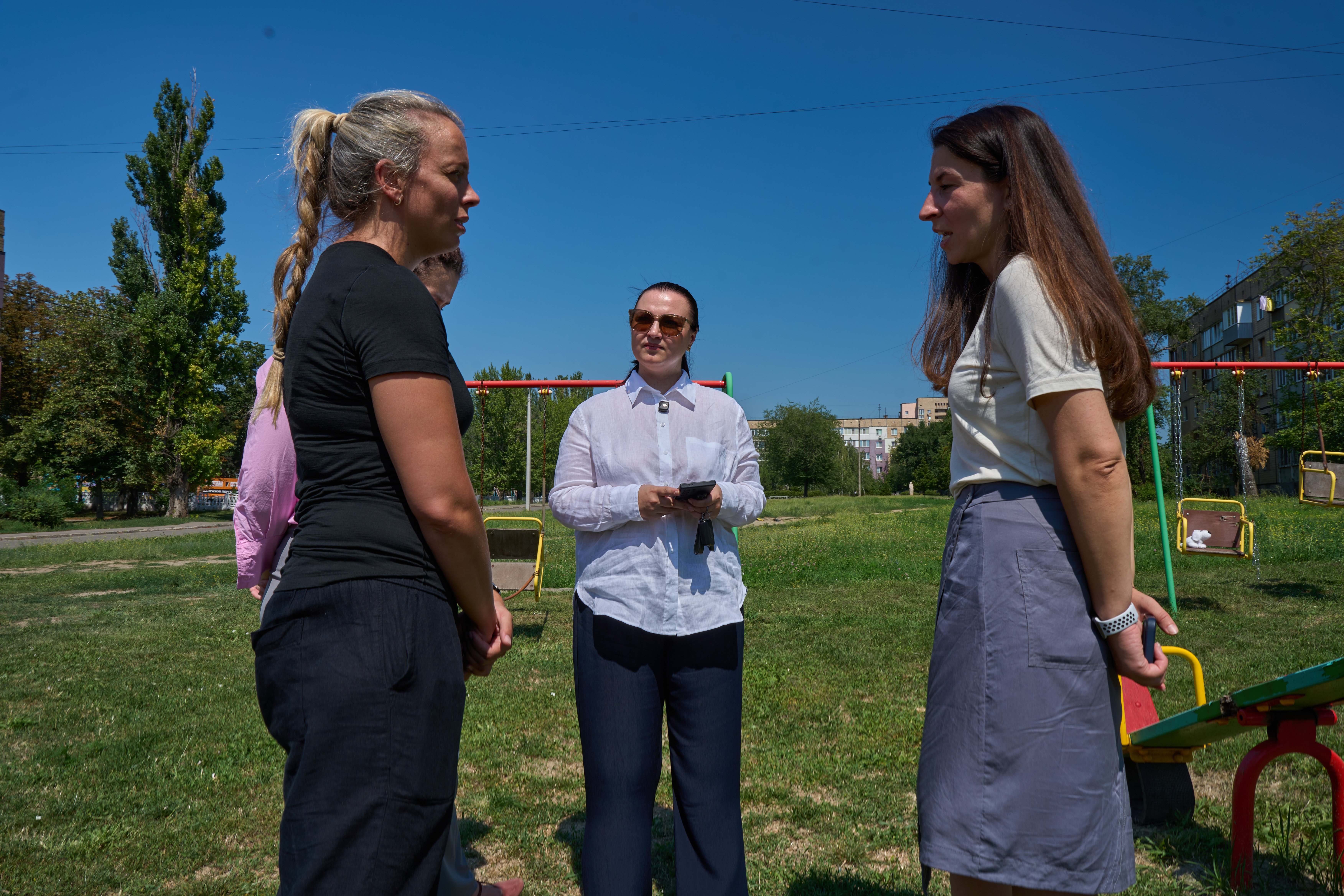
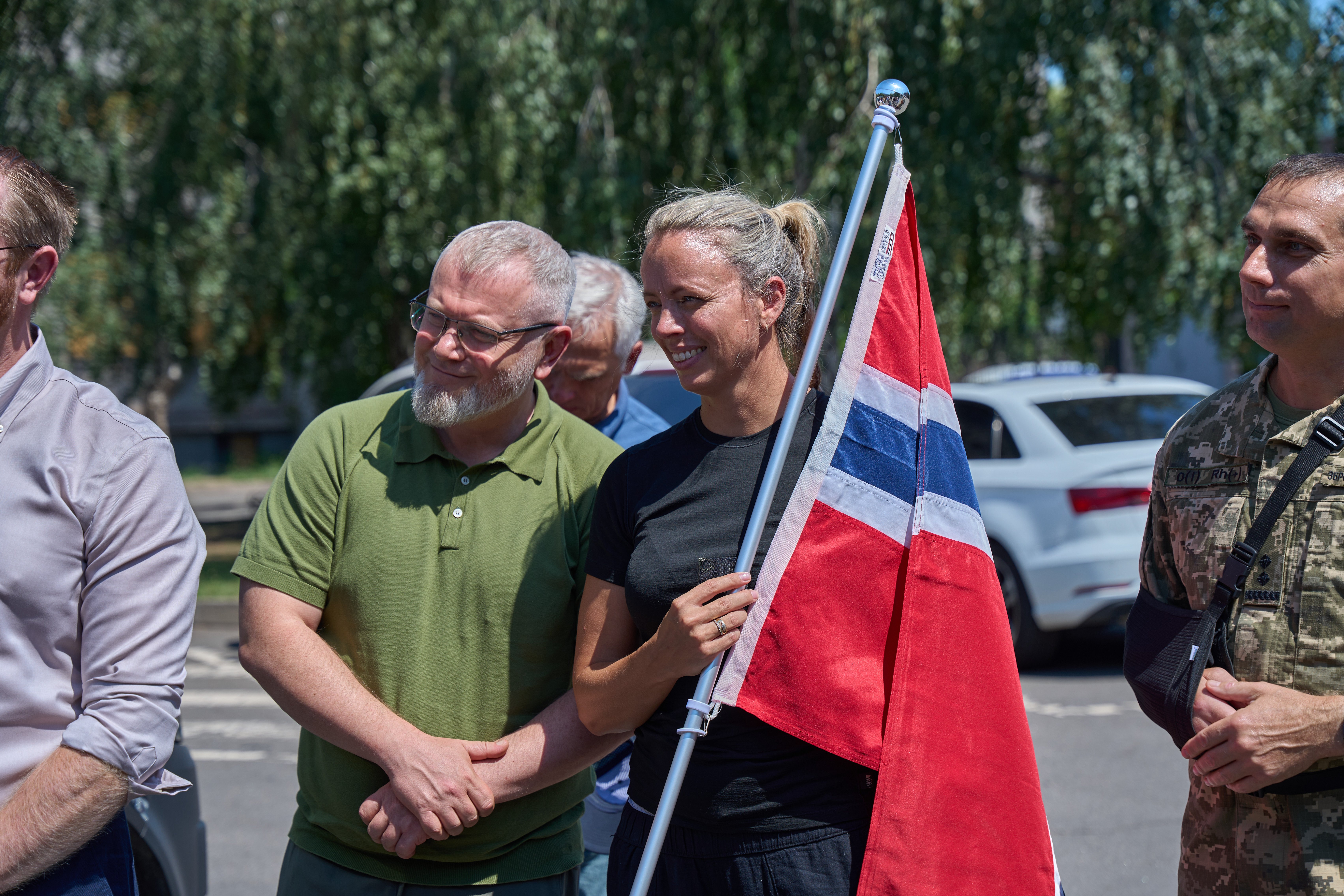
“One thing is to see something from space, and the other is to understand the consequence of what that is,” said Natalia Golis, Director of the Norwegian NGO Fritt Ukraina. “It’s actually up to us in Europe to fix this ballistic issue, not just for Ukraine, but also for ourselves.”
The visit gave Mikkelsen a clearer sense of what she wanted to do with the attention her experience had generated: advocate for stronger protection of Ukrainian cities from ballistic missiles.
“We don’t have a war in Norway. We may not even know the difference between a missile, a ballistic missile and a drone. For us, we just hear the word [ballistic missiles] on the news and life continues,” Mikkelsen said.
“But what is actually the difference? I think that’s what’s important to show. A ballistic missile travels so far to hit its target. And this is why we need anti-ballistic missiles here in Ukraine.”
In recent months, Russia has increasingly relied on ballistic missiles in attacks on Ukrainian cities, while Ukraine continues to face shortages of the interceptors needed to counter them. The shortage of Patriot missiles, Ukraine’s primary defense against Russian ballistic missile attacks, has already had a deadly consequence for civilians.
Looking back at Earth
From orbit, borders disappear, and cities become distant patches of light. The ballistic missile seen from space was a mere tiny orange object heading towards the Earth.
On the ground, that distant flash became something tangible: a weapon of metal and explosives, designed to scatter deadly fragments around.
“You look back at your planet while you’re in space, and then we’re using that same technology to kill each other,” Mikkelsen said. “I don’t understand why.”
Discuss this article: