- Category
- Opinion
Russia Turned Ukrainian Youth in Crimea Into a Workforce for Its Occupation
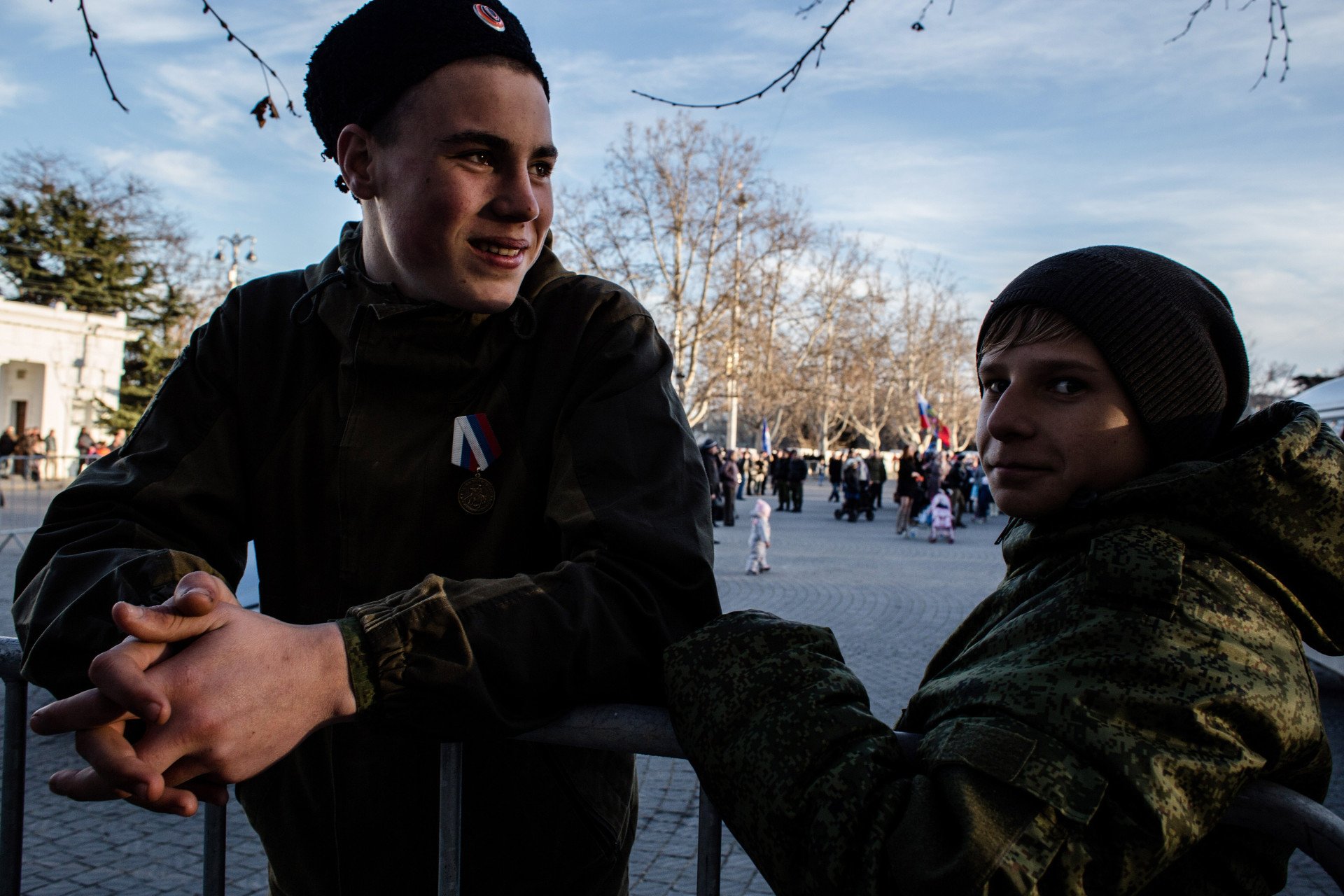
An entire generation had to grow up under Russian occupation in Crimea, and now, Moscow is putting it to work. Through revived Soviet-style student labor brigades, Russia is channeling thousands of young Ukrainians into construction projects, state industries, propaganda, and other jobs that tighten its grip on the occupied peninsula.
 Prefer U24 Media on Google
- Authors

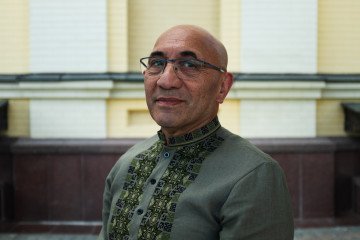
-fb8f992b9d61f4272ace69523053416c.png "Permanent Representative of the President of Ukraine in the Autonomous Republic of Crimea")
Adolescence and university years are a time when young people discover who they are and decide what kind of future they want. But that is not the reality in the Russian-occupied territories of Ukraine.
We bring you stories from the ground. Your support keeps our team in the field.
After occupying the peninsula in 2014, Russia deprived Crimean youth of the opportunity to search for their own identity. Instead, it imposed a narrow and illusory future as construction workers, waiters, entertainers, train conductors, and mouthpieces for Russian propaganda.
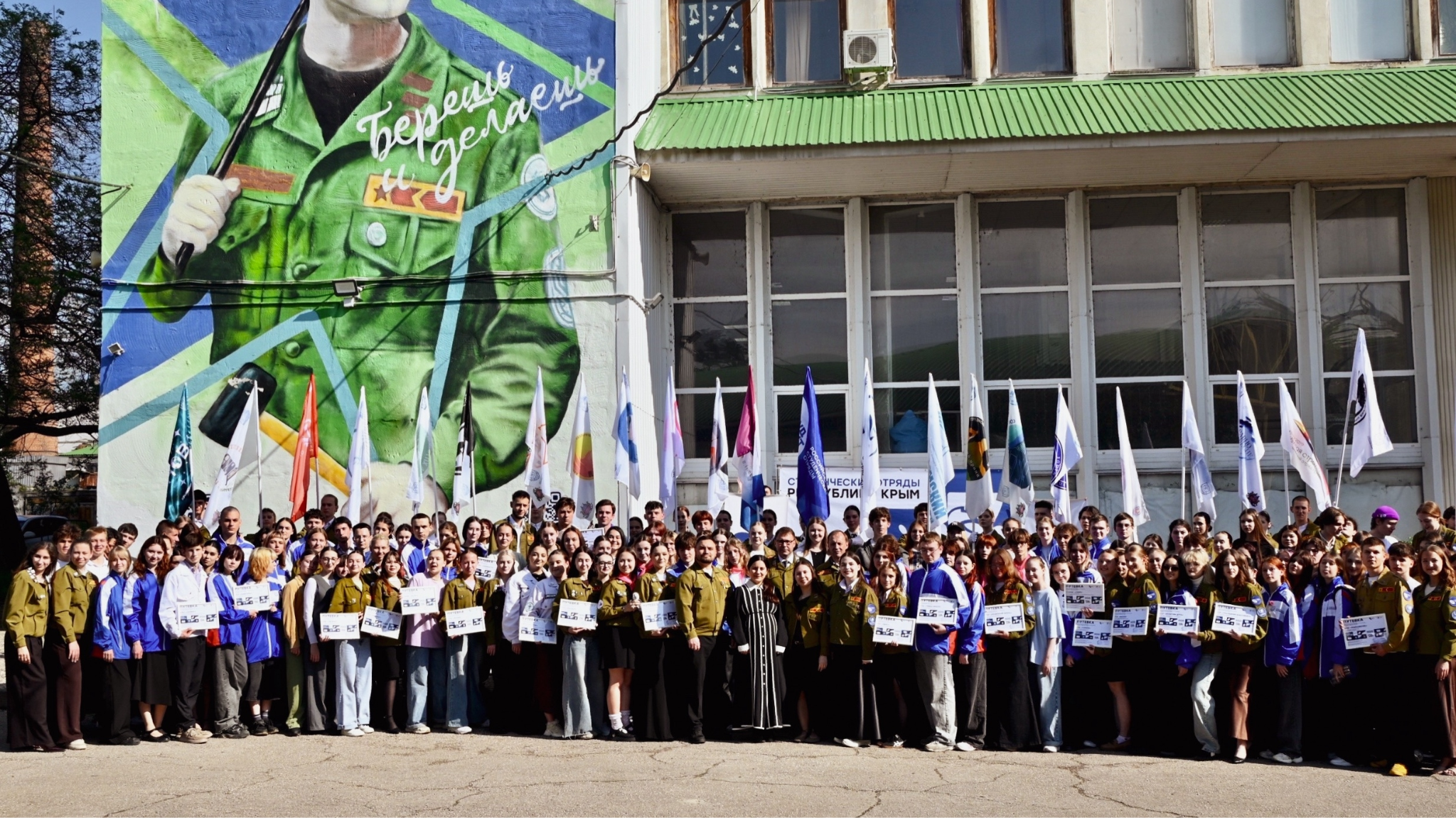
Russia has placed significant emphasis on young people from Ukraine’s temporarily occupied territories and has actively expanded its youth policy. To achieve this, it revived the Soviet-era practice of “student labor brigades” in 2015. Under the slogan “Labor Is Cool,” young people from different schools, universities, and even cities are grouped together and assigned to a wide range of jobs—from working as waiters and cleaning war memorials to construction work at nuclear facilities abroad.
Participants are promised travel across Russia, “competitive” wages, free vocational training, and “countless unforgettable experiences” and new friendships. The programs are marketed as prestigious and meaningful, accompanied by carefully curated promotional photos that omit their negative aspects. In 2024, the occupation authorities reported that over the previous decade, 10,000 young people in Crimea had passed through these student labor brigades.
However, Russia’s “student labor brigades” are not about supporting young people in Crimea, says Kuryshko. They are about deliberately exploiting them as a source of labor.
How Russia’s Student Labor Brigades turn Ukrainian youth into a workforce
“Not for everyone. Only for those who want more. Work, success, friendship. What do you want?” Under this slogan, Russia’s student labor brigade movement in Crimea recruits young people into its programs.
One opportunity offered is seasonal work as a camp counselor at children’s camps, promising a “unique experience working with children and teenagers,” the option to complete university exams early, and pay of approximately 21,000 rubles (up to $250) per shift, lasting an average of two to three weeks.
In practice, however, students are encouraged to prioritize short-term earnings over a full academic education. In some cases, this can have serious consequences—for example, in medical programs, where completing coursework and practical training, rather than taking early exams, is essential for future professional qualifications.
The transformation of Crimean youth into a labor force began as early as 2016, when about 500 students spent four months working as frontline staff at one of Yalta’s best-known hotels, Intourist. The “career opportunities” now being promoted for 2026 are therefore not isolated opportunities but part of the same student labor brigade system, which supplies young workers to Russia’s labor market in cooperation with the Russian Ministry of Labor and Social Protection.
Over the years, the jobs offered have evolved. Since at least 2025, Russia has begun recruiting young people to work at nuclear facilities abroad. Last year, four students from Crimea were sent to projects in Türkiye and Egypt. This year, six students passed the selection process for placements with the industrial holdings Rosatom and Titan-2 Concern. Two of them secured leadership positions: one will head the press office for a project in Bangladesh, while the other will serve as deputy supervisor at a construction site in Türkiye.
Another 15 students from Crimea were expected to participate in the nationwide “Peaceful Atom” project, where, alongside young people from other Russian regions and Ukraine’s temporarily occupied territories, they were assigned plastering, painting, finishing work, metal structure assembly, and similar construction tasks.
-f4d5266315a9d50523f32c409d842773.png)
Russia has not disclosed the exact sites where these students will work—and that omission is telling. Instead of spending their summers relaxing or pursuing educational opportunities in Ukraine or Europe, these young people are sent to work in Russian regions, using employment as another mechanism for integrating youth from occupied territories into Russia’s political and social space.
How Russia uses “volunteer” labor to indoctrinate youth
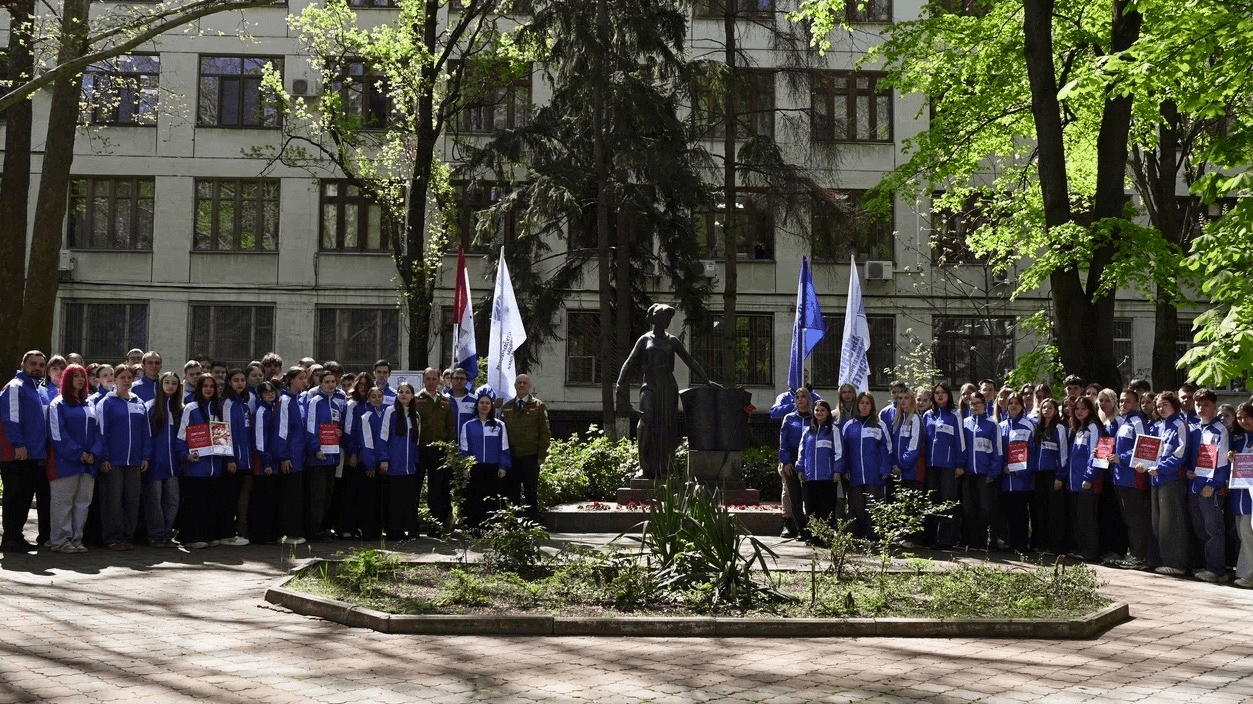
Another branch of the student labor brigade system is “volunteer work”—in reality, unpaid labor performed by students instead of attending classes. In March this year, Russia recruited approximately 600 students to clean World War II memorials and mass graves as part of these “volunteer” activities.
This reflects a classic manipulation of concepts: under the guise of “preserving historical memory,” young people are subjected to ideological indoctrination, while historical monuments are turned into tools for cultivating a generation loyal to the occupation regime.
Russia’s 2026 youth programs continue in occupied Crimea despite the war
This summer, many youth-oriented programs in Crimea—particularly the student labor brigades—were forced to scale back after Ukraine’s Defense Forces intensified their campaign against Russia’s occupation military grouping. The campaign has targeted bridges and crossings, fuel facilities, military equipment, and infrastructure that Russia has used to wage its war against Ukraine since 2014.
As a result, from June 22 through September 1, the Russian authorities closed the Artek International Children’s Center, the peninsula’s largest children’s camp, and canceled arrivals at other camps and health resorts. Despite this, the occupation authorities have continued their so-called “youth programs” through the student labor brigades, organizing creative evenings, board game gatherings, and similar activities.
At the same time, the brigades continue trying to recruit young people for work despite the changing circumstances. For example, they are advertising jobs paying 40,000 rubles (about $515) per month at the Tavrida Art Cluster near Sudak, a cultural and educational complex that hosts a variety of youth-focused events.
Student labor brigades have long since evolved beyond temporary employment programs. They have become one of the instruments of Russia’s state youth policy, through which young people are integrated into Russia’s political, cultural, and information space.
By combining financial incentives, career opportunities, leisure activities, and participation in large-scale state projects, Russia is cultivating loyalty among the younger generation while building a pool of personnel to advance its long-term strategic objectives.
Discuss this article:


-206008aed5f329e86c52788e3e423f23.jpg "Photo of Oleksandr Moiseienko")

-f3430f0449615e9897dff835086ac204.jpg "Ukraine Broke With a Soviet-Era Military System and Rebuilt It Around the Soldier")
-e126c16a85d580738cf2d57e760b80a3.jpeg "Photo of Vladyslav Greziev")