- Category
- Latest news
How Many PAC-3 MSE Interceptors Does Ukraine Need to Counter Russian High-Speed Missiles?
 Prefer U24 Media on Google
- Authors

-111f0e5095e02c02446ffed57bfb0ab1.jpeg "Photo of Roman Kohanets")
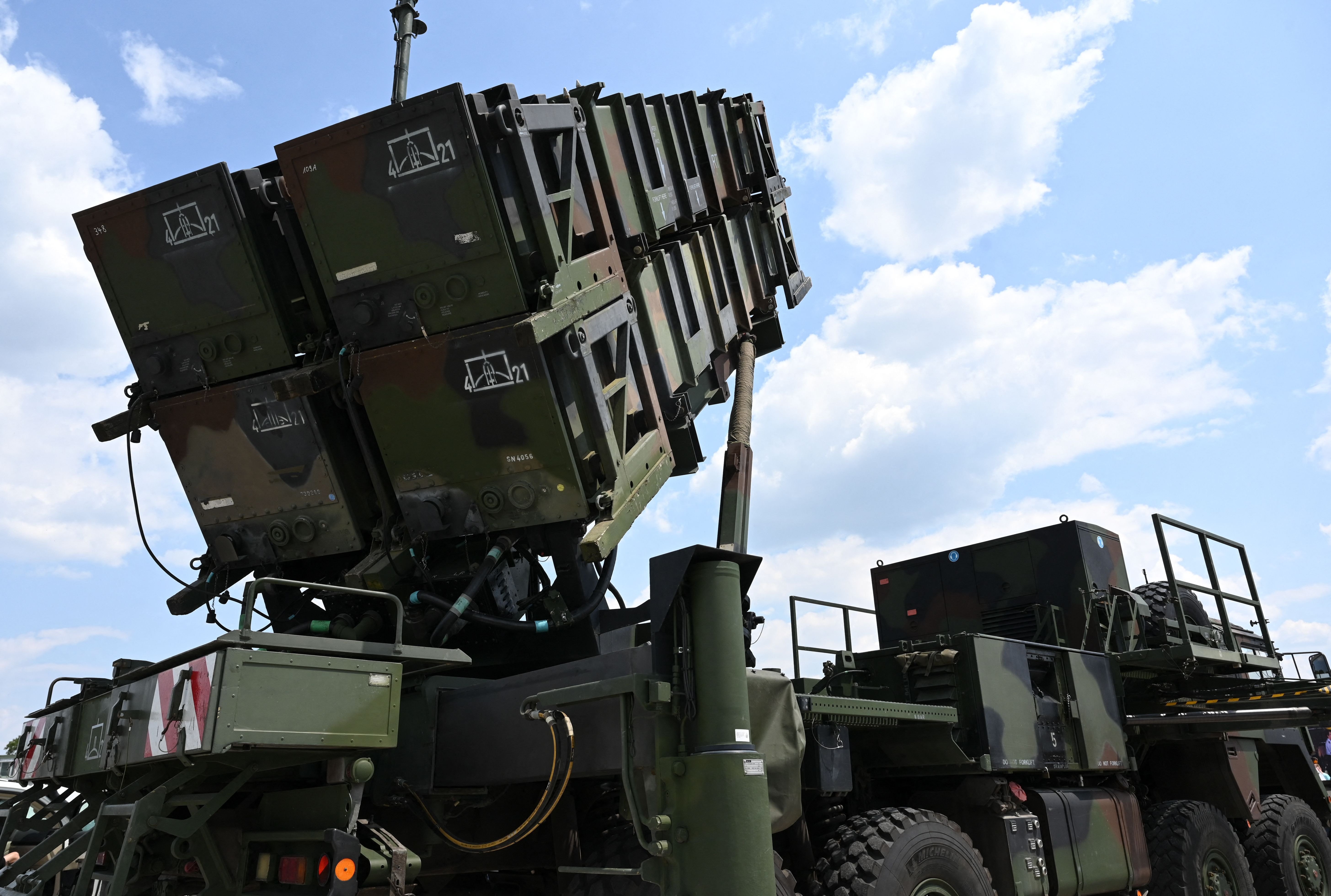
Ukraine would need more than 60 Patriot PAC-3 Missile Segment Enhancement interceptors each month to keep pace with Russia’s recent use of ballistic and other high-speed missiles, according to Defense Express on January 30.
We bring you stories from the ground. Your support keeps our team in the field.
Ukraine’s Patriot inventory: a rough calculation
The outlet said that it used a simplified model of Ukraine’s Patriot force and the pace of Russian strikes. Based on public statements, the outlet wrote that Ukraine could have as many as 14.5 Patriot “fire units” if older systems are included, but it used a baseline assumption of 10 full Patriot systems.
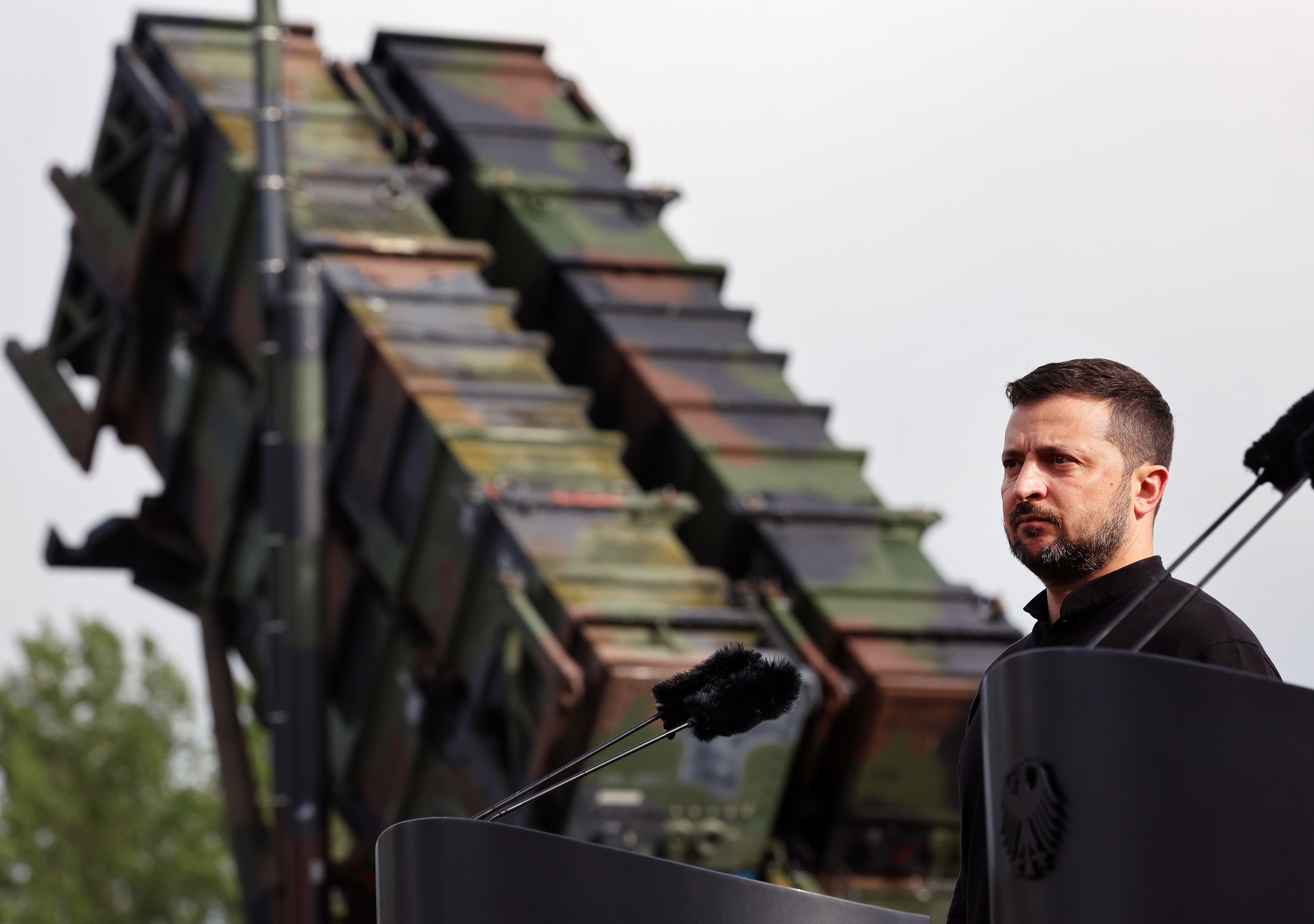
Using a standard estimate of six launchers per system, that would mean about 60 launchers able to fire PAC-3 MSE interceptors.
With a mixed load of six PAC-3 MSE missiles per launcher, Defense Express put a full load at roughly 360 interceptors.
Strike pace and monthly interceptor needs
Defense Express said Russian forces fired 145 ballistic, aeroballistic, hypersonic, and other high-speed missiles in December 2025 through January 30, citing Ukrainian Air Force reports.
The outlet added that not all of those missiles would fall within Patriot’s typical engagement set, and estimated that 61 in that period would have required PAC-3 MSE interceptors.
It said US planning norms often assume firing two interceptors per ballistic target—sometimes more—while Ukrainian forces have frequently fired one because of shortages.
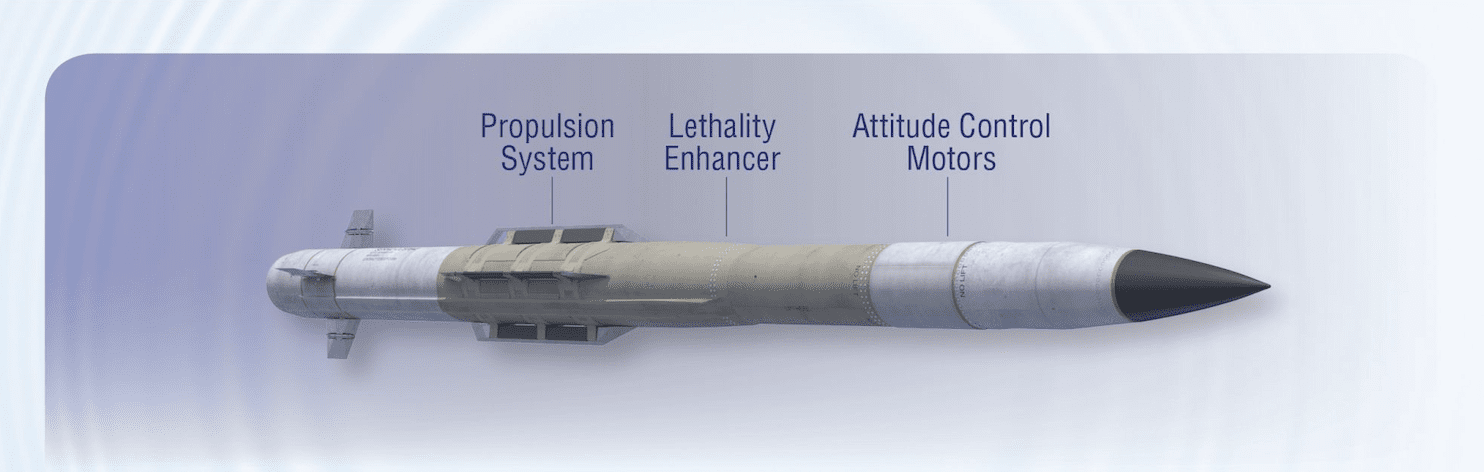
Based on those assumptions, Defense Express said a “minimalist” monthly requirement would be more than 60 MSE interceptors, while a US-style expenditure for a similar threat set could exceed 120.
Ukraine’s bottleneck: interceptor supply
The outlet added that the key constraint for Ukraine is not funding but access to enough PAC-3 MSE interceptors.
Using an estimated US armed forces price of about $4.97 million per missile, the outlet said 60 interceptors would cost roughly $300 million a month, but argued that the bigger problem is limited production and competing demand.
It cited production of 620 PAC-3 MSE interceptors in 2025—about 52 per month—shared among Patriot operators with US requirements prioritized.
-fe851b90d8a0ba797c376cd41cd6a9ac.png)
The calculations were published amid renewed public scrutiny of Ukraine’s interceptor stocks after President Volodymyr Zelenskyy blamed delivery delays for gaps in air defense during winter strikes on energy infrastructure.
Zelenskyy said last week that he secured additional interceptors after speaking with US President Donald Trump, telling a forum in Kyiv: “I talked with President Trump for an hour. And I received, I won’t say how many, PAC-3 missiles for Patriot.”
Earlier, it was reported that the US Pentagon is dramatically increasing purchases of PAC‑3 MSE interceptors as part of a larger effort to bolster air defense stockpiles in response to rising threats from Russia, Iran, and other adversaries, reflecting intensified focus on missile defense capacity.
Discuss this article:




-c439b7bd9030ecf9d5a4287dc361ba31.jpg "Photo of Katherina Popilnichenko")