- Category
- Latest news
Pentagon Goes All-In: US Quadruples PAC-3 MSE Missile Orders in Wartime Shift
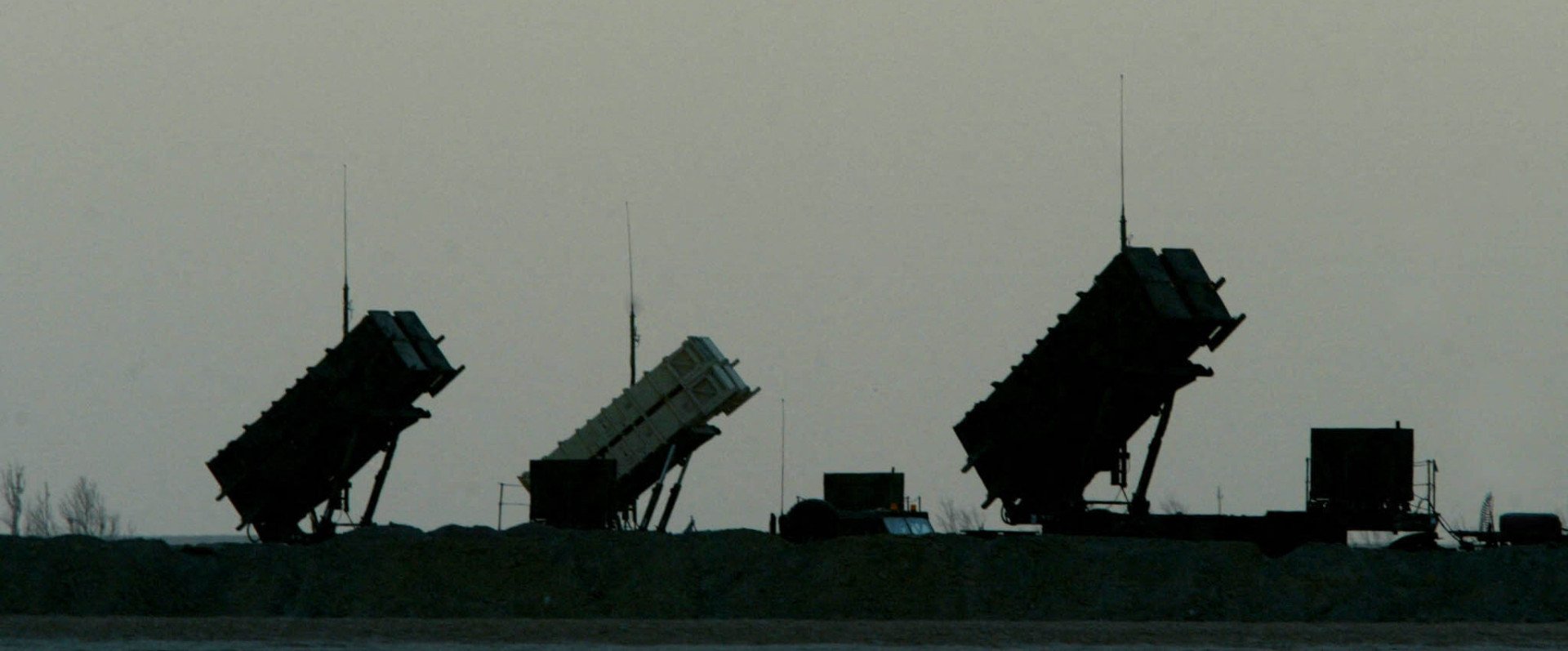
The Pentagon is shifting into overdrive in its quest to close America’s missile defense gap, with the US Army’s FY2026 budget calling for a massive scale-up in PAC-3 Missile Segment Enhancement (MSE) interceptor purchases.
 Prefer U24 Media on Google
- Authors


The plan includes the acquisition of 233 PAC-3 MSE missiles—quadrupling previous procurement levels—as part of a sweeping $1.3 billion package aimed at bolstering stockpiles amid rising threats from Iran, Russia, and China, defense media outlet Army Recognition reported on July 9.
This year’s 233 missile buy is funded through a hybrid of discretionary and mandatory sources, including $945.9 million in regular defense appropriations and an additional $366 million through congressional reconciliation authority.
A U.S. Army MIM-104 Patriot Air Defense System at Al Udeid Air Base launches PAC-3 MSE interceptors toward incoming Iranian Medium-Range Ballistic Missiles (MRBMs). pic.twitter.com/laeZKyh2AM
— OSINTWarfare (@OSINTWarfare) June 23, 2025
According to Army Recognition, another 96 interceptors will be procured through advance funding set aside in FY2024 for long-lead components, including solid rocket motors and seekers.
The PAC-3 MSE interceptor—produced exclusively by Lockheed Martin in Dallas, Texas—is a hit-to-kill missile designed to intercept tactical ballistic missiles, cruise missiles, drones, and aircraft.
It is compatible with the Patriot air defense system, the THAAD battery, and the Army’s Integrated Air and Missile Defense Battle Command System (IBCS).
Missile gap no more: new goals, new capabilities
The Pentagon’s expanded PAC-3 MSE buy comes just after Iran launched a ballistic missile attack on Al Udeid Air Base in Qatar, prompting the US to redeploy Patriot systems to the Middle East.
In April, the Army Requirements Oversight Council raised the procurement goal from 3,376 interceptors to a staggering 13,773—a nearly fourfold increase driven by real-world demand and readiness concerns, Army Recognition reports.
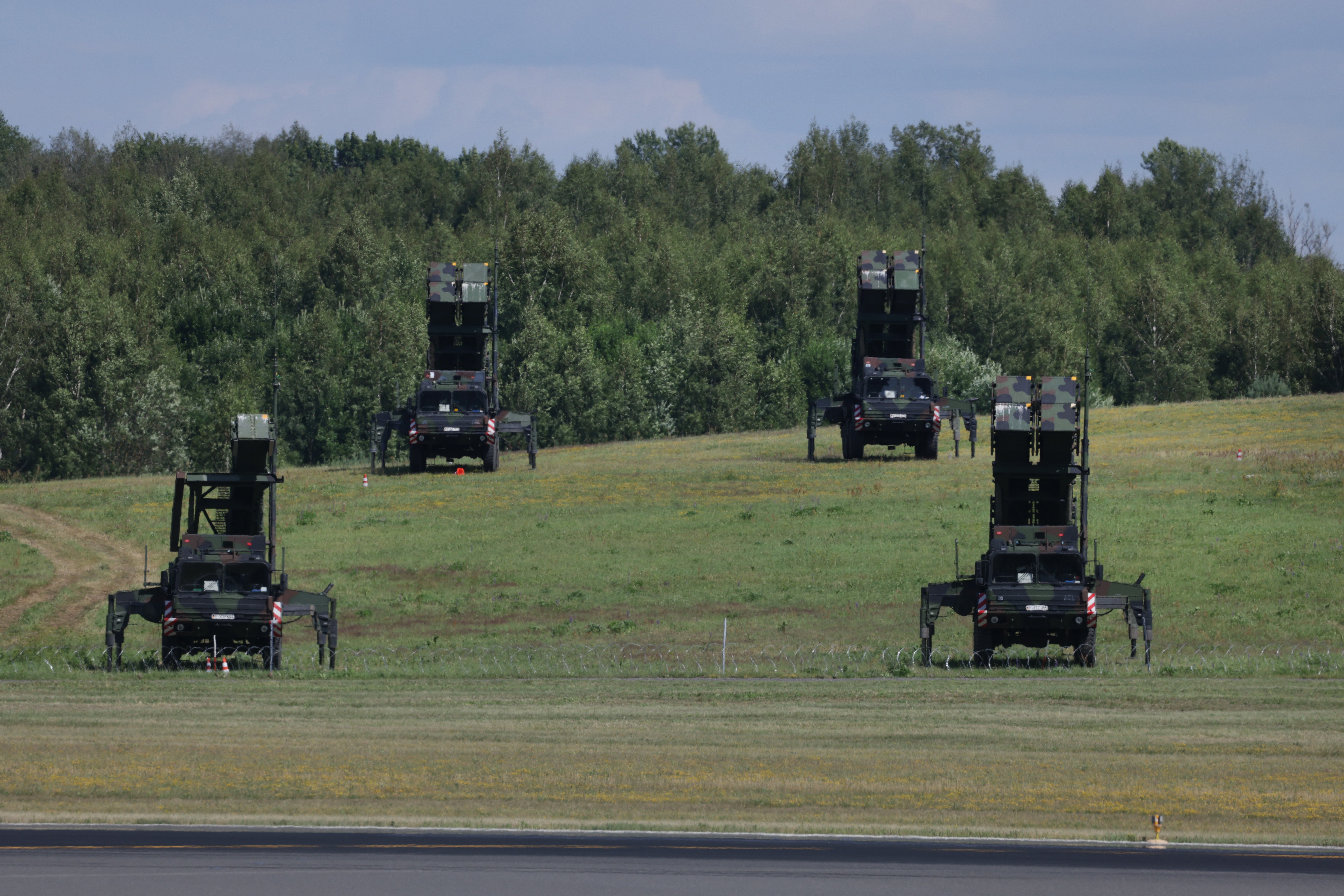
Since FY2023, the Army has received 2,047 PAC-3 MSEs, with 121 of the new FY2026 batch expected to begin delivery in May 2028.
Each missile has a production lead time of roughly 34–36 months, and the maximum annual output capacity is 550 units.
While the flyaway unit cost is high—about $3.871 million per interceptor—the Pentagon justifies the expense through improved survivability, range, and performance.
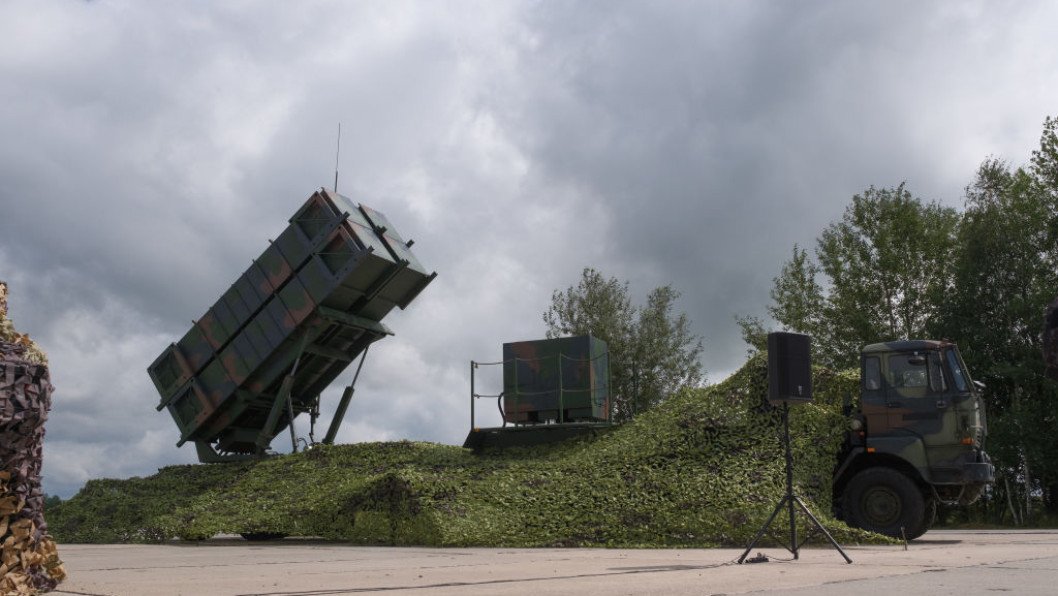
A growing portion of the missiles are also destined for US allies through Foreign Military Sales (FMS), which helps lower per-unit costs and keeps the production line warm, Army Recognition notes.
Software upgrades boost interceptor capabilities
In parallel with ramped-up production, Lockheed Martin has successfully tested a software-upgraded variant of the PAC-3 MSE designed to defeat newer threats such as stealthy drones, low-flying cruise missiles, and supersonic anti-ship weapons.
-2f3fce6c58162547512bedd2b99b7dc3.jpg)
“These improvements are software-driven, not hardware-based,” the company stated, marking a shift toward software-defined air defense where adaptability to emerging threats is achieved through code rather than physical redesign.
The enhanced missile is expected to strengthen defense against Iranian- and Russian-made Shahed drones, Kalibr cruise missiles, Kh-101 air-launched missiles, and Russia’s high-speed Oniks anti-ship system.
The upgrades also reflect battlefield lessons from Ukraine, where Patriot batteries have played a central role in intercepting Russian Kinzhal hypersonic missiles.
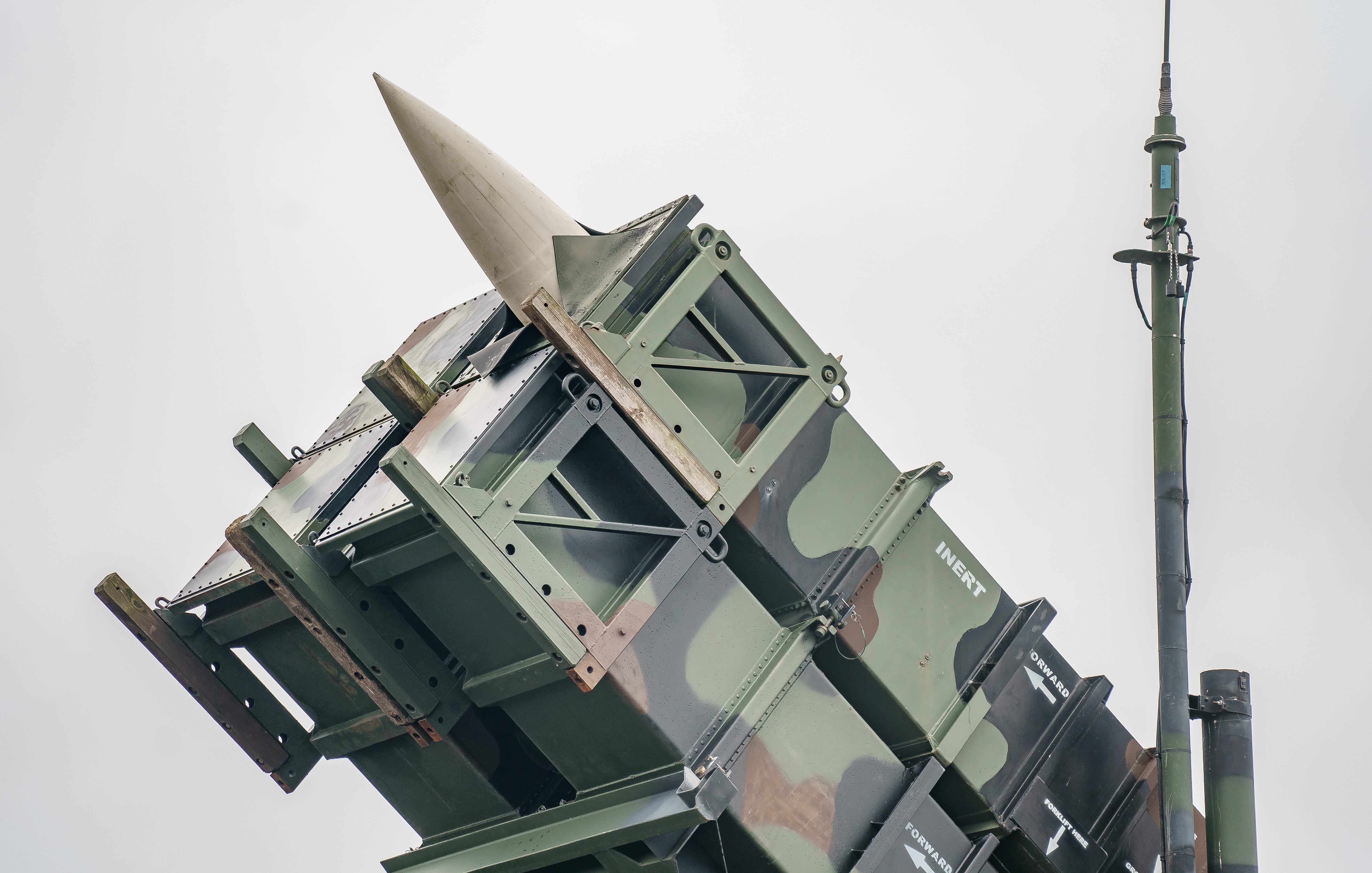
Combat experience from Ukraine has directly informed the modernization of Patriot software architecture, helping the system achieve a generational leap in performance.
Budget context and strategic impact
The PAC-3 MSE ramp-up is part of a broader $961 billion defense funding framework, which includes $848.3 billion in regular defense spending and an additional $113 billion under the FY2026 reconciliation bill.
Within this envelope, $396 million is earmarked for Operation Atlantic Resolve, with further allocations supporting lifecycle management, software development, and the PAC-3 Missile Support Center.
-5419bf19b6189702ce15b2c1f02484ed.jpg)
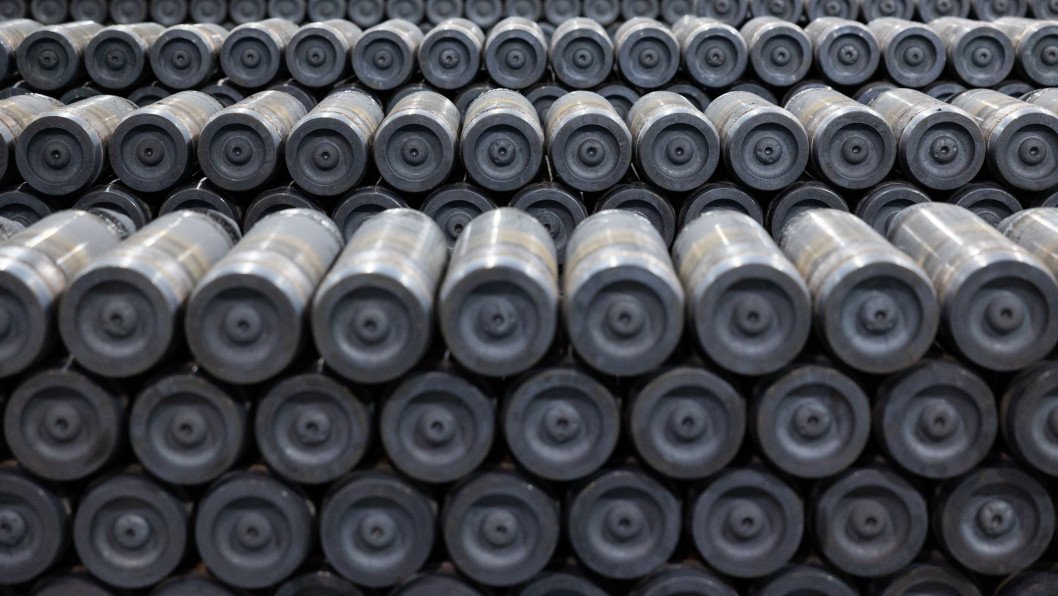
Analysts say the scale of the buy signals a strategic pivot in US munitions policy. “We’re witnessing a wartime posture in munitions procurement,” one expert noted, pointing to parallel efforts to boost 155mm artillery shell production to 100,000 rounds per month by October 2025.
Earlier, reports emerged that German defense giant Rheinmetall and US prime contractor Lockheed Martin agreed to set up a Europe-based joint venture that will build some of Washington’s most in-demand missiles.
Discuss this article:



-c439b7bd9030ecf9d5a4287dc361ba31.jpg "Photo of Katherina Popilnichenko")