- Category
- Latest news
From 7,342 to 92—Satellite Analysis Shows Russia’s Depot Armor Is Nearly Spent
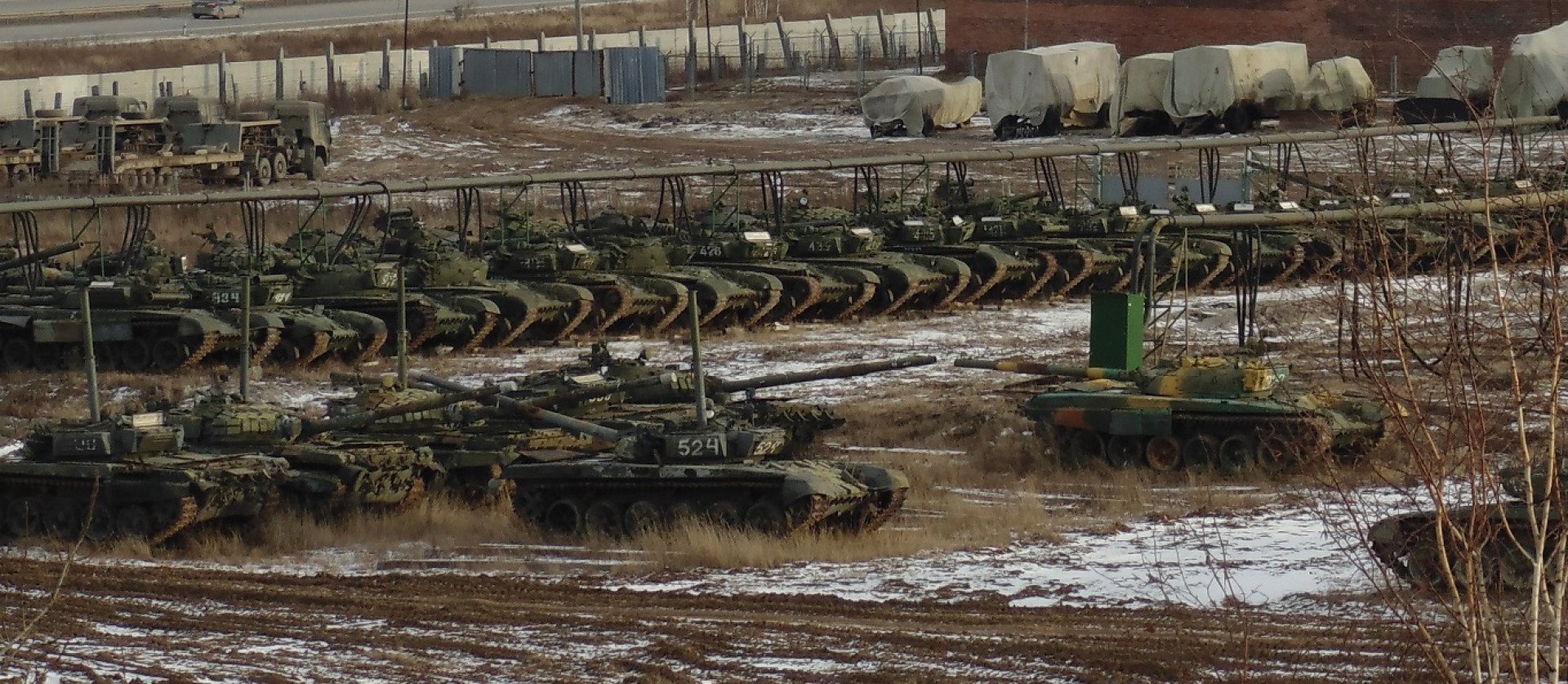
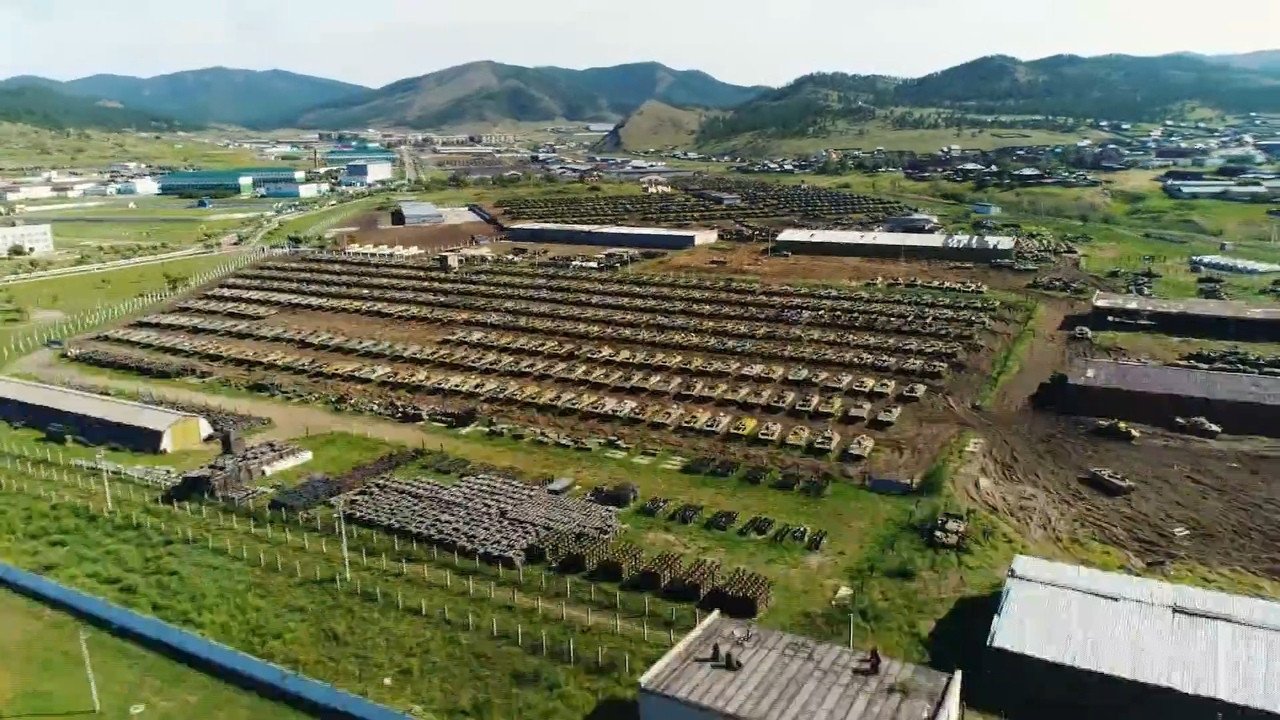
Russia’s once-vast tank reserves are running dry. According to new OSINT data analyzed from satellite imagery, only 92 tanks remain in decent condition on Russian storage bases—while thousands of others sit rusting, stripped for parts, or beyond repair after nearly three years of full-scale war against Ukraine.
 Prefer U24 Media on Google
- Authors


OSINT researcher Jompy has published an updated analysis of Russia’s armored reserves based on satellite imagery and inventory checks on October 7.
The picture is stark: most vehicles left in storage are in poor or irrecoverable condition, leaving only a few dozen tanks that could be called “decent.”
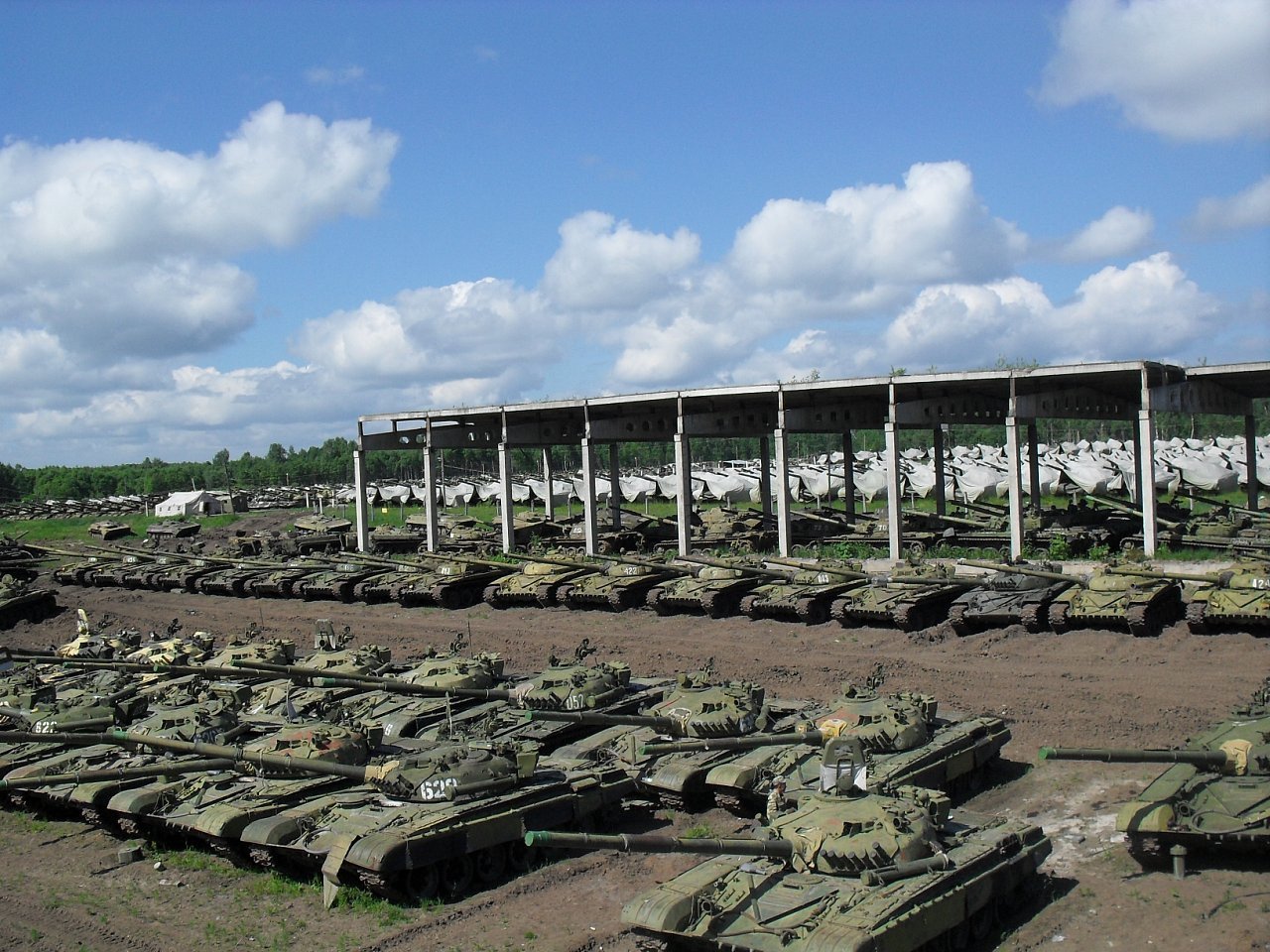
Jompy’s latest tabulation of vehicles sitting on Russian storage bases categorizes tanks by condition and repairability:
“decent” condition: 92 T-72B tanks;
“poor” condition: 1,606 tanks (the researcher says roughly 60% of these—older T-64, T-72 Ural/A and T-80UD types);
“worse” / ruined condition: 844 tanks—described as beyond practical repair;
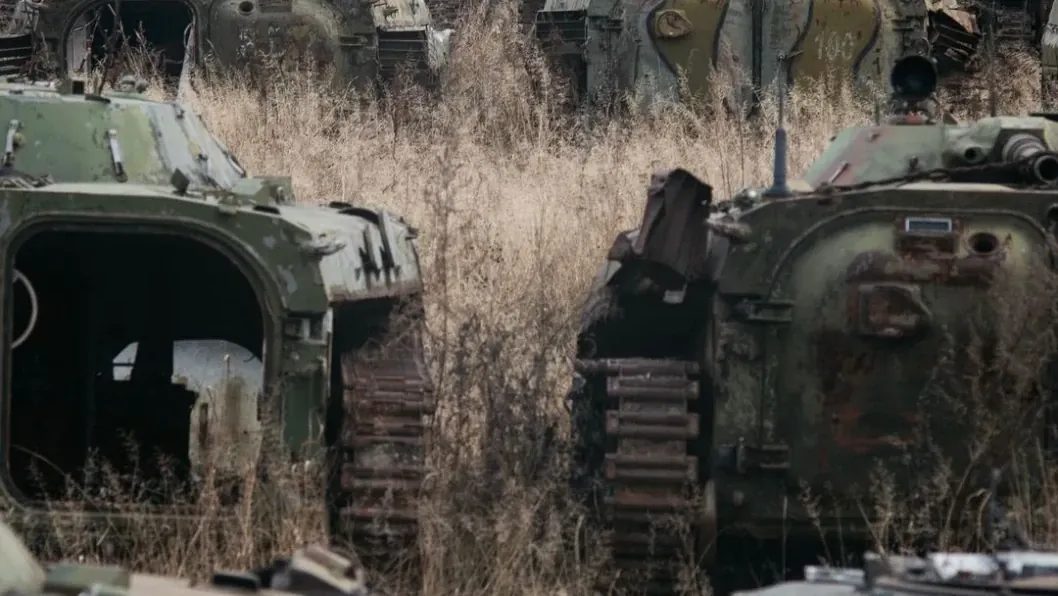
Repairable stock (slower to return to service) consists of 684 vehicles broken down as: T-55—17, T-62—501, T-72B—157.
Jompy notes that these counts reflect what remains on storage bases after large waves of reactivation, cannibalization for parts, and combat losses.
A broader tally of depot-to-front movement shows how heavily Russia has already drawn down its mothballed stocks.
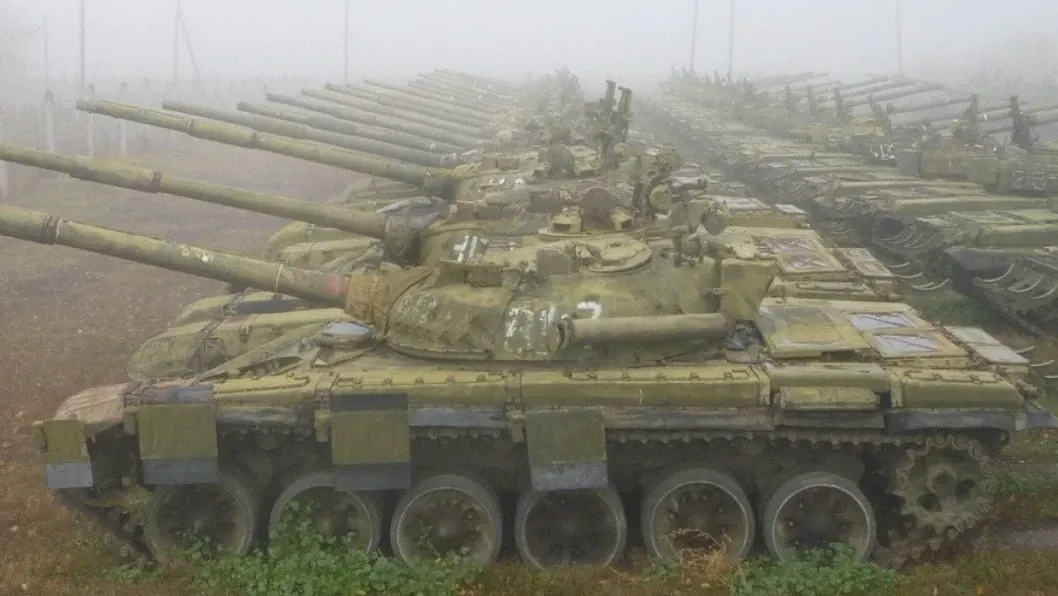
According to Jompy’s analysis of prewar depot inventories versus what has been taken out for repair and deployment, Russia has recovered and returned to service 4,800 tanks out of an estimated 7,342 kept in storage before the war.
The most commonly reactivated models include T-80B/BV (about 1,411 restored), T-72B (1,191), and T-62 (1,012).
Modern models have been brought back in far smaller numbers: T-90 (112 of prewar stock), T-80U/UD (111 of 193), and T-72 Ural/A (681 of 1,142). The T-64 family also shows relatively few returns (110 of 752).
IFVs, Artillery, and MLRS situation
The picture repeats across other vehicle types. From an estimated 7,723 BMP-class IFVs stored prewar, Jompy reports 4,931 have been mobilized for use, leaving only a small proportion of truly serviceable spares in depots.
Artillery inventories have thinned as well: of roughly 23,602 prewar artillery pieces (including mortars and air-defense guns), some 14,483 have been recovered for use, and an estimated 39% of the original stock now remains in storage.
MLRS figures are similarly stressed: Jompy counts 29 BM-30 Smerch systems reactivated out of 43, 235 Uragan out of 472, and 1,027 Grad systems out of 1,068—leaving roughly 18% of prewar MLRS stocks still present in storage.
What this means on the ground
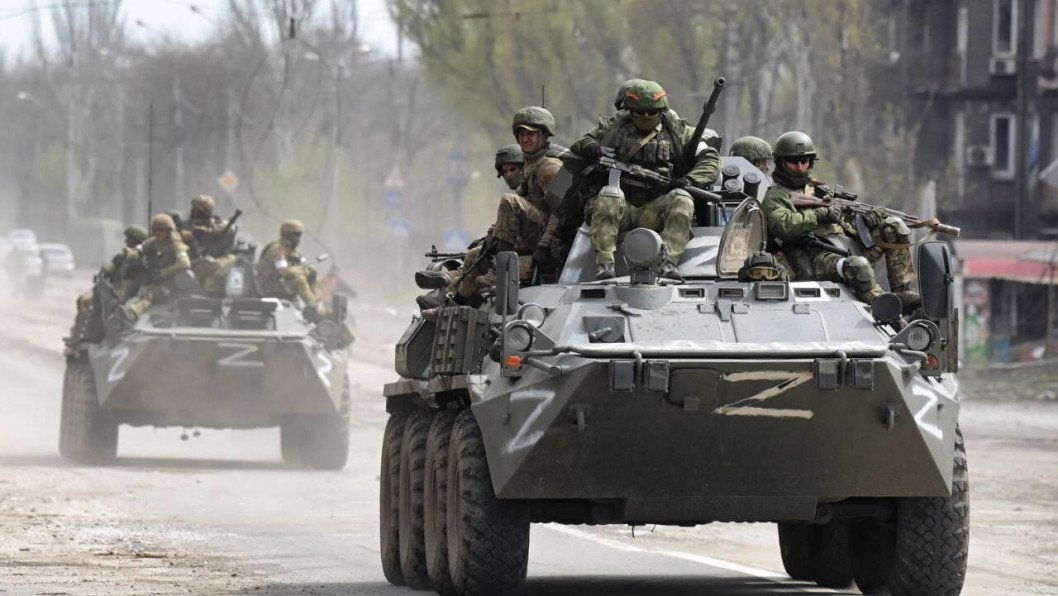
Russia has exhausted more than half of its stored armored and artillery reserves and is increasingly relying on older, degraded vehicles and cannibalized parts to sustain formations.
The small number of tanks in “decent” depot condition—and the large share of units described as irrecoverable—limits how rapidly Moscow can replace combat losses without fresh imports or a major domestic ramp-up in production and overhaul capacity.
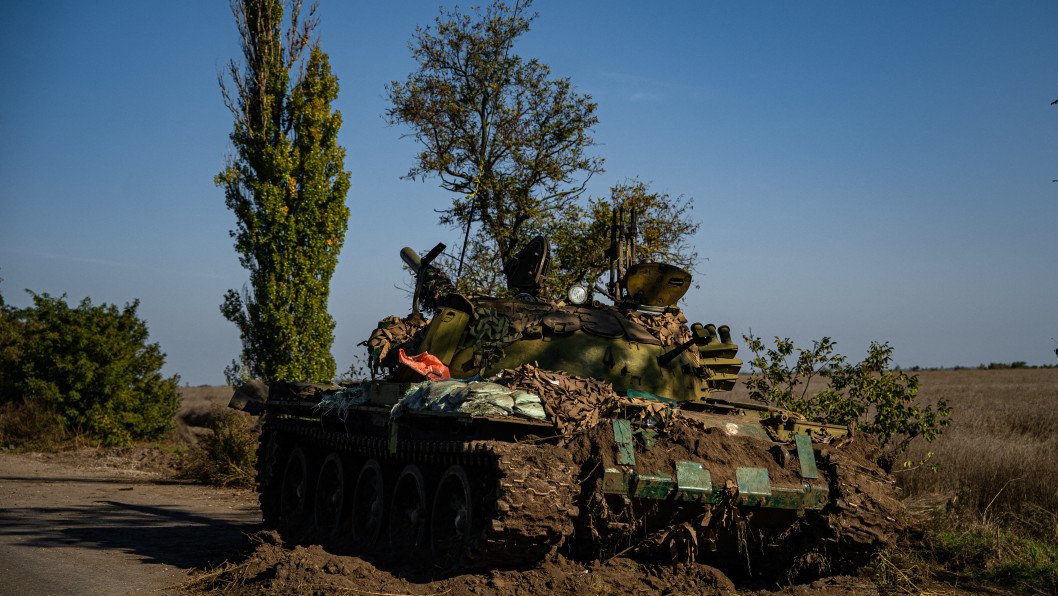
Analysts following the thread say the implications are twofold: the Kremlin can still field large numbers of vehicles, but many are old, fragile, or require significant work; and the pool of easy, fast-to-refit replacements is shrinking, forcing Moscow to stretch repair timelines or commit lower-quality machines to frontline roles.
Earlier, Russia’s Ministry of Defense began auctioning off dozens of destroyed tanks and armored vehicles as scrap metal.
The auction includes T-80, T-72B3, and T-62 tanks, along with infantry fighting vehicles, armored personnel carriers, and MT-LB multipurpose armored tractors.
Officially, the listings describe the lots as “ferrous and nonferrous scrap metal,” yet photos clearly show destroyed combat vehicles with visible battle damage.
Discuss this article: