- Category
- Latest news
Russia Pulls 50-Year-Old T-72A Tanks From Scrapyards as Modern Armor Runs Out
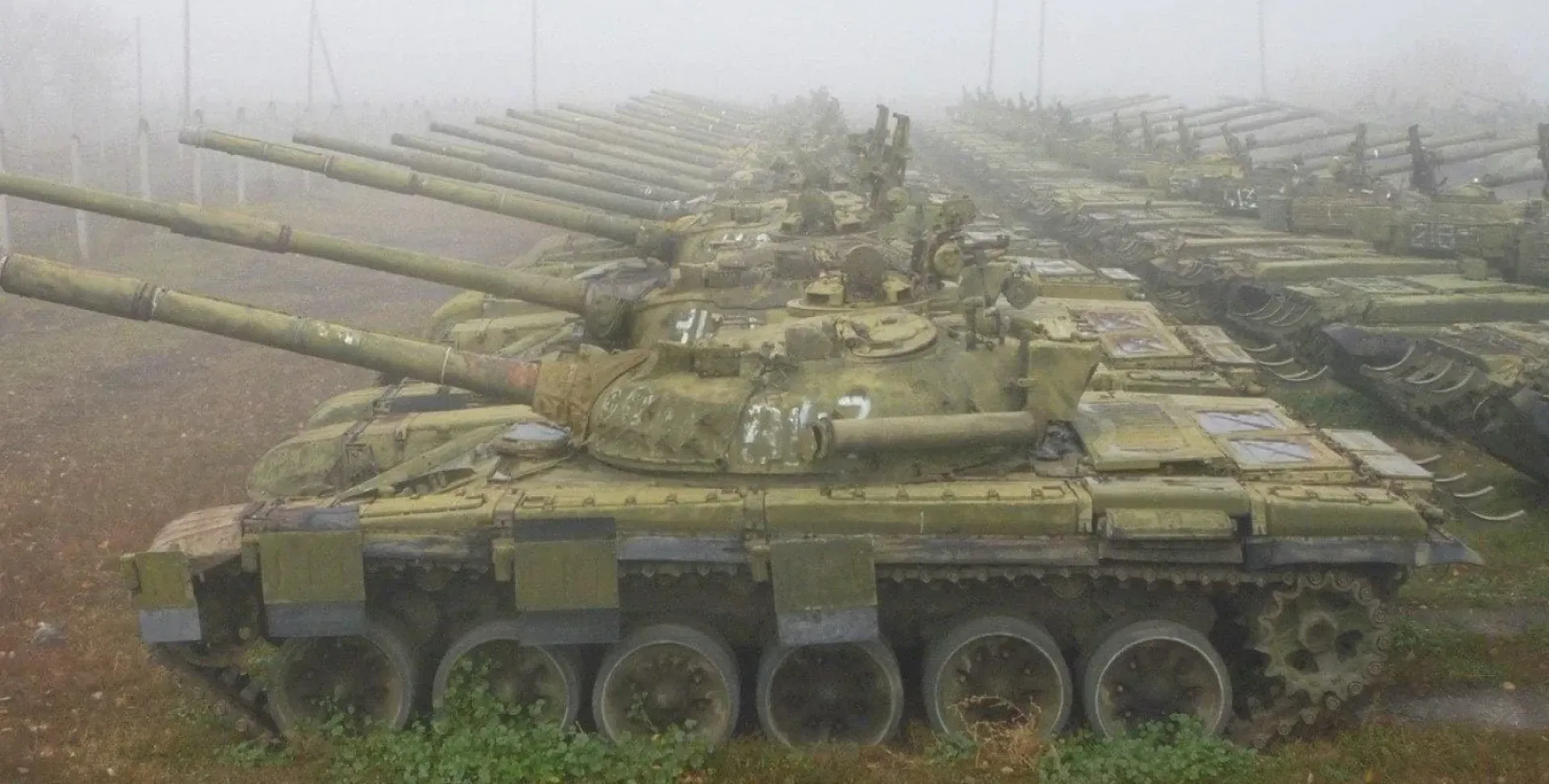
Struggling to replenish its depleted armored forces, Russia is now pulling Cold War–era T-72A and T-72 Ural tanks—many in disrepair—from long-term storage, according to satellite imagery.
 Prefer U24 Media on Google
- Authors


Russia appears to be reviving mothballed Soviet-era T-72A tanks to fill the growing gap in its armored forces, according to a new open-source intelligence (OSINT) analysis based on recent satellite imagery, published by OSINT researcher Jompy on July 14.
Jompy, who has tracked Russian tank storage depots throughout the war, reported fresh signs of activity at several major storage facilities, including the 349th base, where large numbers of T-72A tanks are held.
— Jompy (@Jonpy99) July 14, 2025
“Based on recent signs at major tank storage bases like the 349th that hold T-72As, it appears Russia is prepping them to bring them back to service,” Jompy wrote.
He added that the observed movement is likely part of a sorting process, as Russian forces attempt to identify which tanks—many of them in disrepair—can be refurbished.

Stocks of modern tanks are dwindling
Until recently, Russia had primarily relied on restoring T-72B and T-80 tanks to replenish its battlefield losses.
However, OSINT data now suggests those stocks are largely depleted, forcing the military to fall back on older, more degraded systems like the T-72A and even earlier T-72 “Ural” variants.
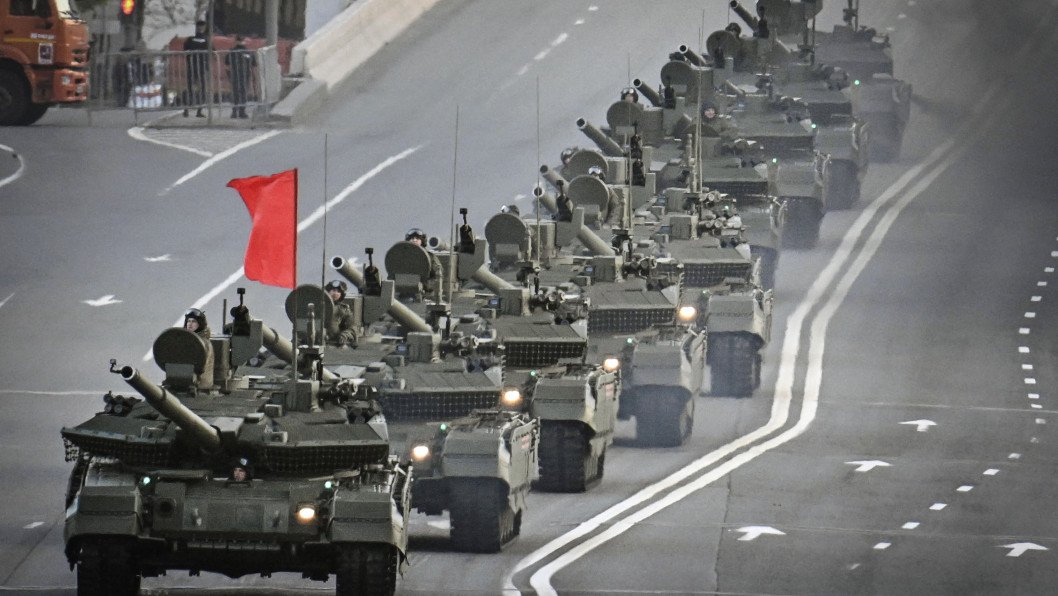
By earlier estimates, Russia had 1,142 T-72 tanks in storage across its facilities, including T-72As and Ural models. According to Jompy’s assessments, virtually all of them were categorized as being in “poor” or “very poor” condition.
One recent satellite image of the 111th Base shows that nearly all of the remaining well-preserved equipment has disappeared: “Only half the base is visible, but the one that stored the remaining well-preserved equipment—almost everything is gone.”
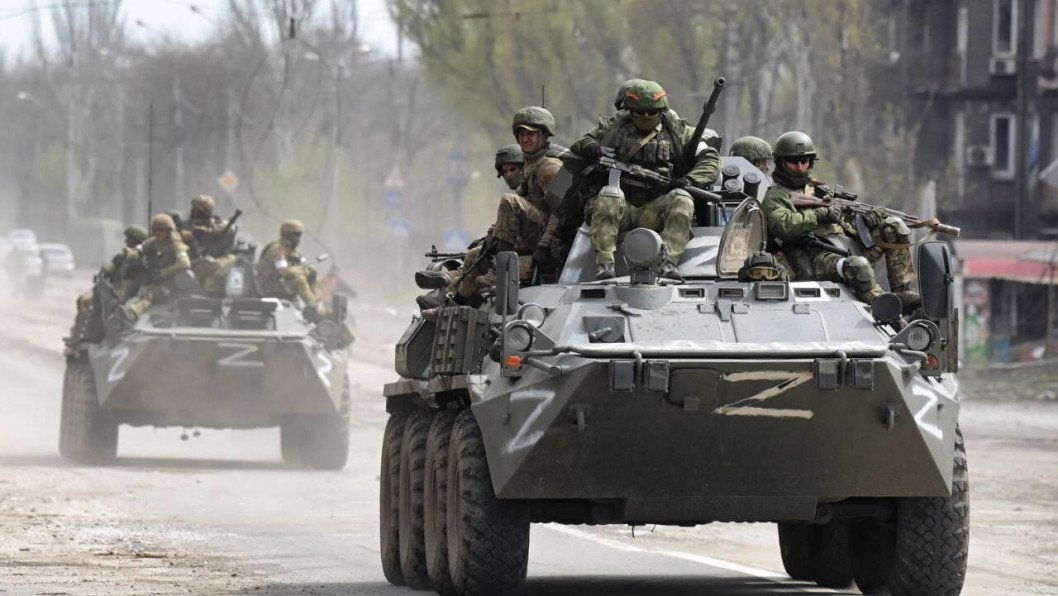
At the 1295th Base, the situation looks even worse: “A bunch of very rough-looking BMPs and that’s it. Even the huge scrapyard is getting emptied—probably the local officer in charge is profiting from selling scrap metal to local dealers.”
Return to Cold War armor
The T-72A is a Soviet second-generation main battle tank adopted by the USSR in the late 1970s and based on the original T-72 “Ural”, which entered service in 1973.
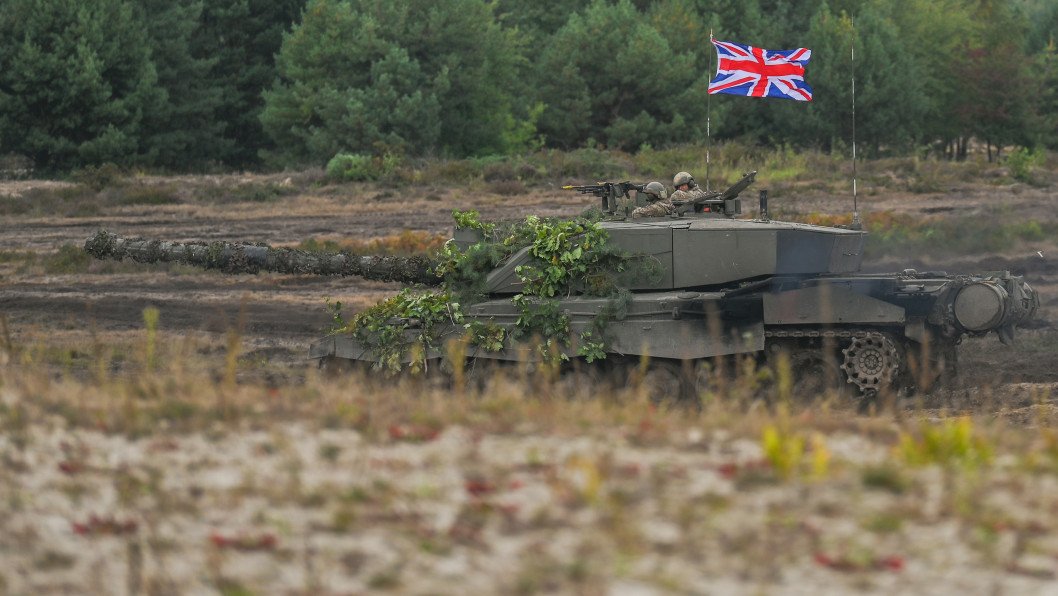
Built by Uralvagonzavod in Nizhny Tagil, the T-72A was widely exported and produced under license in multiple countries, including Poland, Yugoslavia, and India.
It features a 125 mm smoothbore gun, composite armor, and a three-man crew, but it is significantly outdated compared to modern Western systems like the M1 Abrams, Leopard 2, or Challenger 2, especially in terms of fire control, protection, and engine power.
Though technically still in service in some countries, the T-72A has long been regarded as obsolete for high-intensity warfare without major modernization—something that Russia now seems too strained to afford in volume.
Analysts say the effort to restore these Cold War-era tanks underscores the depth of Russia’s armored losses and the stress placed on its defense industry. After two and a half years of full-scale war in Ukraine, even the vast Soviet stockpiles are showing signs of exhaustion.
While it remains unclear how many T-72As can be returned to service—and how effective they would be on the modern battlefield—their reactivation highlights just how costly the war has become for Moscow’s ground forces.
Earlier, Russia’s military had patented a foldable protective screen for tanks that closely resembles Ukraine’s widely used improvised anti-drone structure known as the “hood.”
The design, originally developed and deployed by Ukrainian forces, has now been replicated and formalized by Russia’s central military engineering academy.
The document explicitly states that the Russian design offers “1.2 to 1.5 times” greater effectiveness in terms of combat efficiency relative to cost when compared to existing alternatives.
Discuss this article: