- Category
- Latest news
Russia Pulls Rusting IFVs From Kostroma Storage to Replace Massive Frontline Losses
 Prefer U24 Media on Google
- Authors


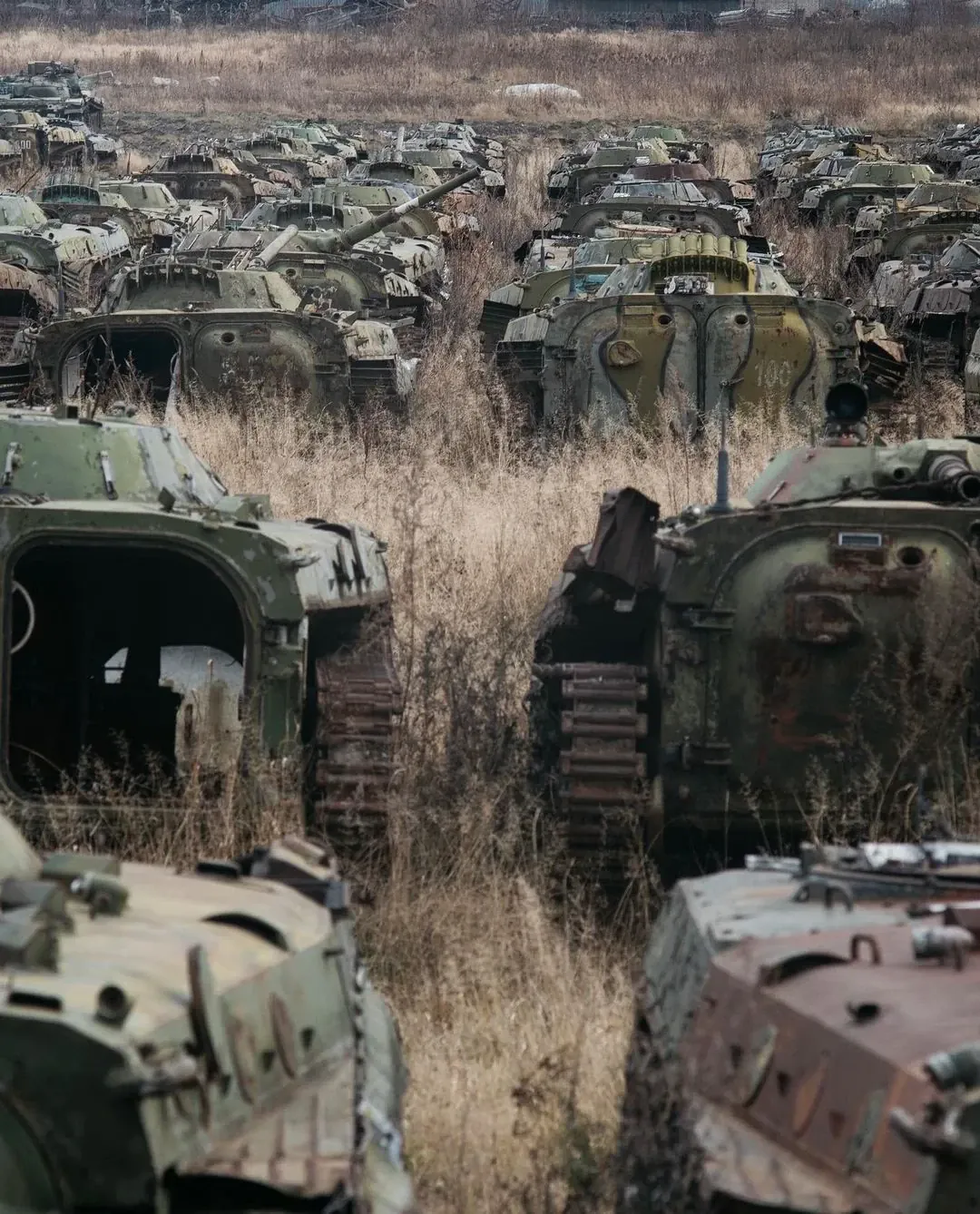
Russian forces have stepped up efforts to pull aging infantry fighting vehicles (IFVs) out of long-term storage at the 111th Central Tank Reserve Base in the Kostroma region, according to new satellite imagery released by OSINT military analyst Jompy on October 6.
The image shows heavy activity at the site, with large numbers of armored vehicles being removed from storage.
The 111th was just updated on GE. They're finally tackling all those wrecked BMPs and trying to repair as many as possible: pic.twitter.com/NI7iyf7QhN
— Jompy (@Jonpy99) October 6, 2025
Analysts believe the vehicles are either being restored for front-line use or stripped for spare parts to keep other units operational.
Many of the IFVs have been sitting outdoors for years, leaving them badly corroded and in critical condition. Rusted hulls, damaged engines, and degraded electronics significantly reduce their combat readiness.
You can see piles of cannibalized hulls and also repaired BMPs waiting to be dispatched from this facility: pic.twitter.com/G89wa1Lr8e
— Jompy (@Jonpy99) October 6, 2025
The 111th Central Tank Reserve Base (military unit 42857), located near the town of Buy in the Kostroma region, is one of Russia’s key storage facilities for armored vehicles under the Central Military District.
The base holds a major share of Moscow’s reserve armor, which the Russian military has been scrambling to reactivate and deploy to Ukraine.
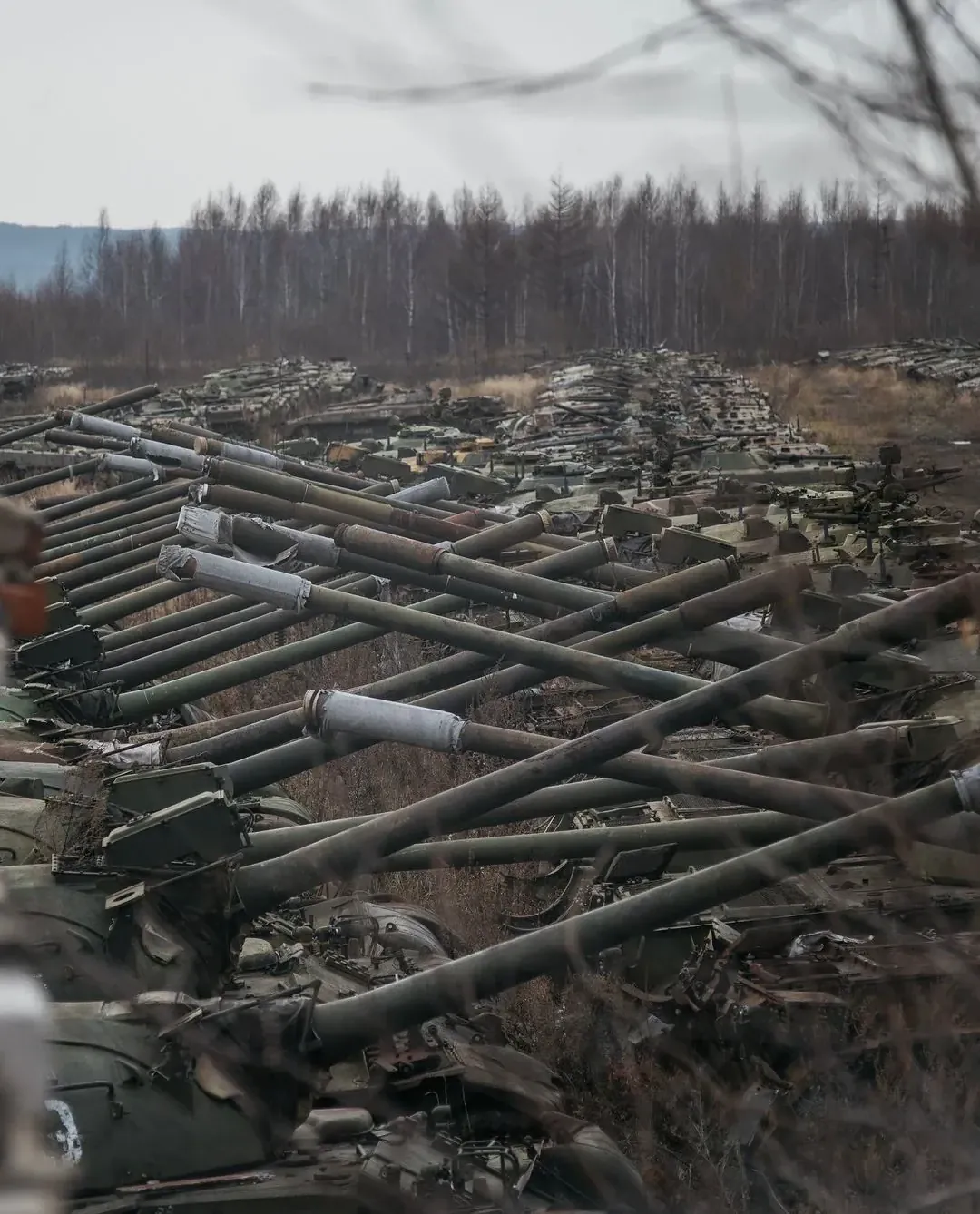
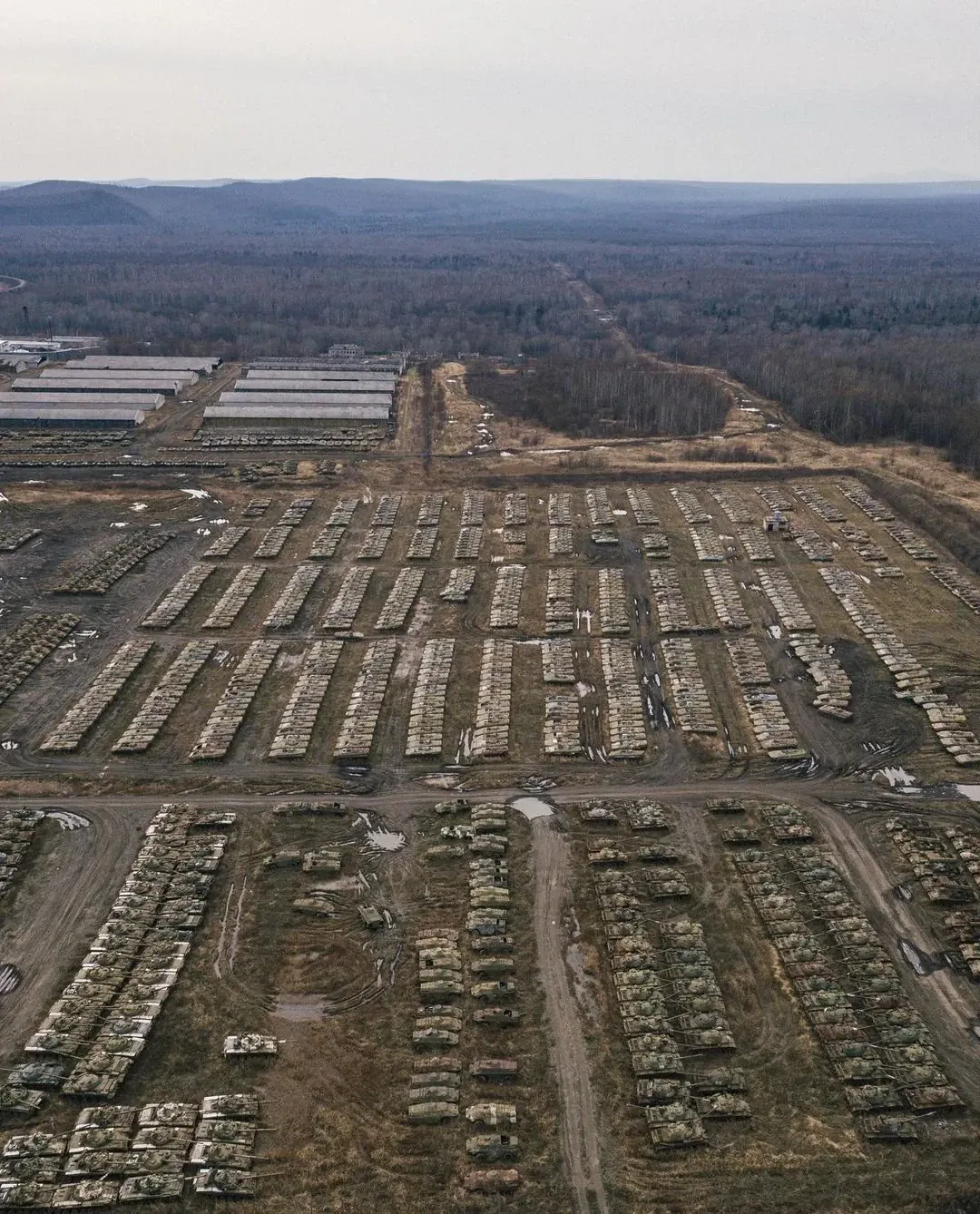
As of 2022, the facility housed 307 serviceable tanks, including 61 kept under dry-air storage conditions.
Another 561 units were in reserve, while 207 were marked for disposal—a total of 1,075 tanks and 360 covered parking spaces in hangars.
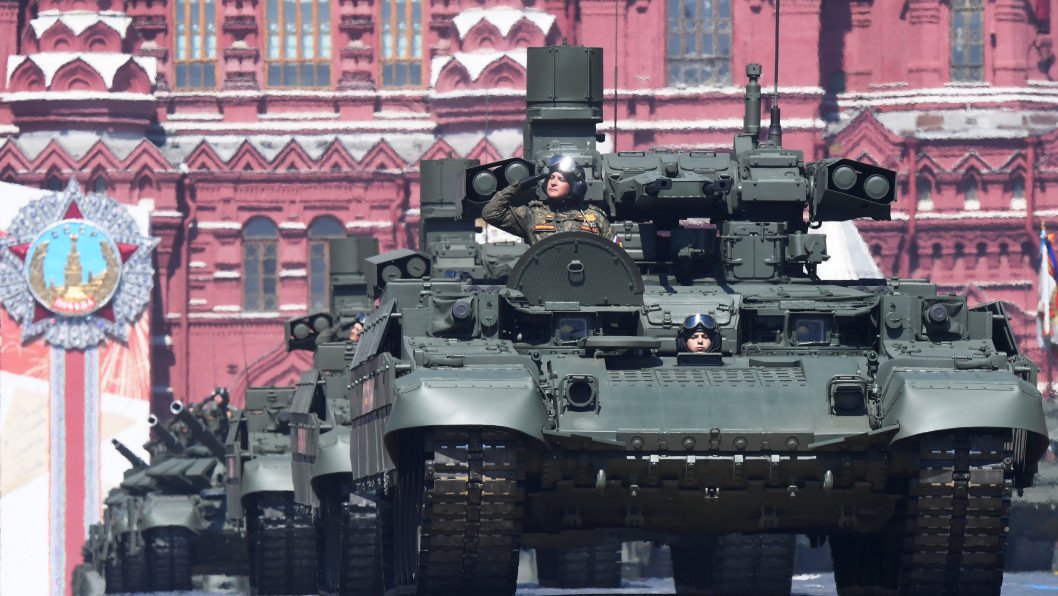
Independent analysts, including Conflict Intelligence Team, Oryx, and other OSINT researchers, have documented a sharp decline in the number of armored vehicles stored in the open since the start of Russia’s full-scale invasion.
In 2021, the base held over 800 tanks; by 2023, only a few hundred remained, many of them unfit for combat. By mid-2024, a large portion had either been removed or dismantled for parts.
Earlier, Russia’s Ministry of Defense began auctioning off dozens of destroyed tanks and armored vehicles as scrap metal.
Discuss this article:
-331a1b401e9a9c0419b8a2db83317979.png)


-c439b7bd9030ecf9d5a4287dc361ba31.jpg "Photo of Katherina Popilnichenko")