- Category
- Latest news
Four Years On, Russia’s Occupation of Zaporizhzhia Nuclear Plant Remains a Global Threat
 Prefer U24 Media on Google
- Authors


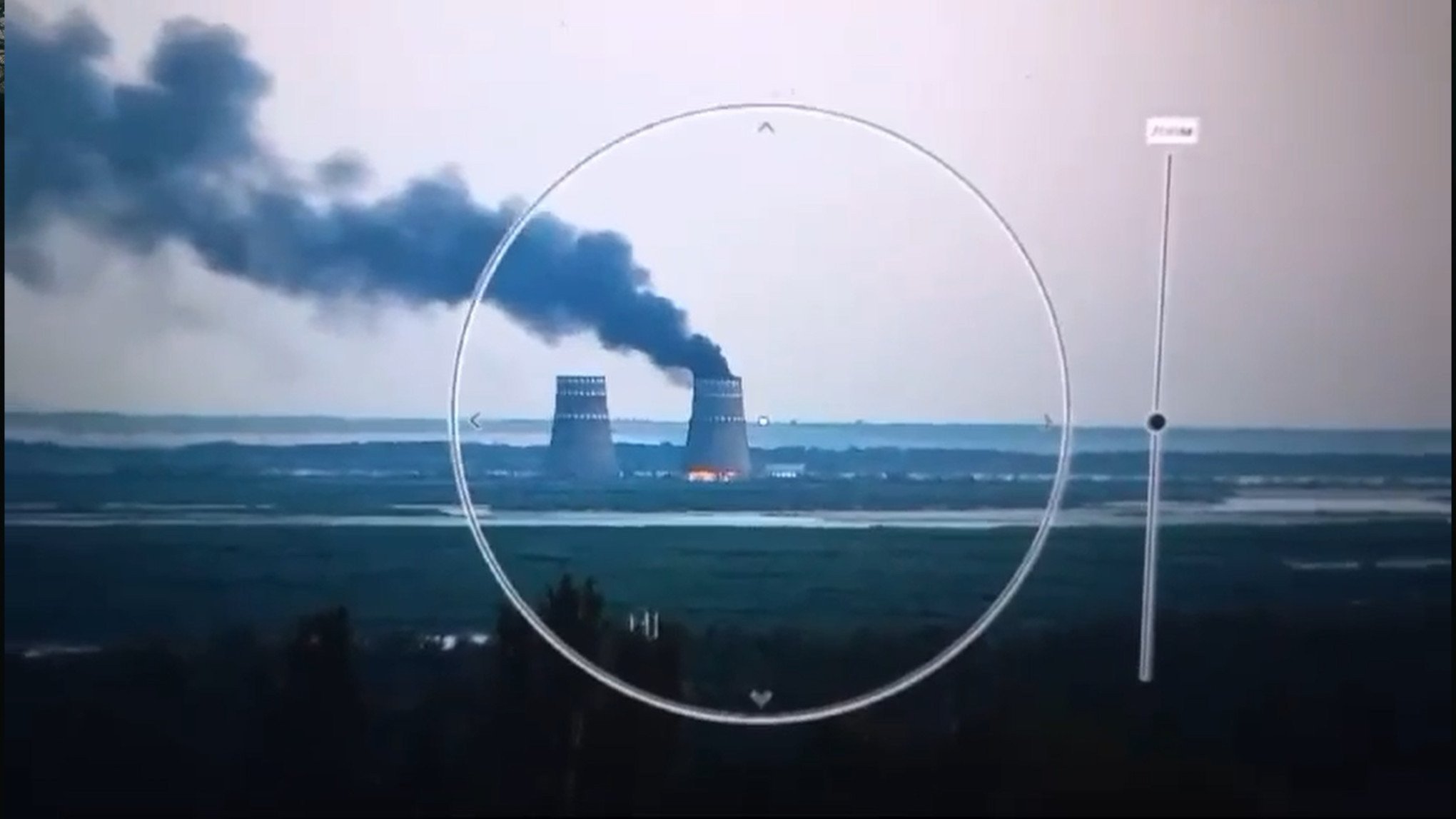
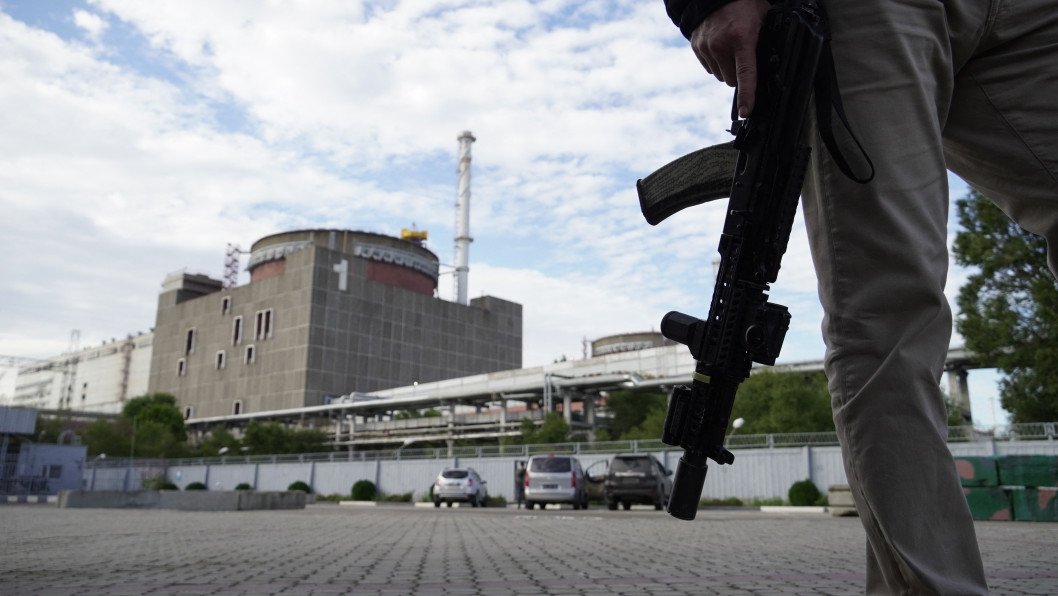
The Ukrainian Ministry of Foreign Affairs has condemned the continued Russian occupation of the Zaporizhzhia Nuclear Power Plant (ZNPP), marking four years since the facility's illegal seizure on March 4, 2022.
The Ministry characterized the ongoing occupation as a severe breach of the UN Charter, the International Atomic Energy Agency (IAEA) Statute, and fundamental principles of international humanitarian law and nuclear safety.
We bring you stories from the ground. Your support keeps our team in the field.
“The occupation of the ZNPP is unprecedented in the history of global nuclear energy. For the first time, a civilian nuclear facility of this scale has been forcibly seized by occupying forces and is being used by an aggressor state for military purposes,” the Ministry stated.
The MFA highlighted that the facility has repeatedly suffered full and partial losses of external power supply during the occupation, severely increasing the vulnerability of its security systems.
The Ministry also explicitly warned against any Russian attempts to restart the Ukrainian power units under their control, categorizing such intentions as an illegal appropriation of infrastructure that poses unacceptable risks to global nuclear safety.
-5568db4fb3d8644b8f1bf8244594bec1.png)
Beyond the technological threats, the official statement drew critical attention to severe human rights abuses occurring within the occupied territory. According to the MFA, up to 2,000 civilians in the satellite city of Enerhodar have faced illegal detention, torture, and forced disappearances since 2022. This includes at least 35 ZNPP employees and local residents who were illegally deprived of their liberty, subjected to pressure, and convicted on fabricated charges.
“The use of personnel of a strategic nuclear facility as hostages is a gross violation of international humanitarian law and an additional risk factor for the safety of the plant,” the Ministry emphasized.
Furthermore, the MFA reported that occupation authorities systematically obstruct the work of IAEA experts by restricting access to critical zones, preventing a comprehensive evaluation of the facility's safety levels. The Ministry noted that the presence of international missions must not be used to legitimize or normalize the occupation.
Emphasizing that the weaponization of a civilian nuclear site undermines global non-proliferation and strategic stability, Ukraine announced it has initiated a process to review Russia's standing in international organizations, particularly within the IAEA. The MFA stressed that high-level international visits to Russia regarding nuclear issues must focus exclusively on the de-occupation and demilitarization of the ZNPP.
Diplomatic engagements, the Ministry warned, cannot proceed as “business as usual” while Russia systematically targets Ukraine's energy grid and occupies a major nuclear facility.
To address this global threat, the Ministry outlined a clear set of demands for the international community. These include the immediate demilitarization and de-occupation of the Zaporizhzhia NPP, the restoration of full Ukrainian sovereign control, unrestricted access for international monitoring missions, and the release of all illegally detained individuals.
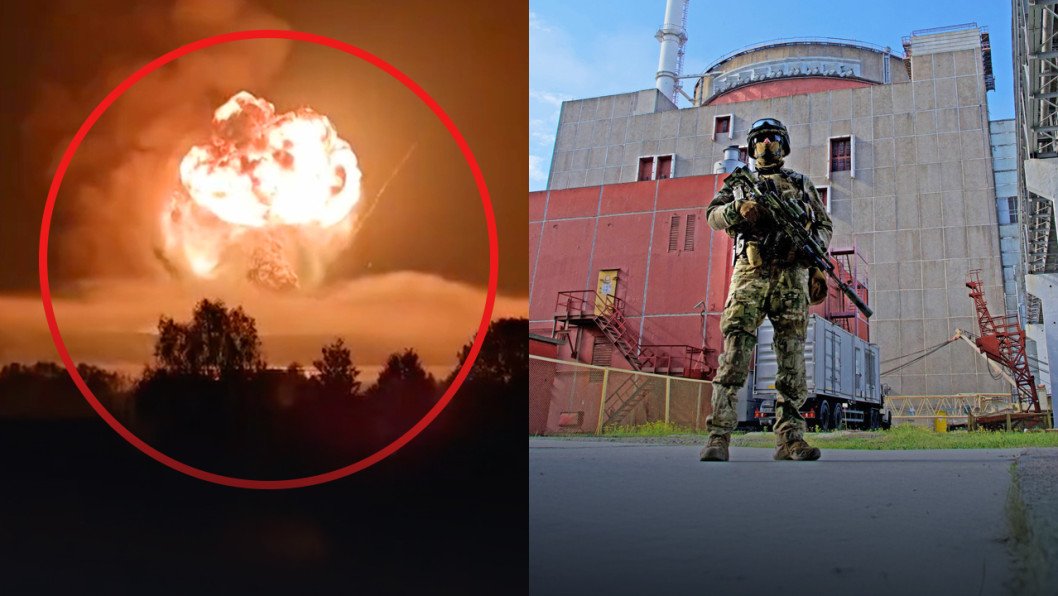
Additionally, Ukraine is calling for direct accountability for the Russian Federation and amendments to the IAEA Statute to eliminate the aggressor state's destructive influence on the organization's activities.
“The security of Europe and the world cannot be held hostage by a terrorist state that uses nuclear energy as an instrument of war,” the statement concluded. “The Zaporizhzhia Nuclear Power Plant must be returned to the full sovereign control of Ukraine in accordance with the norms of international law.”
Earlier, it was reported that the Russian-occupied Zaporizhzhia Nuclear Power Plant lost its final transmission link.
In the absence of grid connectivity, the plant has been forced to rely exclusively on emergency diesel generators to maintain vital cooling and safety operations, with no clear timeline for when the external supply might be restored.
Discuss this article:



-c439b7bd9030ecf9d5a4287dc361ba31.jpg "Photo of Katherina Popilnichenko")