- Category
- Latest news
Russia Risks Another Fukushima as Zaporizhzhia Nuclear Plant Suffers Days-Long Blackout
 Prefer U24 Media on Google
- Authors


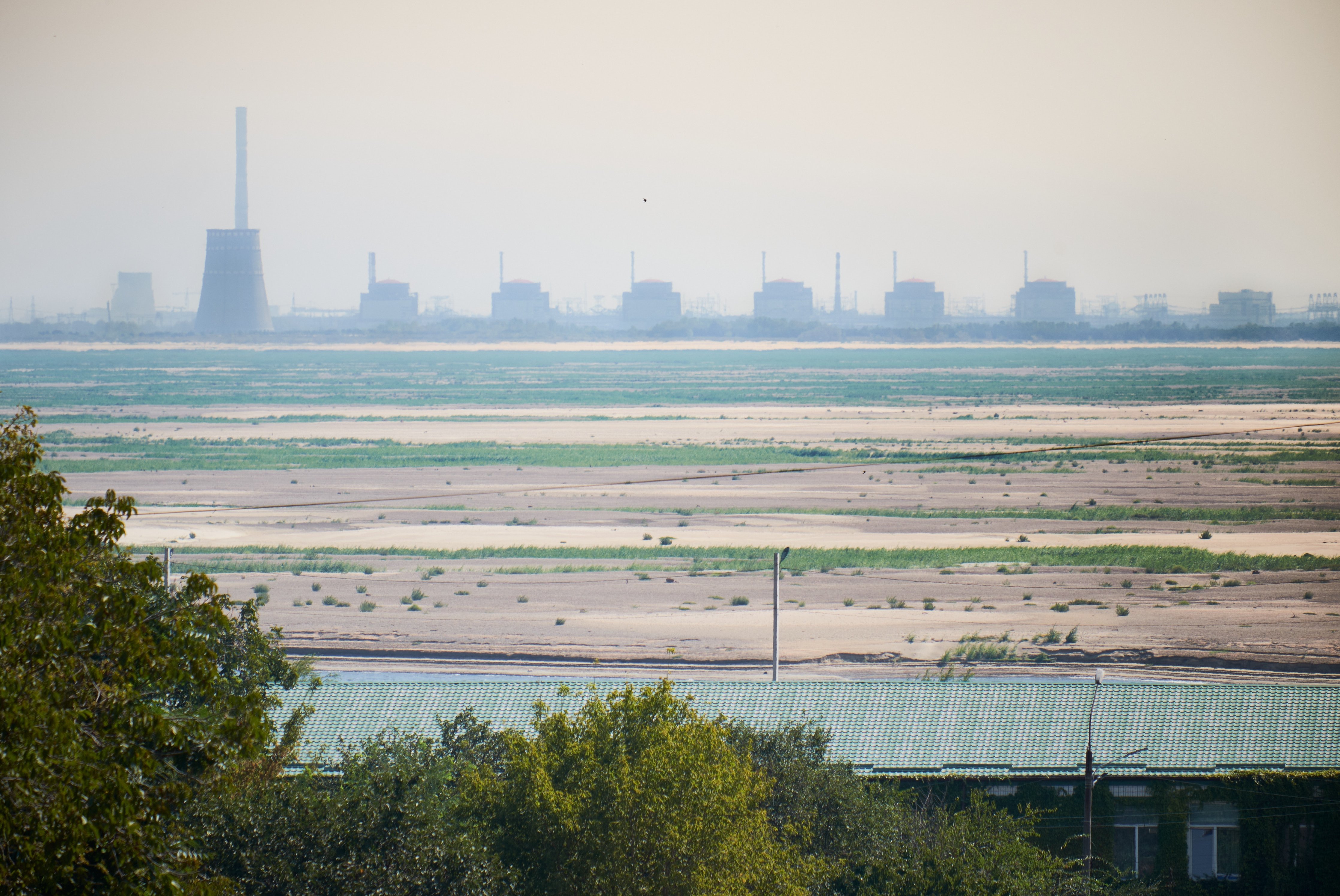
The Zaporizhzhia Nuclear Power Plant, occupied by Russia since 2022, has been without external electricity for four consecutive days, marking the longest blackout since the start of the full-scale war.
According to The Guardian on September 27, the last transmission line supplying the facility was cut on the evening of September 23. Since then, backup diesel generators have powered safety and cooling systems, with no immediate sign of grid restoration.
The International Atomic Energy Agency (IAEA) confirmed that seven of the 18 available generators are currently operating, but warned that prolonged reliance on emergency power increases the risk of an accident.
IAEA Director General Rafael Grossi said the loss of external power “increases the likelihood of a nuclear accident.” Russian operators informed the agency that fuel reserves could last 20 days without resupply.
-47847f6fece9bc736ad556f69e2a1d65.jpg)
Stress tests carried out by European regulators after the Fukushima accident in 2011 indicated that the plant should withstand a loss of external power for 72 hours, though Ukrainian officials told The Guardian this limit has never been tested in practice.
Ukrainian Foreign Minister Andrii Sybiha stated that the blackout is already the tenth power outage caused by Russian actions.
He said, “In result of Russia’s actions, Zaporizhzhia Nuclear Power Plant has already been left without power supply for the fourth day.” Sybiha also warned that Moscow’s attempt to reconnect the facility to its own grid ignores nuclear safety standards and serves political goals.
Satellite imagery analyzed by Greenpeace and cited by The Guardian showed construction of a 201-kilometer power line from Mariupol into occupied territory, suggesting Russia is preparing to integrate the facility into its own energy system.
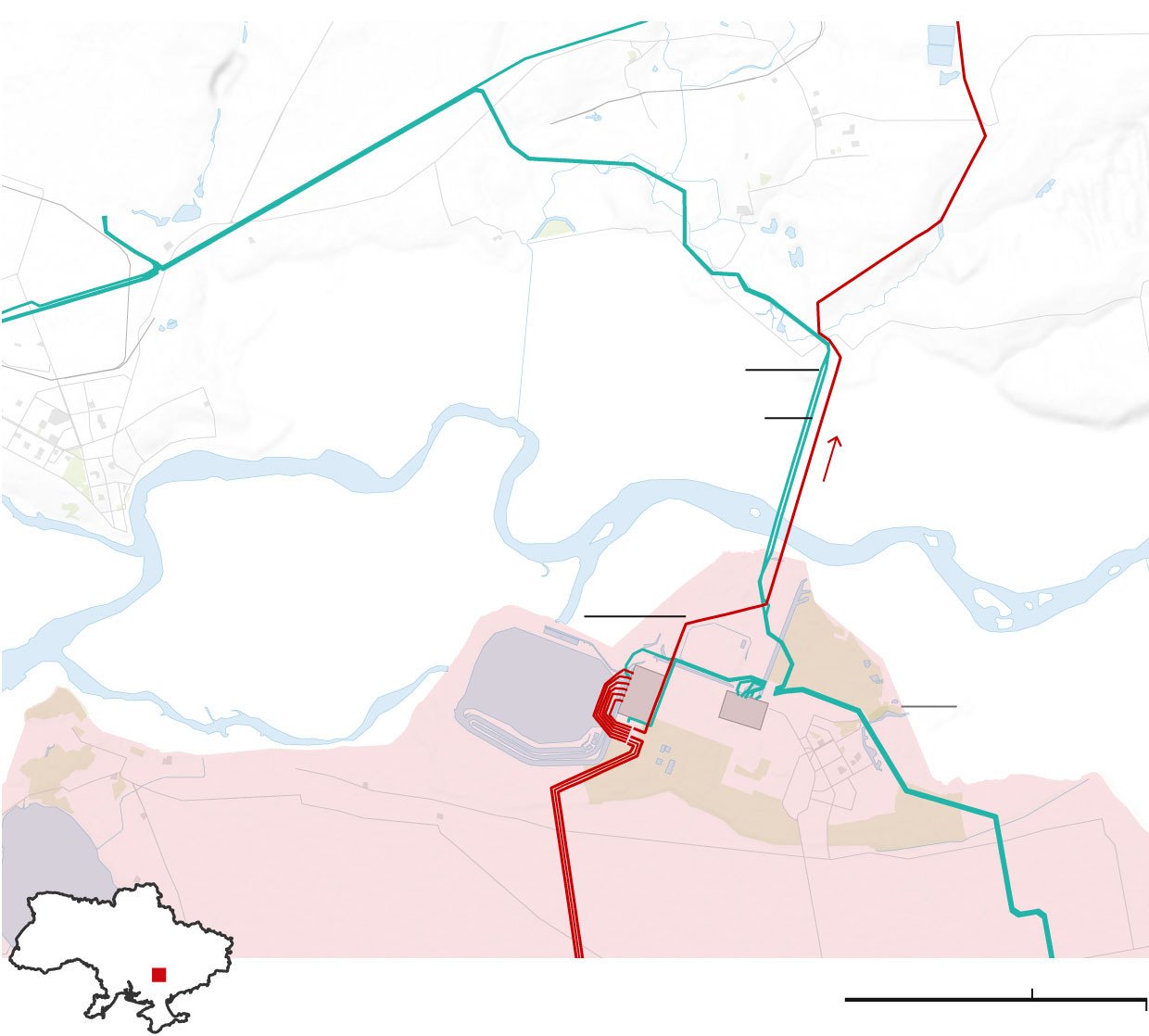
Additional images indicated that occupying forces built a dam across the plant’s inlet channel to secure a controlled water source, potentially sufficient to restart one reactor.
Last week, the Russian-appointed head of the plant, Yurii Chernichuk, announced that integration into Russia’s power network was “in its final stage.”
Greenpeace nuclear expert Shaun Burnie urged the IAEA to take a stronger stance, saying Grossi should demand Russia abandon its plans and acknowledge “full responsibility for the nuclear safety crisis.”
Ukraine’s Foreign Ministry emphasized that any attempt to restart reactors under Russian control could represent the most serious violation of nuclear safety since 1986. Sybiha called on international partners to “make it clear to Moscow that its nuclear gamble must end” and stressed that the facility must be returned to Ukraine as its lawful owner.
Earlier, Ukraine’s Energy Ministry warned that Russia is turning the Zaporizhzhia plant into a military tool, citing new control systems and growing nuclear risks under occupation.
Discuss this article:
-9bd5e1532102621f8fb1c4ba871a3171.png)


-c439b7bd9030ecf9d5a4287dc361ba31.jpg "Photo of Katherina Popilnichenko")
-111f0e5095e02c02446ffed57bfb0ab1.jpeg "Photo of Roman Kohanets")

-72b63a4e0c8c475ad81fe3eed3f63729.jpeg "Photo of Cyril Barabaltchouk")