- Category
- Latest news
Why Russia’s Best Cold War Tank T-80 Is Disappearing
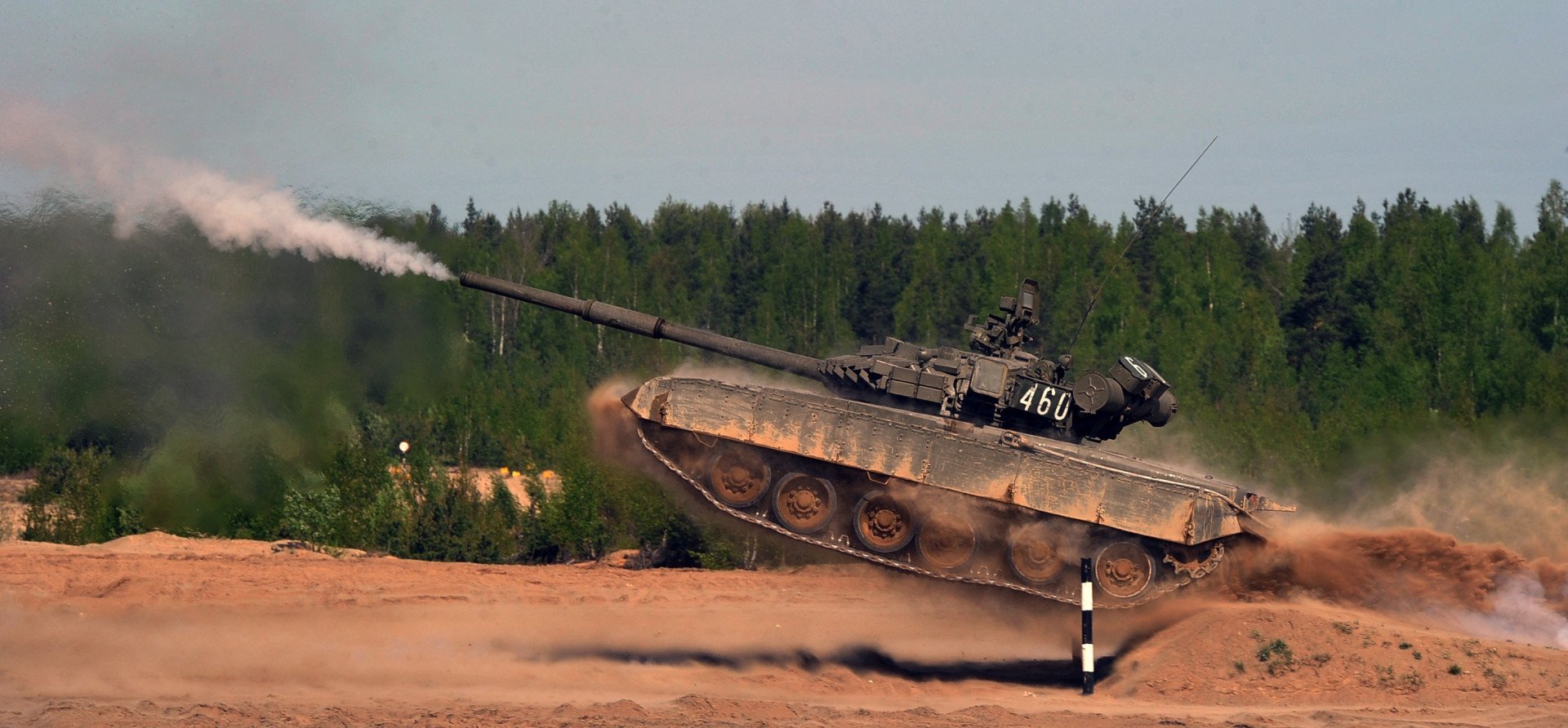
Russia may be running out of one of its most advanced Cold War–era tanks faster than previously believed, according to a new open-source intelligence investigation that suggests the once-formidable T-80 fleet is nearing the end of its lifecycle after years of heavy losses in Ukraine.
 Prefer U24 Media on Google
- Authors




Years of satellite imagery analysis of Russian storage facilities indicate that Russia’s reserve stockpiles of T-80 tanks have almost completely disappeared, according to OSINT researcher Covert Cabal on February 24.
We bring you stories from the ground. Your support keeps our team in the field.
According to the investigation, Russia entered the full-scale war against Ukraine with roughly 1,679 T-80 tanks across active service and storage. After four years of combat and refurbishment cycles, only 134 vehicles remain in storage depots identifiable via satellite imagery.
“That’s it,” the researcher concluded after reviewing imagery from multiple facilities across Russia.
A tank built to rival the Abrams
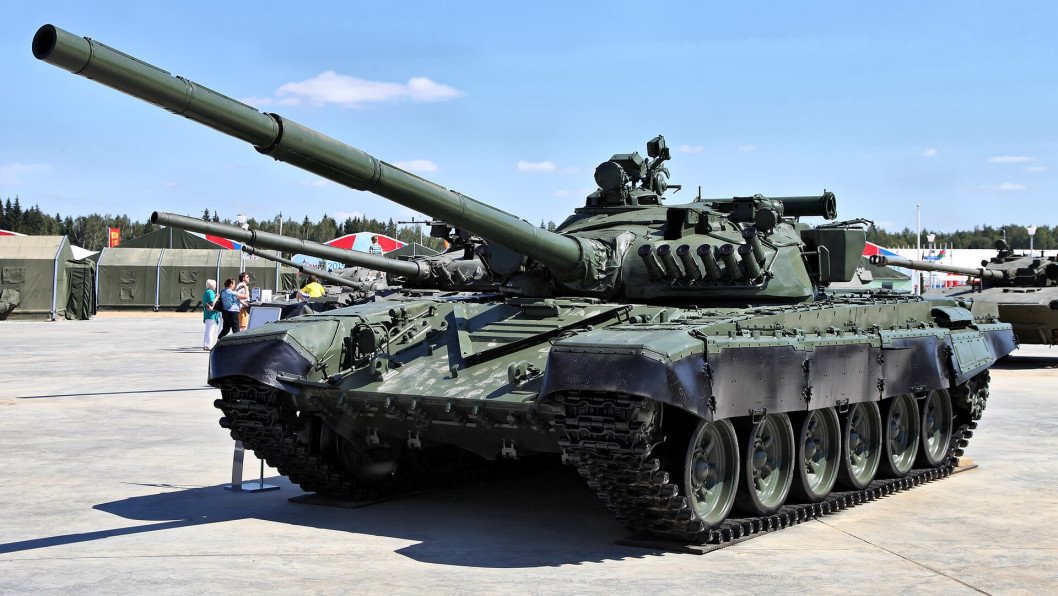
Originally developed during the late Cold War as the Soviet Union’s high-performance counterpart to what would become the US M1 Abrams, the T-80 combined strong firepower with exceptional mobility thanks to its gas-turbine engine.
Soviet planners envisioned it as a top-tier breakthrough tank, paired with the cheaper and more numerous T-72, designed for mass mobilization warfare. But decades later, the tank’s fate appears very different.
Storage bases, once packed now nearly empty
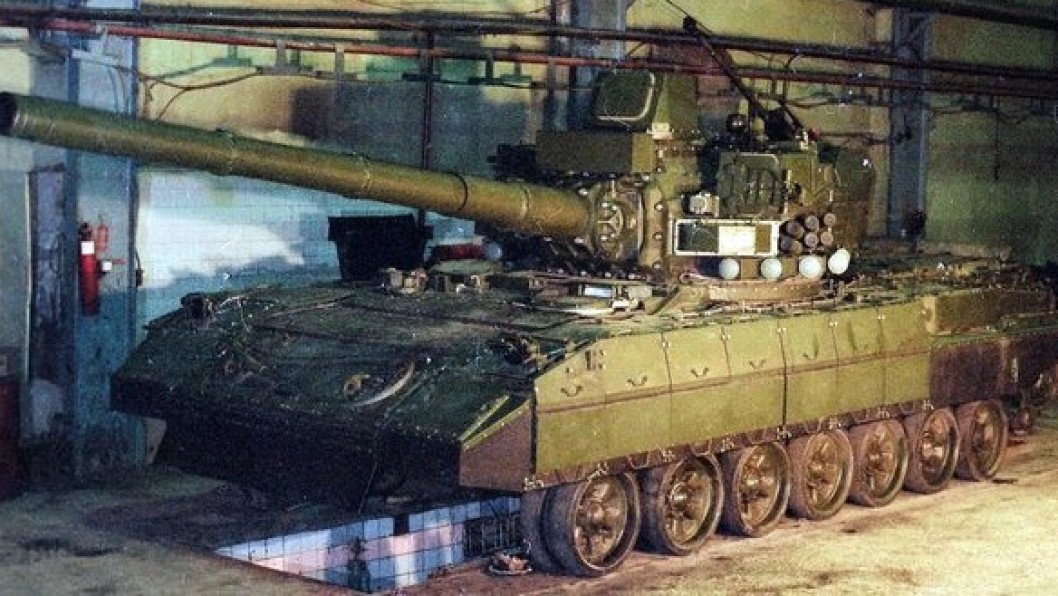
At the start of the war, large storage bases held hundreds of T-80s each. Satellite imagery showed tightly packed rows of armored vehicles awaiting refurbishment.
Over time, however, those numbers steadily declined.
The analysis identified only three remaining storage sites still holding T-80 tanks, including the 22nd storage base, once home to more than 600 tanks, now shows roughly 80 remaining vehicles.
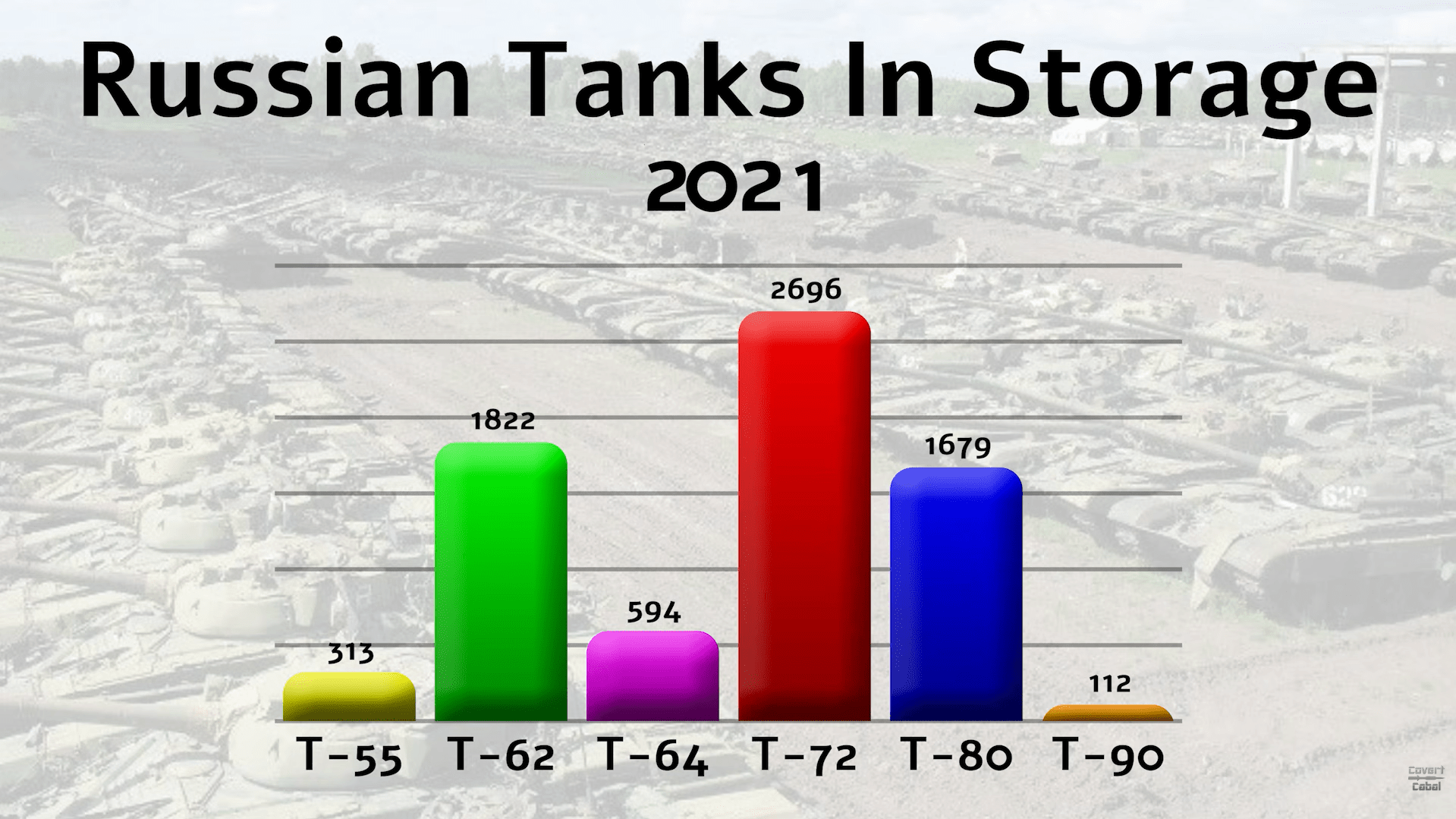
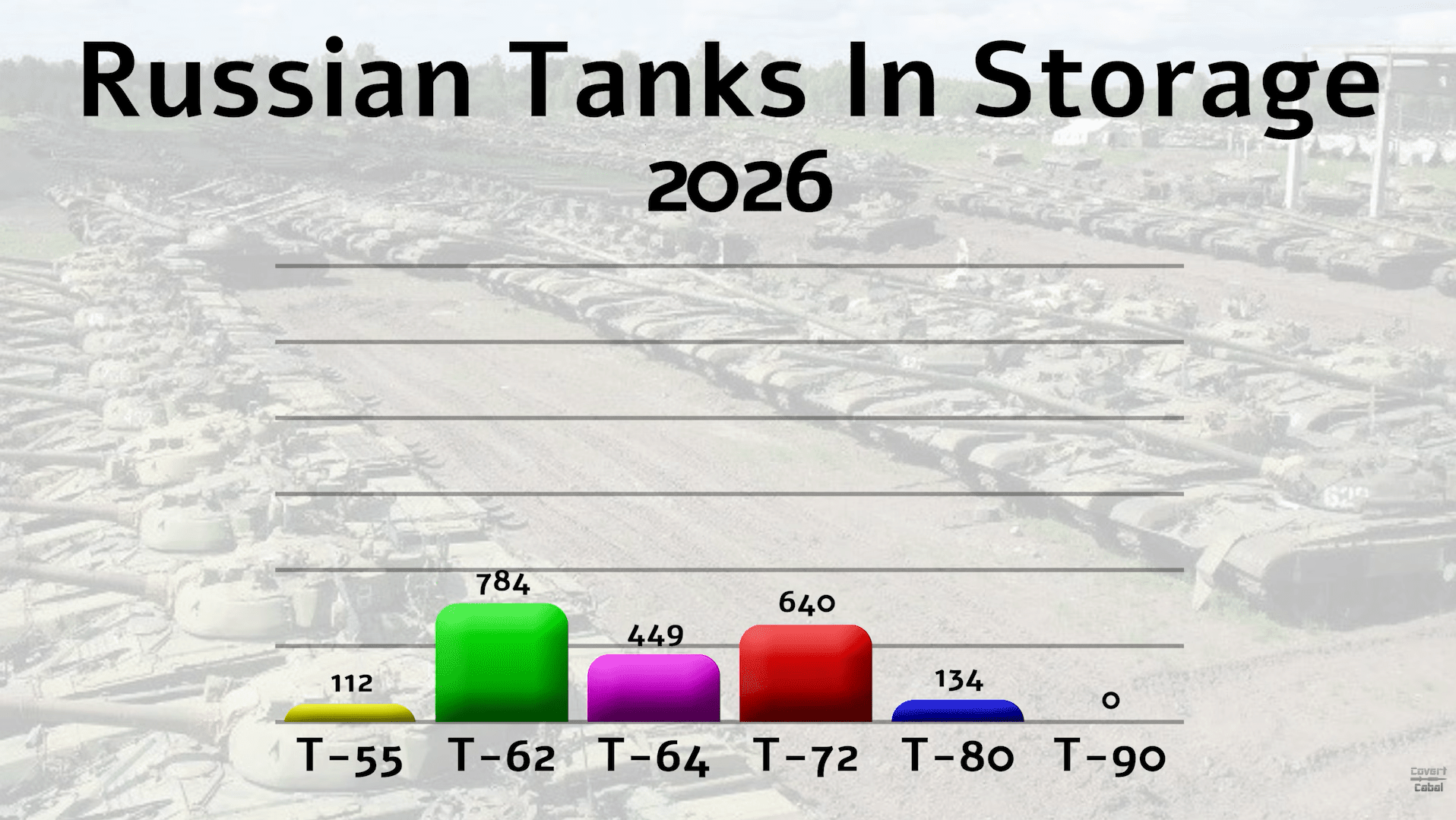
In addition, the 6018th base, where about two dozen heavily deteriorated tanks remain, and the 1311th facility, reduced from around 90 tanks before the war to roughly 26 visible units.
Many of the remaining vehicles appear to be in poor condition, suggesting Russia has already drawn from the best preserved reserves.
8/ Now a base from which there's footage: the 22nd. A pretty interesting storage base, as it stored mostly modern equipment such as T-80U/UDs, BMP-3s and BTR-80s. This one also looks on its last legs by January 2024. Here's a comparison with how it looked before the war: pic.twitter.com/3XhSbqtxAZ
— Jompy (@Jonpy99) April 28, 2024
The pattern reflects what analysts have long expected: usable equipment is pulled first, followed by progressively worse examples until refurbishment becomes economically or technically impractical.
Refurbishment slows as hulls become unusable
A key finding of the investigation concerns Russia’s primary T-80 refurbishment plant.
Earlier in the war, tanks flowed steadily from storage depots into repair facilities, where they were upgraded into modernized variants such as the T-80BVM before returning to frontline service.
Recently, however, satellite imagery suggests a shift.
T-80UD's at the 22nd Tank Reserve Center, in Buy - Kostroma Oblast, Russia, 2010's. pic.twitter.com/ODWvrdY0uJ
— T-90K (@T_90AK) March 27, 2025
Instead of refurbished tanks leaving the facility, analysts increasingly observed support vehicles built using old T-80 hulls, including armored recovery vehicles and heavy weapons platforms. This may indicate that many remaining hulls are too degraded to restore as operational tanks.
The trend, according to the researcher, could signal that Russia’s remaining T-80 reserves are no longer viable for combat restoration.
Among these "disappeared" T-80U pieces, the fate of some are known. Many were simply scrapped in the 206th Armor Tank Repair Plant (BTRZ) in Primorsky Krai, before the plant was bankrupted in 2012. https://t.co/1fwTHQP5Ep pic.twitter.com/A76zvVqprL
— Suyi控 (@partizan_oleg) March 17, 2023
No new production to replace losses
Unlike some other Soviet-era designs, the T-80 has not been produced from scratch since the early 2000s. Modern variants promoted by Russian officials are largely rebuilt older vehicles rather than newly manufactured tanks.
Despite repeated claims that production might restart, Covert Cabal found no evidence that Russia has resumed building new T-80s.
Dmitry Medvedev announced an order for the modernization and production of "thousands of tanks", showing a engineering plant in Omsk with modernized T-80BV tanks. pic.twitter.com/F86ekIx6f3
— NOELREPORTS 🇪🇺 🇺🇦 (@NOELreports) February 9, 2023
Restarting production during wartime would require extensive factory retooling, large financial investments, and months of disruption—making refurbishment of older platforms far more practical.
Signs now suggest Russian industry may be shifting focus toward upgrading T-72 tanks instead.
A gradual disappearance, not a sudden collapse
Covert Cabal analysis emphasizes that armored depletion does not occur overnight. Rather than a sudden moment when tanks simply run out, availability declines gradually as quality deteriorates and operational costs rise.
Both warning signs may now be visible simultaneously: fewer viable vehicles remaining in storage and reduced refurbishment output.
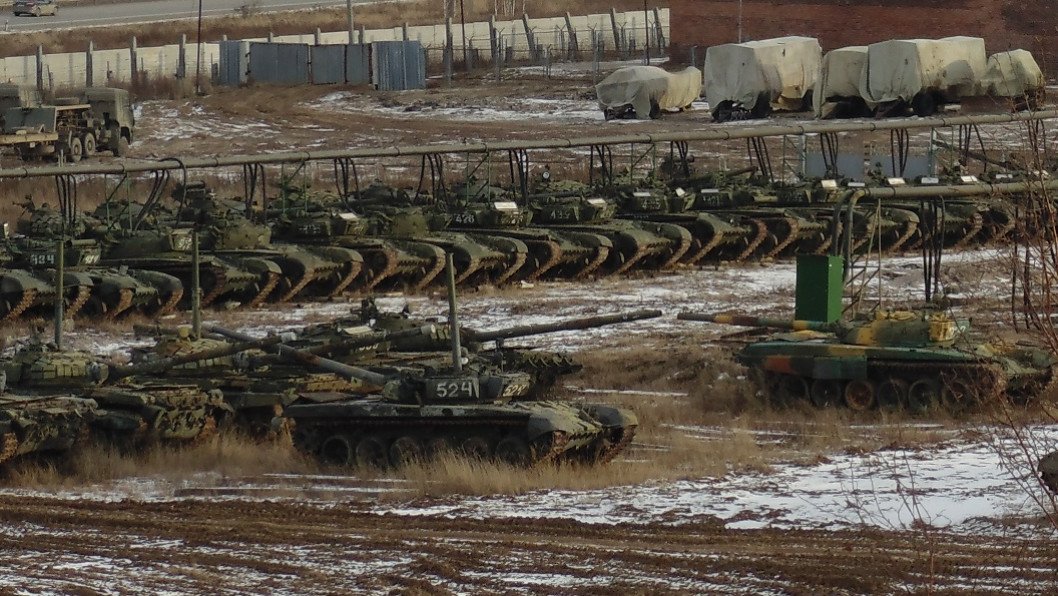
Russia still operates an estimated 400–500 T-80 tanks in active service, but without replacement production or significant reserves, the type’s long-term future appears uncertain.
A Cold War weapon overtaken by modern war
The T-80 was designed for high-speed maneuver warfare against NATO forces in Europe. Instead, it entered large-scale combat decades later under radically different battlefield conditions.
According to the Covert Cabal analysis, the rise of drones—particularly FPV strike drones widely used in Ukraine—has fundamentally altered tank survivability, limiting the advantages of speed and mobility that once defined the platform.
Built to compete with Western armor head-to-head, the T-80 may never have fully realized the role it was designed for.
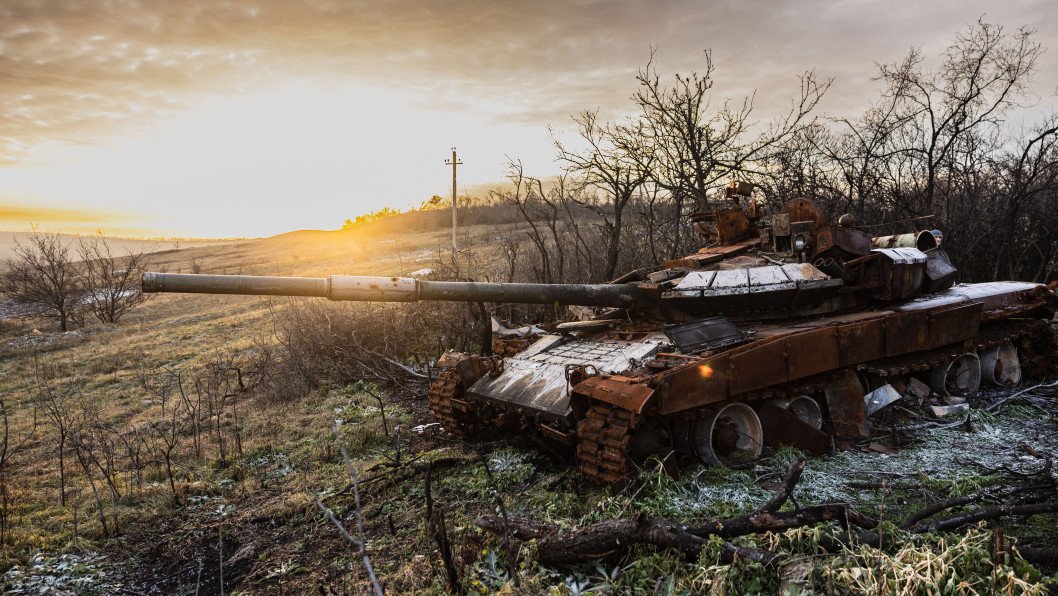
After decades of service and four years of attritional warfare, the investigation concludes that the tank’s story may be nearing its end—not through a single decisive event, but through gradual exhaustion of the reserves that once symbolized Soviet armored power.
The situation with main battle tanks and armored vehicles in the Russian Armed Forces shows the impact of war constantly. For example, recently, the T-90MS main battle tank that was displayed at the International Defence Exhibition in Abu Dhabi was redeployed to the frontline in Ukraine.
Earlier, images circulating online showed a Russian T-55AM tank fitted with additional armor and an overhead metal frame—often referred to as a “cope cage”—reportedly located at a repair facility linked to the 218th Tank Regiment of the 127th Motor Rifle Division.
Discuss this article: