- Category
- Latest news
Russia Falls Back On 1970s T-72A Tanks As Newer Reserves Run Dry
 Prefer U24 Media on Google
- Authors


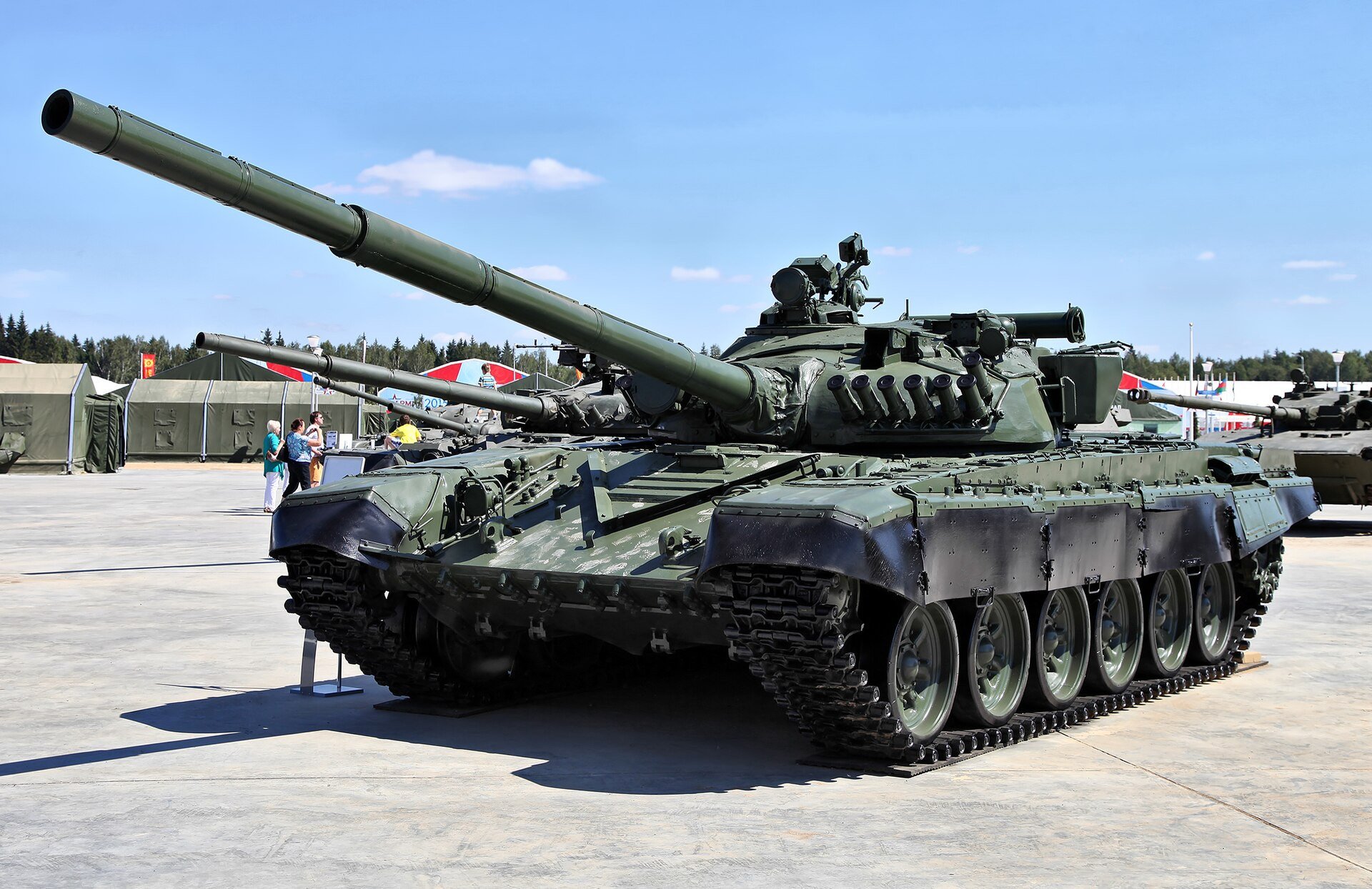
Russia has begun modernizing older T-72A tanks, likely due to the depletion of its remaining T-72B stocks. According to Militarnyi on February 14, newly released footage from Russia’s Uralvagonzavod (UVZ) tank manufacturer shows T-72A tanks undergoing upgrades.
The publication reports that these older vehicles are being equipped with Relikt explosive reactive armor on the turret and protective modules replacing standard external fuel tanks along the side skirts. The video was published by armored vehicle researcher Andrii Tarasenko on his Telegram channel, Militarnyi noted.
We bring you stories from the ground. Your support keeps our team in the field.
Commenting on the development, Tarasenko stated: “But if UVZ can still hold out through 2026 and 2027 on the ‘ancient’ T-72A tanks, then Omsk will already exhaust its stocks of Soviet T-80B (BV) in 2026. Is Russia currently capable of organizing mass production of new tanks?”
According to Militarnyi, the researcher suggested that while Uralvagonzavod may be able to rely on older T-72A tanks through 2026–2027, the Omsk facility could exhaust its stocks of Soviet-era T-80B and T-80BV tanks as early as 2026.
Militarnyi cites analysis from Frontelligence Insight indicating that as of autumn 2025, Russia planned to overhaul and modernize more than 800 T-72 tanks to the T-72B3M standard over a ten-year period. The figure reportedly aligns with the number of T-72 tanks remaining in storage and at armored repair facilities.
According to documentation from Uralvagonzavod reviewed by analysts, Russia intends to complete capital repairs and upgrades on 828 T-72 tanks to the T-72B3M configuration by 2036. Production is expected to peak around 2028. Between 2027 and 2029 alone, 498 T-72B3M tanks are projected to be repaired or upgraded.
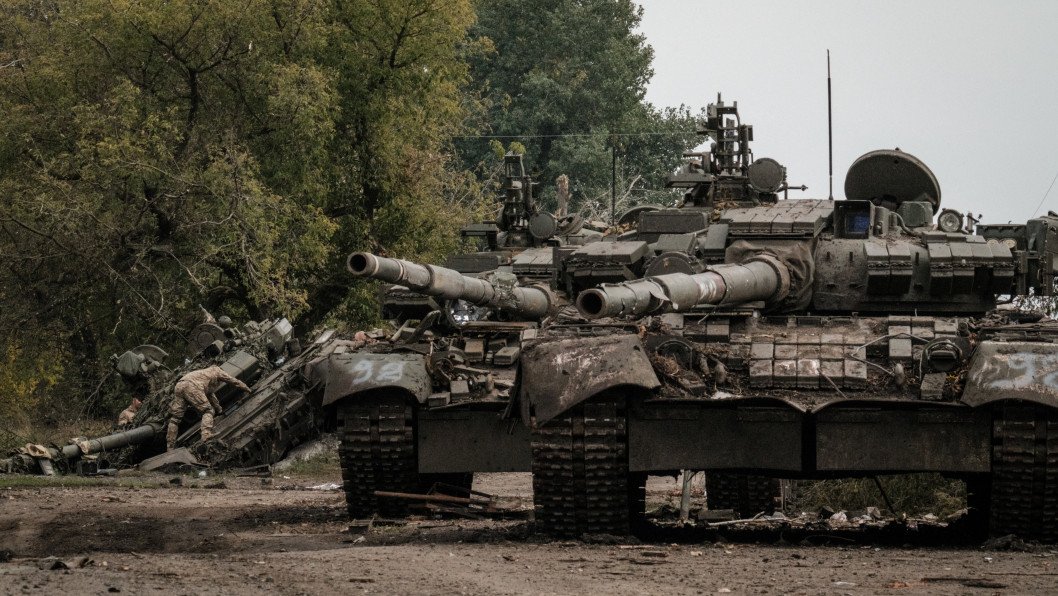
Earlier, Russian forces were reported to have modified a Soviet-era PTS-2 amphibious tracked transporter into a makeshift assault vehicle, according to images shared by OSINT analyst The Dead District on X.
The photos showed the unarmored transport fitted with a metal lattice over its cargo area, rubber sheeting along parts of the hull, and visible wiring likely intended as an improvised counter-FPV measure. Originally introduced in 1973 and based on the T-64 chassis, the PTS-2 was designed as a logistics and amphibious transport platform rather than a frontline combat vehicle.
Discuss this article:
-4a56a6b482ec132402c16ef6fcabf9a2.png)


-72b63a4e0c8c475ad81fe3eed3f63729.jpeg "Photo of Cyril Barabaltchouk")


-111f0e5095e02c02446ffed57bfb0ab1.jpeg "Photo of Roman Kohanets")