- Category
- Latest news
Russia’s Tank Era Is Over—Thanks to Ukraine’s Remote-Controlled Revolution
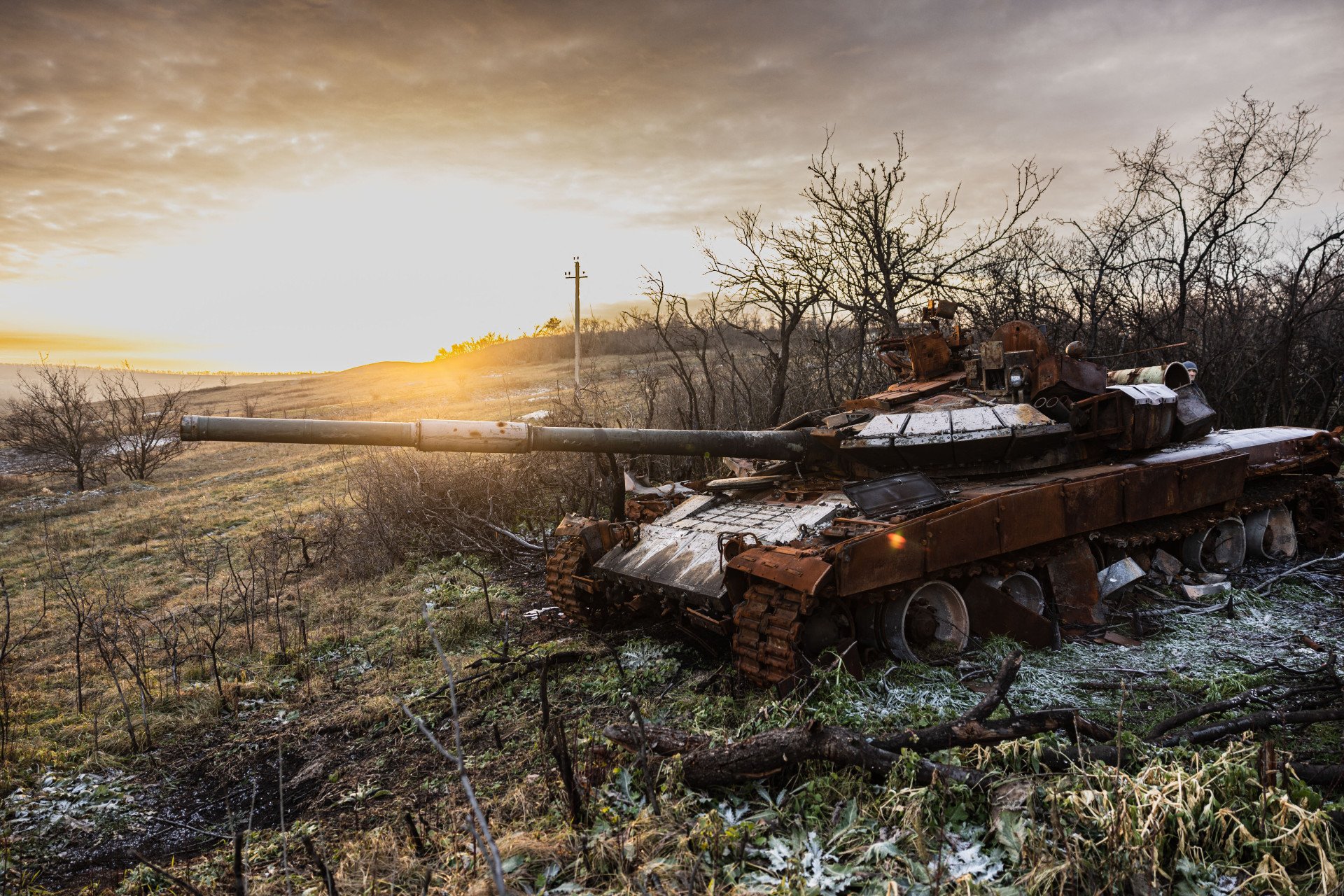
The age of Russian tank dominance is over, and even Moscow is starting to admit it—thanks to Ukraine’s drone advantage.
 Prefer U24 Media on Google
- Authors




Russia’s conventional approach to ground warfare is undergoing a strategic reevaluation, as the use of drones by Ukraine continues to diminish the role of heavy armored units such as tank divisions.
According to Defense Express, Russian analysts are increasingly advocating for a doctrinal shift toward large-scale deployment of unmanned aerial systems (UAS) rather than continued investment in legacy platforms like tanks and attack helicopters.
This Ukrainian FPV drone completely obliterates a Russian turtle tank.
— (((Tendar))) (@Tendar) July 30, 2024
Source: https://t.co/BsURJm43pu pic.twitter.com/lLZzr2OOq5
A recent article published by the Center for Analysis of Strategies and Technologies (CAST) in the Russian outlet Kommersant outlines the growing view within Russia’s military-industrial community that the era of massed armored formations is over.
The publication argues that drone warfare—enabled by lower costs, enhanced autonomy, and AI-driven networked operations—has transformed the modern battlefield in ways that make traditional heavy weapons more vulnerable and less decisive.
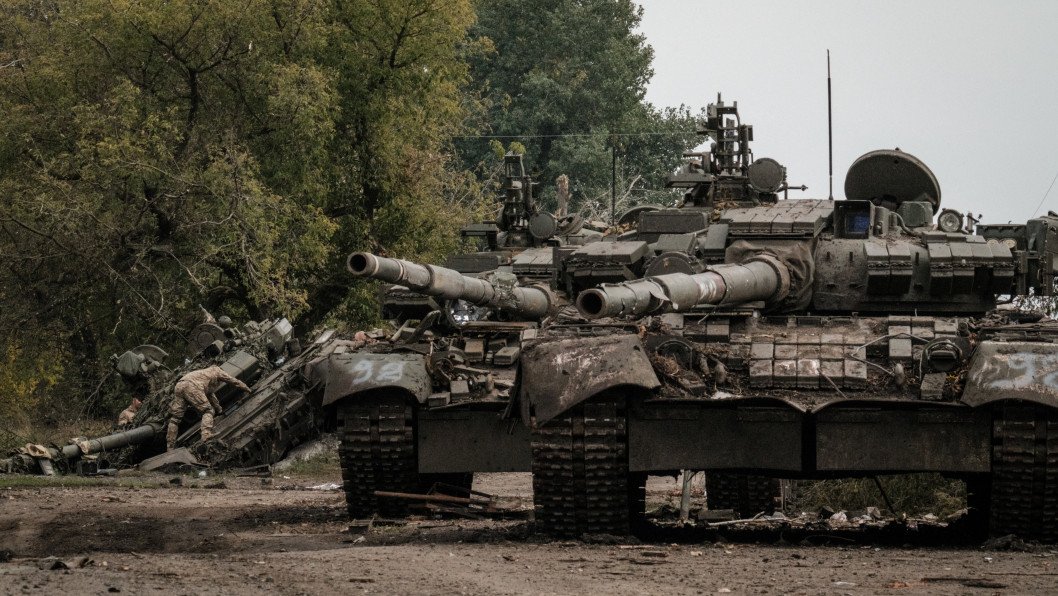
According to CAST, the concept that “tanks will still prove their worth” is being replaced by “drones will prove their worth,” reflecting a broader recognition that unmanned systems are now a critical component of achieving fire superiority and tactical dominance.
The article emphasizes the importance of gaining “drone superiority” as a prerequisite for advancing positions and maintaining control over contested terrain.
From a technological standpoint, CAST notes that miniaturization, artificial intelligence, and low-cost production are enabling the proliferation of drone swarms capable of operating at various depths along the front line. In this environment, electronic warfare and anti-drone capabilities will likely become the most consequential domains of war.
The article also points to economic constraints as a factor in Russia’s evolving defense priorities. CAST highlights that sustained high military spending may not be feasible in the long term, especially as Russia’s defense industry continues to struggle with the development of next-generation platforms.
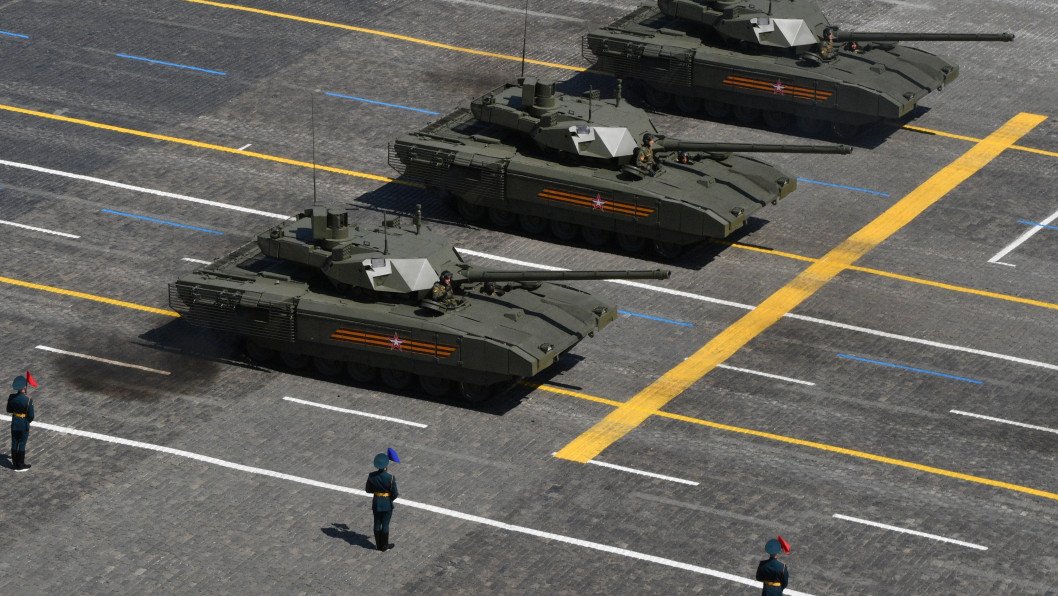
For example, CAST cites the failure of both the “Object 195” and “Armata” tank programs to deliver a viable new-generation main battle tank. In their absence, Russia has relied on modernized variants of older models such as the T-72 and T-80.
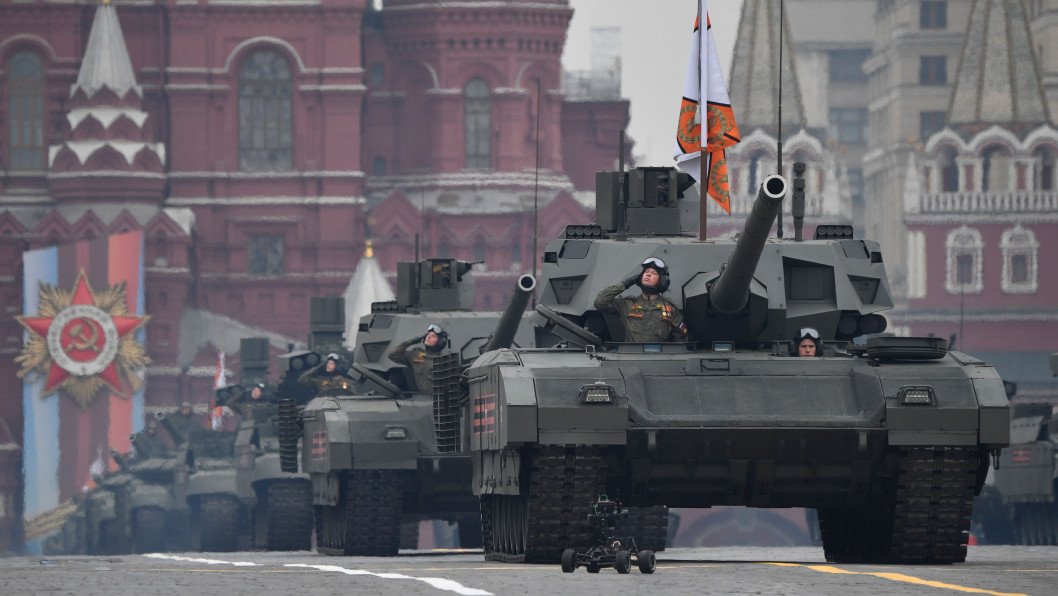
The shift in doctrine may extend beyond ground armor. CAST suggests that other expensive platforms—such as attack helicopters and heavy artillery—also warrant reassessment in light of changing battlefield dynamics and resource limitations.
The organization advocates for investing in fundamentally new types of combat systems rather than attempting to update Cold War-era hardware.
Defense Express notes that while the CAST article signals a potentially significant doctrinal pivot, it also reveals that key segments of Russia’s military leadership may still be resistant to fully embracing drones as the primary force multiplier of modern war.
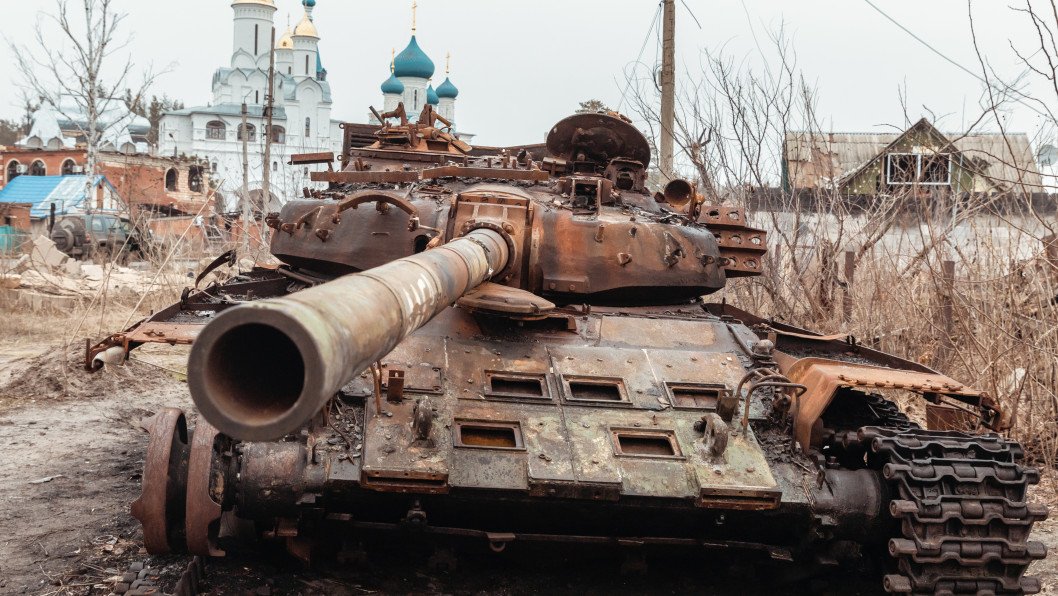
As Russia weighs these options, Ukraine continues to expand its own drone capabilities, positioning unmanned systems as a central pillar of its defense strategy.
Earlier, Ukraine’s Main Intelligence Directorate reported that more than half of the companies linked to Russia’s main tank manufacturer, Uralvagonzavod, remain outside international sanctions regimes.
23 of 41 identified enterprises tied to the conglomerate—including firms involved in tank transport, crew training systems, and critical industrial supplies—have not been sanctioned by any country in the sanctions coalition.
Discuss this article:
-4a56a6b482ec132402c16ef6fcabf9a2.png)