- Category
- Latest news
Russia’s Tank Crews Turn Smoke Launchers Into Anti-Drone Guns—With Disappointing Results
 Prefer U24 Media on Google
- Authors


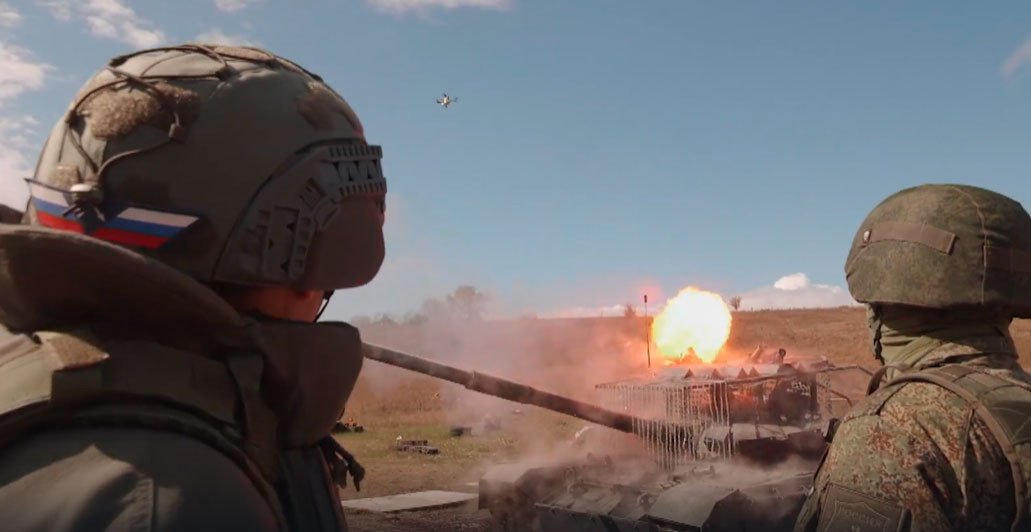
A Russian repair battalion attached to the 20th Army jury-rigged an improvised anti-drone active protection system (APS) out of its standard Tucha smoke-screen mortars—but footage of the tests suggests the makeshift kit only worked when a drone was parked in the system’s “sweet spot,” independent analyst Andrei_bt reported on October 26.
Video from the trial shows perimeter cameras detecting incoming small drones and a human operator manually triggering salvoes from modified Tucha mortar tubes.
Video on attempts to develop an anti-drone Active Protection System (APS) in the Russian Armed Forces. The APS architecture with a stationary defeat system and the chosen off-the-shelf solutions, such as canister charges for "Tucha," in my opinion, will not ensure success in this… pic.twitter.com/91JFUEwaIg
— Andrei_bt (@AndreiBtvt) October 26, 2025
Each tube was fitted with a metal insert filled with propellant and lethal fragments—improvised shrapnel made from nails and wire-tied fishing weights—intended to spray a cloud of metal at the target. In effect, crews turned smoke mortar launchers into short-range shotgun-like anti-drone rounds.
The results were underwhelming. Test footage repeatedly fails to show successful intercepts of a simulated FPV attack drone until the unmanned aircraft was deliberately held only a few meters from the tank protected by the system—directly in the narrow, hard-fixed engagement sector.
Only then did the homemade warhead strike home. Observers note that such a requirement makes the system of little practical value in real combat, where targets approach at speed from unpredictable angles.
Continuation of tests for the makeshift Russian Armed Forces APS from Prijomka. It appears that nails and tied weights, styled like a chain shot, are used as ammunition. pic.twitter.com/Gt2c5XNvpK
— Andrei_bt (@AndreiBtvt) October 26, 2025
Defense forum btvt flagged multiple technical shortcomings in the adaptation. The Tucha’s mortar tubes have thin walls and cannot generate the propulsive impulse needed to launch a dense fragmentation cloud at sufficient speed or distance; adding a metal insert with a larger charge does not solve the ballistic limitations.
Fixed-angle launchers produce fragmented, patchy coverage and create dead zones after a single volley is expended. The reliance on human operators to spot a small, fast FPV drone and manually trigger the mortars further undermines the system’s combat utility.
“Using cameras and a manual trigger is essentially helpless,” the btvt post said. The analysts recommended machine vision and automatic engagement, combined with acoustic sensors or radar, to make such a concept remotely viable — but stressed that even with automation, the physics limits of the launcher and munitions would still constrain effectiveness.
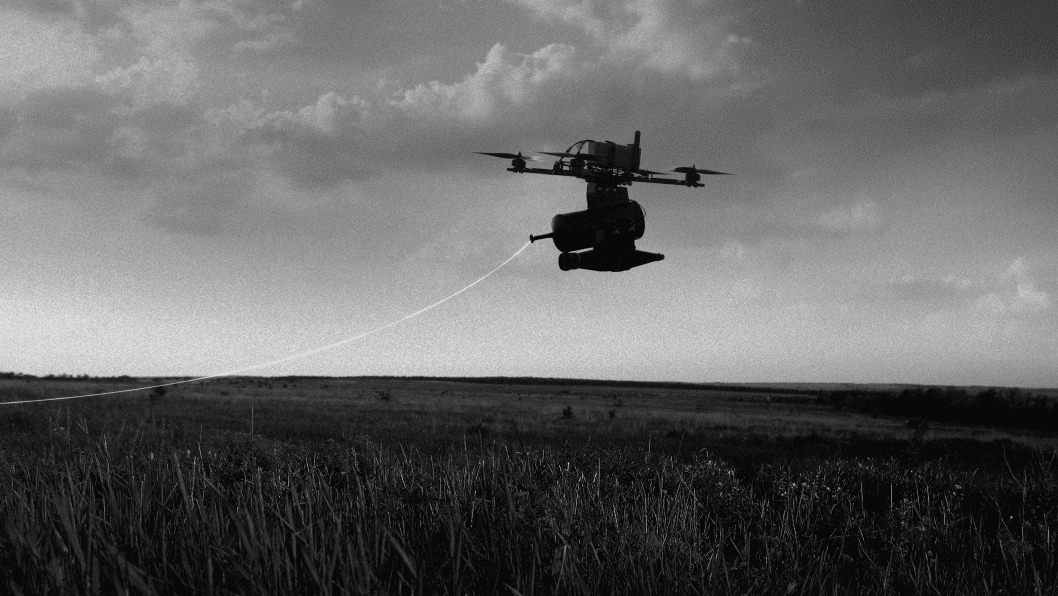
Ukrainian defense media outlet Defense Express noted that the design uses not simple shot but large, wire-linked metal balls (knippels), a throwback to naval anti-rigging loads.
While heavier projectiles can increase hit probability at very close range, they also reduce effective range and require higher muzzle energy than Tucha mortars can safely provide.
Independent military observers added that a true counter-FPV APS will need rapid, automated cueing, a wide-angle array of effectors, and munitions designed for high initial velocity.
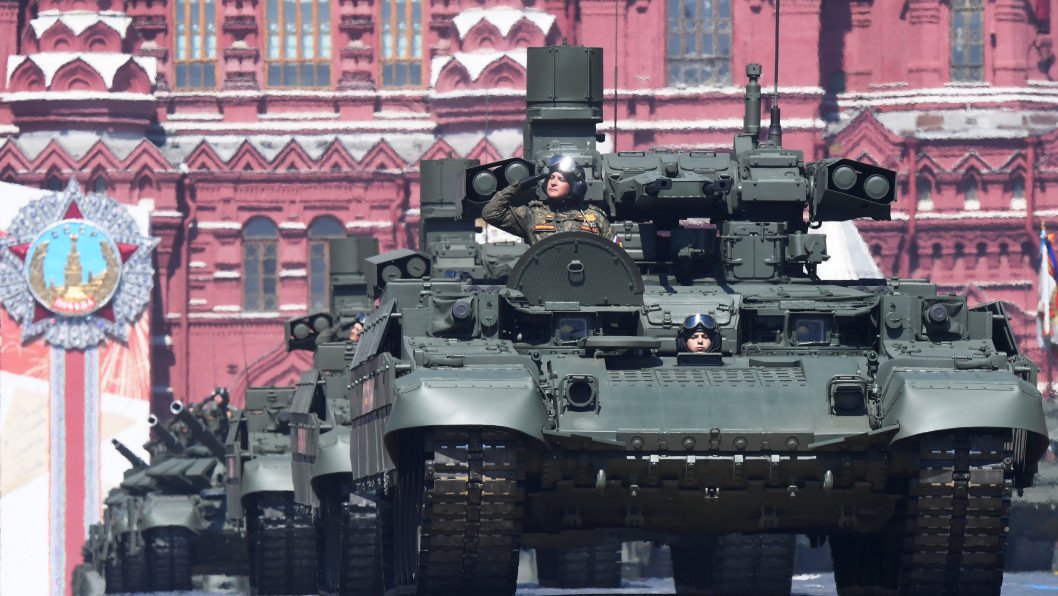
Israel’s Trophy system, and Rafael’s adaptations for counter-drone roles, show how the concept can be implemented—but those programs rely on fast sensors, automated fire control, and effectors engineered for the job, not jury-rigged inserts in smoke mortars.
Earlier, Russia showcased a “Light Afganit” concept aimed at protecting armored vehicles from FPV drones. The system, as described in open-source materials and social media posts, appears to combine detection sensors with electronic warfare effects and hard-kill options, tailored for older platforms that cannot carry the full Afganit APS used on the Armata family.
Discuss this article:




-72b63a4e0c8c475ad81fe3eed3f63729.jpeg "Photo of Cyril Barabaltchouk")