- Category
- Latest news
Russia Revives Cold War Guns With DIY Tech to Hunt Ukrainian Drones
 Prefer U24 Media on Google
- Authors


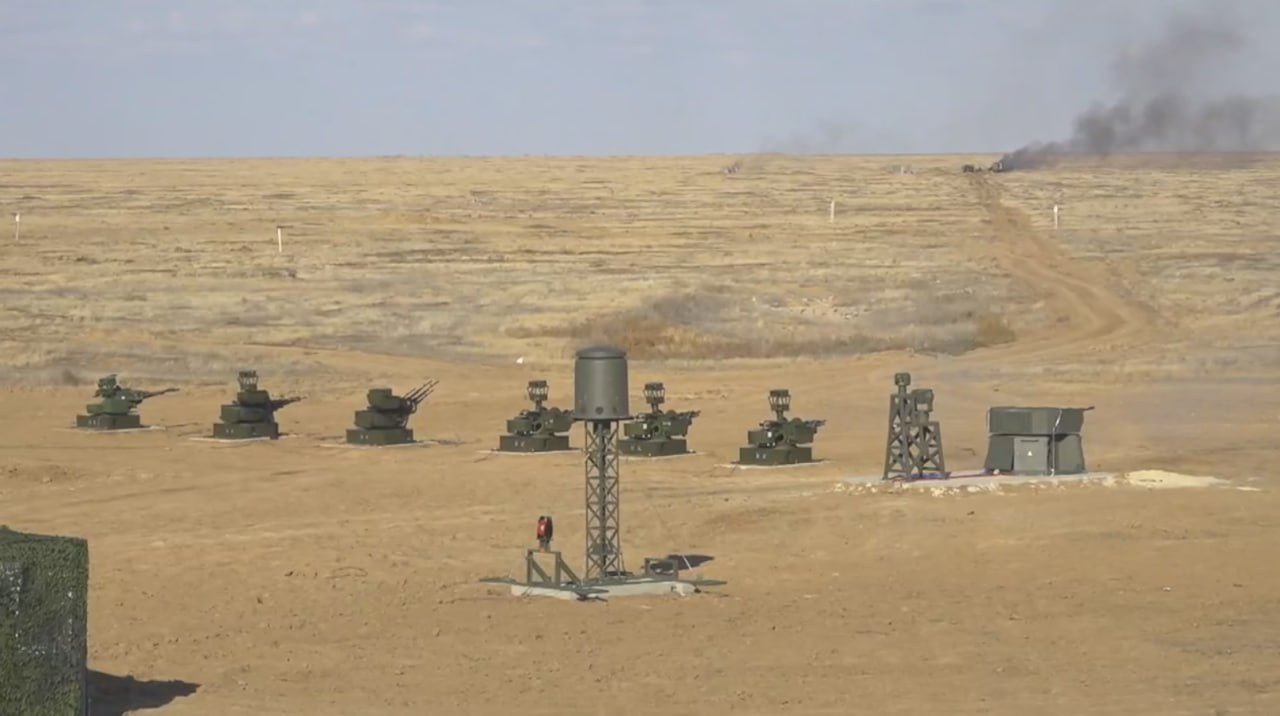
Russia has tested an automated air defense system based on the ZU-23-2 twin-barreled anti-aircraft gun, part of a broader effort to strengthen local defenses against long-range Ukrainian drone attacks, Defense Express reported on October 19.
The demonstration took place at the Kapustin Yar test range in the Astrakhan region, where Russian officials—including Security Council Deputy Chairman Dmitry Medvedev—reviewed several experimental weapon systems.
Among them were remotely operated ZU-23-2 mounts and twin 6P49 “Kord” machine guns, adapted for stationary use.
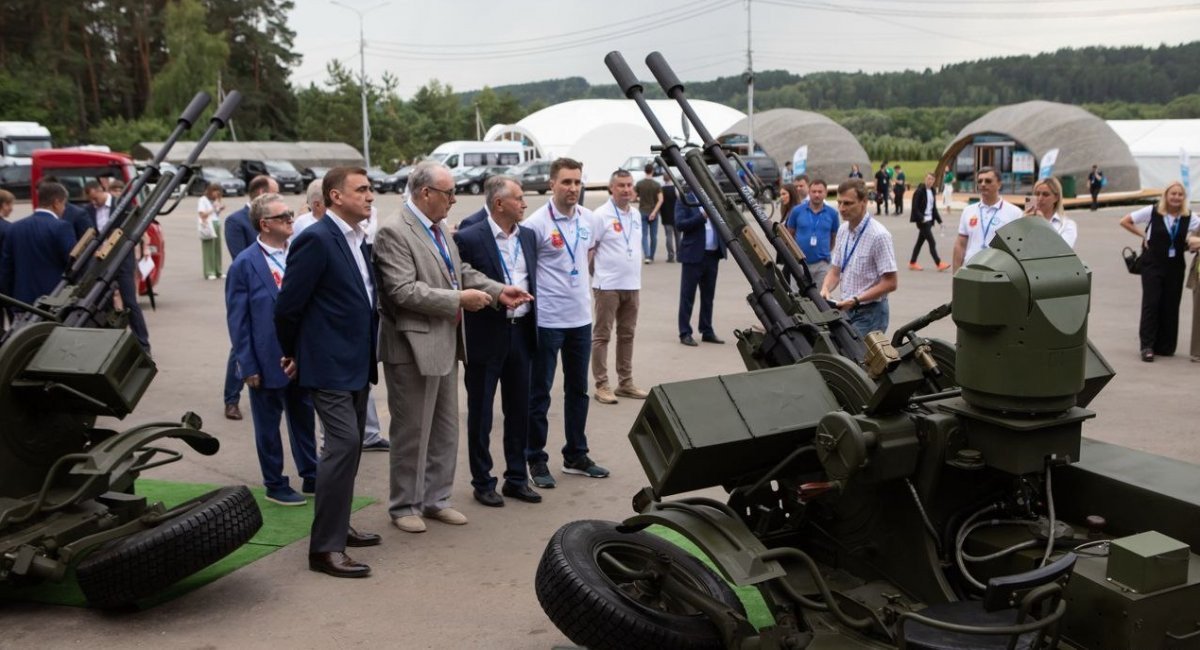
According to Defense Express, the systems were presented as part of an “automated air defense network” designed to identify, track, and engage aerial targets, including drones and missiles.
Footage showed that the new variant of the ZU-23-2 was mounted on a fixed turret without its traditional wheeled carriage.
Each installation appeared to include an optical-electronic sighting system and a small radar, with additional electronic warfare components observed nearby.
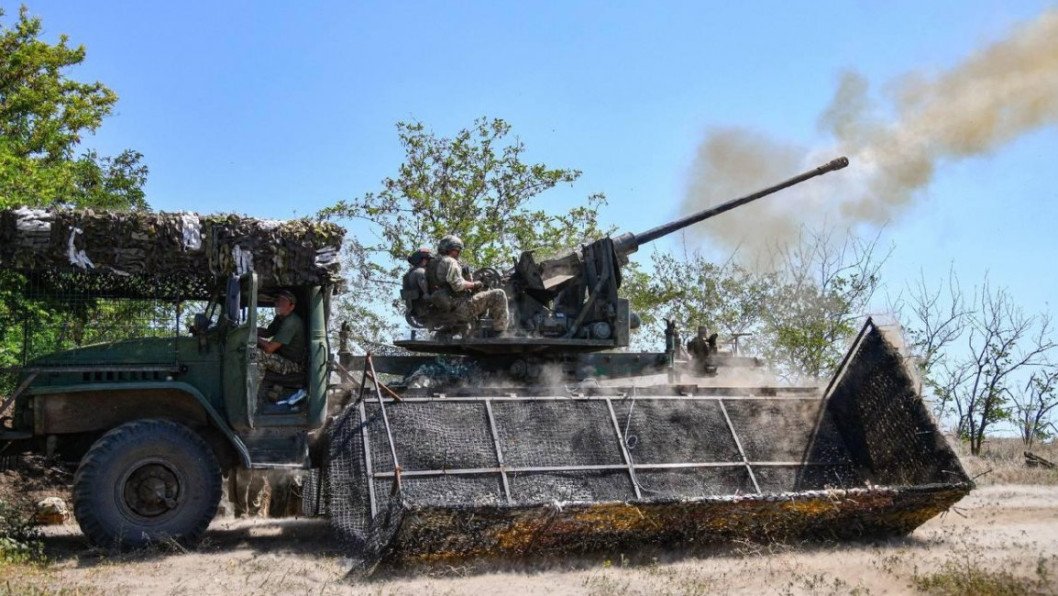
The design suggests that the modules could be deployed in groups, forming a local defense grid around strategic facilities or along known drone flight corridors inside Russia. According to the report, the systems would be transported and installed using military trucks, such as the Ural series.
The Soviet-era ZU-23-2, originally developed in the 1960s, remains widely used in various modifications. Russia has showcased remote-controlled prototypes of the weapon system for more than a decade.
The ZU-23/30M1-3 model—first introduced in 2013 — was equipped with a digital control unit and optical sensors but never entered mass production.
In 2023, a new variant appeared with an electro-optical module, yet its technical specifications were never publicly disclosed.
The latest tests at Kapustin Yar indicate that Russia continues to experiment with such adaptations, seeking low-cost defenses against Ukraine’s increasingly long-range drones.
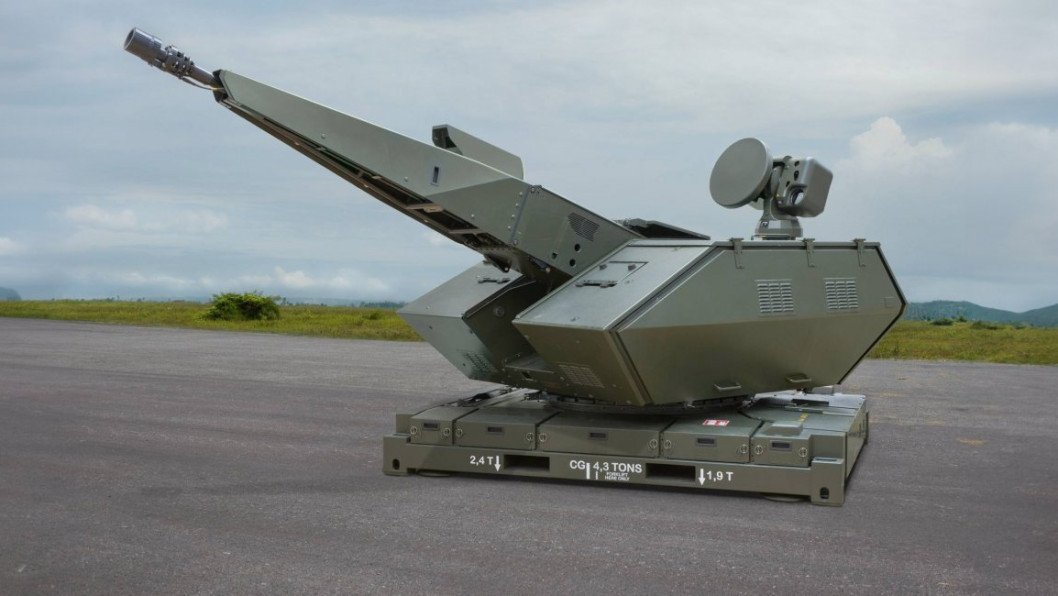
However, as Defense Express noted, these systems remain far behind Western counterparts like Poland’s Pilica or Germany’s Skynex, which feature advanced radar integration and programmable ammunition.
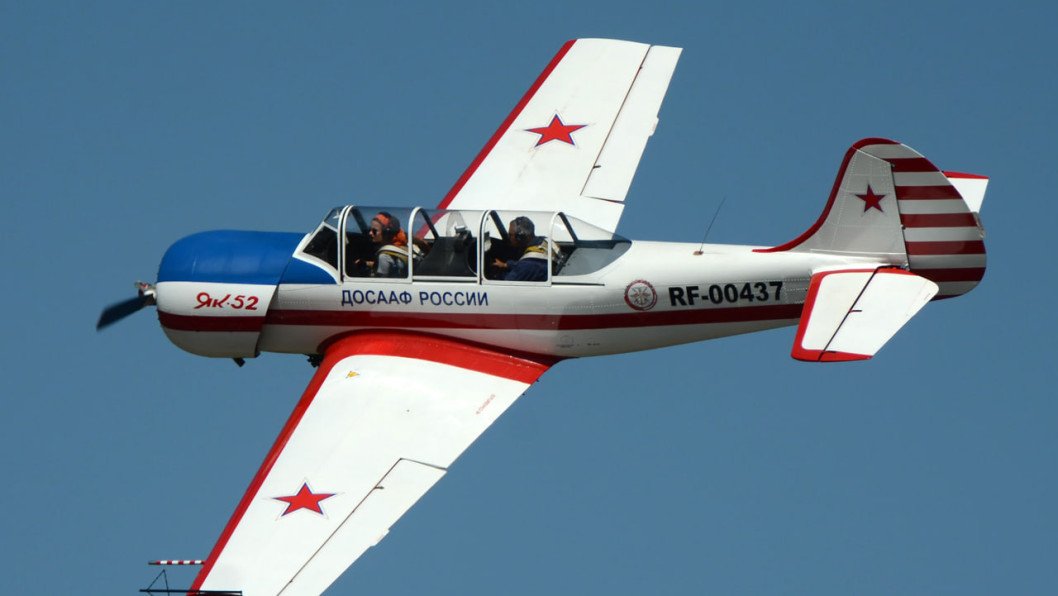
Earlier in October, Russian state media Rossiya 1 aired footage of modified Cessna light aircraft equipped with under-fuselage machine guns, repurposed for intercepting Ukrainian drones at low altitudes.
Discuss this article:



-c439b7bd9030ecf9d5a4287dc361ba31.jpg "Photo of Katherina Popilnichenko")