- Category
- Latest news
After 30 Years in Development, Russia’s Cutting-Edge Arena-M APS Still Can’t Stop FPV Drones
 Prefer U24 Media on Google
- Authors


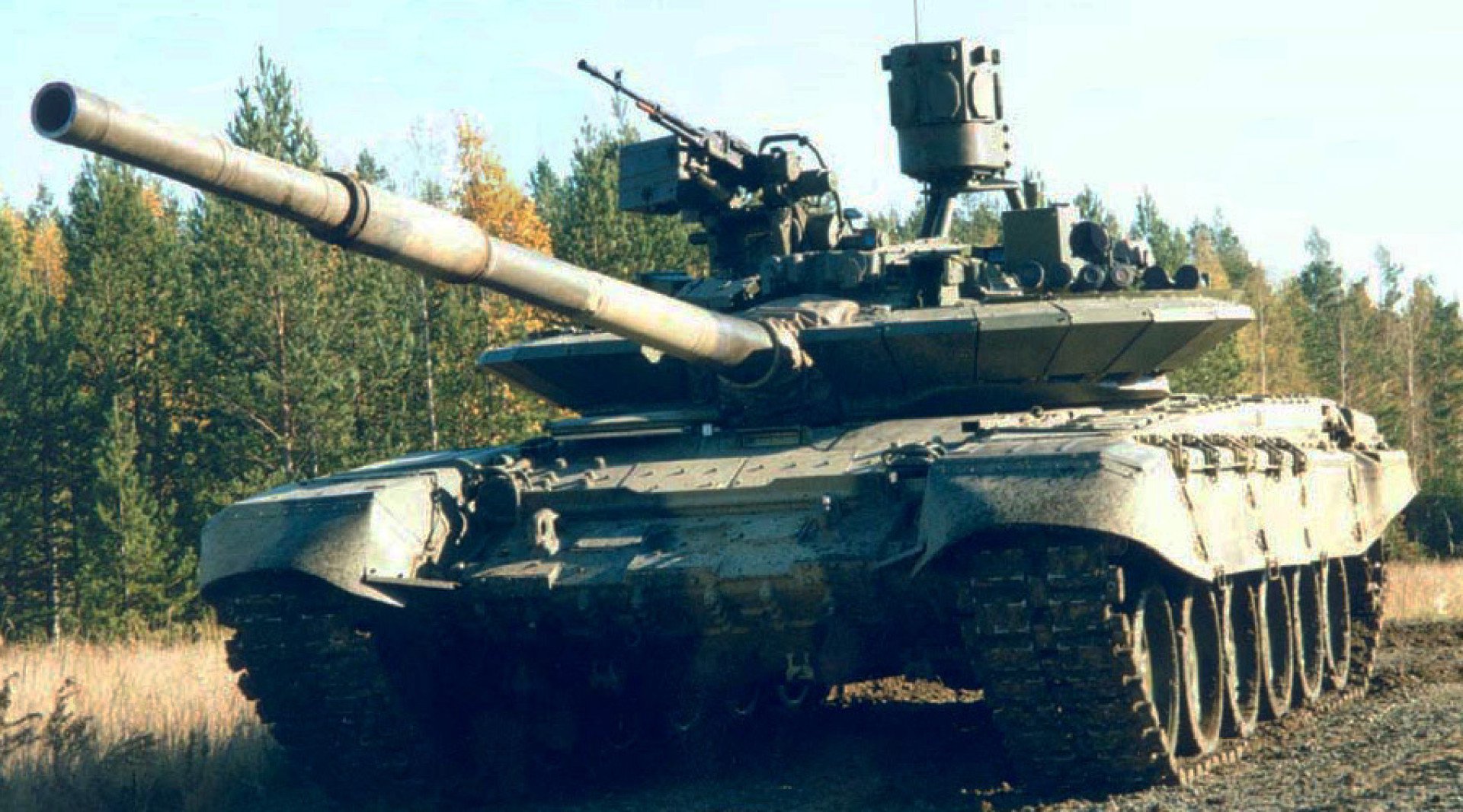
Russia’s long-promised active protection system for tanks and armored vehicles remains plagued by technical failures—especially against modern drones—despite decades of development, according to Defence Blog on November 7.
Russian military analyst Viktor Murakhovsky wrote that Moscow’s flagship Arena-M active protection system (APS) continues to face “fundamental” radar and software problems that prevent it from reliably detecting and engaging small aerial threats such as FPV drones or loitering munitions.

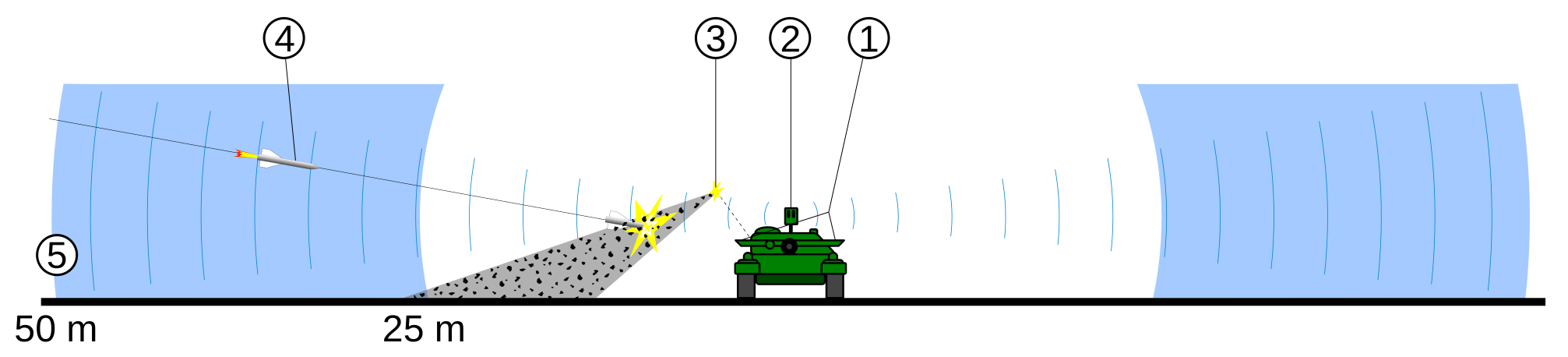
Arena-M, designed to automatically shoot down incoming anti-tank weapons and drone-dropped munitions, has been repeatedly presented by state media as the future of Russian armored protection.
But, according to Defence Blog, Murakhovsky said engineers “have not achieved” the radar precision needed to spot mini or micro drones built from radio-transparent materials like plastic.
Radar can’t see modern drones
Murakhovsky explained that the system’s radar struggles to separate low-visibility targets from ground clutter at close range—a fatal flaw in battlefields saturated with small, slow-moving drones. The algorithms responsible for identifying, tracking, and prioritizing targets remain underdeveloped, he added.
He noted that traditional air-defense techniques such as Doppler filtering and moving-target indication fail to detect drones with extremely small radar signatures and low velocity, particularly when they fly close to terrain or at treetop altitude.
“The necessary algorithmic solutions have not yet been created,” Murakhovsky wrote.
Decades of promises, few results
According to Defence Blog, Arena-M and its earlier Soviet-era versions have been in development for more than 30 years.
Although Moscow has repeatedly announced plans for mass production, no frontline units have yet received the system in operational numbers.
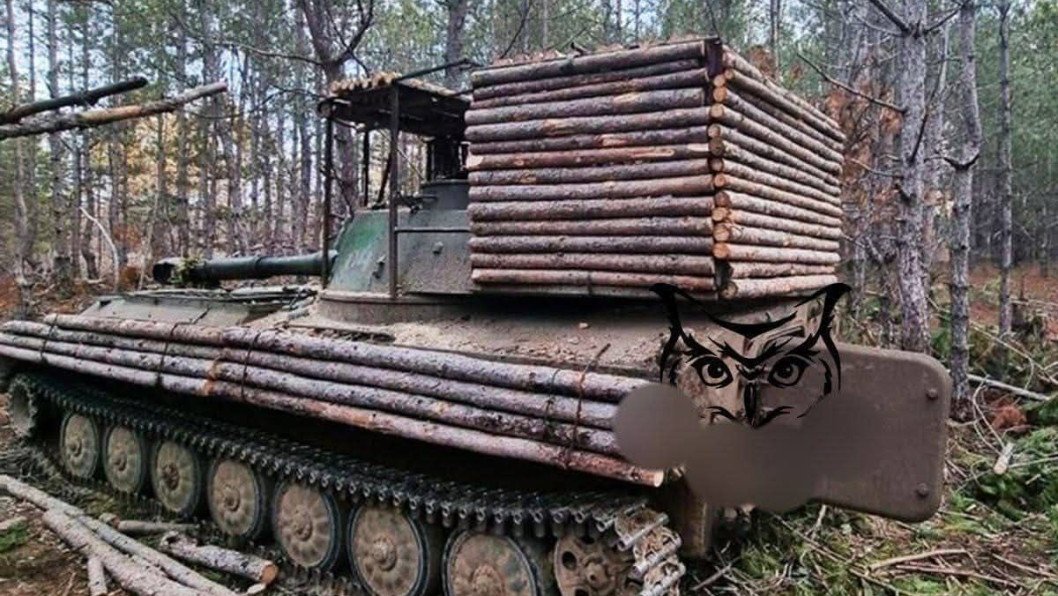
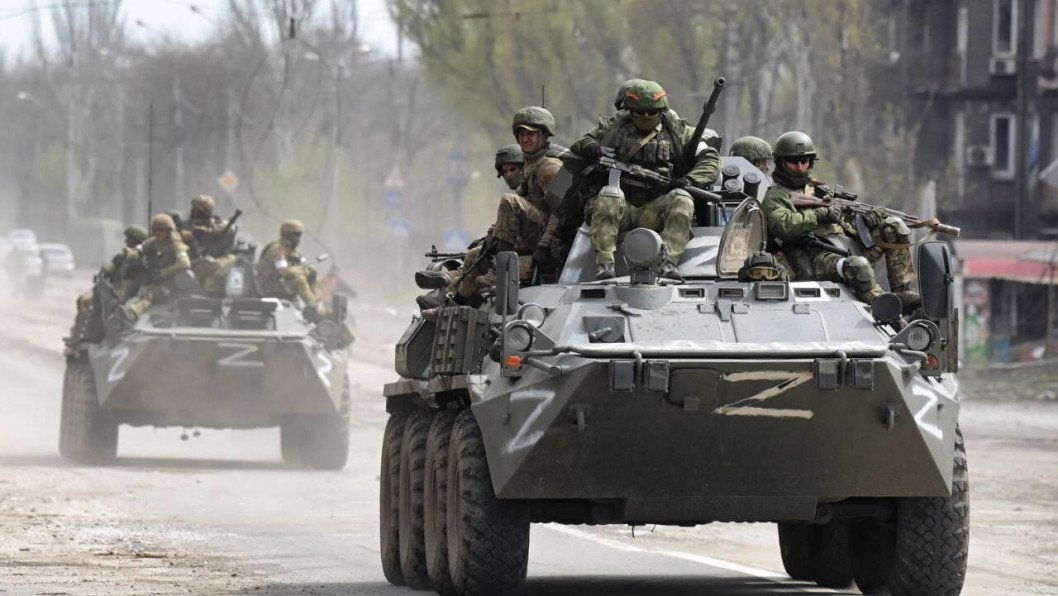
Instead, Russian troops continue to rely on crude, improvised methods—welded cages, metal screens, and “anti-drone sheds” mounted on tanks—to absorb drone strikes. These field adaptations underscore how far industrial development lags behind battlefield realities.
Murakhovsky’s analysis points to a broader weakness in Russia’s defense-industrial base: the inability to produce reliable, automated counter-drone systems as the pace of unmanned warfare accelerates.
Without such protection, he warned, Russian armored formations will remain vulnerable to cheap FPV drones that can attack from multiple directions at low altitude.
Earlier, reports emerged that Russian engineers modified the “Arena-M” active protection system (APS) to intercept top-attack anti-tank missiles like the US-made Javelin.
A video released by Russia’s state arms exporter Rosoboronexport claims to show the system successfully neutralizing threats, including a projectile attacking from above—a key feature of modern Western anti-tank missiles.
However, analysts noted that the missile in the test approached the tank at a relatively shallow angle. Javelins fired at long range strike their target in a steep dive, while those launched at closer range descend at a more direct angle. This raises questions about whether “Arena-M” can reliably intercept third-generation anti-tank guided missiles in real combat.
Discuss this article: