- Category
- Latest news
Russian Urals Trades at Widest Discount Since 2023 as Brent Jumps on Hormuz Crisis
 Prefer U24 Media on Google
- Authors

-111f0e5095e02c02446ffed57bfb0ab1.jpeg "Photo of Roman Kohanets")
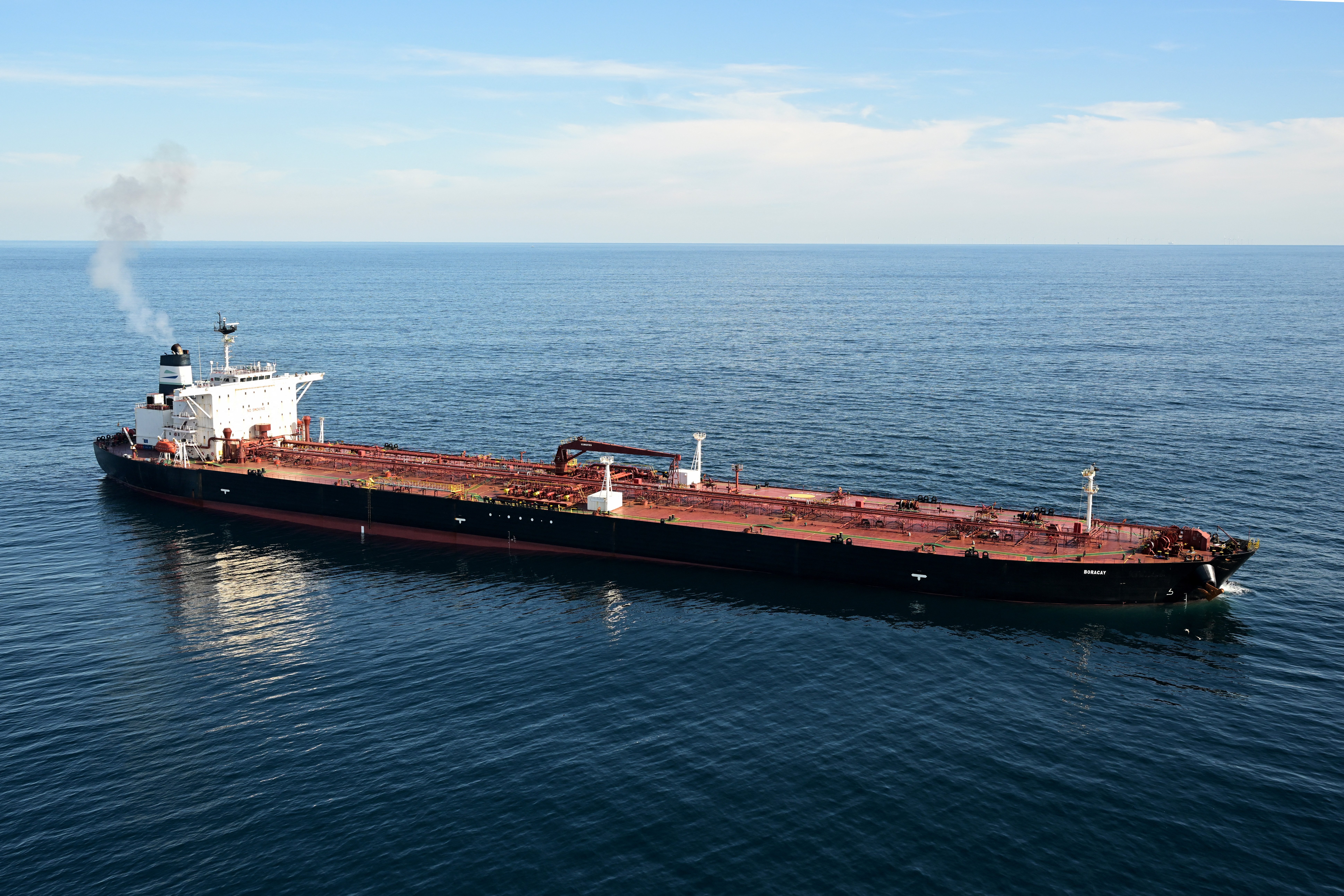
Russia’s Urals crude continued trading at a steep discount to Brent even as oil prices rallied on the Middle East conflict, according to Bloomberg on March 4.
The average discount on Urals exported from Russia’s western ports widened slightly to about $30.9 a barrel below the Dated Brent benchmark on March 3.
The gap was the widest since April 2023, suggesting buyers still demand major incentives to take Russian barrels despite the broader market rally.
We bring you stories from the ground. Your support keeps our team in the field.
US and Israeli strikes on Iran over the weekend escalated into a regional conflict, with attacks on vessels effectively closing the Strait of Hormuz, a chokepoint for about a fifth of global crude shipments.
Because Russian barrels do not need to cross the Strait of Hormuz to reach key buyers in India and China, there is an expectation that discounts could narrow if disruptions persist.
Russian suppliers in this route faced tougher competition from other discounted, sanctions-hit crude, including Iranian oil. That pressure forced them to offer larger discounts to Chinese refineries.

At the same time, large volumes have piled up on tankers in recent months because buyers could not be found. Around 140 million barrels are being stored at sea.
Bloomberg concluded that the conflict lifted Russian prices in nominal terms even as discounts stayed wide.
Urals at Primorsk traded at $54.82 a barrel on Tuesday, while the grade at Novorossiysk was priced at $52.97, based on Argus data cited by Bloomberg.
That was up from around $40 a barrel at the end of last week, the report said.
Russia’s government built this year's budget on an average Urals price of $59 a barrel, and current levels near that mark could provide short-term relief for oil-tax revenues.
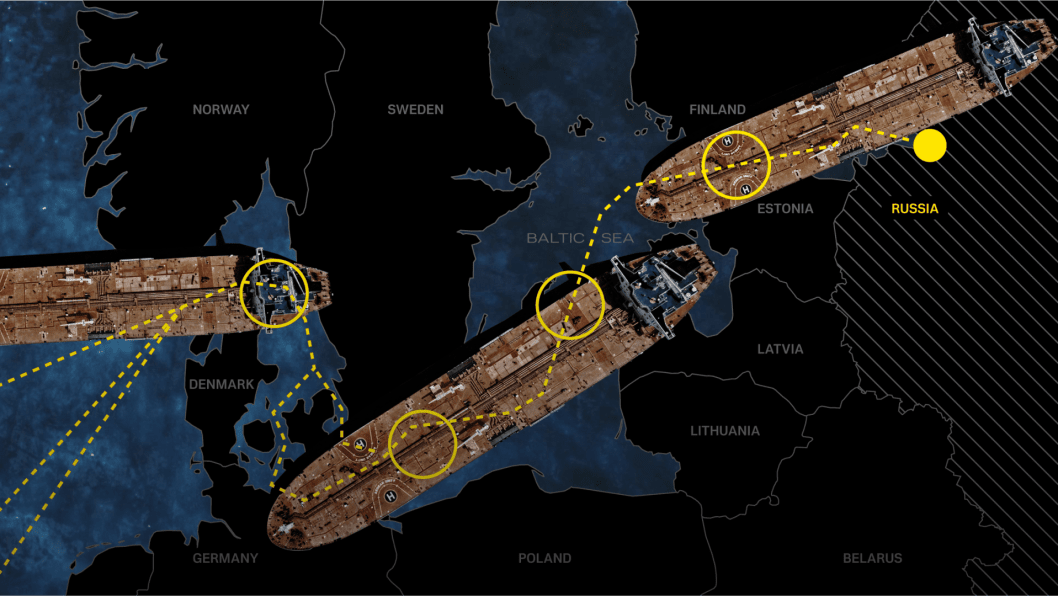
Earlier, it was reported that Russia’s share of India’s crude oil imports fell in January to its lowest level since October 2022, reversing the surge in discounted Russian barrels that began after Moscow’s full-scale war against Ukraine.
To make up the shortfall, India sharply increased purchases from Middle Eastern suppliers, which accounted for 55% of total imports in January, compared with 21.2% from Russia, according to the report
India imported about 1.1 million barrels per day of Russian oil in January, down 23.5% from December and roughly one-third lower than a year earlier, and the decline is expected to continue.
Discuss this article:
-9a7b3a98ed5c506e0b77a6663f5727c5.png)


-c439b7bd9030ecf9d5a4287dc361ba31.jpg "Photo of Katherina Popilnichenko")