- Category
- Latest news
Russia Forced to Deepen Oil Discounts to China Amid Falling Demand
 Prefer U24 Media on Google
- Authors


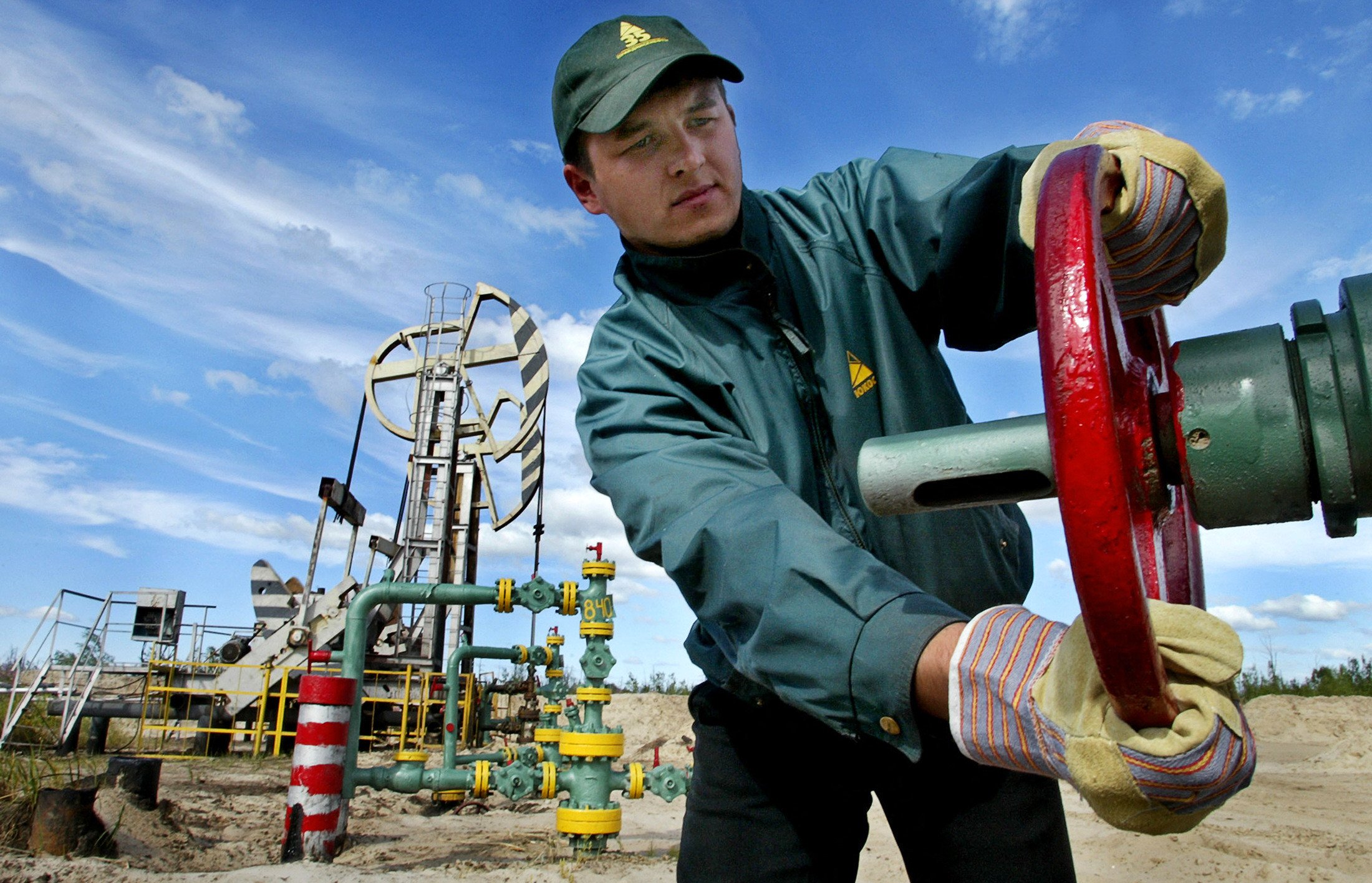
Russia has sharply increased its oil discounts to China as state-owned and private refineries pull back from purchasing its barrels, Reuters reported, citing traders on December 5.
Shipments of Russia’s ESPO Blend, loaded for December and delivered to Chinese ports, are now selling at record discounts of $5–6 per barrel below Brent. As recently as late September, Chinese refiners were paying a premium of $0.50–$1 above Brent for the same grade of Far East crude.
We bring you stories from the ground. Your support keeps our team in the field.
The sanctions imposed by the US against Rosneft and Lukoil have triggered a dramatic price drop of $5.5–$7 per barrel—roughly a 10% decline for Russia’s flagship grade destined for China.
Sources told Reuters that not all December ESPO cargoes have found buyers, and traders involved in the shipments may face losses after securing volumes at higher prices earlier in the year and now being forced to resell them at steep markdowns.
Russia’s export discounts have already saved Chinese refiners $20 billion since the start of the war in Ukraine, Rosneft head Igor Sechin said previously, arguing that Russia possesses a “unique resource base” and intends to leverage it to supply China.
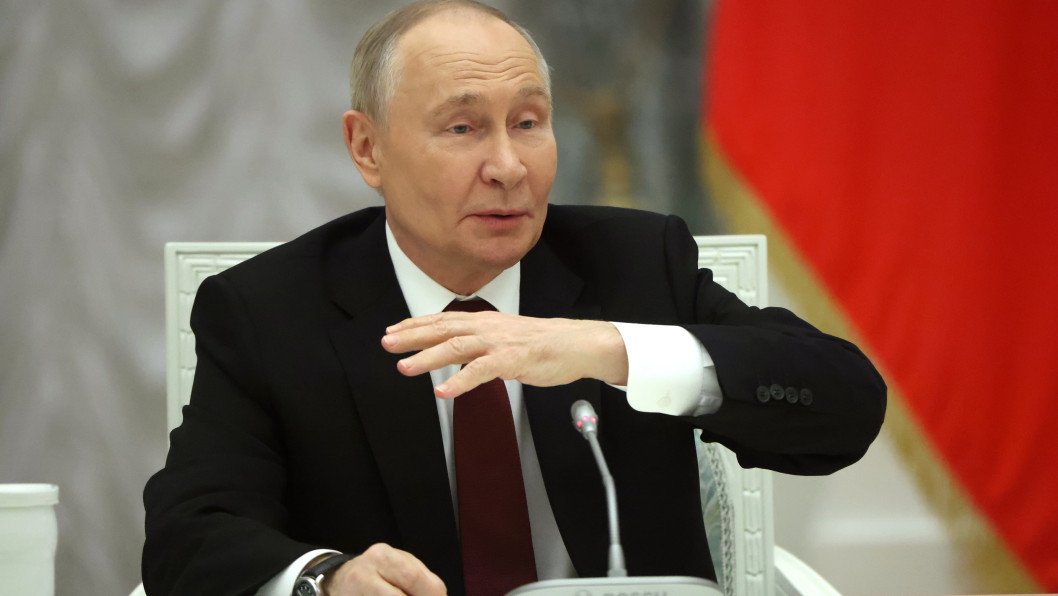
Yet even with the discounts, flows of Russian crude to China are falling. According to analysts at Kpler, November maritime shipments fell below 800,000 barrels per day—the lowest level since February 2022. That represents a 30–40% drop from October, equal to around 400,000–500,000 barrels per day.
Chinese state-owned refineries are adopting a cautious stance on sanctions, analysts say, watching how Indian refiners respond and waiting for the situation to “settle.”
Earlier, reports emerged that the Group of Seven (G7) nations and the European Union (EU) were in discussions to replace the existing price cap on Russian oil exports with a sweeping ban on maritime services.
Discuss this article:
-4a56a6b482ec132402c16ef6fcabf9a2.png)


-72b63a4e0c8c475ad81fe3eed3f63729.jpeg "Photo of Cyril Barabaltchouk")