- Category
- Latest news
From Moscow With Rust: Belarus Starts to Imitate Russia’s Improvised Tank Defenses
 Prefer U24 Media on Google
- Authors


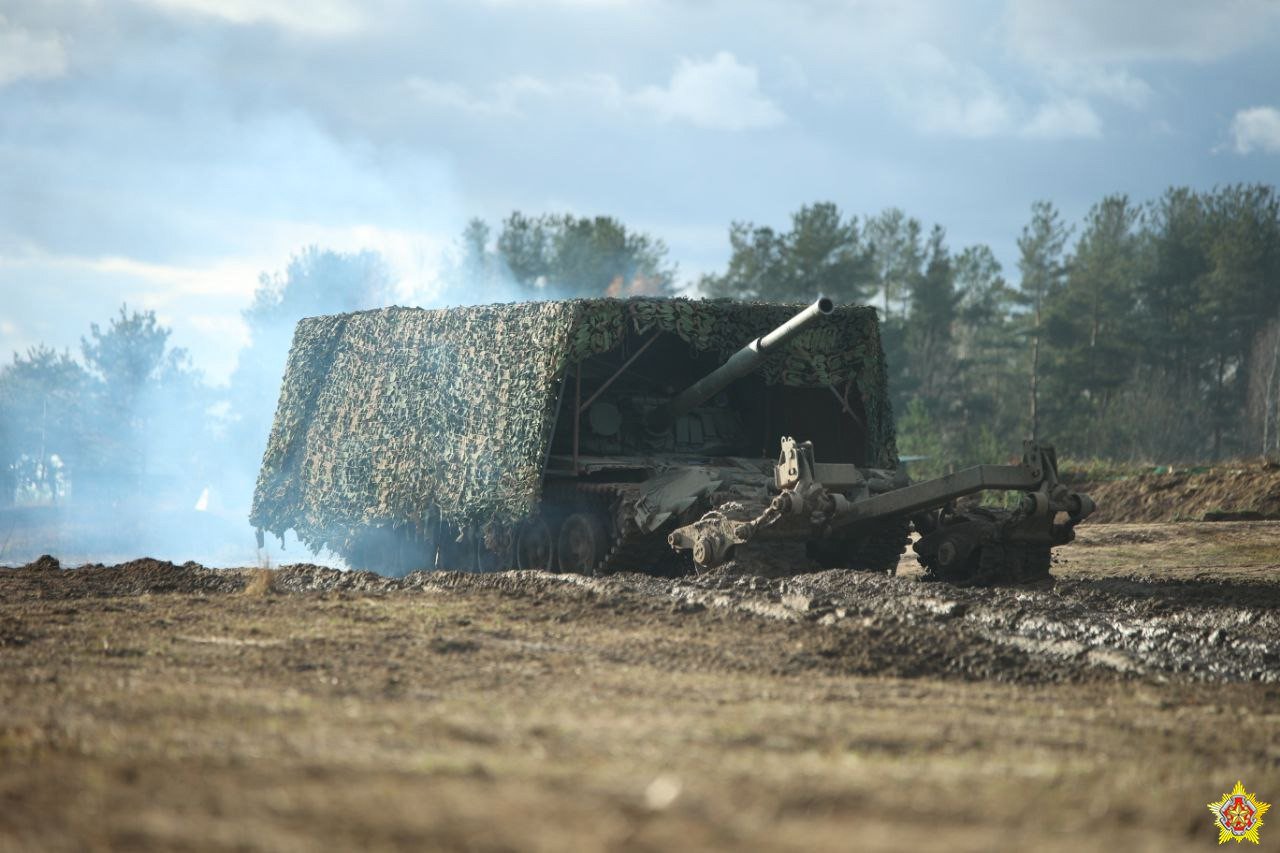
Belarusian troops have begun fitting tanks with improvised anti-drone armor—a field-expedient “tank-shed” and other metal cages—after studying Russian battlefield fixes in Ukraine, the Belarusian Defense Ministry published photos on November 4.
The measures are meant to blunt attacks by small strike drones, but the add-ons make vehicles heavier, bulkier, and harder to operate.
Belarus staged a command training exercise at a firing range this week, where crews tested makeshift protections aimed at defeating FPV and loitering munitions.
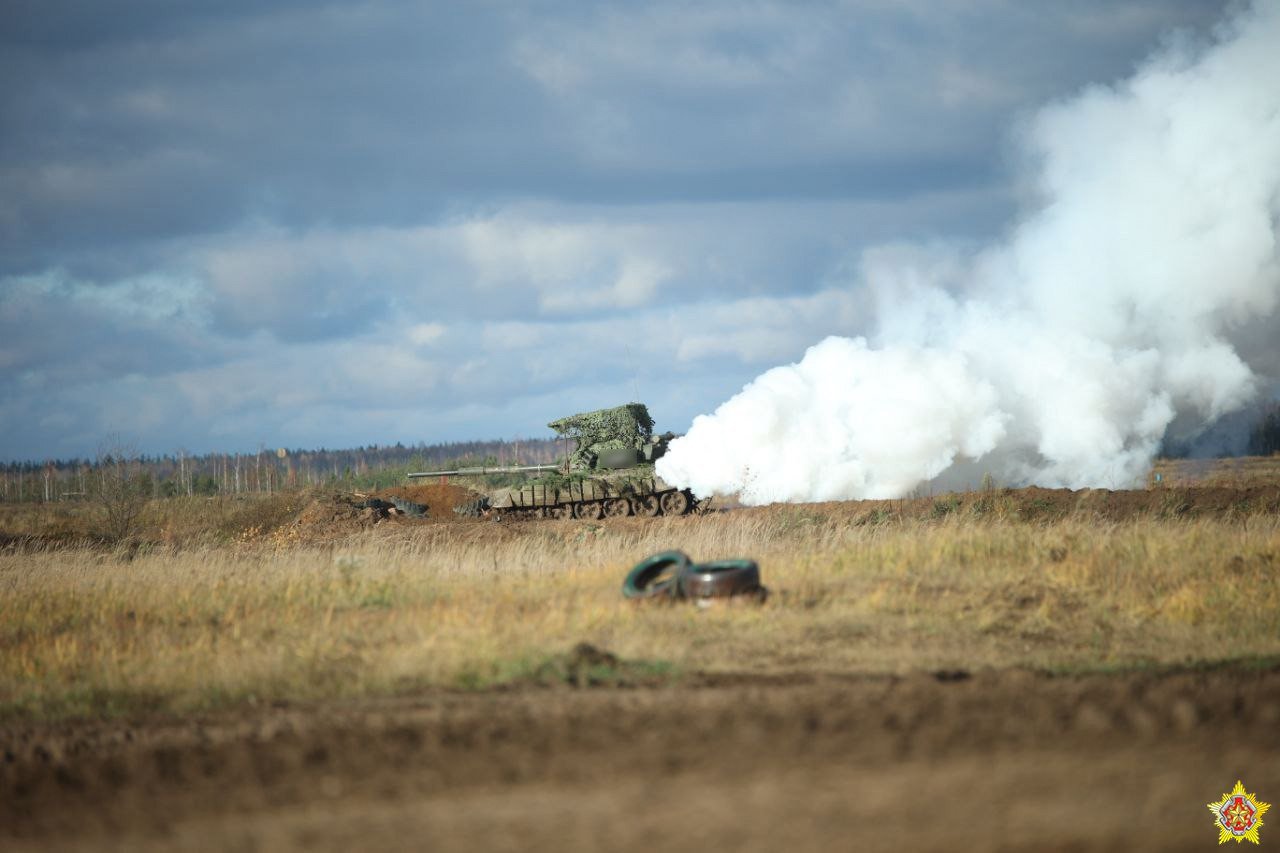
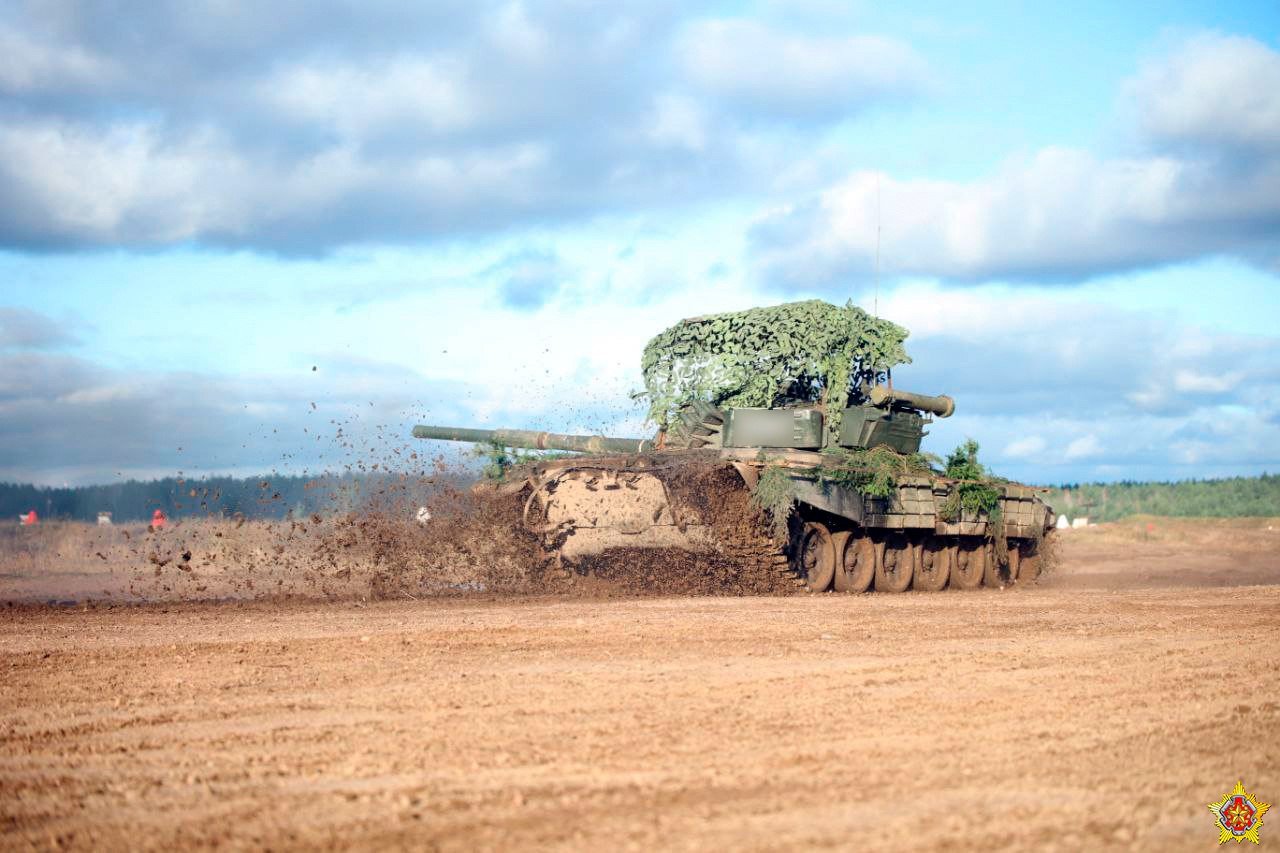
One T-72 received a so-called “mangal” mounted over the turret; another was fitted with a metal frame that covered its sides, upper hull, and turret roof. Both were draped in camouflage netting in the ministry photos, leaving the precise materials—wire mesh, sheet metal, or light lattice—unclear.
The builds copy a pattern Russian forces began using in late 2023 and early 2024, when crews added ad-hoc cages, sheet-metal covers, and other anti-drone rigs before major assaults.
Some of those improvisations have been augmented with spikes of cut metal cable—a “hedgehog” arrangement designed to shred rotors and stop warheads from arming—and Minsk’s new kits appear modeled on the same idea.
Russian "Hedgehog" tanks somewhere near the frontlines. pic.twitter.com/ifi3N4vRzS
— ConflictLive (@conflict_live) November 2, 2025
Field experience is mixed. The improvised shelters can force attackers to commit more drones to achieve a kill, and sometimes damage rotors enough to prevent a warhead from functioning.
But they also substantially raise vehicle weight and width, reduce mobility, complicate maintenance, and can hamper visibility and crew access.
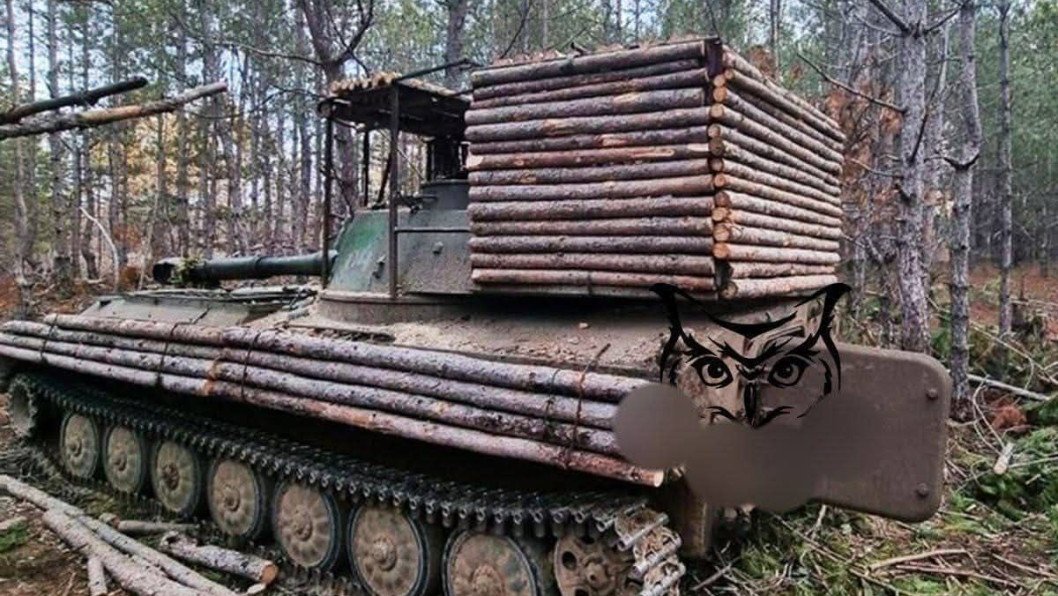
Belarus’s adoption underscores two trends of the Ukraine war: the rapid transfer of battlefield adaptations across allied forces, and the growing emphasis on low-cost countermeasures to cheap drone threats.
Earlier, China filed a patent for modular protective armor on infantry fighting vehicles (IFVs) that closely resembles Ukrainian battlefield solutions.
Discuss this article:


-c439b7bd9030ecf9d5a4287dc361ba31.jpg "Photo of Katherina Popilnichenko")