- Category
- War in Ukraine
Russian Deserters Fight for Long Prison Terms to Escape Frontline Assaults in Ukraine
 Prefer U24 Media on Google
- Authors


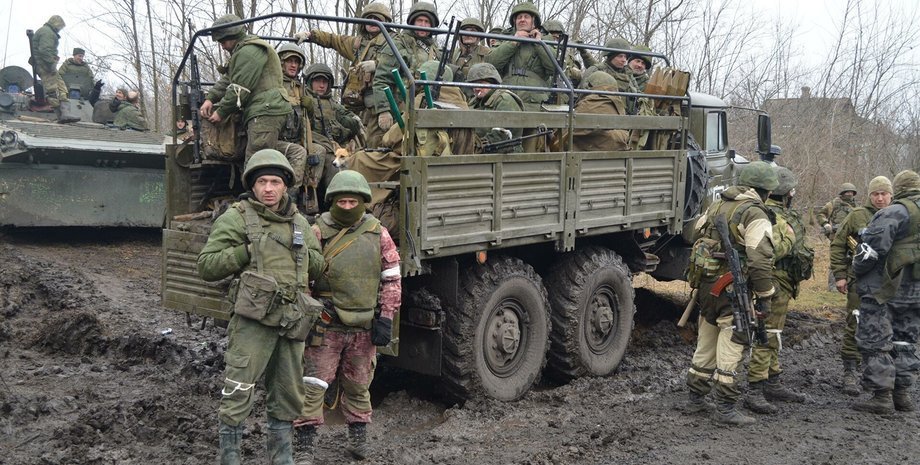
Russian servicemen accused of desertion are increasingly attempting to secure prison terms in order to avoid being sent back to Russia’s war against Ukraine.
We bring you stories from the ground. Your support keeps our team in the field.
According to an investigation published by the Russian outlet Mediazona on May 18, some Russian soldiers are voluntarily surrendering to military investigators, filing written confessions, and hiring defense lawyers in an effort to receive prison sentences instead of being sent back to frontline assault units.
The outlet reported that the trend has intensified under Vladimir Putin’s September 2022 mobilization decree, which effectively made military contracts open-ended. Under the decree, Russian servicemen can only leave the military in three cases: reaching the age of 65, being declared medically unfit, or receiving a prison sentence by court order.
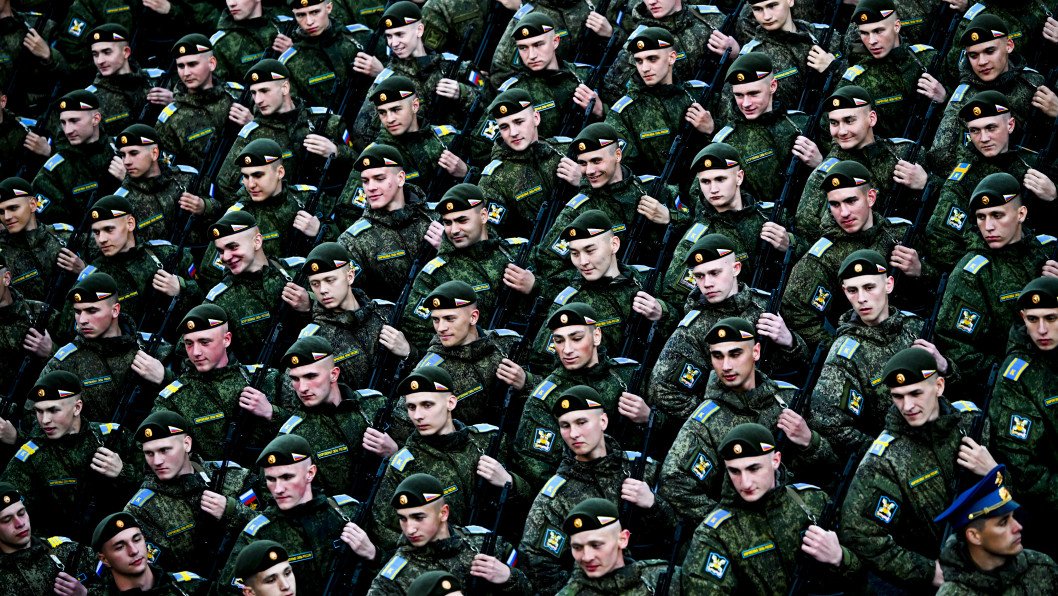
As a result, some Russian troops now view imprisonment as the only realistic way to permanently leave military service.
One of the cases highlighted by Mediazona involves junior lieutenant Anton Putyatov, a former English teacher from Yekaterinburg who volunteered for Russia’s invasion of Ukraine in 2022.
After taking part in Russian assault operations near Pokrovsk and being wounded, Putyatov reportedly made repeated attempts to receive a prison sentence for unauthorized absence rather than return to combat in occupied Ukrainian territory.
According to Mediazona, Putyatov submitted formal confessions and repeatedly stated he was prepared to serve a prison sentence. Instead of being transferred to pre-trial detention, however, he was reportedly returned to military-controlled holding camps for soldiers accused of desertion or unauthorized leave.
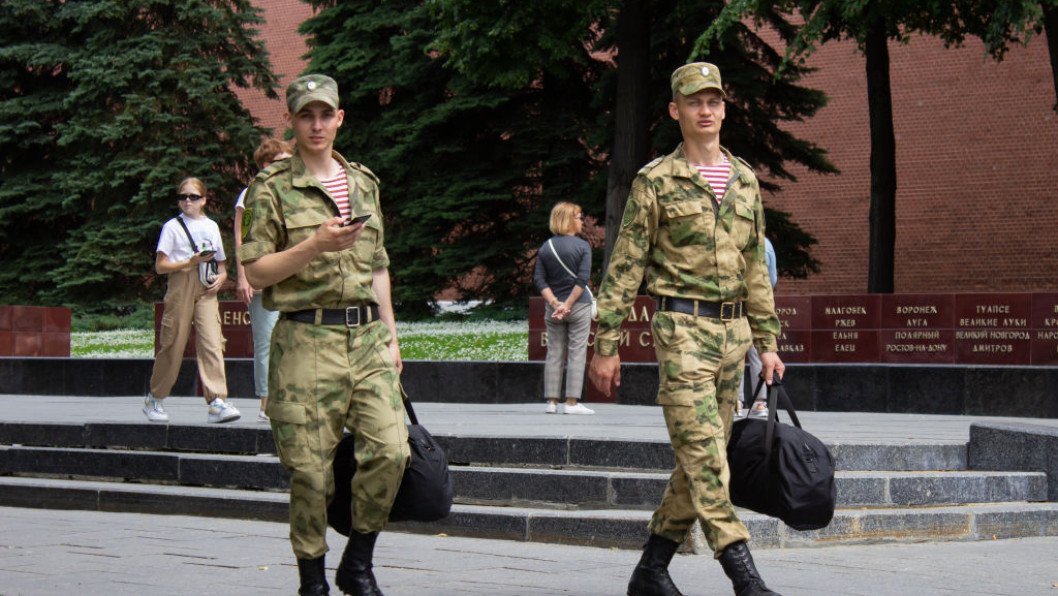
Mediazona described such facilities as temporary holding sites operating across multiple Russian regions, where detained servicemen are reportedly kept for prolonged periods before being coerced or forcibly sent back into combat against Ukraine.
The outlet cited lawyers specializing in military cases who said that even formally opened criminal investigations can be suspended if the accused serviceman is redeployed back to Russian assault operations in Ukraine.
“In practice, commanders simply take these servicemen back to the front line even during an active criminal investigation, and the investigator suspends the case due to the accused participating in the war,” one lawyer told Mediazona.
According to the investigation, Russian military lawyers have increasingly begun specializing in helping deserters obtain real prison terms rather than suspended sentences.
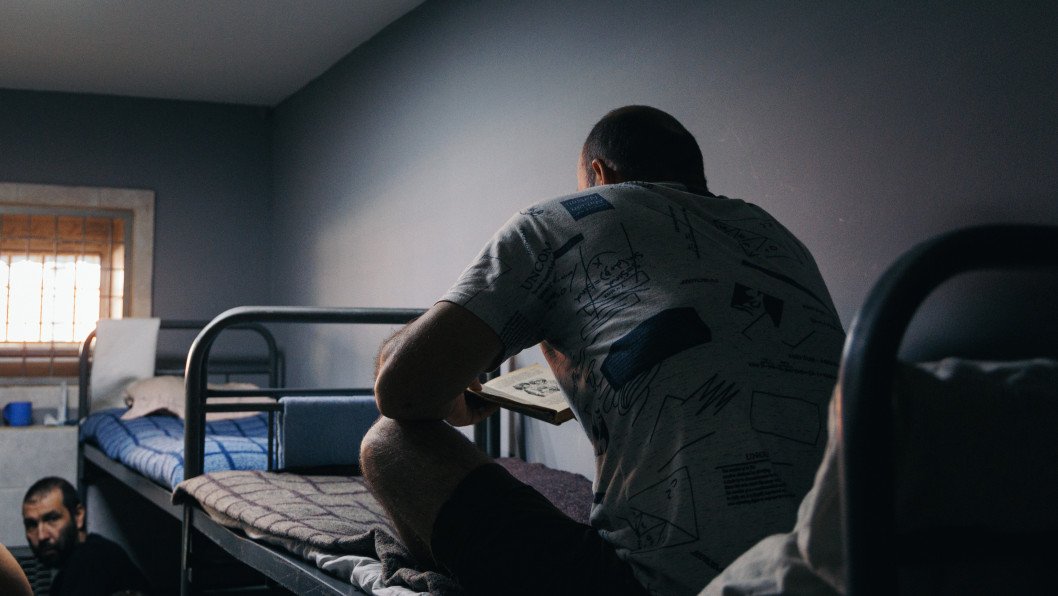
Mediazona reported that legal teams sometimes seek out military investigative departments with poor prosecution statistics, where investigators may be more willing to pursue desertion cases through the courts.
Russian law provides prison terms ranging from five to 15 years for desertion during mobilization and up to five years for unauthorized absence from a unit.
Mediazona also cited accounts from former deserters who described military holding camps in regions ranging from Krasnodar to the Urals and the Russian Far East.
Former serviceman Vladimir Berngardt, who later fled Russia and now assists deserters through the “Tverdy Znak” project, told the outlet that many soldiers detained in such camps are eventually transferred directly into assault detachments.
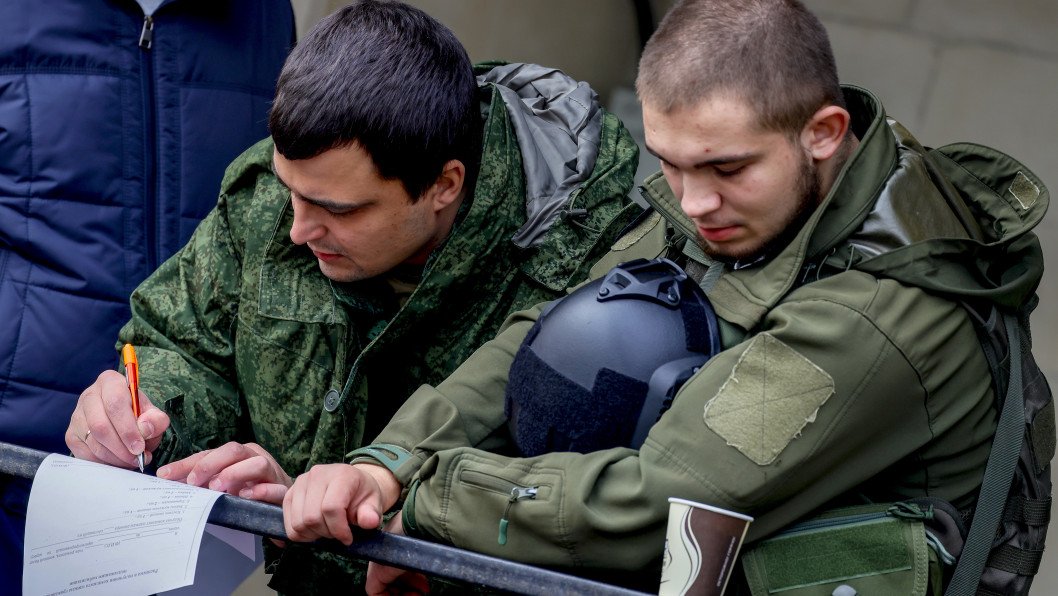
“He kept saying, ‘I’d rather serve time than go back into assault units,’” Berngardt recalled about one detained soldier. “But in the end, military police officers simply dragged him away and sent him back.”
According to Mediazona, lawyers estimate that only a small portion of deserters seeking imprisonment ultimately receive real prison sentences. In many cases, military investigators suspend proceedings once the serviceman is returned to combat duty in Ukraine.
Earlier, the Atesh underground movement reported that Russian forces in temporarily occupied Luhansk were forcibly sending untrained personnel from the so-called “LNR” military commandant’s office into assault units amid ongoing manpower shortages on the front.
Discuss this article:
-9a7b3a98ed5c506e0b77a6663f5727c5.png)