- Category
- Latest news
Russia Just Started Tapping the T-72 Tank Stockpile It Was Saving for Last, OSINT Finds
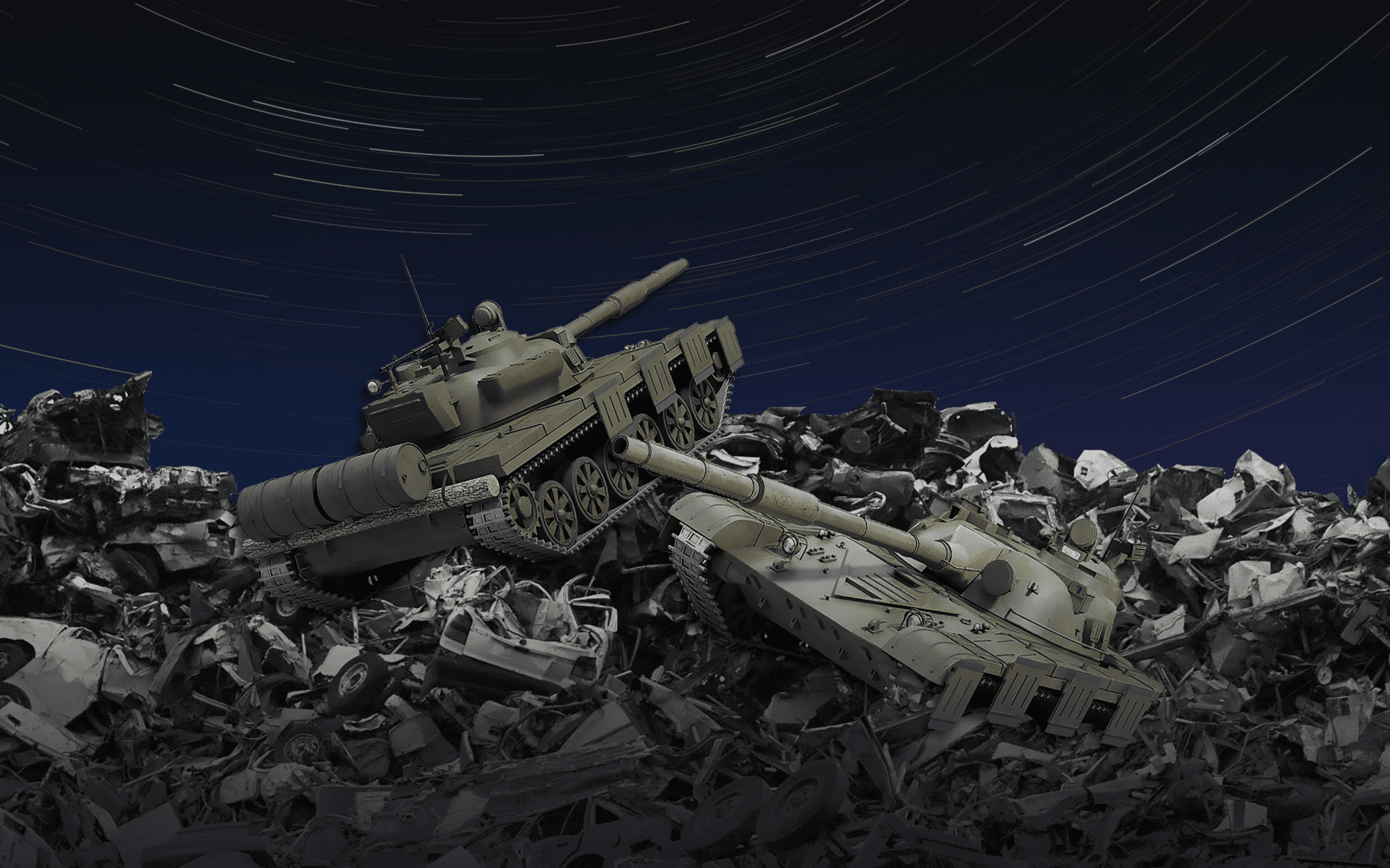
Russia appears to be entering a new—and revealing—phase of its tank war: pulling what one OSINT researcher calls its last meaningful reserve of stored main battle tanks, the older T-72 “Ural” and T-72A, and funneling them toward overhaul lines that were built for a very different era of combat, according to OSINT researcher Jompy on February 26.
 Prefer U24 Media on Google
- Authors


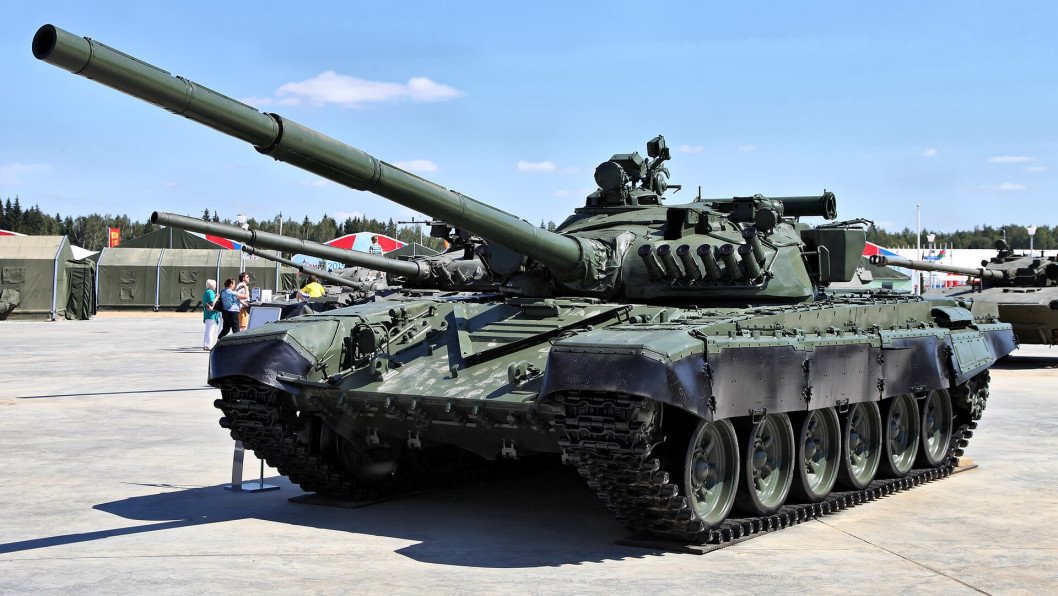
Russia has begun reactivating its remaining significant T-72 reserve from storage bases, with 452 tanks in the T-72 “Ural” and T-72A subtypes assessed as moved toward Uralvagonzavod, the country’s flagship armored plant.
We bring you stories from the ground. Your support keeps our team in the field.
In Jompy’s assessment, the intent is to push these vehicles through major repairs and modernization programs—essentially stretching the usable life of hulls that were never designed to survive the kind of drone-saturated battlefield Russia now faces.
The developments matter beyond Ukraine. Even with heavy armor losses and shifting tactics, Russia’s ability to regenerate tank numbers—however imperfect the quality—directly affects how long Moscow can sustain pressure, rebuild units, and posture for future contingencies along NATO’s eastern flank.
1/ Time to do another thread on Russian Armor Repair Plants (BTRZs)! As promised, this one will deal with T-72s and conclusions regarding tank repair and production! pic.twitter.com/3VSnpjE3bX
— Jompy (@Jonpy99) February 26, 2026
Russia finally touching the reserve it kept “for last”
Examining Russia’s armored repair ecosystem and the flow of vehicles through repair plants, Jompy argues the key story is not a sudden tank “collapse,” but a visible transition to progressively older and harder-to-revive hulls.
Hundreds of T-72 “Ural” and T-72A tanks are now being pulled from storage and routed into the industrial pipeline—suggesting the more accessible reserves have already been consumed or degraded, and Moscow is making a deliberate push to keep numbers up.
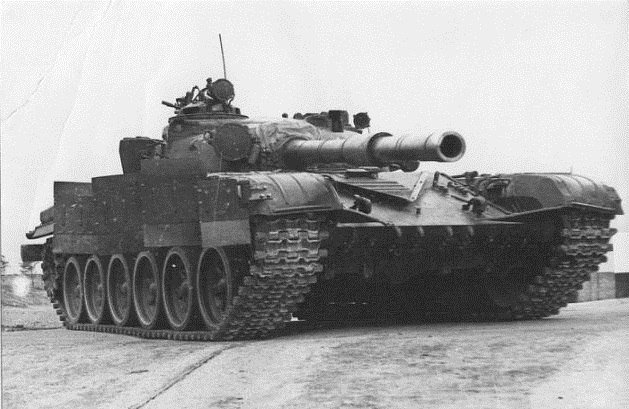
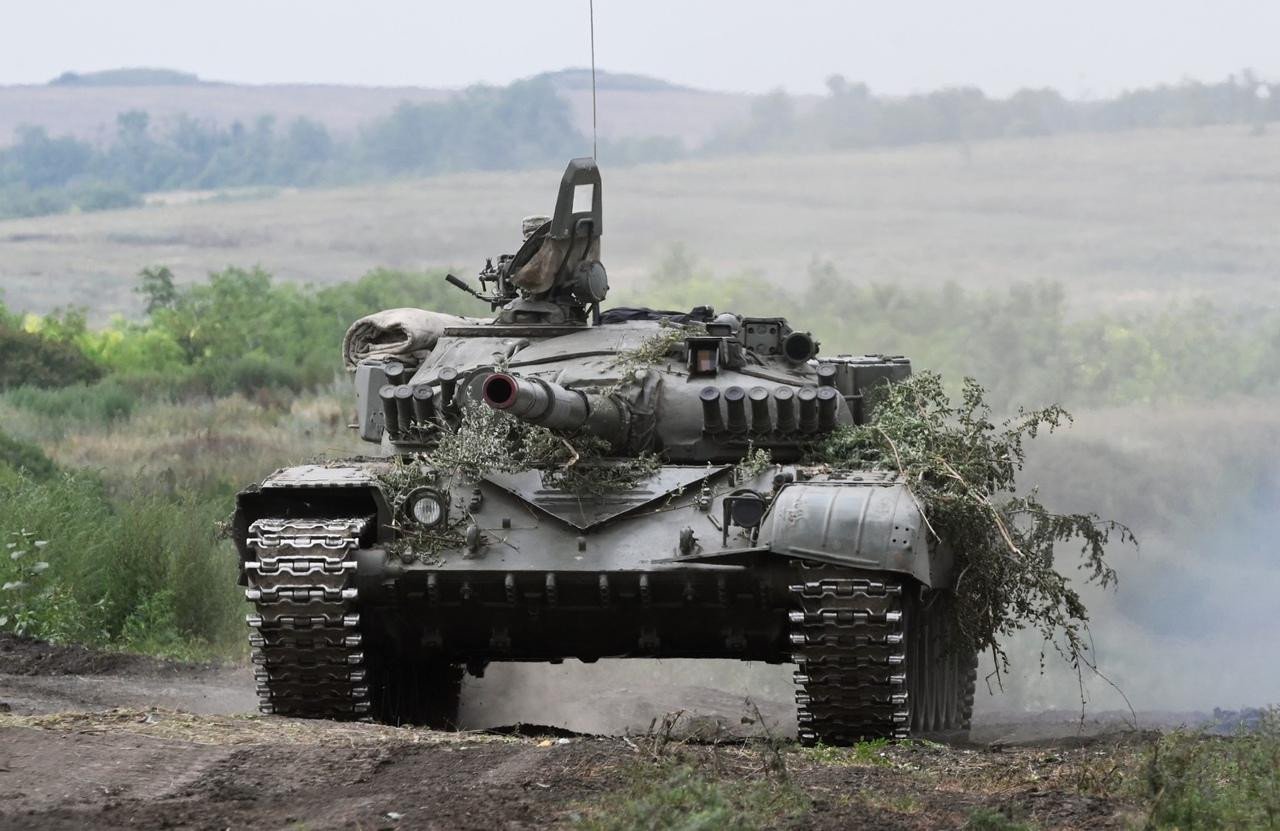
Jompy points to signs that some “new” T-72B3-series tanks showcased in Russian factory footage may actually be upgraded older T-72A hulls, indicating a shift in what Russia is modernizing—not just how many tanks it can ship.
In other words, the label may still read “B3,” but the starting point is increasingly a 1970s–1980s-era base vehicle.
What Russia’s repair plants say about output
Jompy’s analysis places major weight on how Russia’s repair-and-modernization system functions as a network—not a single factory miracle.
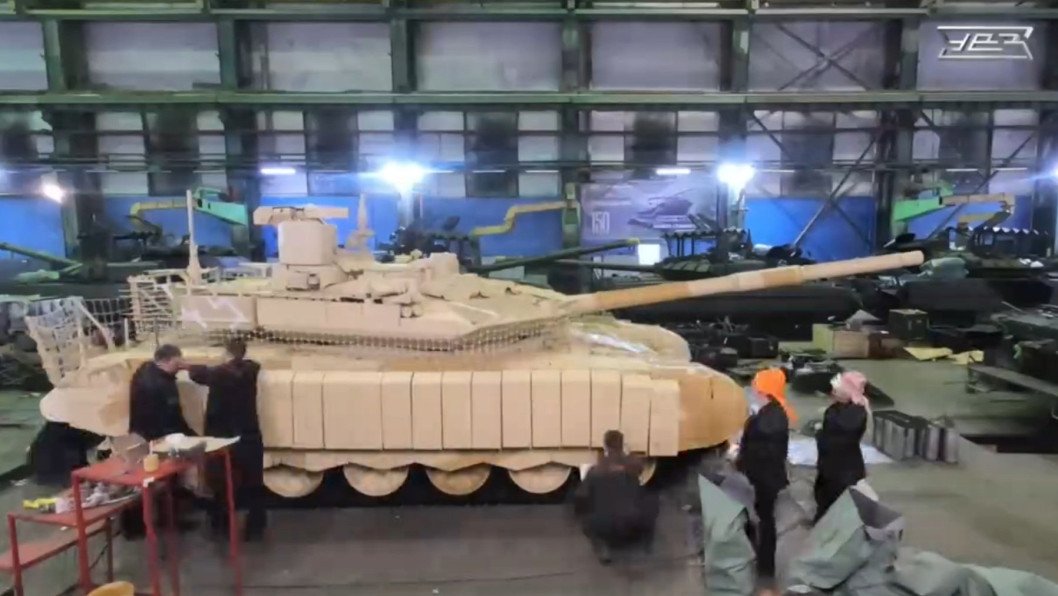
He breaks out the roles of BTRZ armored repair plants versus Uralvagonzavod as the “heavy-lift” center, with smaller facilities handling limited work, parts cannibalization, and repairs on damaged hulls closer to the war zone.
Jompy notes that the numbers Russia can generate depend less on how loudly Moscow declares production, and more on what condition the stored hulls are in, what can be refurbished versus cannibalized, and how fast the refurbishment lines can be fed with viable inputs.
Images from UVZ today. 130 Tank Shop - the main place where Russian tanks are assembled. Production of BMPT, T-90M combat compartment and footage of the mobilization version of the T-72B3. pic.twitter.com/RlShCknrdo
— Andrei_bt (@AndreiBtvt) September 25, 2023
That matters because the deeper Russia digs into its reserves, the harder and slower “reactivation” becomes. Tanks left outside for decades don’t come back evenly; some can be restored, others become donors, and some are simply not worth the cost in time, labor, and scarce components.
The T-80 is the warning sign
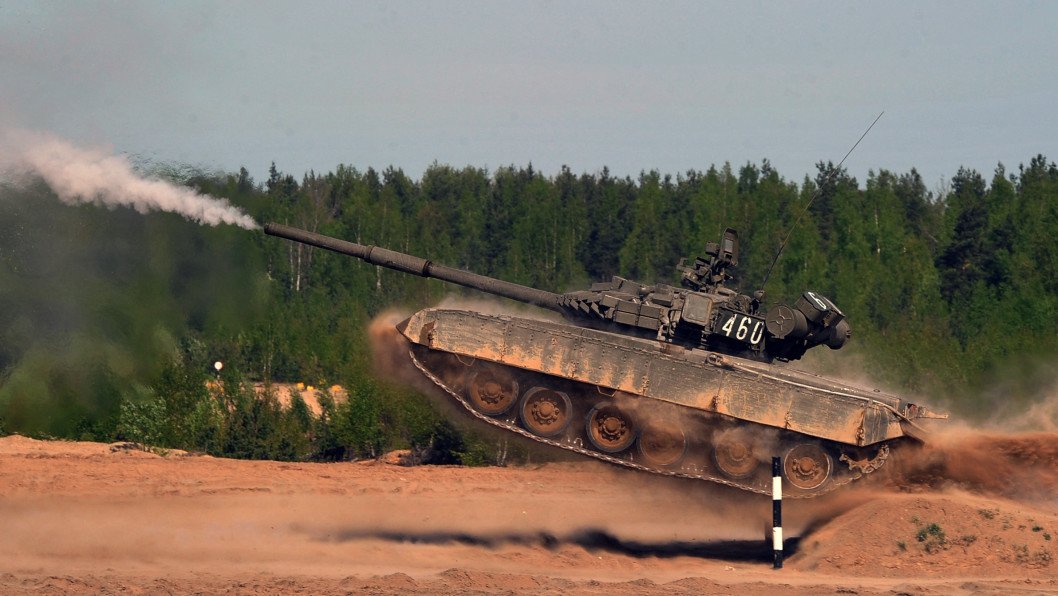
Jompy repeatedly frames the T-72A reactivation push as a response to depletion elsewhere—especially the T-80 line.
He aligns with fellow OSINT researcher Covert Cabal, who has argued via satellite imagery that Russia’s stored T-80 fleet has been steadily drained to the point that the storage “pipeline” is nearing exhaustion, with remaining hulls increasingly poor candidates for full restoration.
In Jompy’s telling, this helps explain why Russia is now leaning harder on older T-72 subtypes: the “easier” options—large pools of relatively viable stored tanks—have already been heavily tapped, and what remains either requires greater effort or produces a less capable end product.
“Modernization” doesn’t mean what it used to
Russia can still generate tanks, but the quality trajectory is moving in the wrong direction, Jompy stated.
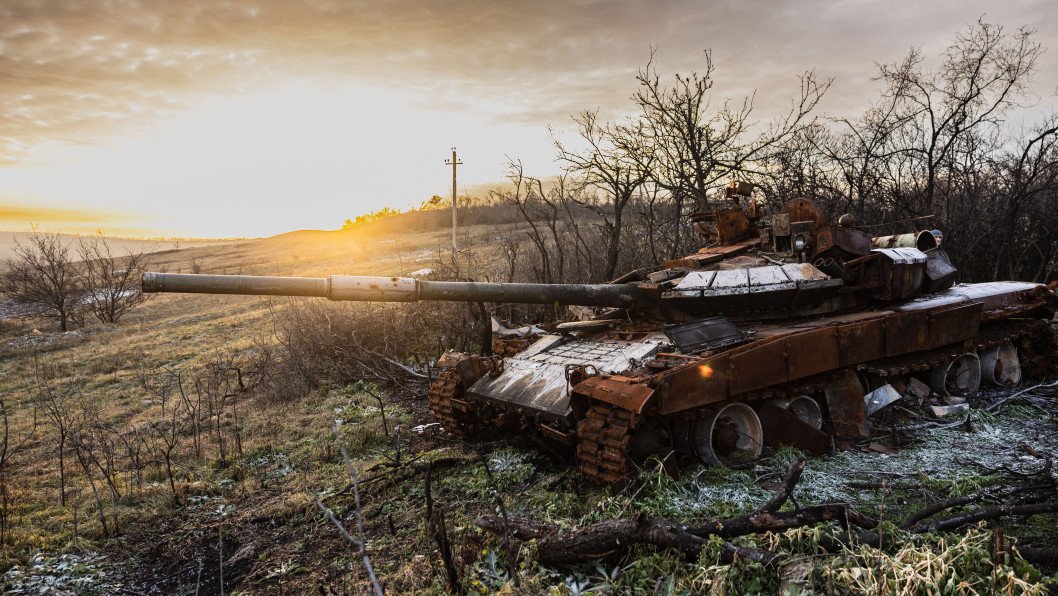
Upgrading a T-72A into a “modernized” configuration can improve survivability and sensors, but it can’t turn an older hull into a new-build tank—and it can’t fully solve vulnerabilities exposed in Ukraine, where drones, top-attack munitions, and precision artillery punish armor that lacks layered protection and robust counter-UAS measures.
Jompy also notes the industrial logic: rebuilding old tanks is usually quicker and cheaper than reopening cold production lines. But that logic has a trap—once the refurbishable reserves are gone, output becomes constrained by whatever Russia can truly manufacture new.
The T-90M production problem
Once Russia burns through the remaining T-72 “Ural” and T-72A pool, it won’t have another comparably large, practical reserve of main battle tanks sitting ready.
From there, Jompy notes, Russia would be forced to rely far more on newly produced T-90M, which he estimates at roughly around 200 per year—a meaningful number, but one that may struggle to cover sustained losses, unit expansion, training needs, and long-term reconstitution simultaneously.
That doesn’t mean Russia “runs out of tanks” overnight. It means the strategy shifts from pulling numbers out of storage to a more limited—and more expensive—new-build and deep-modernization model, with less slack in the system.
-74a72b71f9cb9b4cc1b98b41a74c5bbf.jpg)
Why this still matters for the US and Europe
Jompy’s analytics suggests Russia is not just fighting a war—it’s converting its Cold War inheritance into a war-sustaining industrial cycle, one that can keep producing “enough tanks” even as the average tank gets older, less consistent, and more improvised.
For Europe, that means the armor problem doesn’t disappear just because Russia’s best reserves are thinning.
Russia, that can still field large armored formations—however uneven—can still generate pressure, mass, and coercive capability.
For the US, the implication is strategic: Russia’s tank pipeline may be degrading, but it is not collapsing—and the shift to last-reserve hulls is less a sign of irrelevance than a sign Moscow is willing to spend down long-held stockpiles to keep the war machine moving.
Earlier, Ukraine’s Main Intelligence Directorate published new findings on its War&Sanctions portal, showing that more than half of the companies tied to Russia’s primary armored vehicle manufacturer remain outside international sanctions regimes.
Discuss this article:
-4a56a6b482ec132402c16ef6fcabf9a2.png)