- Category
- World
Russia and China Deepen Logistics Ties With New Cross-Border Rail Expansion
 Prefer U24 Media on Google
- Authors

-c439b7bd9030ecf9d5a4287dc361ba31.jpg "Photo of Katherina Popilnichenko")
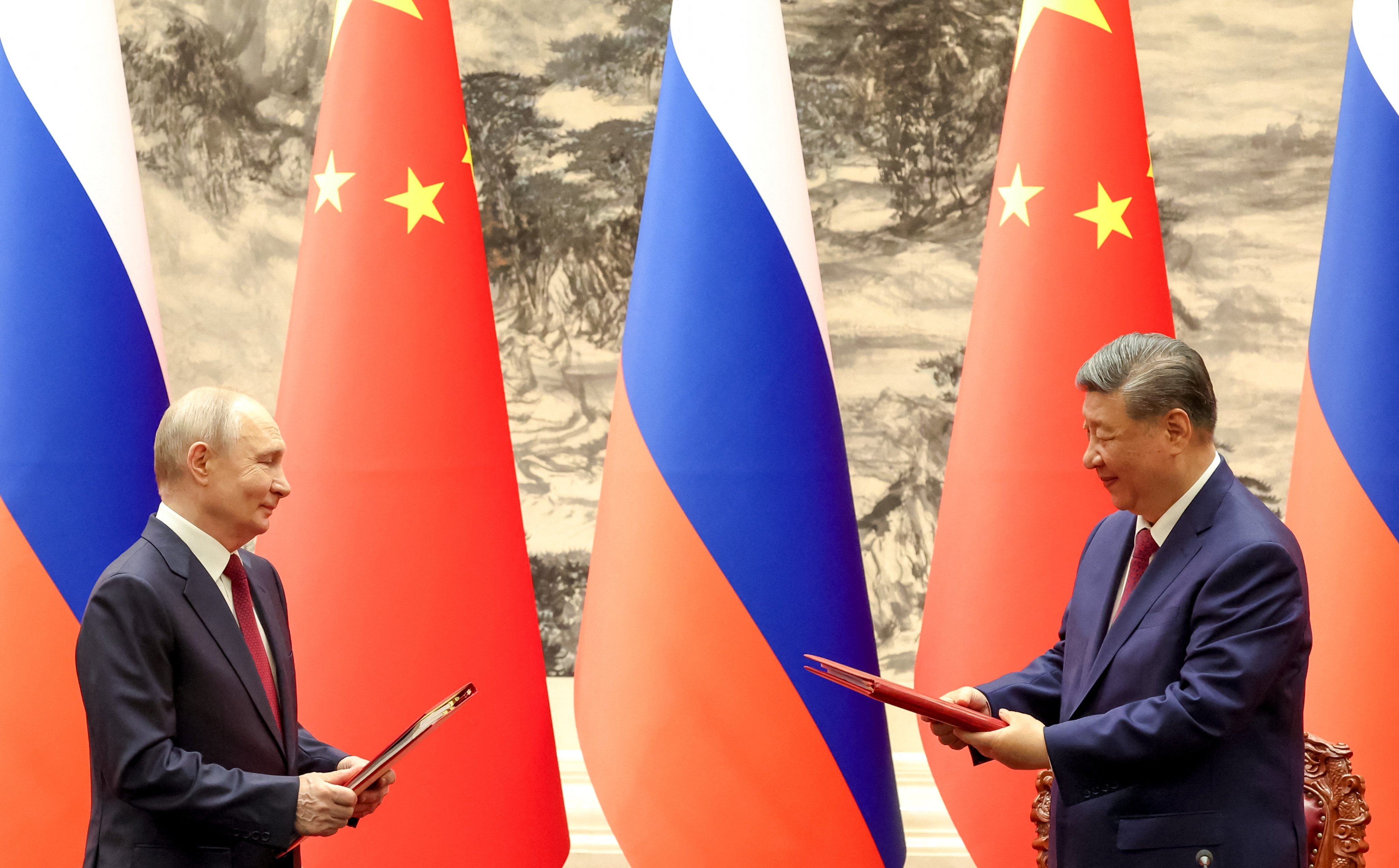
Moscow and Beijing have finalized an agreement to jointly develop a new cross-border railway line, aiming to significantly boost bilateral transport and trade capacity.
The project entails building a second railway branch connecting Zabaikalsk in Russia with Manchuria in the Inner Mongolia autonomous region of China, according to Bloomberg on May 20.
We bring you stories from the ground. Your support keeps our team in the field.
The Russian Ministry of Transport noted that the development will implement an independent track based on the Chinese rail standard. This new infrastructure will add 11 million tons of annual cargo capacity to the transit route by 2030 and enable the operation of an additional 50 pairs of freight trains every day.
The Zabaikalsk–Manchuria crossing serves as the largest rail checkpoint operating between the two nations. Currently, operations require cargo to be physically transferred at the border due to structural differences in infrastructure track gauges, as Russia relies on a 1,520 mm standard whereas China employs a 1,435 mm standard.
The newly planned infrastructure will optimize transit by running the Chinese standard directly into the hub.
The treaty was reached during an official state visit to Beijing by Russian officials from May 19 to May 20, which culminated in the signing of approximately 20 cooperation agreements spanning transportation, agriculture, and veterinary oversight.
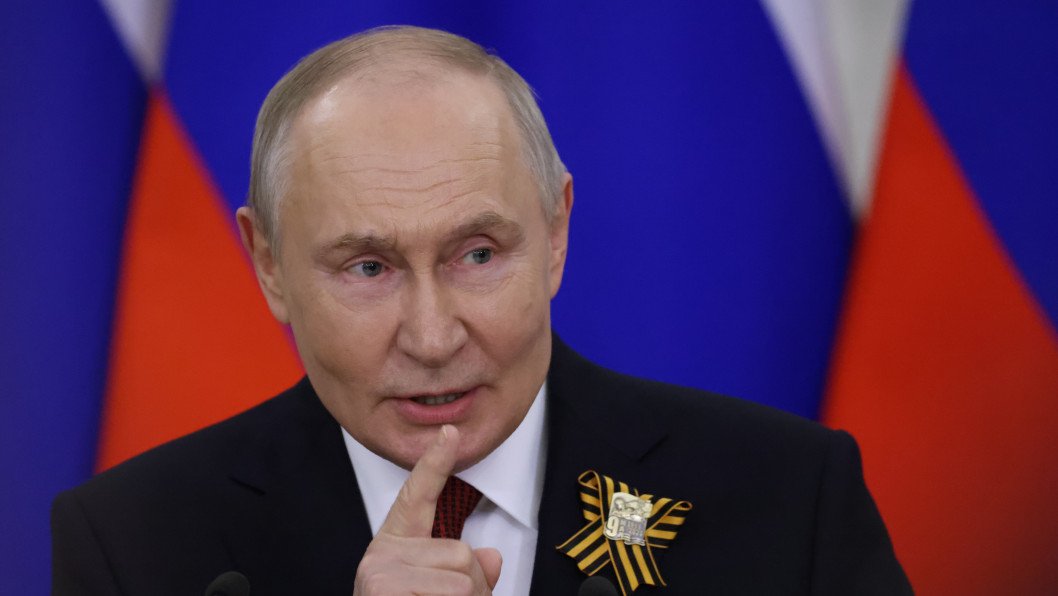
Additionally, the two governments finalized an extension of their mutual visa-free travel regime, which is now set to remain in effect until the end of 2027.
The bilateral meetings in Beijing followed closely behind another significant international diplomatic visit, as US President Donald Trump traveled to China for official talks from May 13 to May 15, marking his first state visit to the Chinese capital since 2017.
Over four years of Russia's full-scale invasion of Ukraine, the state-owned rail monopoly, Russian Railways (RZD), slid into an extremely poor financial condition as its debt surged from 1.5 trillion rubles to nearly 4 trillion rubles, which amounted to an increase from $11 billion to $45 billion.
Consequently, the company’s net profit for the first nine months of 2025 fell by a factor of four. To mitigate the crisis, authorities cut back the investment program, sought ways to optimize costs, and launched initiatives to reduce the debt burden by shifting it onto banks.
Furthermore, the company planned to reduce workforce expenditures by indexing 2026 wages by just 0.1% against a 10% inflation rate, while transferring some employees from Moscow to lower-paying regions. To stabilize liquidity, RZD even considered selling its newly acquired office tower in the Moscow City district at a loss, alongside plans to sell off railcars and other infrastructure assets.
Discuss this article:



-72b63a4e0c8c475ad81fe3eed3f63729.jpeg "Photo of Cyril Barabaltchouk")
-111f0e5095e02c02446ffed57bfb0ab1.jpeg "Photo of Roman Kohanets")