- Category
- World
Why Russia Built a Two-Seat Su-57 While America Never Needed One for the F-22 or F-35
 Prefer U24 Media on Google
- Authors


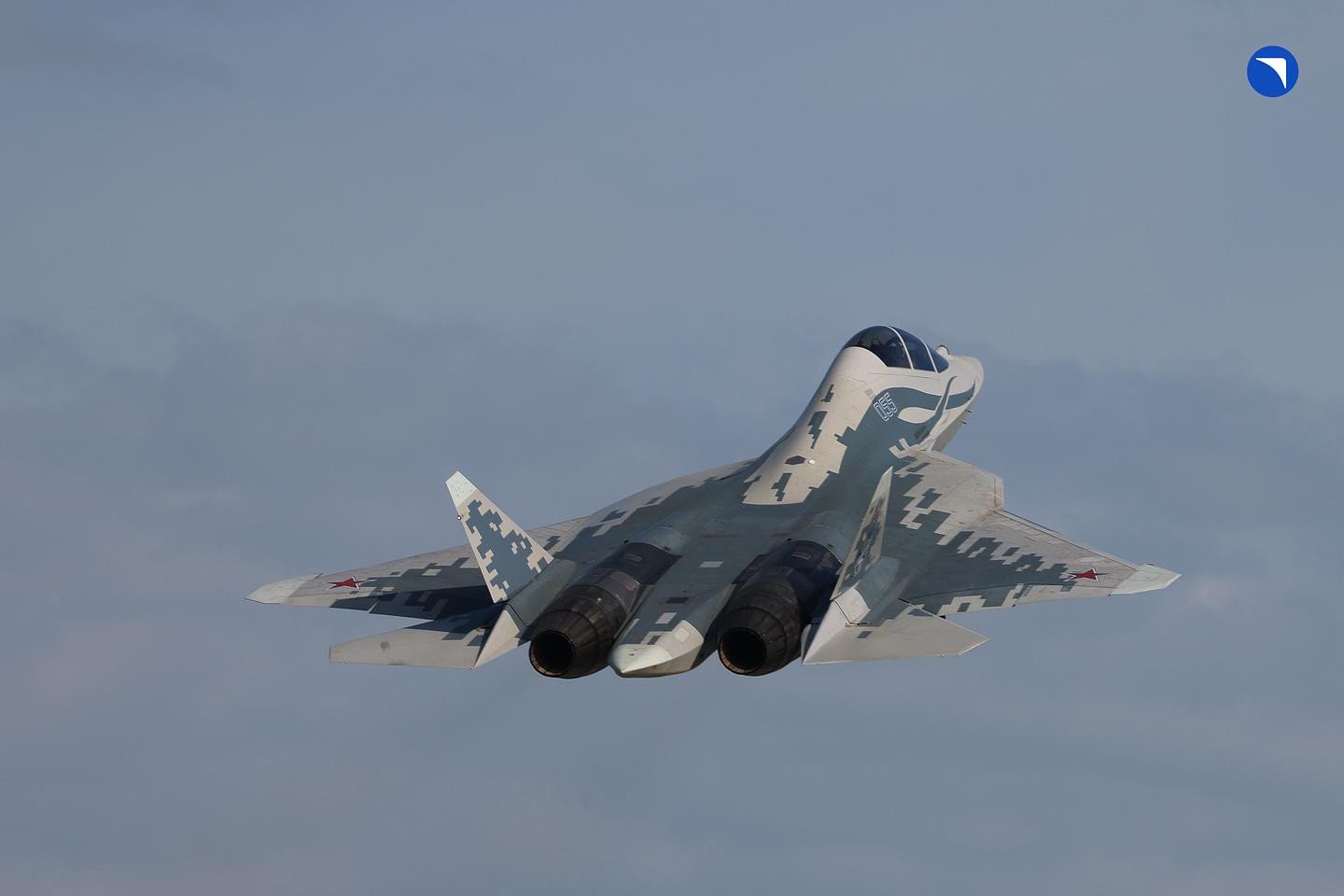
Russia has officially presented a two-seat version of its Su-57 fighter jet, designated the Su-57D, marking the first known trainer-combat variant developed for an aircraft Moscow classifies as a fifth-generation fighter.
We bring you stories from the ground. Your support keeps our team in the field.
According to Defense Express on May 20, Russia’s United Aircraft Corporation (UAC) released official footage and images of the aircraft after earlier photos circulating online had been dismissed by some Russian commentators as fake.
The aircraft has so far completed only its first flight, beginning what Russian officials described as a longer testing program.
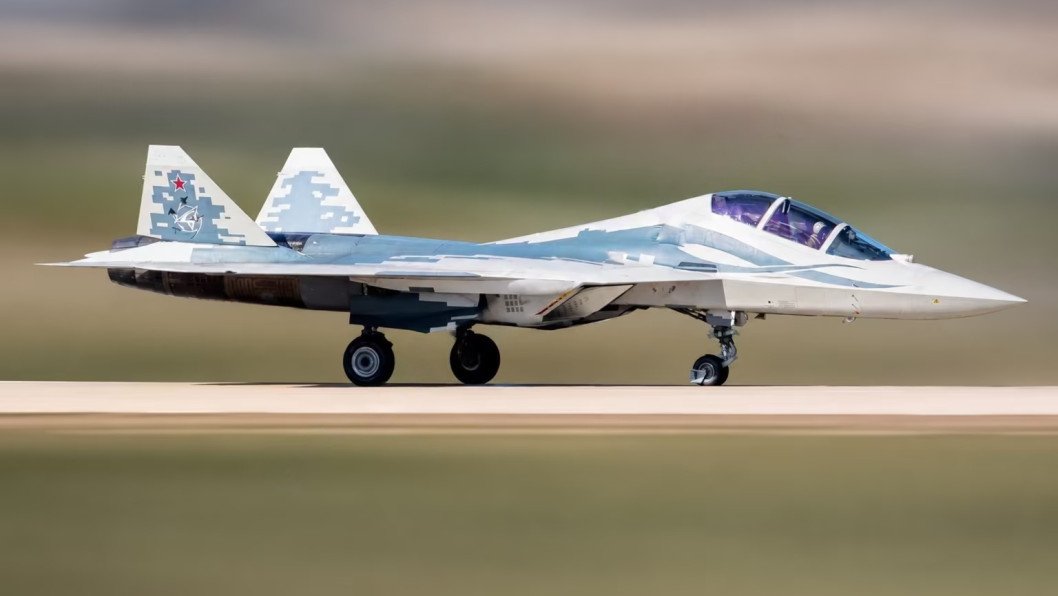
Russian officials presented the Su-57D primarily as a trainer-combat aircraft with additional “battle management” capabilities. The outlet noted that no other operational fighter publicly marketed as a fifth-generation aircraft currently has a dedicated trainer version.
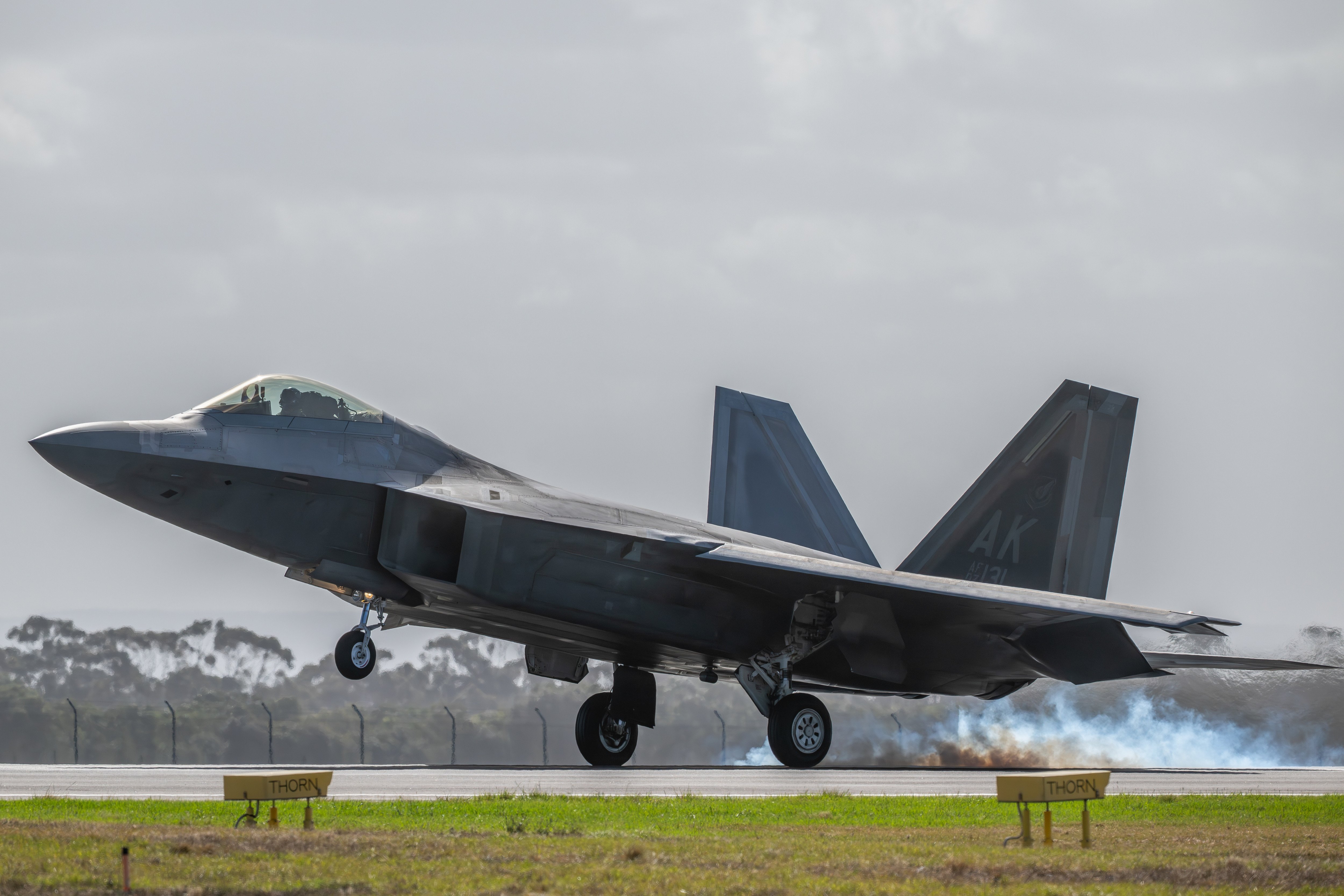
The report compared the development to the US F-22 Raptor, which entered service exclusively as a single-seat air superiority fighter. No two-seat F-22 variant was ever produced or formally planned. While the US previously explored the FB-22 strike aircraft concept in the early 2000s, that project involved a heavily redesigned airframe and was later canceled.
Defense Express also noted that Lockheed Martin never developed a two-seat version of the F-35 Lightning II. Israeli officials reportedly discussed the idea during early procurement talks more than a decade ago, arguing that long-range strike missions could benefit from a second crew member.
Lockheed Martin argued at the time that advances in avionics, sensor fusion, and digital flight systems allowed a single pilot to manage combat operations without an additional operator.
The report added that modern pilot training for the F-35 relies heavily on advanced simulators and software-based training modes rather than dedicated trainer aircraft.
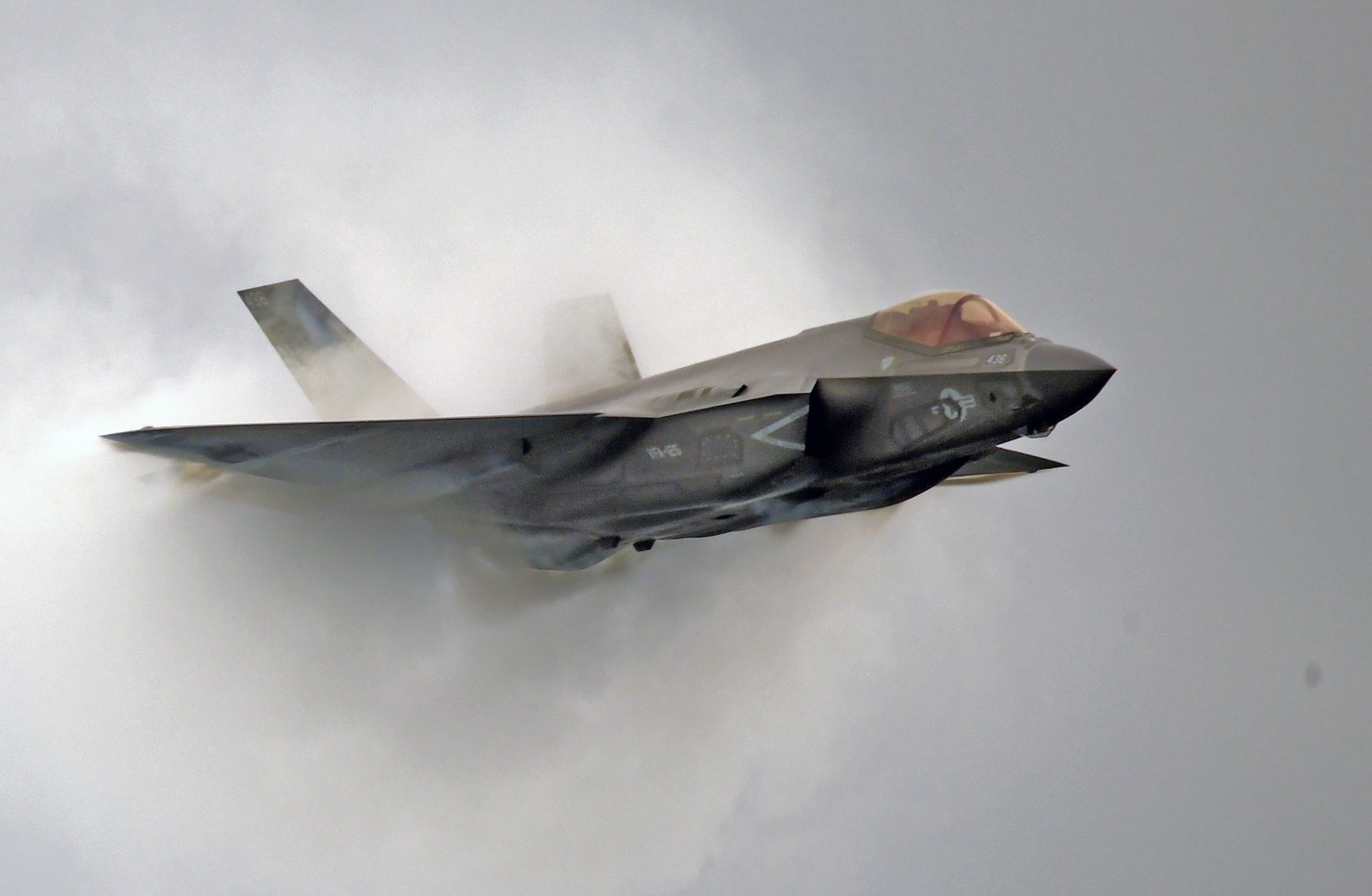
More than 1,300 F-35 fighters have been produced and are currently operated by over 10 countries without a separate two-seat training variant, according to the report.
Defense Express identified China’s twin-seat J-20S as the only other fifth-generation fighter derivative featuring a second crew member. However, the outlet stated that the Chinese aircraft was designed primarily for battlefield coordination, drone control, and air defense suppression missions rather than pilot training.
Chinese engineers significantly modified the J-20 airframe to integrate a second cockpit while attempting to preserve low-observable characteristics. The publication noted that stealth aircraft fuselage geometry and cockpit shaping are closely tied to radar signature reduction.
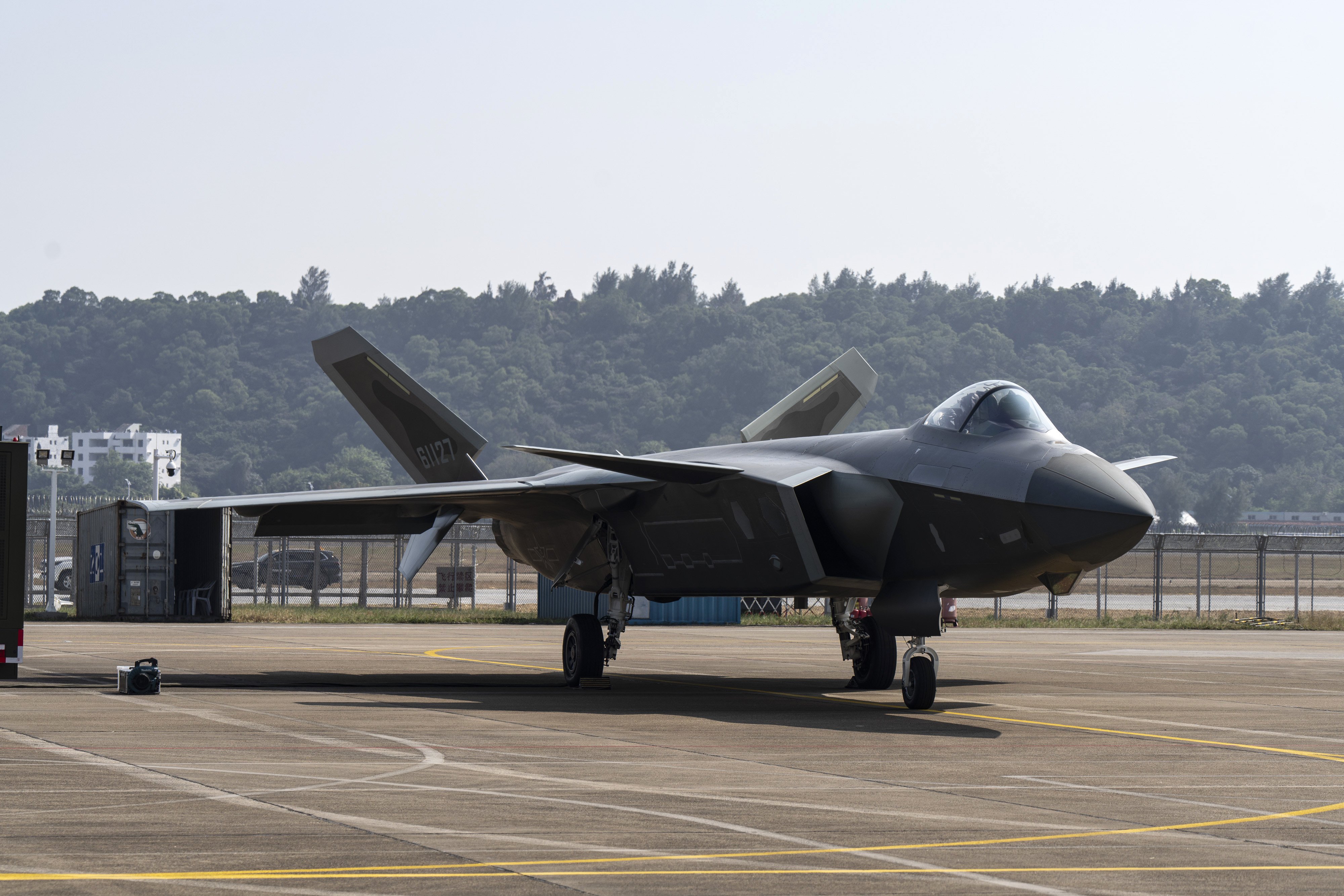
The report argued that Russia took a less extensive approach with the Su-57D, describing the aircraft as structurally closer to earlier Soviet-style twin-seat fighter conversions such as the Su-27UB. Defense Express stated that the elevated rear cockpit configuration could increase the aircraft’s radar visibility compared to the original single-seat Su-57 design.
The Su-57 remains Russia’s only operational fighter officially classified by Moscow as fifth generation. The aircraft has seen limited production since entering service, while questions about its stealth performance and production scale have persisted throughout the program’s development.
Earlier, Ukraine’s Armed Forces reported a long-range strike on Russia’s Shagol airbase in the Chelyabinsk region on April 25, targeting Su-57 and Su-34 aircraft located roughly 1,700 kilometers from Ukraine’s border, according to the General Staff of the Armed Forces of Ukraine.
Discuss this article:
-9a7b3a98ed5c506e0b77a6663f5727c5.png)


-c439b7bd9030ecf9d5a4287dc361ba31.jpg "Photo of Katherina Popilnichenko")