- Category
- World
India in Talks With Rosneft to Access Rare Earth Samples From Siberia’s Deposit
 Prefer U24 Media on Google
- Authors


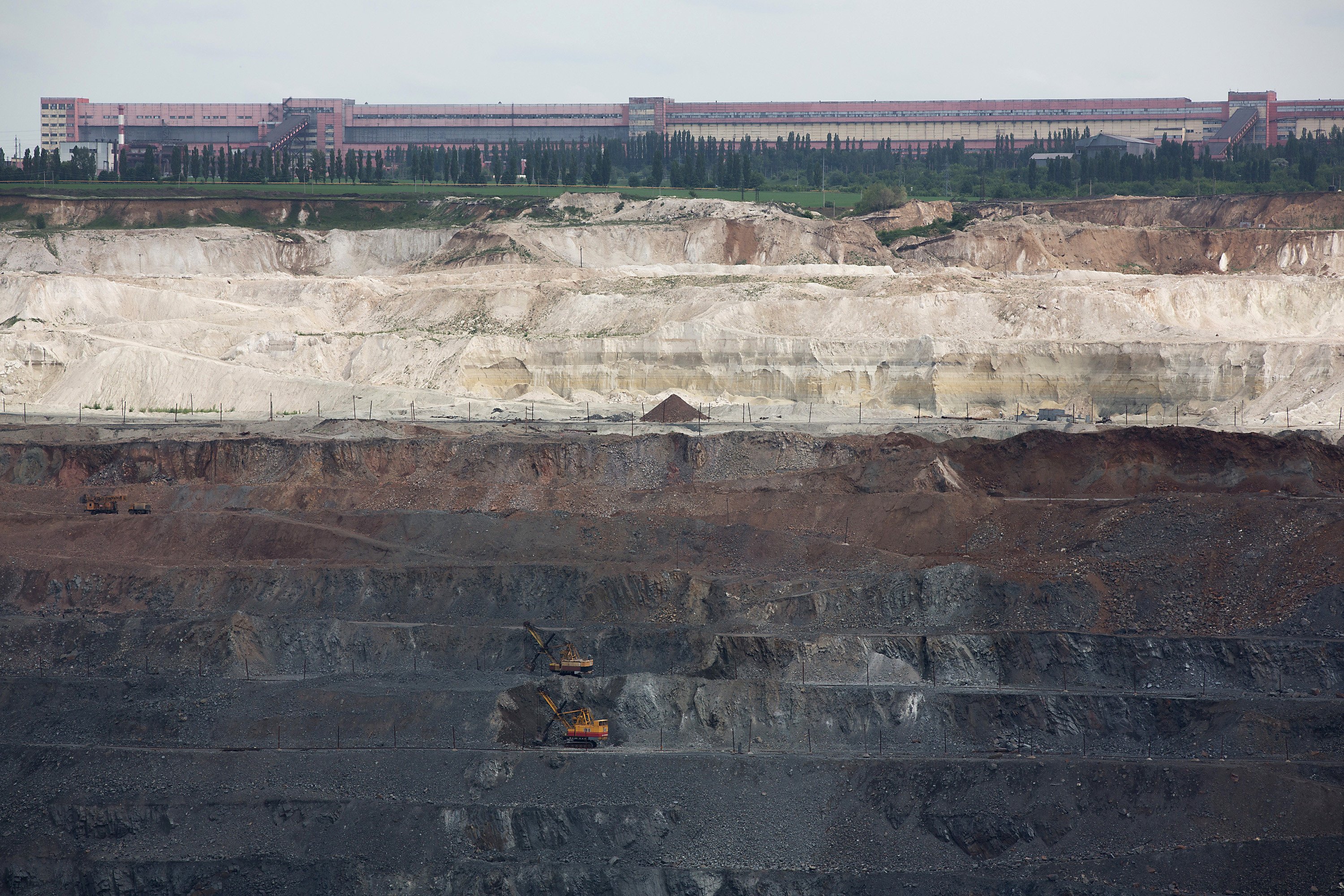
Indian state-backed miner IREL is in talks with Russia’s Rosneft to obtain rare earth samples from the Tomtor deposit in Siberia, as New Delhi moves to diversify its critical minerals supply chains and reduce dependence on China, according to Reuters on June 16, citing source familiar with the matter said.
According to the source, the discussions are being conducted through government channels and would involve processing the samples in Russia before they are shipped to India. The source added that India is seeking to analyse the mineral composition of the deposit before making any decision on deeper commercial engagement.
We bring you stories from the ground. Your support keeps our team in the field.
The Tomtor deposit, located in Russia’s Yakutia region of Siberia, is considered one of the world’s largest undeveloped rare earth reserves. Rosneft acquired the asset last year as part of its broader expansion into strategic mineral resources.
Rare earth elements are essential for the production of permanent magnets used in electric vehicle motors, renewable energy systems, and defense technologies, according to Reuters.
New Delhi has previously explored sourcing rare earth samples from Myanmar with the involvement of armed groups, according to earlier reporting. IREL has also been in discussions with Japanese and South Korean partners on potential joint production of rare earth magnets, the outlet noted.
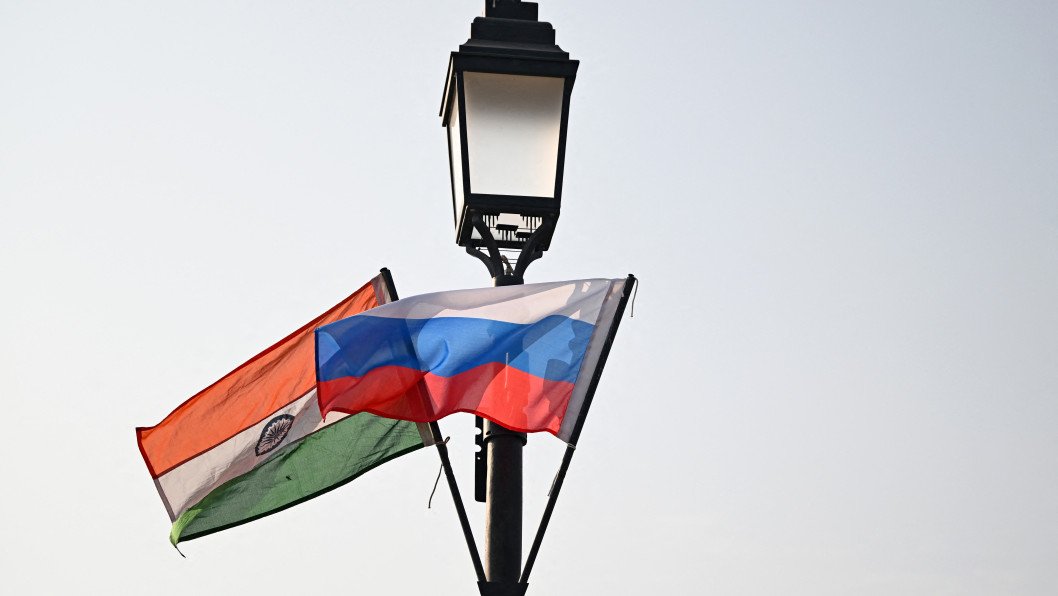
Beyond Russia, the company is pursuing mining opportunities in Argentina, Australia, and Malawi, and aims to begin commercial rare earth magnet production between 2029 and 2030, the source said.
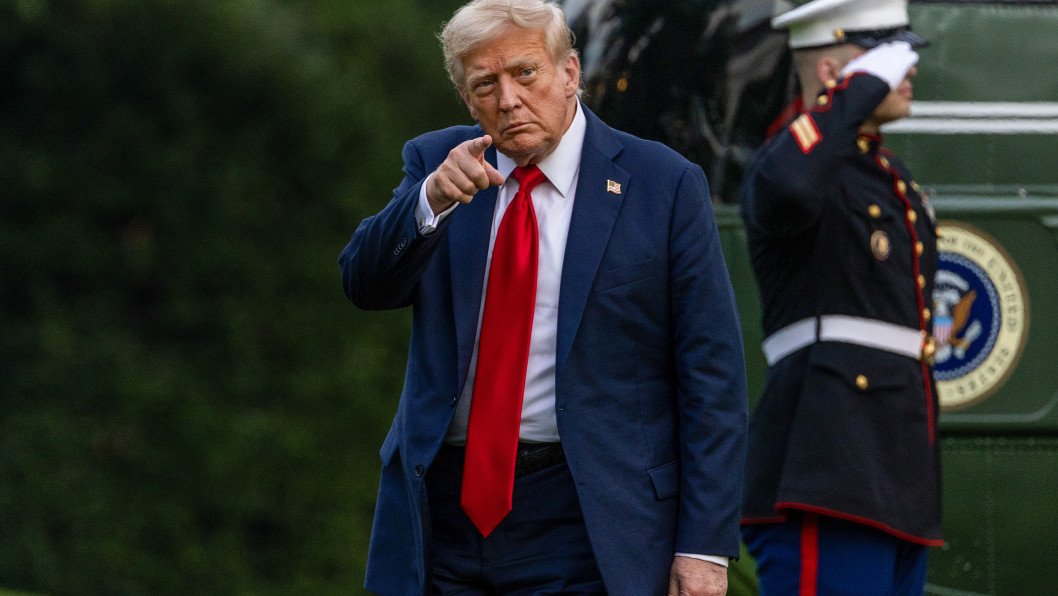
The development comes as India continues to import Russian oil despite United States sanctions waivers, according to an Indian petroleum ministry official cited by Reuters.
Speaking at a media briefing in New Delhi, Sujata Sharma, a joint secretary in the petroleum ministry, said India’s purchasing decisions are guided primarily by economic considerations rather than external policy shifts.
“Regarding [the] American waiver on Russia, I would like to emphasize that we have been purchasing from Russia earlier… I mean before waiver also, during waiver also, and now also,” Sharma said, as quoted by Reuters.
The official added that India has secured adequate crude supplies and intends to continue its current import strategy regardless of Washington’s sanctions regime.
“It is basically the commercial sense which should be there for us to purchase,” Sharma stated, according to the publication. “There is no shortage of crude. Enough crude has been tied up repeatedly… and this, whatever waiver or no waiver, it will not affect.”
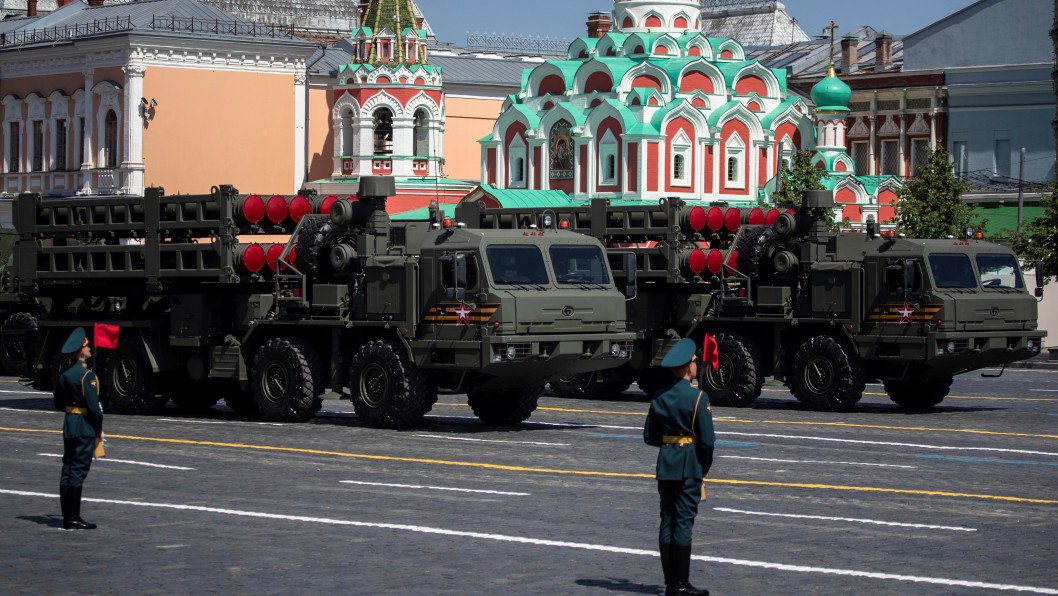
Additionally, India has concluded an agreement with Rosoboronexport to procure Shtil-1 naval surface-to-air missiles for its Russian-built Project 11356 frigates. The contract is valued at around $238 million,
According to Defense Blog, the acquisition is intended to equip recently delivered warships with the required missile stock for their onboard air defense systems.
The missiles will be supplied for two frigates already in service with the Indian Navy — F70 Tushil and F71 Tamal. Both vessels were constructed at the Yantar shipyard in Kaliningrad and were delivered to India in 2024 and 2025.
Discuss this article:
-4a56a6b482ec132402c16ef6fcabf9a2.png)


-c439b7bd9030ecf9d5a4287dc361ba31.jpg "Photo of Katherina Popilnichenko")



-72b63a4e0c8c475ad81fe3eed3f63729.jpeg "Photo of Cyril Barabaltchouk")