- Category
- Latest news
India Deepens Naval Ties with Russia in $238 Million Missile Deal
 Prefer U24 Media on Google
- Authors

-c439b7bd9030ecf9d5a4287dc361ba31.jpg "Photo of Katherina Popilnichenko")
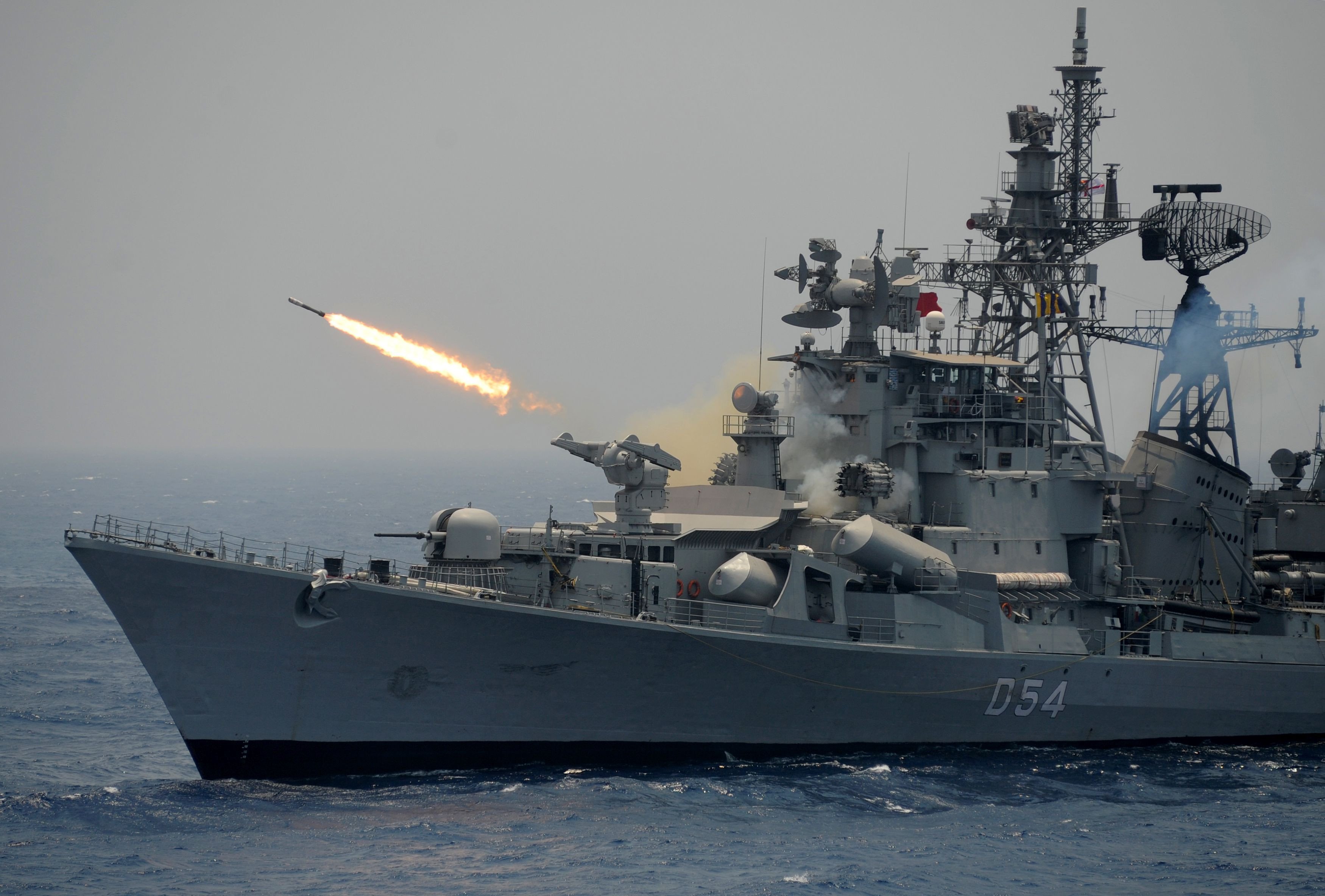
India has finalized a contract with Rosoboronexport to acquire Shtil-1 naval anti-aircraft missiles for its Russian-built Project 11356 frigates. The deal is valued at 21.82 billion rupees, which is approximately $238 million.
This procurement is intended to provide recently delivered frigates with the necessary operational missile stock for their onboard air defense systems, according to the Defence Blog on March 4.
We bring you stories from the ground. Your support keeps our team in the field.
The two vessels set to receive these missiles are already part of the Indian Navy. These are the frigates F70 Tushil and F71 Tamal. Both ships were constructed at the Yantar shipyard in Kaliningrad and were handed over to India in 2024 and 2025.
Two additional frigates of the same project, named Triput and Tavasya, are currently under construction in India at the Goa Shipyard Limited facility. This broader agreement involves the purchase of 120 short-range missiles and 168 long-range missiles, with a total estimated value of about $1.2 billion.
The Shtil-1 is a Russian-made medium-range naval anti-aircraft missile system. It serves as the export version of the Uragan system, which is the maritime variant of the Buk missile system. Developed by the Almaz-Antey concern, the complex is designed to strike airplanes, helicopters, cruise missiles, and drones. The primary missile used in this system is the 9M317ME.
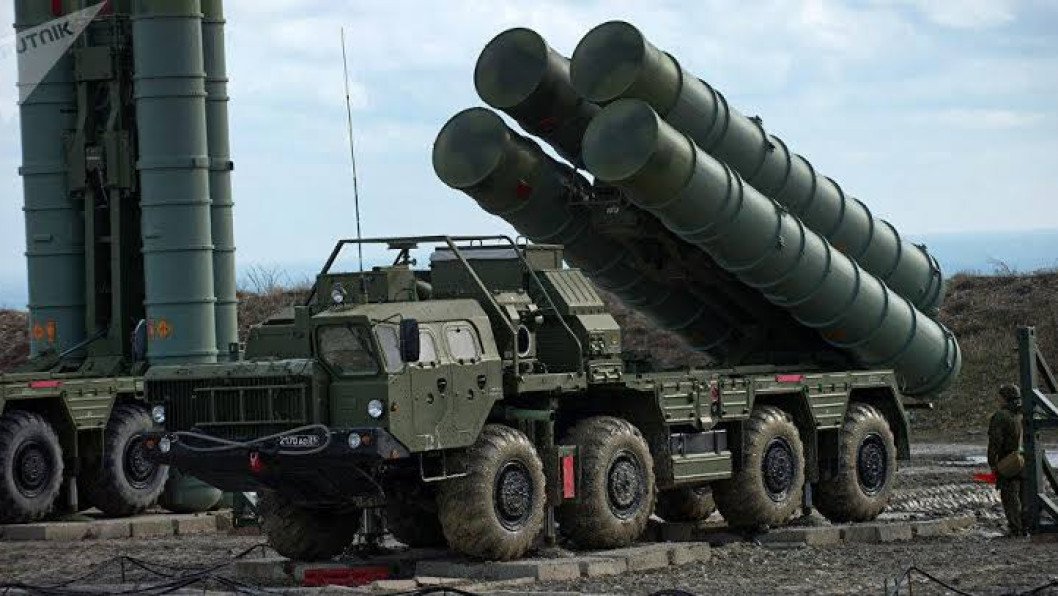
The maximum range for hitting targets reaches up to 50 kilometers, while the interception altitude can vary between 15 and 25 kilometers depending on the type of target and the conditions of use. Guidance is managed by an inertial system with radio correction during the cruise phase of the flight, followed by semi-active radar homing during the final stage.
The Shtil-1 employs vertical launch systems, which allow for launches in any direction without the need to turn the ship or the launcher itself. This design increases the reaction speed to threats and reduces “dead zones.” The number of missiles in the ammunition load depends on the specific ship type and the configuration of the launch modules.
Earlier, India had evaluated a major contract with Russia to modernize approximately 175 Su-30MKI fighter jets as New Delhi reassessed the pace of its domestic upgrade programs.
The potential deal emerged due to significant delays in India’s indigenous “Super Sukhoi” initiative, which was estimated to take up to 15 years to complete.
While the Russian proposal included advanced AL-41 engines and electronic warfare updates, India had previously withdrawn from a joint Su-57 stealth fighter partnership in 2018, citing performance concerns despite Moscow’s later offers of full source code access to compete with American alternatives.
Discuss this article: