- Category
- Latest news
India Rejects Russia’s “Next-Gen” S-500, Chooses More S-400s in Billion-Dollar Deal
 Prefer U24 Media on Google
- Authors


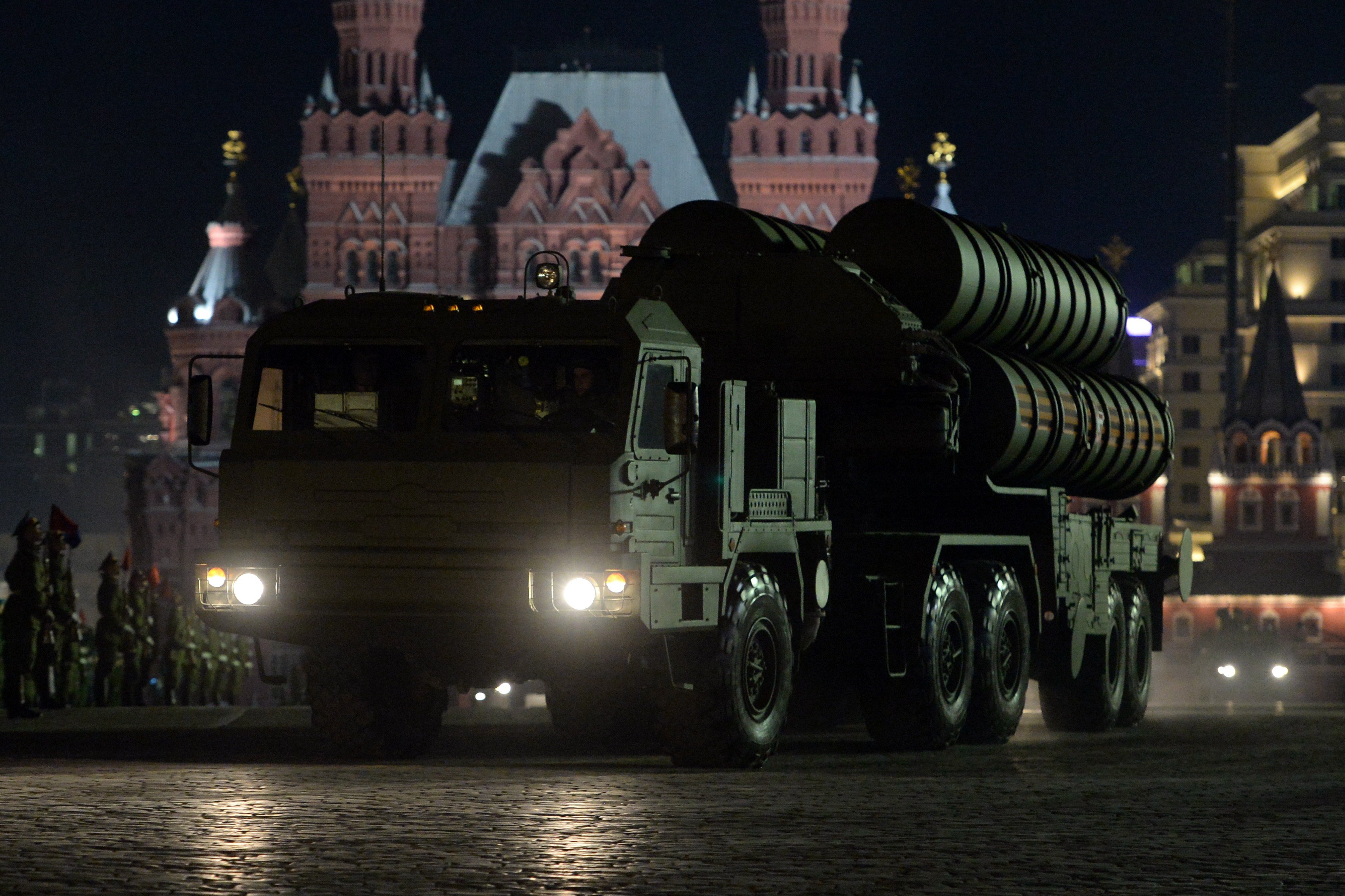
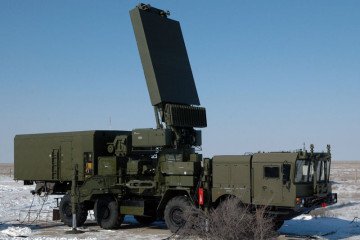
India is set to expand its air defense capabilities with the procurement of five more Russian-made S-400 surface-to-air missile systems, according to Defense Express on October 7.
The purchase would bring India’s total inventory of S-400 systems to ten, while discussions on acquiring Russia’s more advanced S-500 system have not progressed.
The new deal is expected to include the local production of two S-400 regiments in India, aligning with the country’s “Make in India” defense strategy.
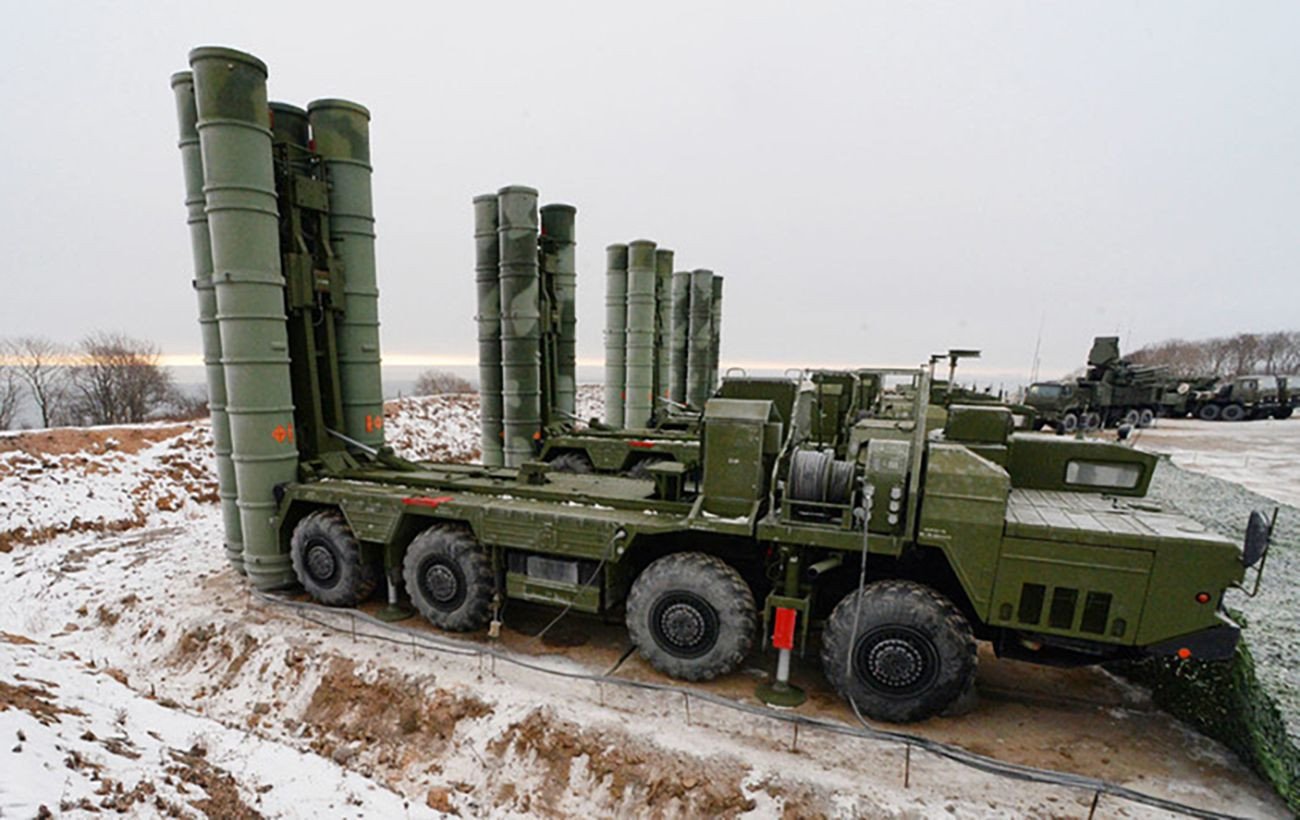
This move is intended to address previous delays in the delivery of Russian equipment by reducing dependence on external supply chains. India still awaits delivery of the final two S-400 units from its initial 2018 order of five systems, which Russia has pledged to complete by 2026.
As noted by Defense Express, the Indian Ministry of Defense aims to finalize the new S-400 agreement in time for Russian leader Vladimir Putin’s visit to New Delhi in December for the 23rd annual India-Russia summit.
India has shown no current interest in purchasing the newer S-500 system, which Russia has promoted as a next-generation air defense solution. One reason may be the lack of verifiable combat performance data for the S-500, while the S-400 has seen operational use—particularly in India’s border tensions with Pakistan.
Operational reliability and the benefits of system standardization appear to have influenced the decision. According to Defense Express, India is focusing on building up the quantity and interoperability of its existing S-400 units rather than introducing a new platform with uncertain logistics and performance.
While the deal may bring financial benefits to the Russian defense industry, it also raises concerns for Ukraine and its allies. Indian funding of Russian air defense programs could help sustain or accelerate Russian military developments, indirectly supporting Moscow’s war effort.
Defense Express recalls past instances where Russian weapons development was funded through foreign contracts—such as the Kh-35 anti-ship missile, which advanced due to export interest following the collapse of the Soviet Union.
At the same time, Russia’s industrial limitations remain visible. With battlefield losses and sanctions straining production capacity, Moscow may be forced to repurpose or delay existing exports to fulfill new orders.
Speculation exists that Turkey might be approached to offload some of its own S-400 units to India to ease delivery shortfalls.
Earlier, Russia and India launched their joint Indra 2025 military exercises in Rajasthan, focusing on counterterrorism coordination ahead of Vladimir Putin’s planned visit to New Delhi in December.
Discuss this article: