- Category
- Latest news
India Approves $1.1 Billion S-400 Missile Deal With Russia After 2025 Conflict
 Prefer U24 Media on Google
- Authors


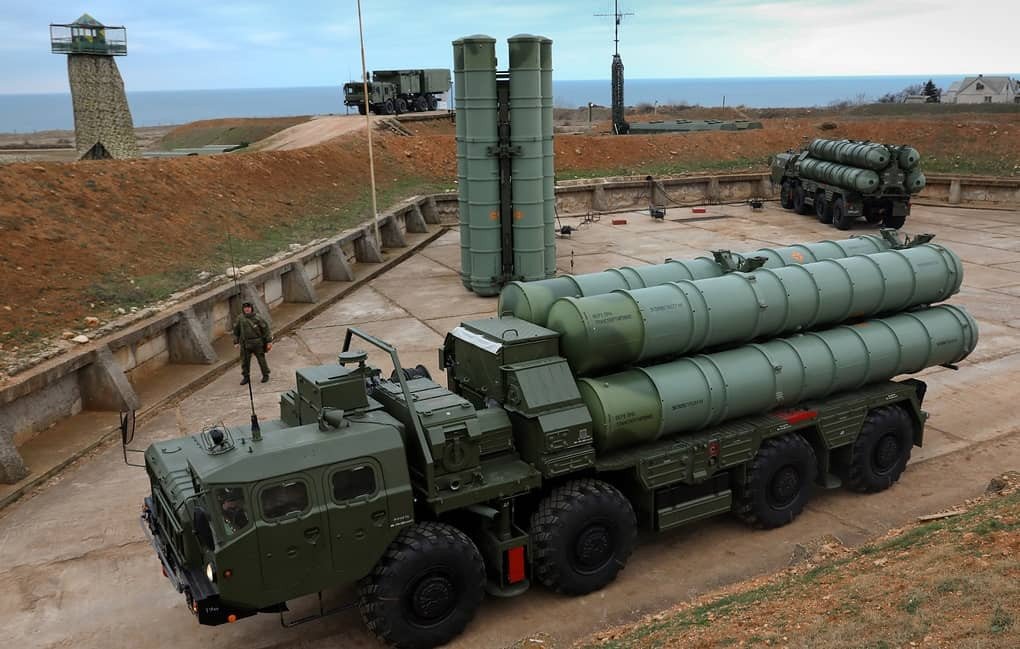
India has approved the initial step toward purchasing 288 S-400 surface-to-air interceptor missiles from Russia, a move aimed at restoring depleted air-defense inventories following the May 2025 conflict with Pakistan, according to Hindustan Times on February 13.
The decision by India’s Defence Acquisition Council grants Acceptance of Necessity (AoN) for the procurement, valued at roughly ₹100 billion (about $1.1 billion).
We bring you stories from the ground. Your support keeps our team in the field.
The package includes 120 short-range and 168 long-range interceptors intended to rebuild the layered missile stockpile that underpins the S-400’s deterrence and air-denial role.
Defense analysis cited by Army Recognition notes that the replenishment is not simply a replacement of expended munitions but an effort to restore the depth of long-range engagement capacity critical to sustained air-defense operations.
The acquisition will proceed under India’s Fast Track Procedure and reflects operational consumption of interceptors across multiple engagement ranges—approximately 400 km, 200 km, 150 km, and 40 km classes—during combat operations in 2025.
India Accelerates Air Defence Orders 🇷🇺🛡️🇮🇳
— TheGlobalDecoder (@TGD_06) February 13, 2026
India is fast-tracking major air defence procurements to bolster its layered shield against evolving regional threats:
1️⃣ The Defence Acquisition Council (DAC) has approved the fast-track purchase of 288 missiles for the S-400 Triumf… pic.twitter.com/cUK3EL491n
At the same Defence Acquisition Council meeting, AoN approvals totaling about ₹3.60 lakh crore ($39.6 billion) were granted for a wide range of additional programs, including 114 Rafale fighter jets, high-altitude pseudo-satellite systems, anti-tank mines, armored vehicle overhauls, naval power generators, and additional P-8I maritime reconnaissance aircraft, as also summarized in defense reporting highlighted by Army Recognition.
India originally signed a $5.43 billion government-to-government agreement with Russia in October 2018 for five S-400 air-defense systems, structured for phased delivery and integration into the national network. The two remaining systems are scheduled to arrive in June and November 2026.
Following AoN approval, the missile purchase must still pass price negotiations, financial authorization, and final security clearance before a contract is signed.
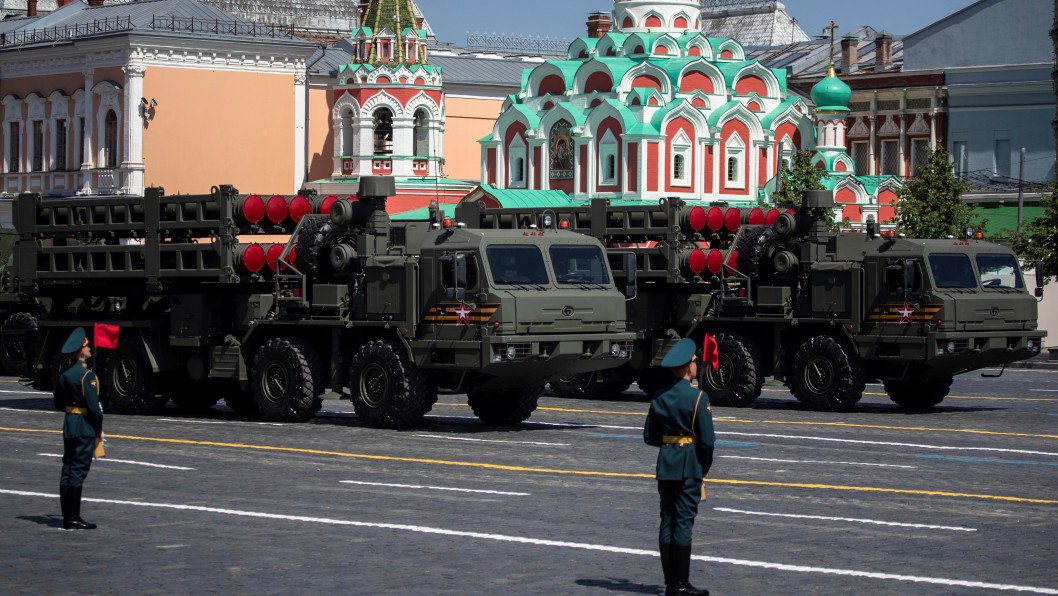
Discussions between India and Russia have also explored the possibility of five additional S-400 systems, potentially involving technology transfer to the Indian private industry.
The need for replenishment stems from the heavy wartime use of S-400 interceptors during Operation Sindoor in May 2025, a four-day confrontation that began after Indian missile strikes in Pakistan and Pakistan-administered Kashmir.
During the conflict, S-400 batteries reportedly engaged fighter aircraft, surveillance platforms, missiles, and armed drones across multiple sectors.
One long-range interceptor was said to have struck a large aircraft at a distance of 314 km inside Pakistan’s Punjab region, after which Pakistani aircraft activity reportedly shifted westward toward bases near Afghanistan and Iran.
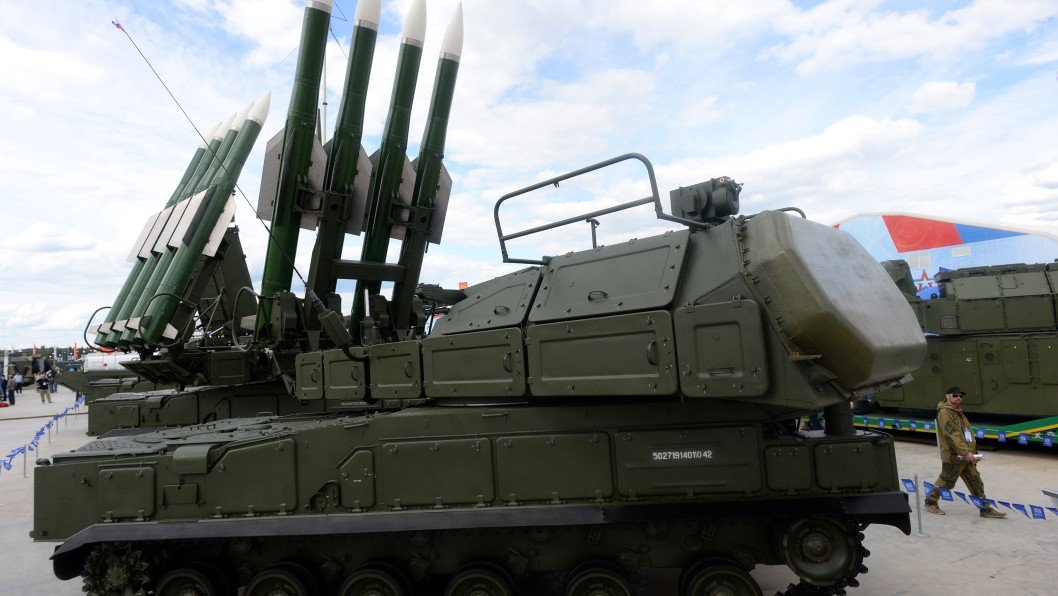
Subsequent strikes on radar facilities in Lahore, Rawalpindi, Sialkot, and Pasrur were followed by a reported drop in Pakistani air operations in sectors covered by S-400 deployments at Adampur and Bhuj—an operational impact frequently cited in technical assessments noted by Army Recognition.
Developed by Russia’s Almaz-Antey, the S-400 long-range air-defense system evolved from late-model S-300 variants and entered operational service in 2007.
It is designed to counter strategic bombers, fighter aircraft, airborne early-warning platforms, cruise missiles, and certain ballistic threats, with engagement ranges extending up to 400 km depending on the interceptor used.
A typical S-400 battery integrates long-range surveillance radar, engagement radar, optional 3D tracking radar, and a digital command post, linked to multiple mobile launchers carrying sealed missile canisters.
-aaca08d17834dc695b5a72974ac4305b.png)
This networked structure enables layered, multi-range interception rather than reliance on a single defensive ring.
The system’s missile family includes:
40N6 long-range interceptor (up to 400 km range, active radar terminal guidance);
48N6-series missiles for extended-range aerodynamic and limited ballistic targets;
9M96E2 and 9M96E agile short- and medium-range interceptors using thrust-vector control for high-maneuverability engagements.
Mixed missile loads allow a single battery to create a multi-tiered defensive envelope, shaping adversary air operations far beyond the immediate battlefield—an aspect repeatedly emphasized in technical coverage by Army Recognition.
Earlier, reports emerged that Russia used export-version missiles associated with the S-400 air defense system to strike ground targets in Ukraine, after fragments from recent attacks were identified as 48N6E2 interceptors originally made for foreign customers.
Discuss this article:


-111f0e5095e02c02446ffed57bfb0ab1.jpeg "Photo of Roman Kohanets")

-72b63a4e0c8c475ad81fe3eed3f63729.jpeg "Photo of Cyril Barabaltchouk")

-c439b7bd9030ecf9d5a4287dc361ba31.jpg "Photo of Katherina Popilnichenko")