- Category
- World
What Did Russia’s Failed Defenses Cost Venezuela Per Hour?

In the end, Venezuelan leader Nicolás Maduro was protected by an estimated nearly $1 billion per hour in Russian‑supplied defenses, and still got taken in under three.
 Prefer U24 Media on Google
- Authors

-605be766de04ba3d21b67fb76a76786a.jpg "Joseph Place")
When the US captured Venezuelan leader Nicolás Maduro in just 2 hours and 28 minutes in Operation Absolute Resolve, many Venezuelans complained about the inefficiency of military goods purchased from Russia, with the US even taunting them. Venezuela-Russia relations involved many expensive arms deals, and the failures of these weapons to defend Venezuela have cost both countries.
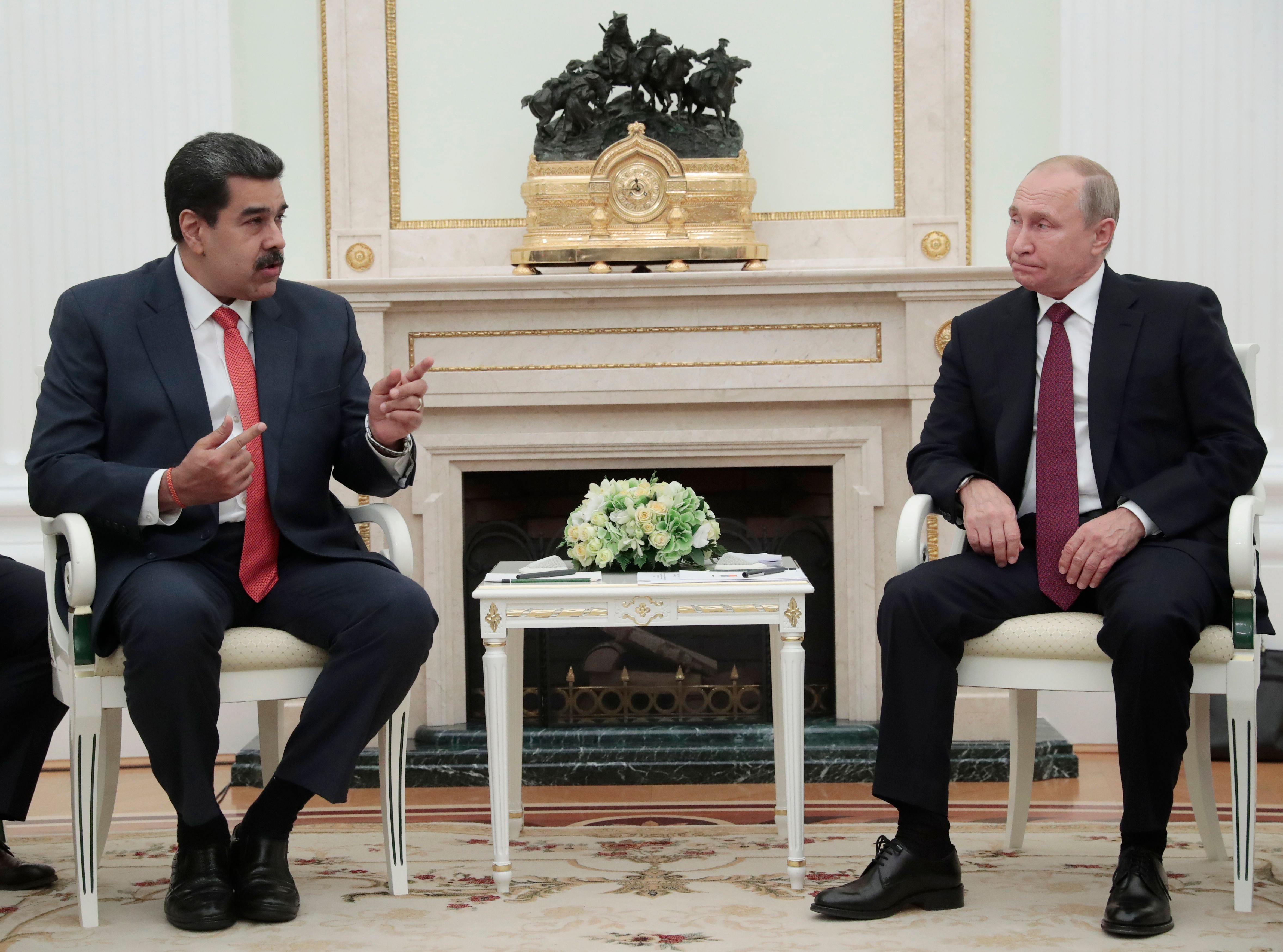
The lesson being that if you buy from Russia, you’re often wasting it, and expecting Russian assistance is unrealistic. Russian involvement in Venezuela has generally provided Russia with access to oil, shipping, and influence in South America, yet Venezuela faces uncertainty as a result of its reliance on Russia.
Venezuela wasted money on Russian military equipment and is now facing financial losses from the US control of its oil and shipping. Russia is also feeling many costs now that it seems Venezuela will pivot towards a more cooperative relationship with the USA. What are these costs?
What Russia sold to Venezuela
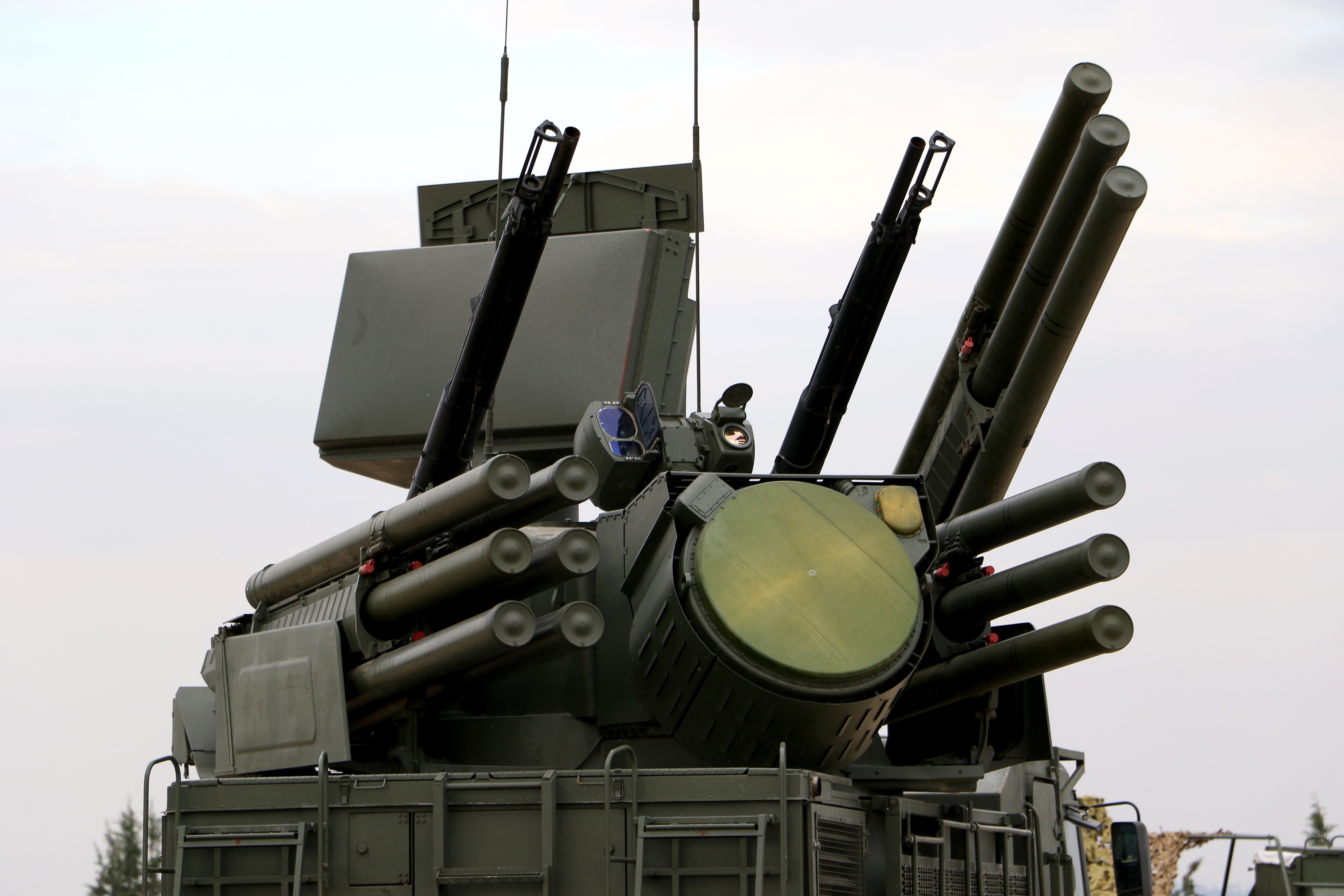
First, it is worth explaining what Venezuela purchased from Russia. The majority of this information is from a report in 2019 from the CNA. It does not, for example, mention eight APE-MB-E command staff for crowd control given to protect Maduro from protests or other recent purchases. Or that in 2025, Venezuela also claimed to have acquired Pantsir and Buk M2E systems, which were infamously not helpful when Maduro was captured. The military in Venezuela relied considerably on Russian arms and support, as a whole, as we can see.
Small arms, ammunition, and licensed production
100,000 AK-103 assault rifles (contract signed May 2005)
74 million rounds of 7.62×39mm ammunition
500,000 rifle magazines
Bayonets, spare parts, manuals, and training equipment associated with the AK-103
5,000 SVD (Dragunov) sniper rifles (reported order around 2007)
Licensed AK-103 rifle manufacturing plant in Venezuela
Licensed ammunition manufacturing plant in Venezuela (7.62×39mm)
Combat aircraft and air-launched weapons
24 Su-30MK2V multirole fighter aircraft (contract 2006, delivered 2006–2008)
Air-to-air missiles:
R-27
R-73
Air-to-surface missiles:
Kh-29
Kh-31A
Kh-31P
Kh-59ME
Guided aerial bombs:
KAB-500
KAB-1500
Helicopters
2 Mi-35 attack helicopters
2 Mi-26 heavy-lift transport helicopters
32 Mi-17V-5 multirole helicopters
2 Mi-172 VIP transport helicopters
Ground-based air defense and radar systems
11 Pechora-2M (upgraded S-125 / SA-3) surface-to-air missile batteries
Approximately 550 Pechora-2M surface-to-air missiles
1 S-300VM (Antey-2500 / SA-23) air defense system (two launch batteries)
Approximately 200 S-300VM missiles
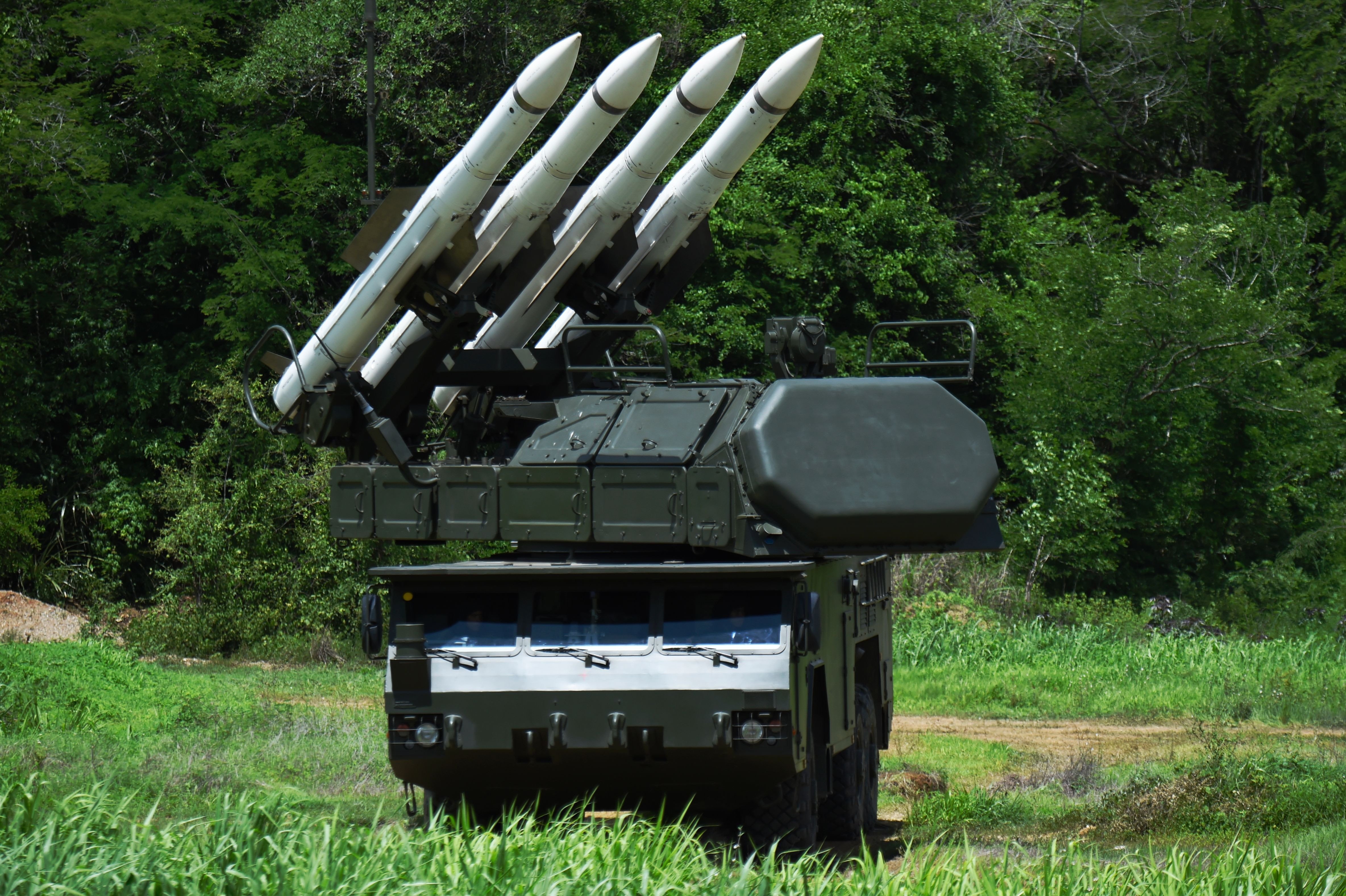
3 Buk-M2E / Buk-M2EK (SA-17) air defense battalions (12 launchers total)
Approximately 300 ZU-23 23mm anti-aircraft guns
11 P-18M early-warning radars
Automated air-defense command and control systems
1,800 Igla-S man-portable air defense missiles (declared in 2009)
Additional Igla-type MANPADS acquired later (exact numbers not public)
What went wrong for Venezuelan air defense
With this equipment, particularly the air defense, the Venezuelan regime was still unable to prevent the USA from taking Maduro so quickly. There are multiple factors. As reported in the New York Times, air defenses were not hooked up to a radar, and air defense components were in storage.
In addition, “After years of corruption, poor logistics and sanctions, all those things would have certainly degraded the readiness of Venezuela’s air defense systems,” said Richard de la Torre to the NYT, a former C.I.A. station chief in Venezuela.
It was not just Venezuela, however. Russia had failed to provide the necessary technical support to maintain the air defense systems and did not prioritize its ally in South America.
Venezuela’s Russian arms deals
While publicly available data is limited, one air deal cost $1.5 billion; Venezuela received a loan of $4 billion in 2011 as well to purchase military goods. The contracts were estimated to be worth at least $11 billion in 2013. Costs would have increased with support and replacement orders, though we cannot confirm the figure.
Post 2013, considering the purchases of additional weaponry, such as the Buk air defense system, estimated at around $30 million by some media, Pantsir systems, which are estimated at around 13-15 million, plus costs to upgrade its Sukhoi jets in 2015, costing $480 million, totalling at least $520 million in recent years.
This brings our total to around $11.5 billion for Russian military equipment. In short, it appears Venezuela paid billions, albeit via loans, and Russia did not want, or was not able, to provide the support for Venezuela to meaningfully defend itself.
How much Venezuela paid for Russian air defense systems
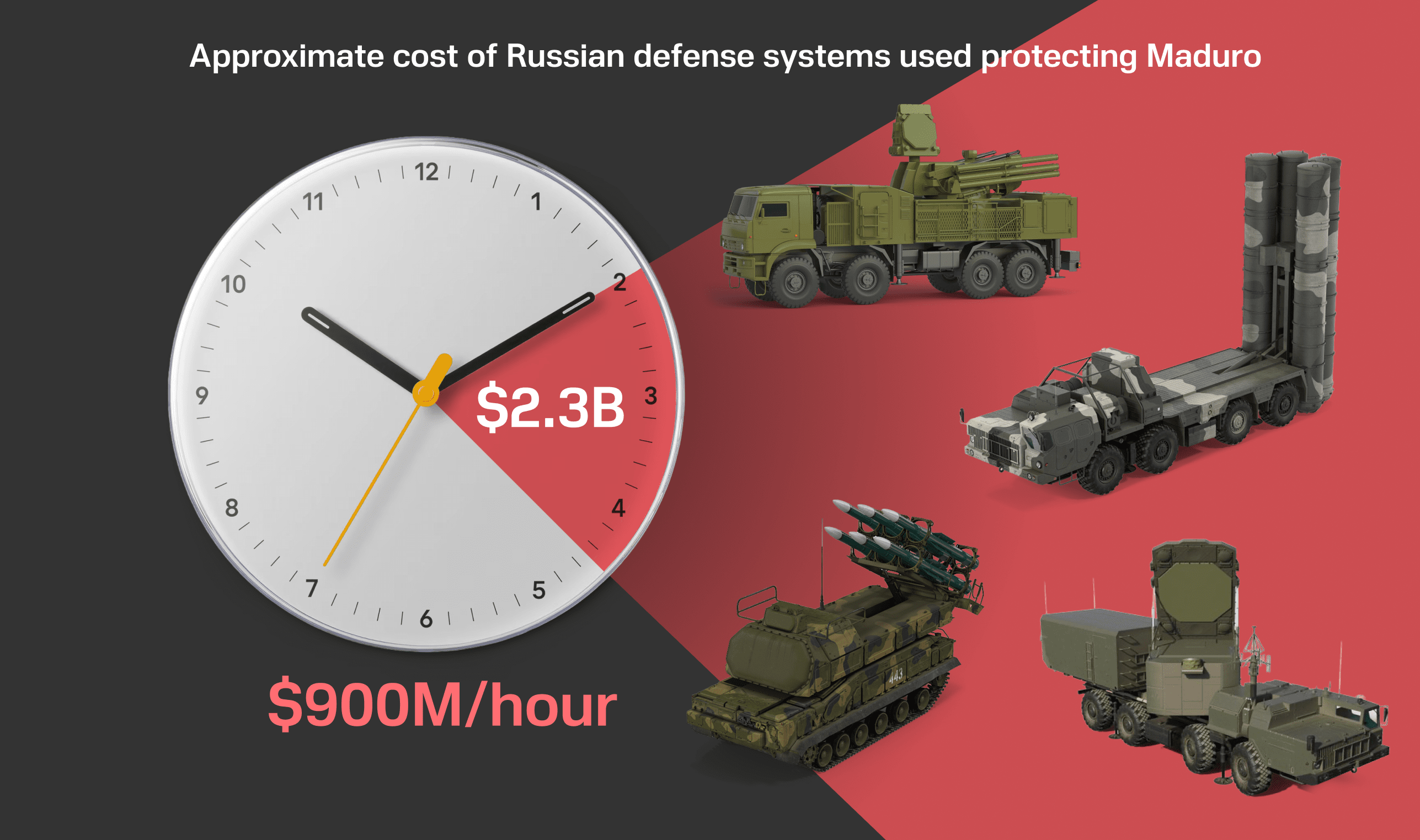
Focusing on what should have assisted Maduro’s defense, we can claim that around $1.8–2.3 billion was wasted by purchasing the S-300VM, Buk, Pantsir, radar, and command-and-control assets that did not help.
How much did this cost Venezuela per hour?
If we divide this by the time of the actual Operation Absolute Resolve’s time of operation, two hours and 28 minutes, then there was a security failure rate of $720 million – $920 million per hour. Of course, this was paid in advance, but Venezuela is also losing around $9 million per day due to the US’s control of its oil industry.
How much this cost Russia
Russia is arguably bearing more costs in many ways. In finances, trade, and reputation.
With regard to weaponry, Russia would have benefited in the short term from the contracts and growing influence in South America. The fact that these contracts were via loans indicates that Russia is ultimately bearing the cost. Venezuela still owed Russia $3.5 billion, says Ukrainian intelligence, an amount that is now unrecoverable.
We can consider the costs from oil investment, estimated to be $8 billion as of 2017. While this may all pale in comparison to the $160 billion military budget estimated by the Stockholm International Peace Research Institute, in a time of economic downturn in Russia, this may still be of concern. There are wider financial costs, however.
We can also expect that the US naval blockade of oil shipping, involving seizing ships and encouraging turnarounds, which started in December 2025, is costing Russia significantly. Venezuela has been crucial to the operation of its “shadow fleet,” estimated to generate from $87 billion to $100 billion for Russia, and yet, now it cannot utilize Venezuela. The USA stormed tankers of this fleet, undermining its capability and trade revenue. This means the blockade is also costing Russia significant income, as well as Venezuela
Why Russia is an unreliable arms supplier
Beyond finances and trade, Russia is losing credibility. After showing that it was an unreliable ally once again, after failing to assist Armenia, Syria, and Iran, it is now alienating itself on the global stage and is growing increasingly isolated.
Russia is essentially focused on making these deals but not providing ongoing support materially or politically. While Russia has a goal of forming relationships with countries of interest, for example, Venezuela or Iran, whether for strategic, geopolitical, or resource-based reasons, it does not provide the support necessary to use weapons effectively and maintain power in the face of adversity.
The events in Venezuela, alongside the lack of support for Iran in its war against Israel, show that Russia is unreliable when it comes to providing weapons, incurs debts on those who purchase from it, and fails to provide what is necessary in many cases.
Discuss this article:

-111f0e5095e02c02446ffed57bfb0ab1.jpeg "Photo of Roman Kohanets")

-a0d157e1f6f04033b54a1b71f05dabe3.jpg "Russia’s Military Is Expanding Across Africa. Suspiciously, So Is Its Church")