- Category
- World
Russia Secretly Supplied Venezuela’s Leader Maduro with Military Tech To Crush Mass Protests—Leaked Files Reveal
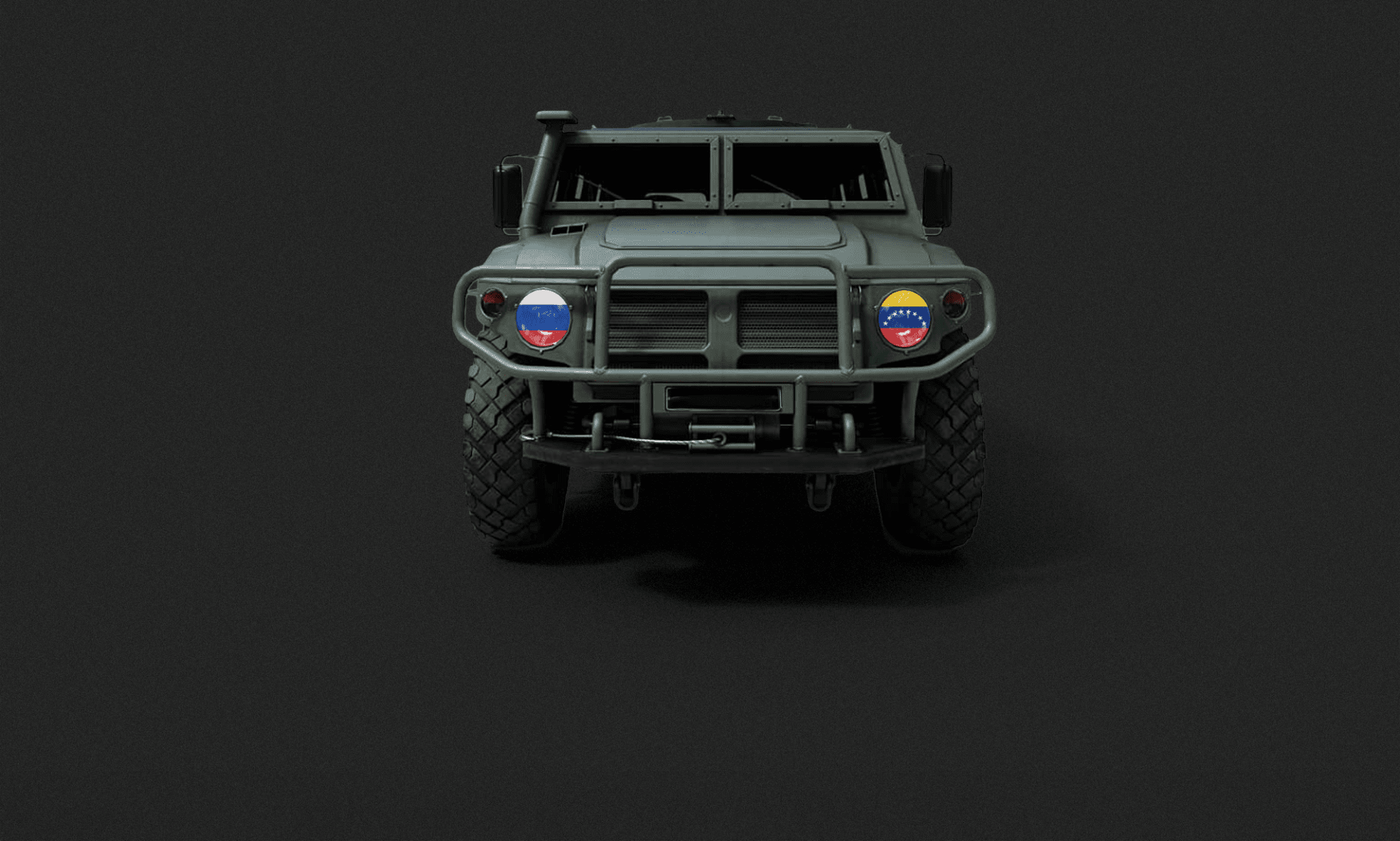
Following non-democratic elections in 2018, Nicolás Maduro retained power in Venezuela, triggering mass protests that left dozens dead. As Washington refused to recognize the results and Caracas severed diplomatic ties, Moscow began supplying Maduro’s regime with advanced military technology that would help it consolidate control.
 Prefer U24 Media on Google
- Authors

-206008aed5f329e86c52788e3e423f23.jpg "Photo of Oleksandr Moiseienko")
How Russia’s digital weapon reached Venezuela
Behind the complex abbreviation C4ISR lies an integrated digital system of command, control, communications, computers, intelligence, surveillance, and reconnaissance—a network that unites armed forces, communication systems, and computer technologies into a single operational field. Such systems are known only to the militaries of a select few nations, as developing a full-fledged C4ISR network requires immense resources. Only a handful of advanced militaries—such as the United States, Russia, China, and a few NATO members—have developed full-fledged C4ISR systems.
These technologies are rarely exported and are often withheld even from close allies, making them virtually unavailable on the global arms market. The hacker group BlackMoon released a trove of documents revealing the transfer of such technology from Russia to China. The project, known as “SWORD,” sparked wide international attention. Analysts—including experts from the reputable Royal United Services Institute (RUSI)—warned that these technologies could later be used in a potential invasion of Taiwan.
However, UNITED24 Media's investigation into the rest of the leaked documents revealed that China was not the only recipient of Russia’s C4ISR technology. Components of the system—including the APE-MB-E, a mobile command unit—had already been delivered to Venezuela, where they ultimately helped Nicolás Maduro maintain control despite massive protests.
The documents we obtained—including internal correspondence between Russia’s state arms exporter and its defense contractors—show that Russia offered these systems to Venezuela as early as 2018, involving the same entities that handled the Chinese deal. Amid heightened tensions between the United States and Venezuela, Moscow made an exception for Caracas, choosing to transfer advanced technologies that until then had been shared only with Belarus, a close Russian ally.
Inside the secretive Russia–Venezuela APE-MB-E deal
Key parties involved in the deal:
Participant | Role | Controlled by |
Rostec | State corporation, owner of major defense holdings | Russian Government |
Rosoboronexport | Arms exporter, deal coordinator | Rostec |
Concern “Sozvezdie” | Executor of C4ISR projects | Rostec |
NIISSU (Research Institute of Communication and Control Systems) | Developer of APE-MB-E | Sozvezdie |
VPK (Military-Industrial Company) | Manufacturer of the “Tigr” armored vehicle | Rostec |
Customer 862 | Venezuela |
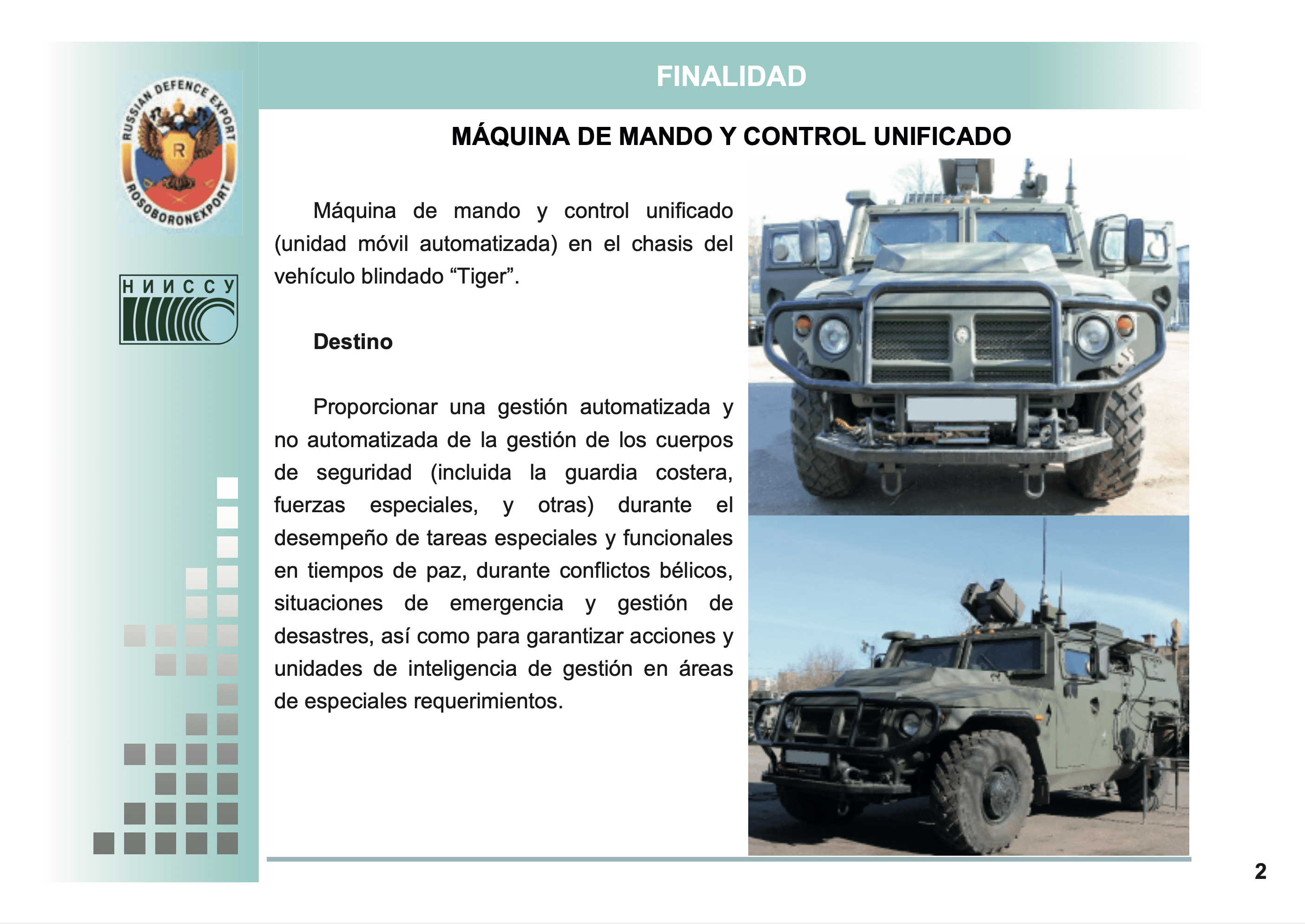
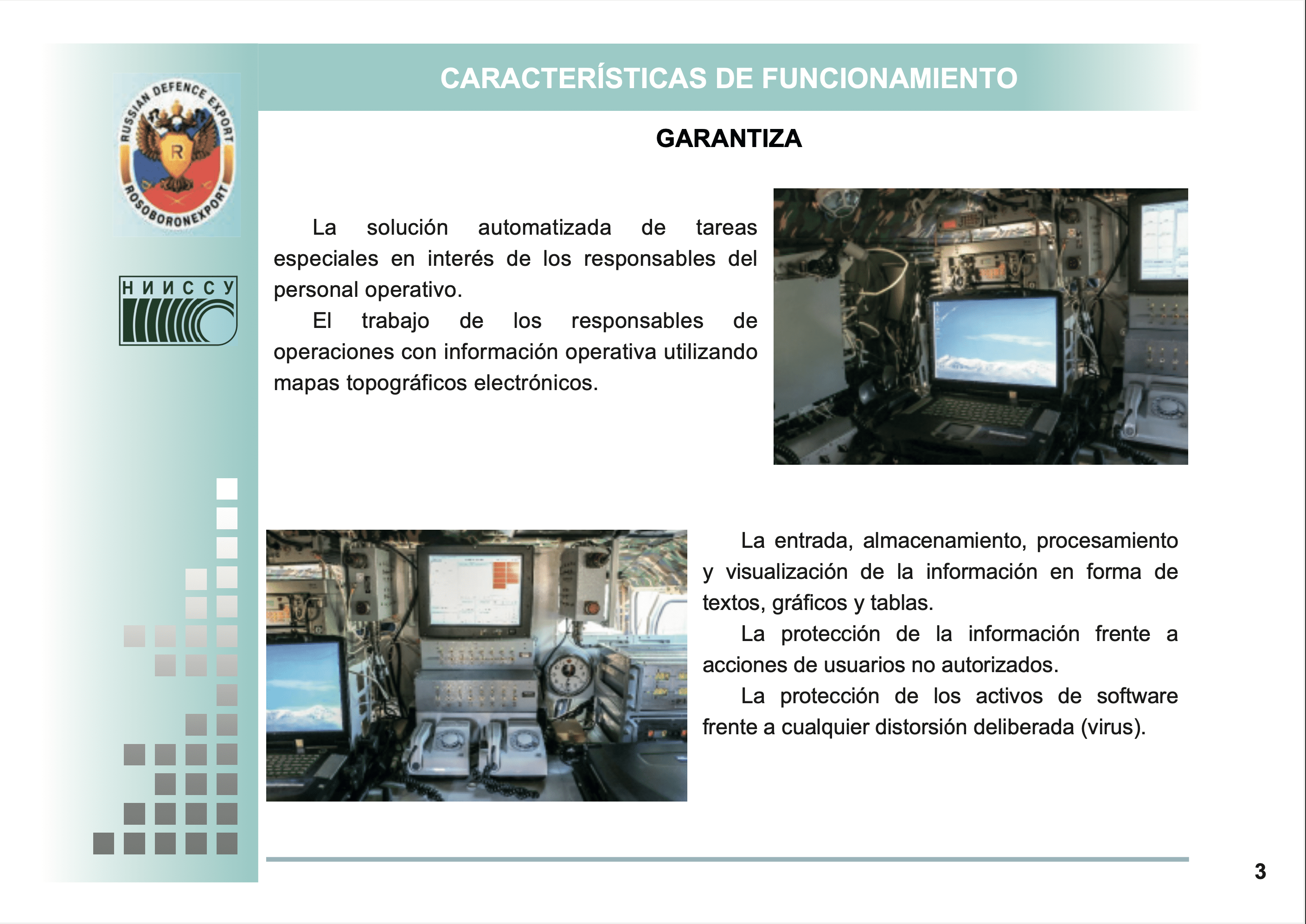
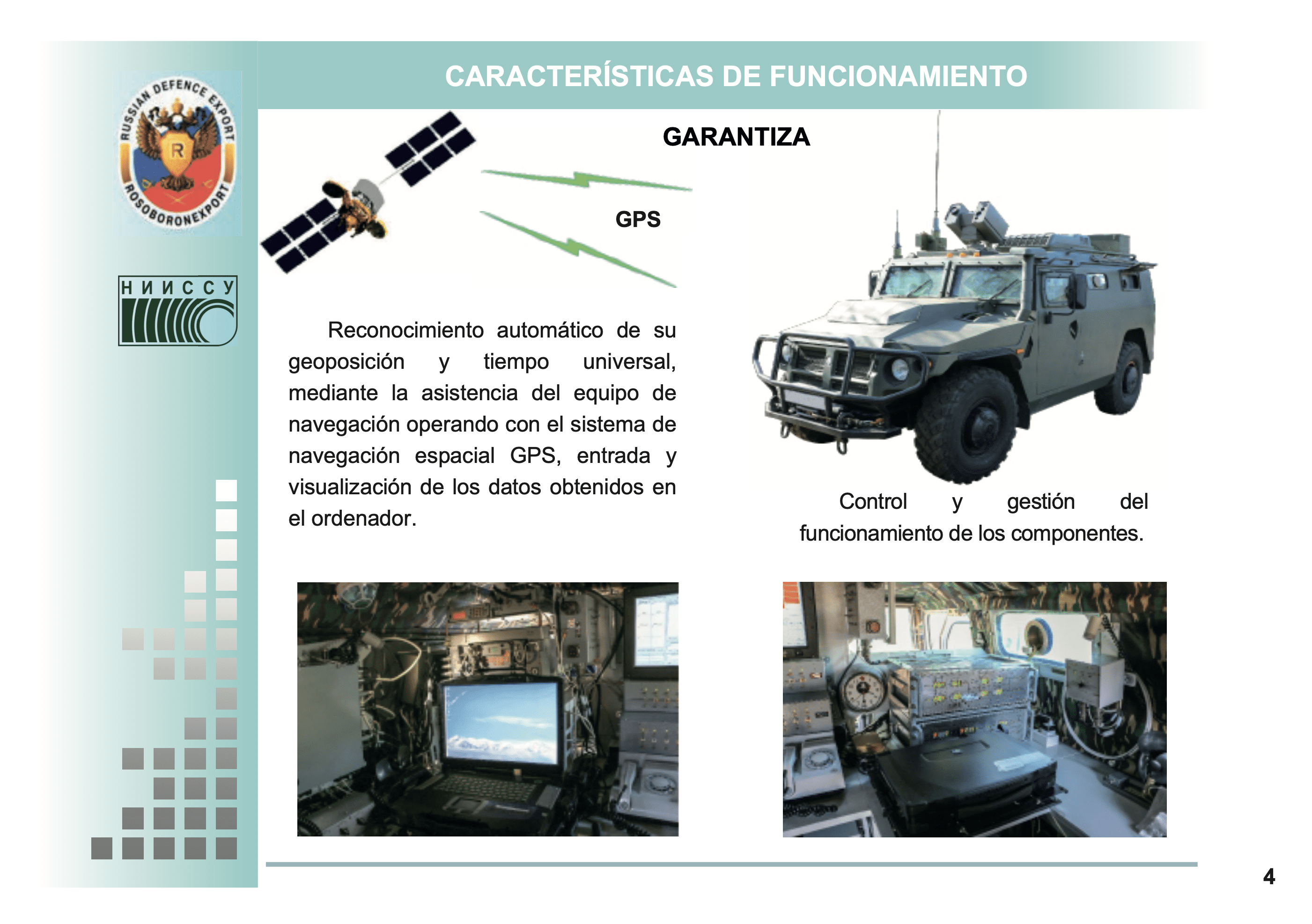
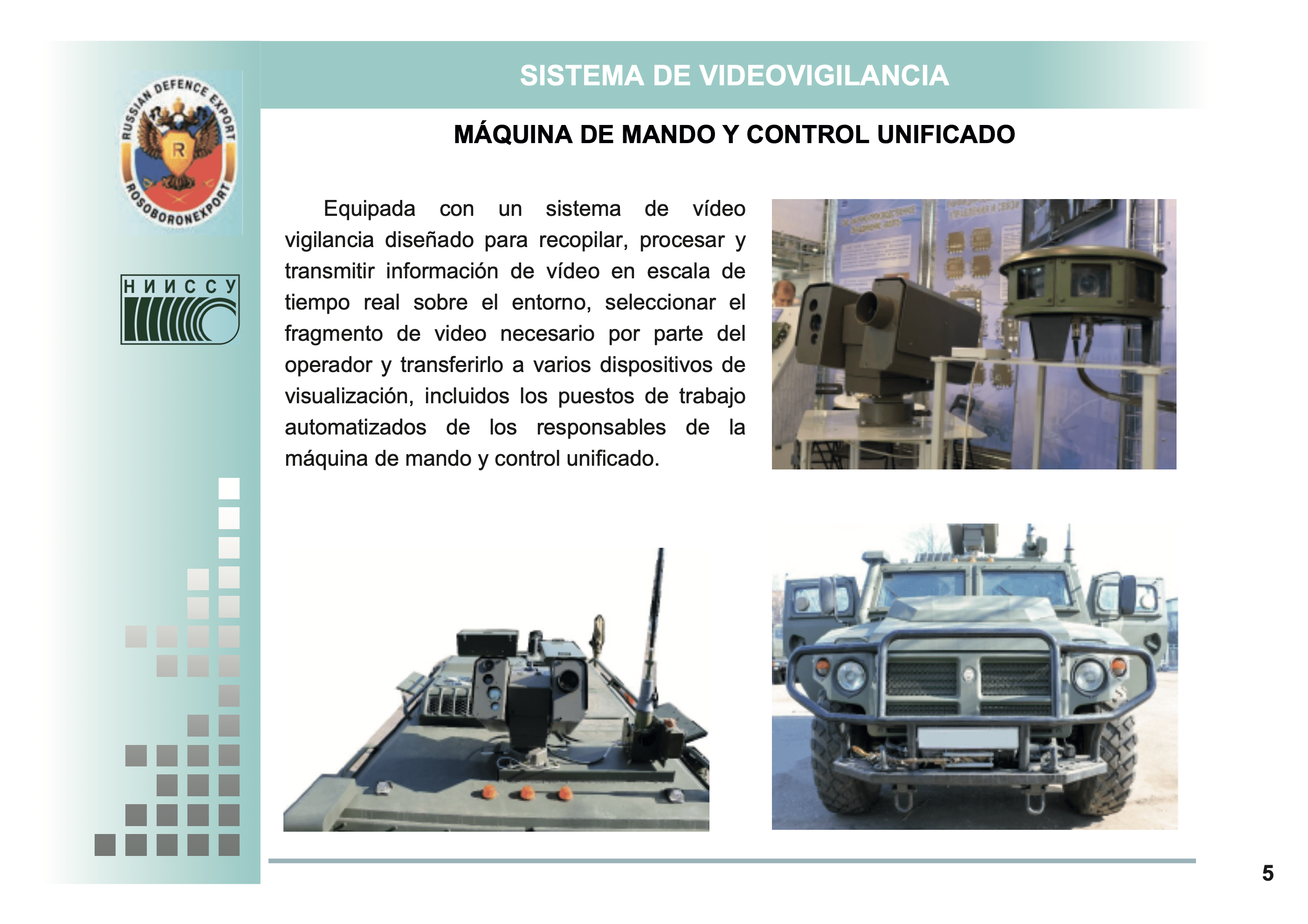
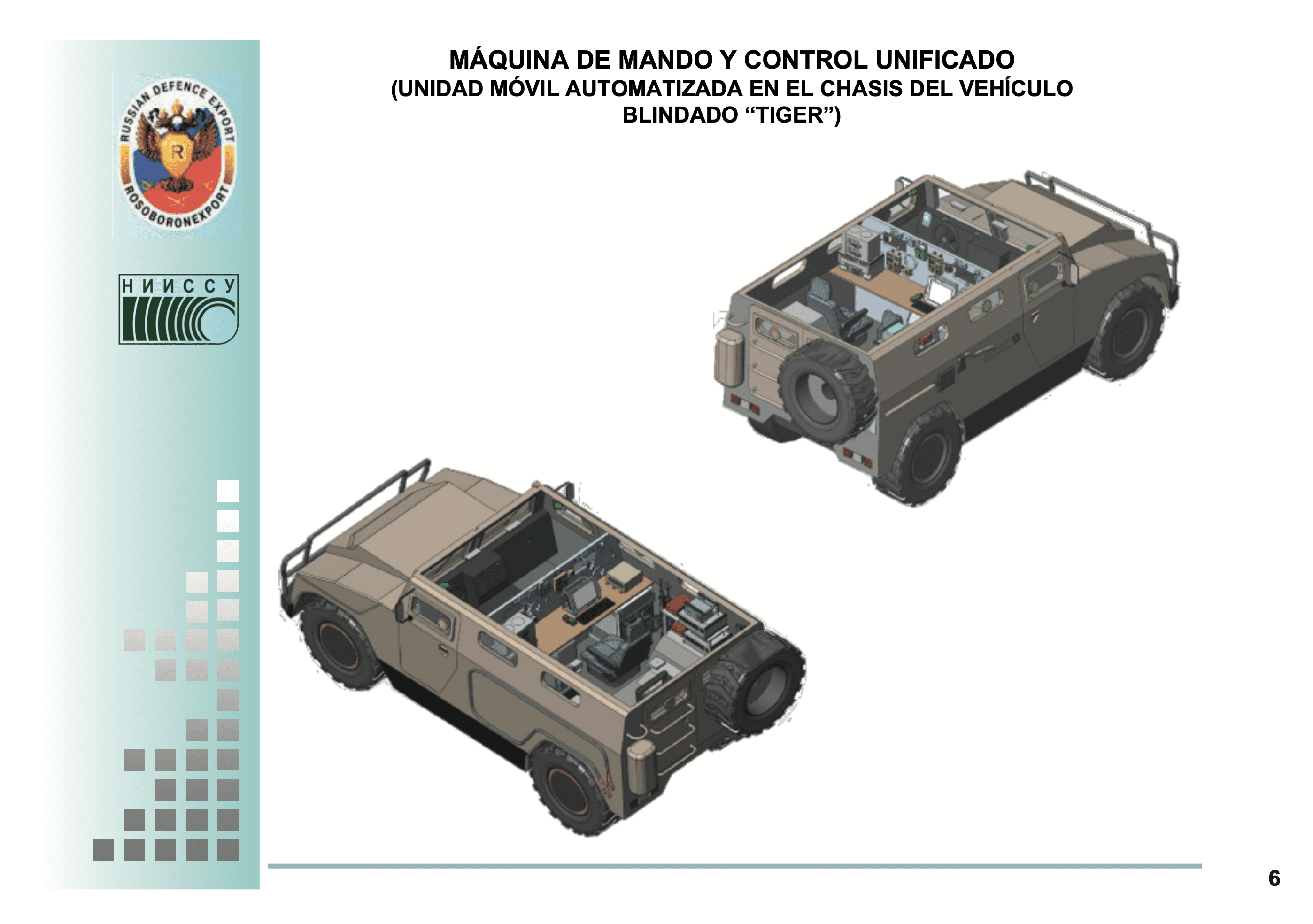
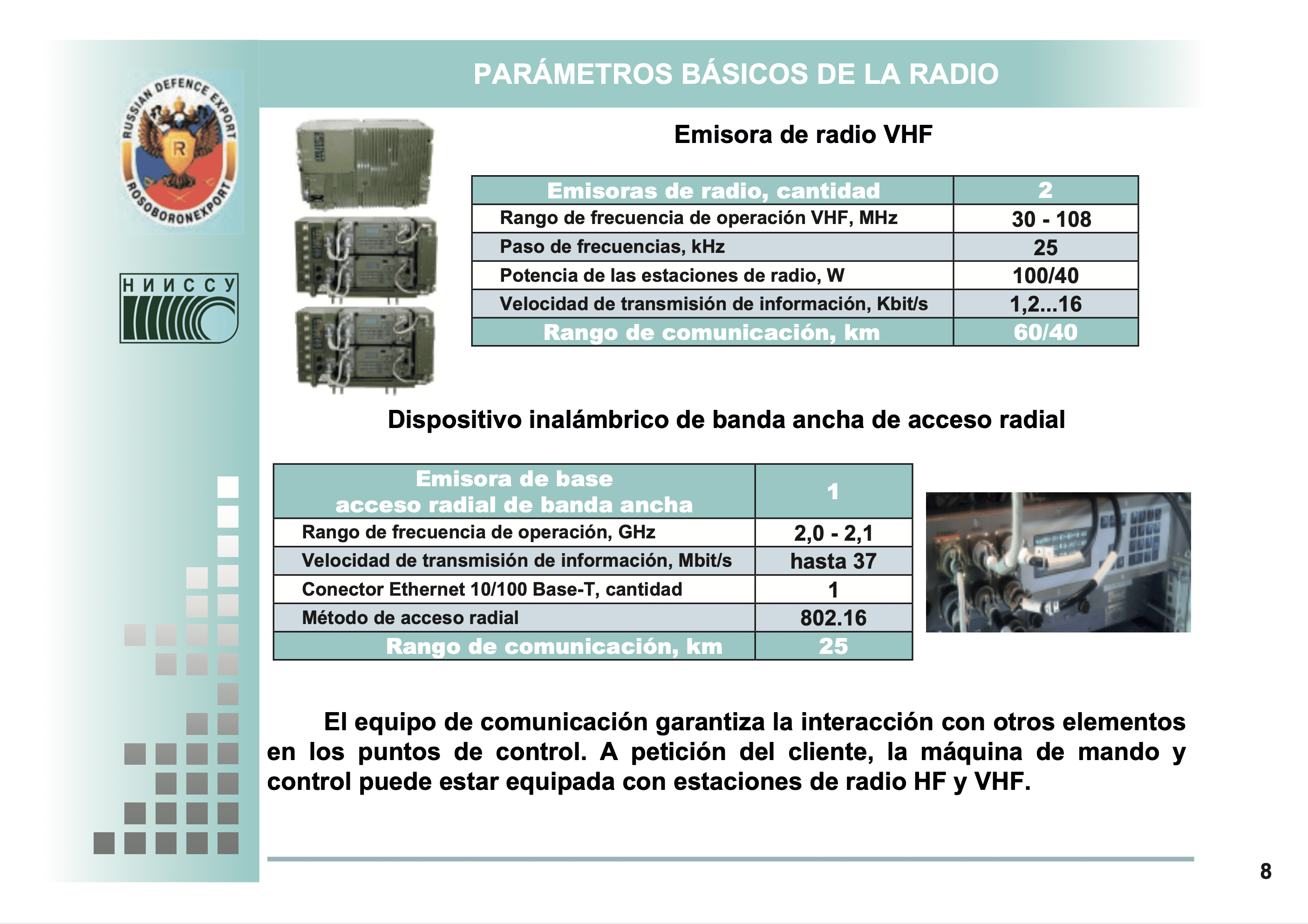
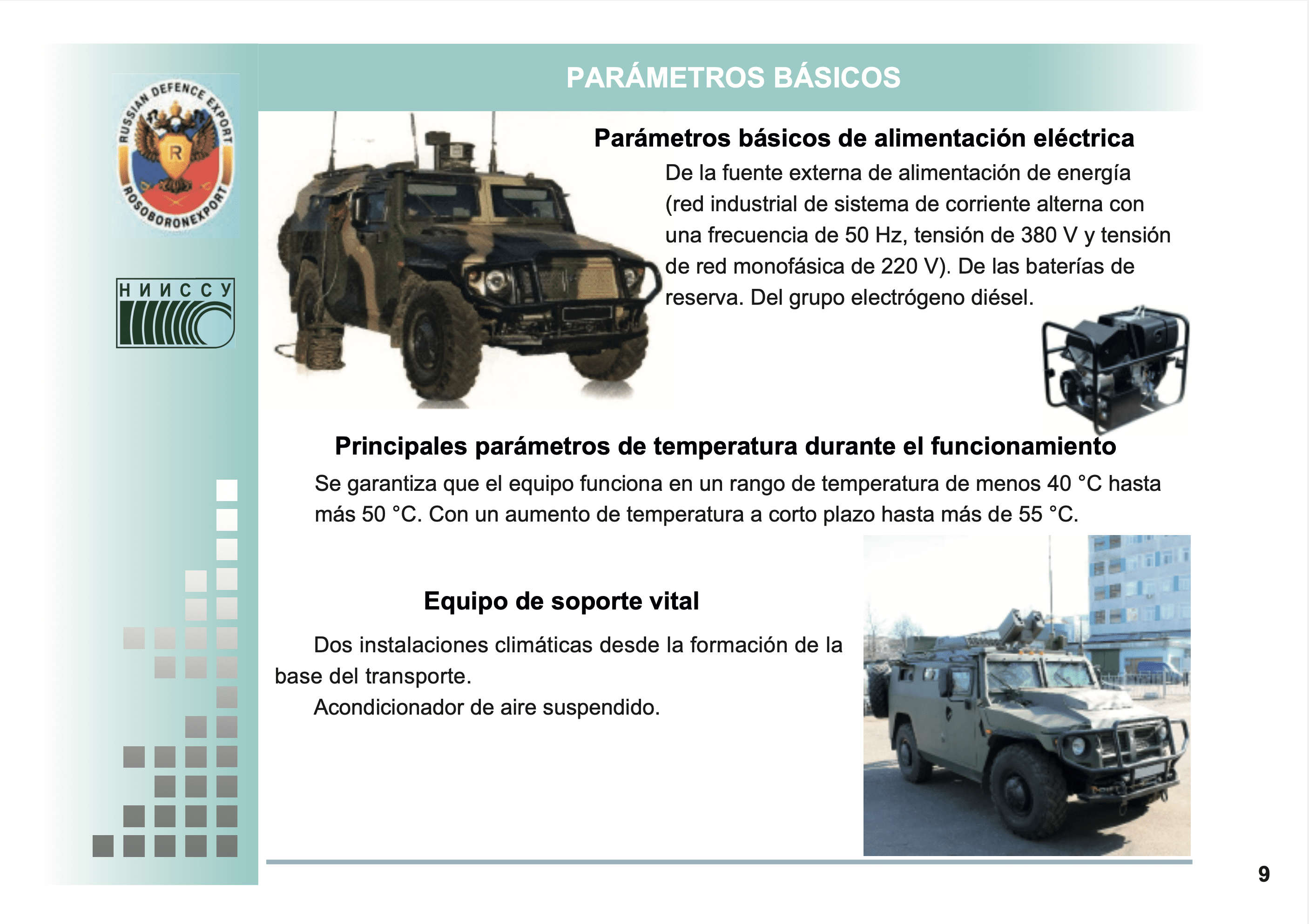
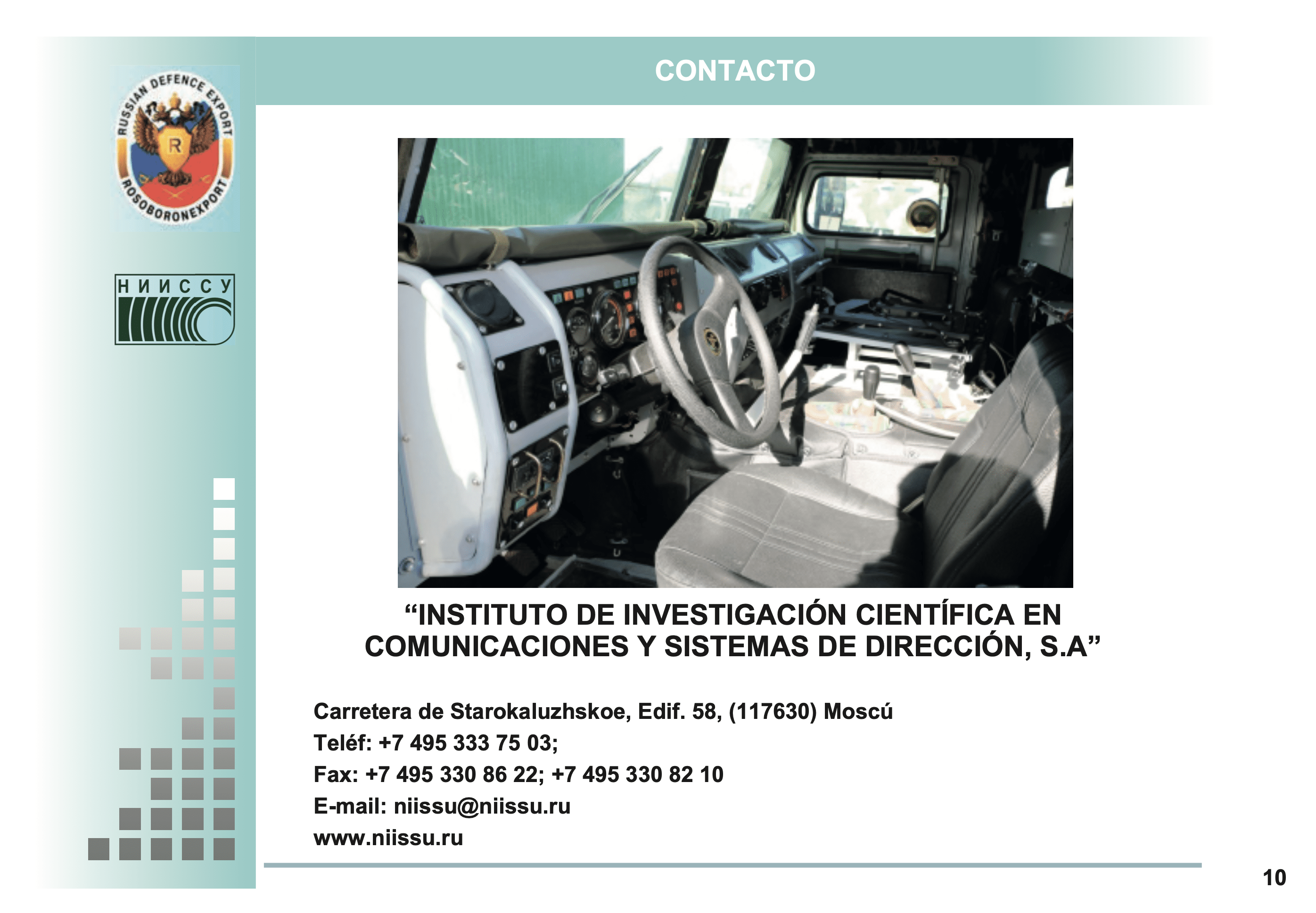
The APE-MB-E command and staff vehicle that Venezuela ultimately received functioned as a mobile command post equipped with computers, satellite communications, video surveillance, and GPS navigation.
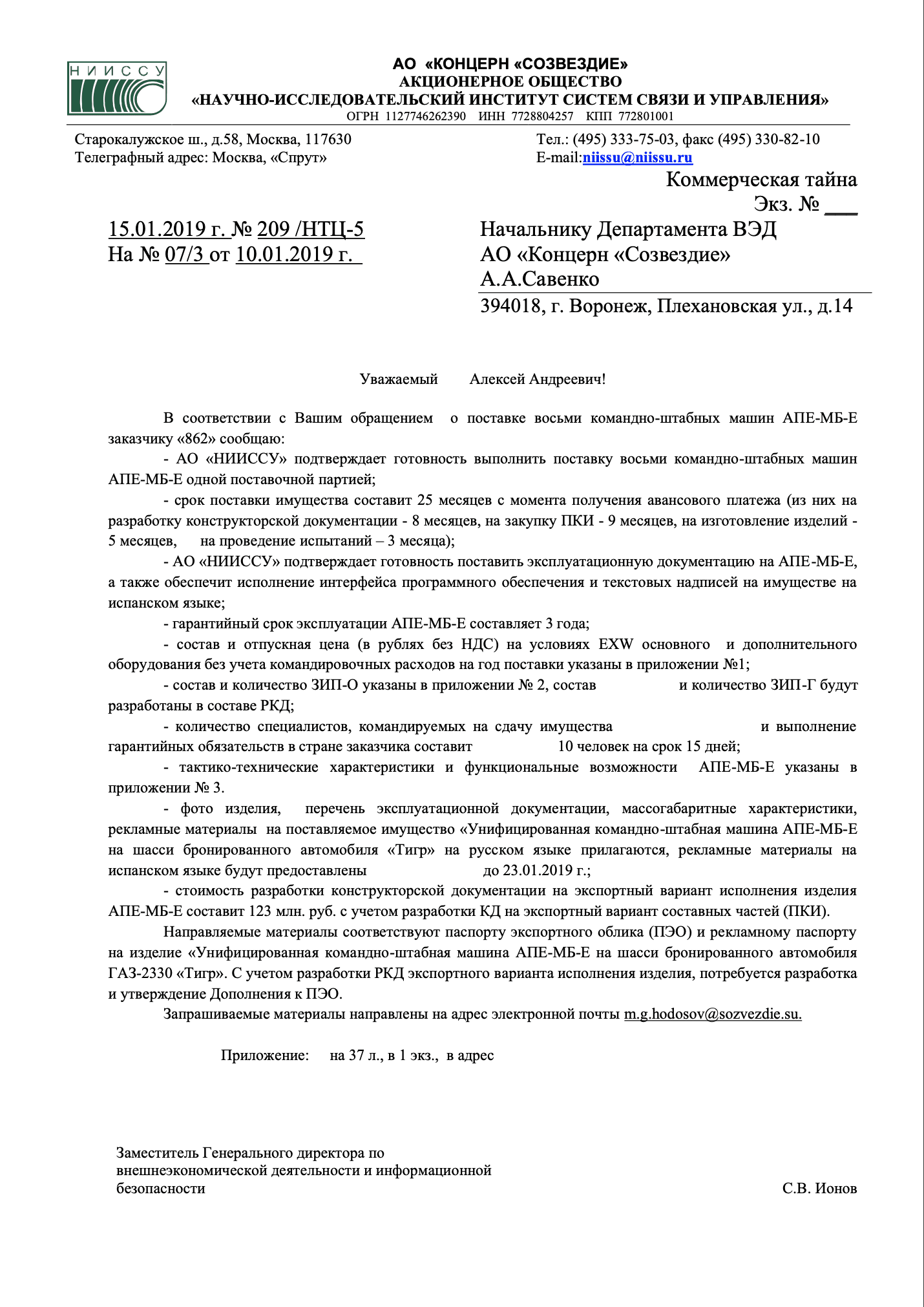
Confirms readiness to deliver eight APE-MB-E command-staff vehicles to Customer No. 862 (Venezuela) and to develop an export version with Spanish-language interface and documentation
AO ‘NIISSU’ confirms readiness to supply eight APE-MB-E command and staff vehicles to Customer 862.
a letter from NIISSU to Concern “Sozvezdie,” dated January 15, 2019
Such equipment can create a secure communication network between military and security units, allowing leadership to track troop movements and coordinate the actions of police, army, or intelligence agencies in real time.
Officially, this equipment is described as an “emergency response system,” but in practice, it can be used for centralized control during protests or civil unrest.
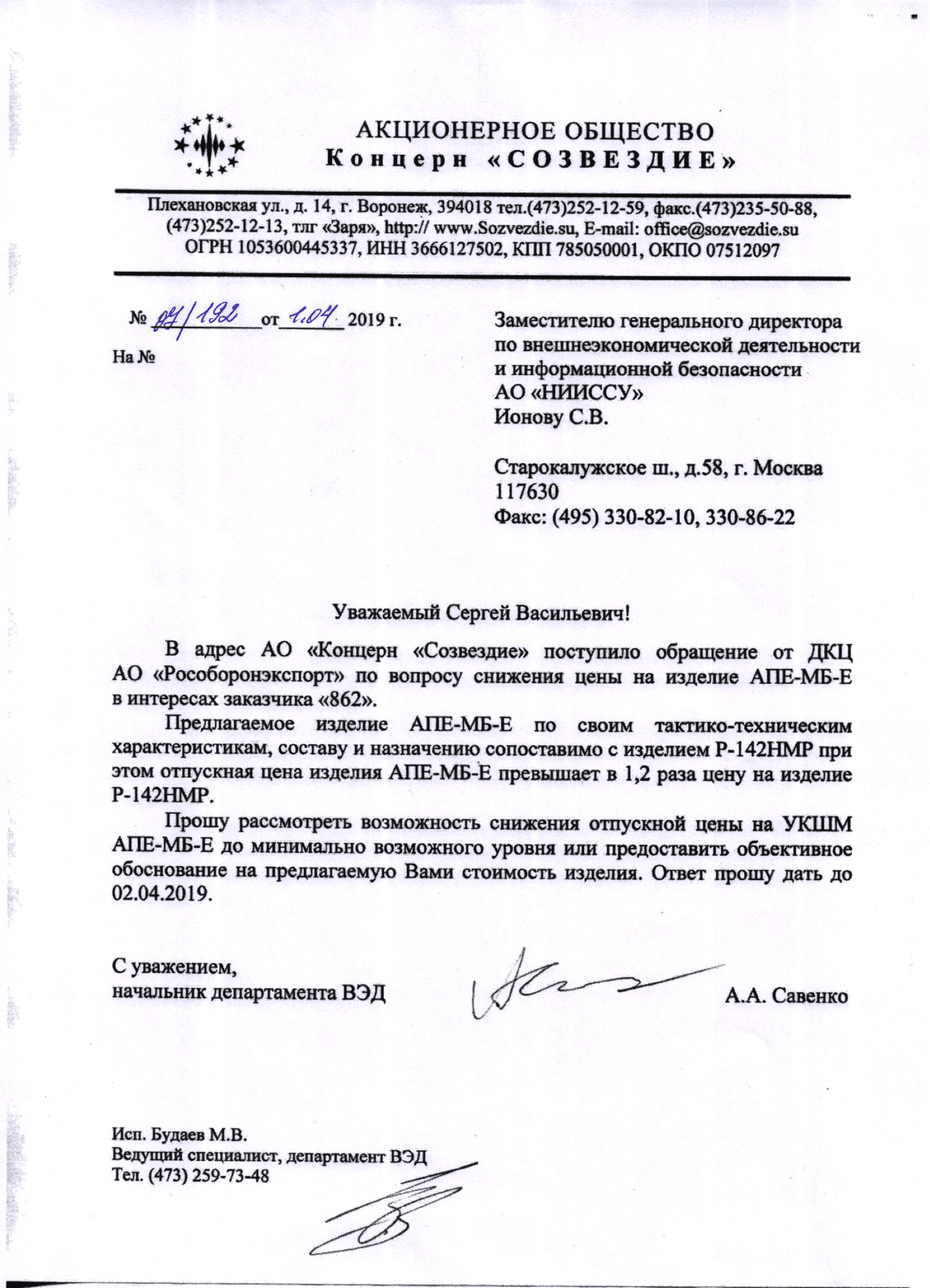
The letter also indicates that Russia localized the technology for a Spanish-speaking client, with a contract term of 25 months from the signing date. According to the analyzed documents, the official executor of the deal was Rosoboronexport, Russia’s state arms export monopoly. The company even requested a price reduction for the Venezuelan order:
We ask you to consider the possibility of reducing the cost of APE-MB-E units for Customer 862 in order to ensure the competitiveness of the offer.
a letter from Concern “Sozvezdie” to NIISSU, dated April 1, 2019
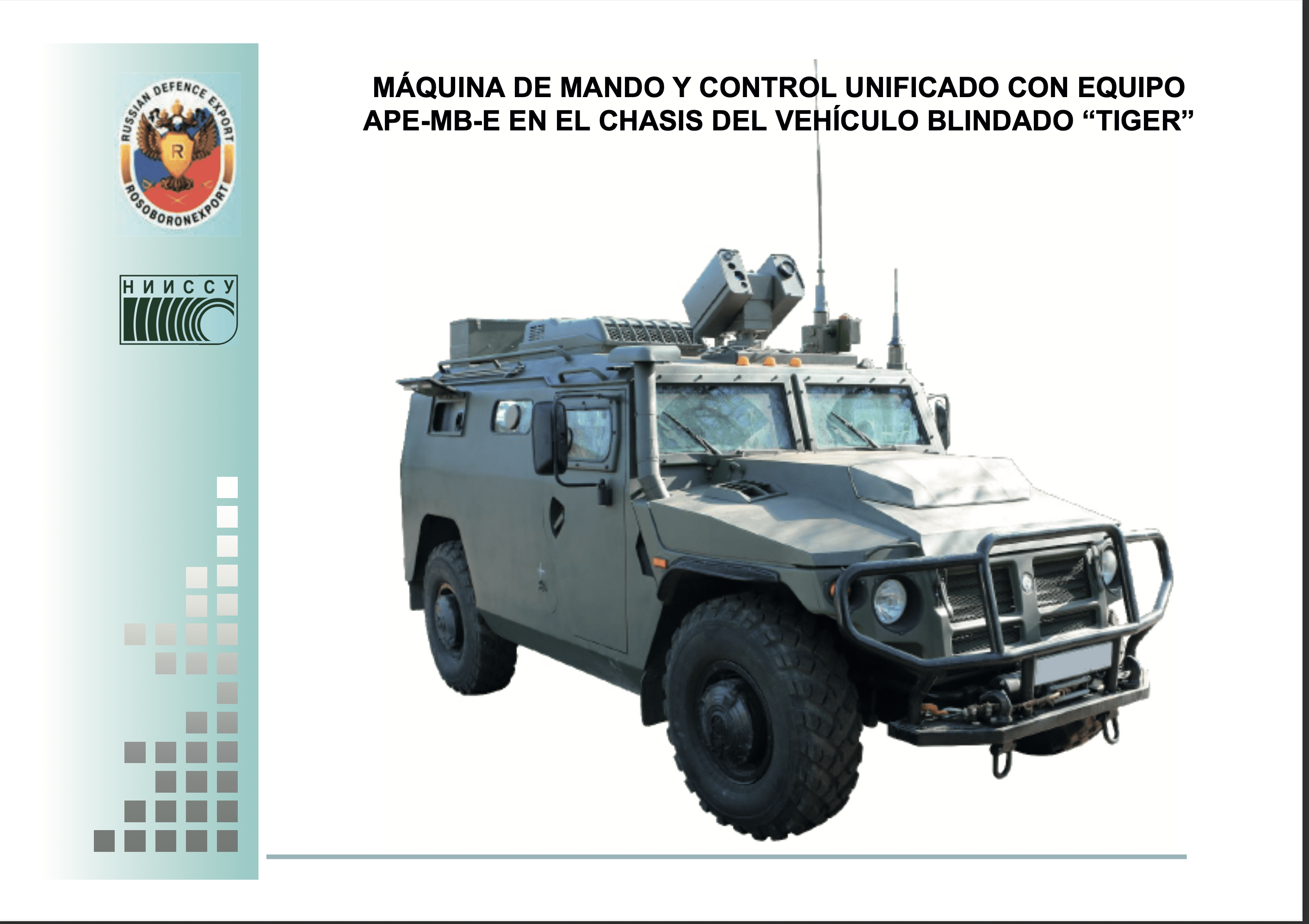
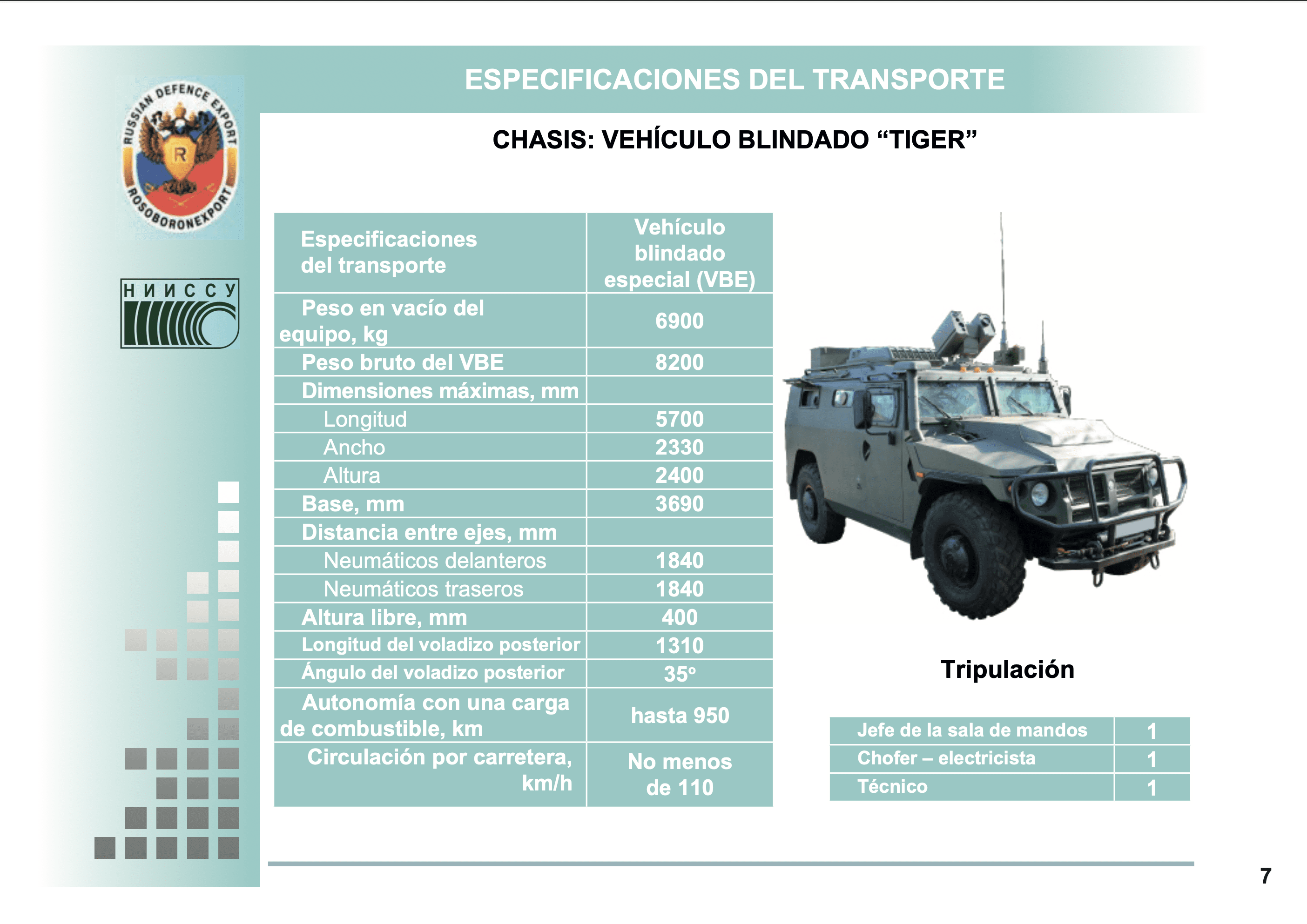
To fulfill the order, Rosoboronexport enlisted Concern “Sozvezdie”, part of Rostec, which specializes in command and communications systems (C4ISR). Within the concern, the NIISSU acted as the direct developer of the equipment. In January 2019, NIISSU confirmed readiness to supply eight APE-MB-E units to “Customer 862,” i.e., Venezuela. Spanish-language promotional materials clearly show that the vehicles were built on the “Tigr” chassis, produced by the VPK.
Venezuela as a test case for Russia’s export of C4ISR technologies
Venezuela became one of the first countries outside the post-Soviet sphere to receive elements of Russia’s C4ISR system. Until then, such complexes had only been used by the Russian Armed Forces or partially transferred to allies such as Belarus or Syria through joint defense programs.
In Venezuela’s case, however, it was a full-scale export contract, including a software-hardware command suite fully localized in Spanish.
The deal marked not only another episode of Russian military cooperation but also a new kind of export—the transfer of digital control technologies to an authoritarian regime.
Where Moscow once supplied partners with tanks or air-defense systems, it now offers the “brain of war”—hardware and software solutions that integrate security forces, police, and intelligence agencies into a single command structure.
For the Kremlin, such deals are more than business—they are tools of political influence. By adopting these systems, recipient states become dependent on Russian software, communication channels, and technical support. And for dictators, possessing such command technologies dramatically increases their ability to retain power—no matter the strength of the protests—by giving their regimes a level of control and coordination previously unseen.
Discuss this article:



-c439b7bd9030ecf9d5a4287dc361ba31.jpg "Photo of Katherina Popilnichenko")