- Category
- World
Maduro Found Out the Hard Way—Russia Is an Unreliable Ally
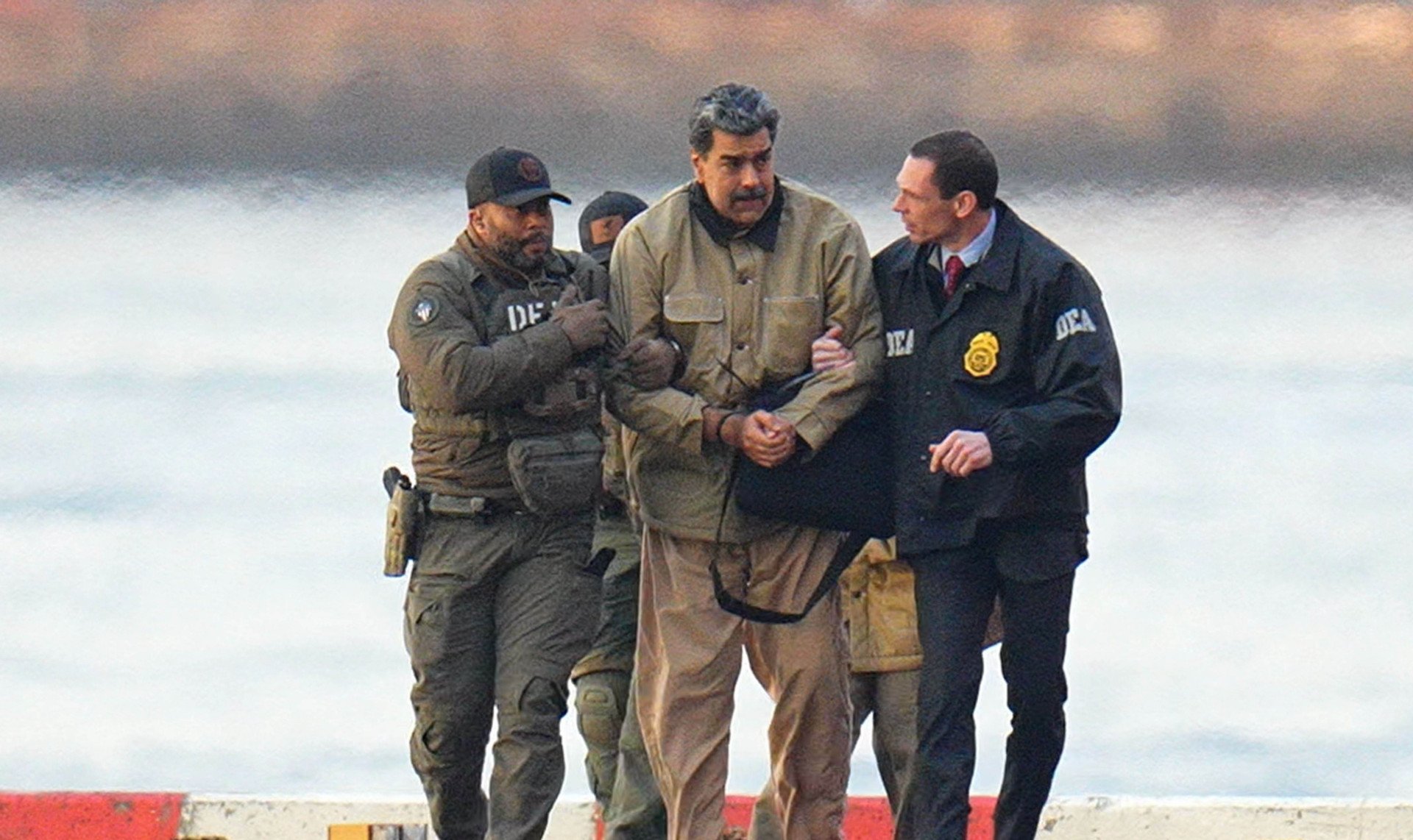
When Venezuelan leader Nicolás Maduro was captured, Russia’s support for him proved insufficient. However, this is not the first time Russia has failed to assist one of its allies.
 Prefer U24 Media on Google
- Authors

-605be766de04ba3d21b67fb76a76786a.jpg "Joseph Place")
US forces captured Venezuelan leader Nicolás Maduro on January 3, 2026, in a surprise attack named Operation Absolute Resolve. Maduro was a strong supporter of Russia, and while Putin secretly supplied Maduro with military tech to crush mass protests in 2018, evidently, the Kremlin failed to provide him with the means to avoid capture, and has responded with only condemnations.
Since the fall of the USSR, and especially under Putin, Russia has tried to assert itself as a global power. A major part of this has been not only military invasions and campaigns, but also fostering alliances and support with various leaders and nations around the world, such as China, Iran, North Korea, and further afield. However, reality shows that Russia cannot be depended upon.
Armenia
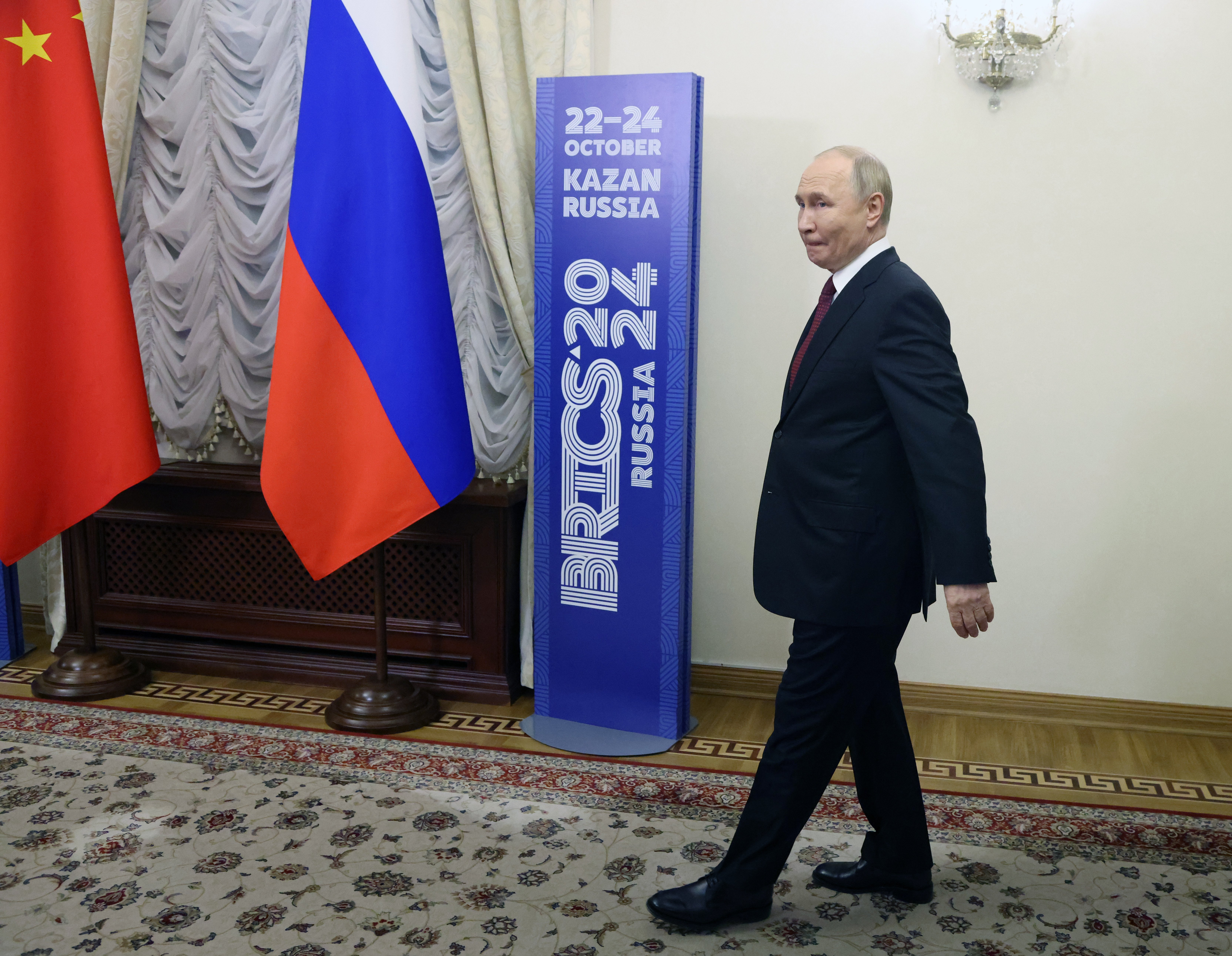
Armenia had a close relationship with Russia since its independence, being a member of both the Commonwealth of Independent States (CIS) and the Collective Security Treaty Organization (CSTO). This relationship has been important to Armenia not only due to geographical proximity, but because of its long-standing conflict with Azerbaijan over Nagorno-Karabakh or Artsakh, which it had de facto control over since 1994. In addition, Russia still has a military base in Armenia’s second city.
In 2020, Azerbaijan attacked Nagorno-Karabakh, attempting to claim the disputed territory, . Russia brokered a cease-fire and deployed approximately 2,000 peacekeeping troops to deter further conflict. Armenia had relied on Russian support to maintain its hold over the region. However, in 2023, Azerbaijan launched another attack to take the remainder of the territory. Russia claims it did not know of the impending attack, while Azerbaijan claims it informed Russia. Regardless, Russian peacekeepers did little and offered no deterrent for Azerbaijan, and many of the experienced Russian troops had been diverted to Ukraine. Azerbaijan was able to then pressure the Armenian forces to withdraw, asserting its control over the region without the scale of conflict seen in 2020. Since then, Armenia, as well as Azerbaijan, has pivoted away from Russia and Iran as allies, instead getting closer to the USA and Europe. Armenia froze its membership of CSTO, a collective military alliance of Belarus, Kazakhstan, Kyrgyzstan, Russia, and Tajikistan, and has conducted training exercises with the USA. While Russian troops are still in Armenia, their relationship has significantly worsened.
Syria
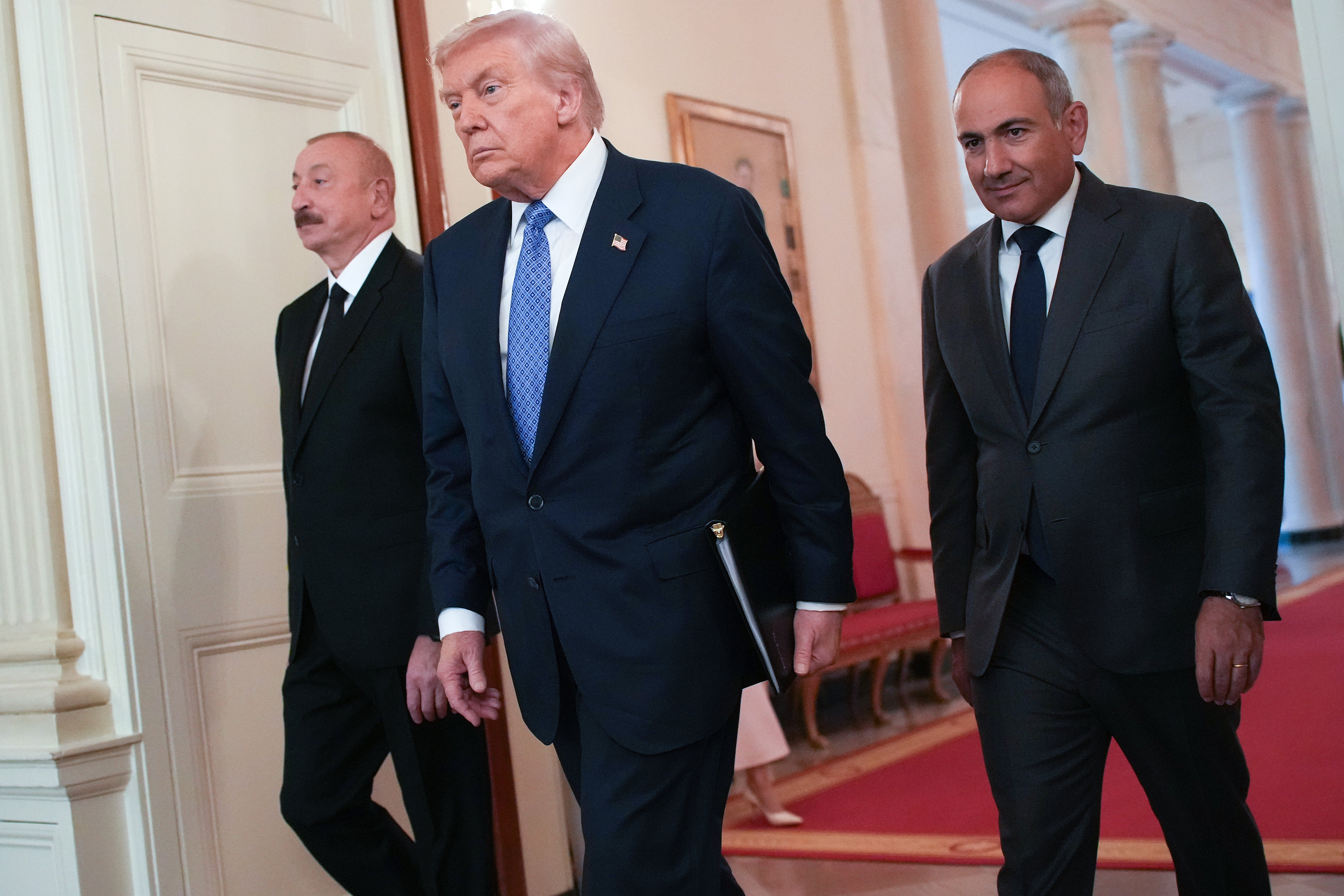
Russia was instrumental in maintaining former Syrian leader Bashar al-Assad's power in Syria after the initial Arab Spring-inspired uprisings against his regime and the resulting civil war. Through airstrikes, the deployment of state-affiliated mercenaries Wagner Group, placement of soldiers, and significant military and financial aid, Russia supported Assad, who was able to maintain rule despite the various other factions seeking to oust him and/or claim territory. In return, Assad allowed Russia to utilize ports and military bases and maintain a presence in the Middle East.
However, in 2024, it changed rapidly. Russia had withdrawn many of its forces from Syria and reduced financial support. This reduction of support, as with Armenia, coincided with Russia’s focus on Ukraine. Assad’s control had grown weaker, and a combination of anti-Assad forces, including the SOR and HTS, launched a long-anticipated operation, quickly seizing major points of the city, including Damascus, and many regime troops surrendered. Assad fled to Moscow, ending his regime.
Torture chambers from Assad’s Syria shockingly resemble those found under Russian occupation.
— UNITED24 Media (@United24media) December 10, 2024
Today, on Human Rights Day, let’s raise awareness and demand justice.
🧵 1/6 pic.twitter.com/SP8EGRtjqo
Iran
Russia and Iran have enjoyed a close relationship, with Russia sending military equipment and jets to Iran, and Iran providing Shahed drones, missiles, and support on the global stage. However, there have been two notable instances of Russia failing to assist Iran in recent times.
In June 2025, Israel struck Iran’s various military and nuclear sites, weakening its power. Russia refused to intervene, only condemning the attacks. One Iranian official even accused Russia of providing intel to Israel, and while there is little further evidence of this, it indicates that some felt betrayed by Russia.
In Iran, the shopkeepers' protest continued as eyewitness videos showed people throwing gas canisters amid clashes with security forces in Tehran's Grand Bazaar https://t.co/fmjaHPVs7i pic.twitter.com/xjla98Axaj
— Reuters (@Reuters) January 6, 2026
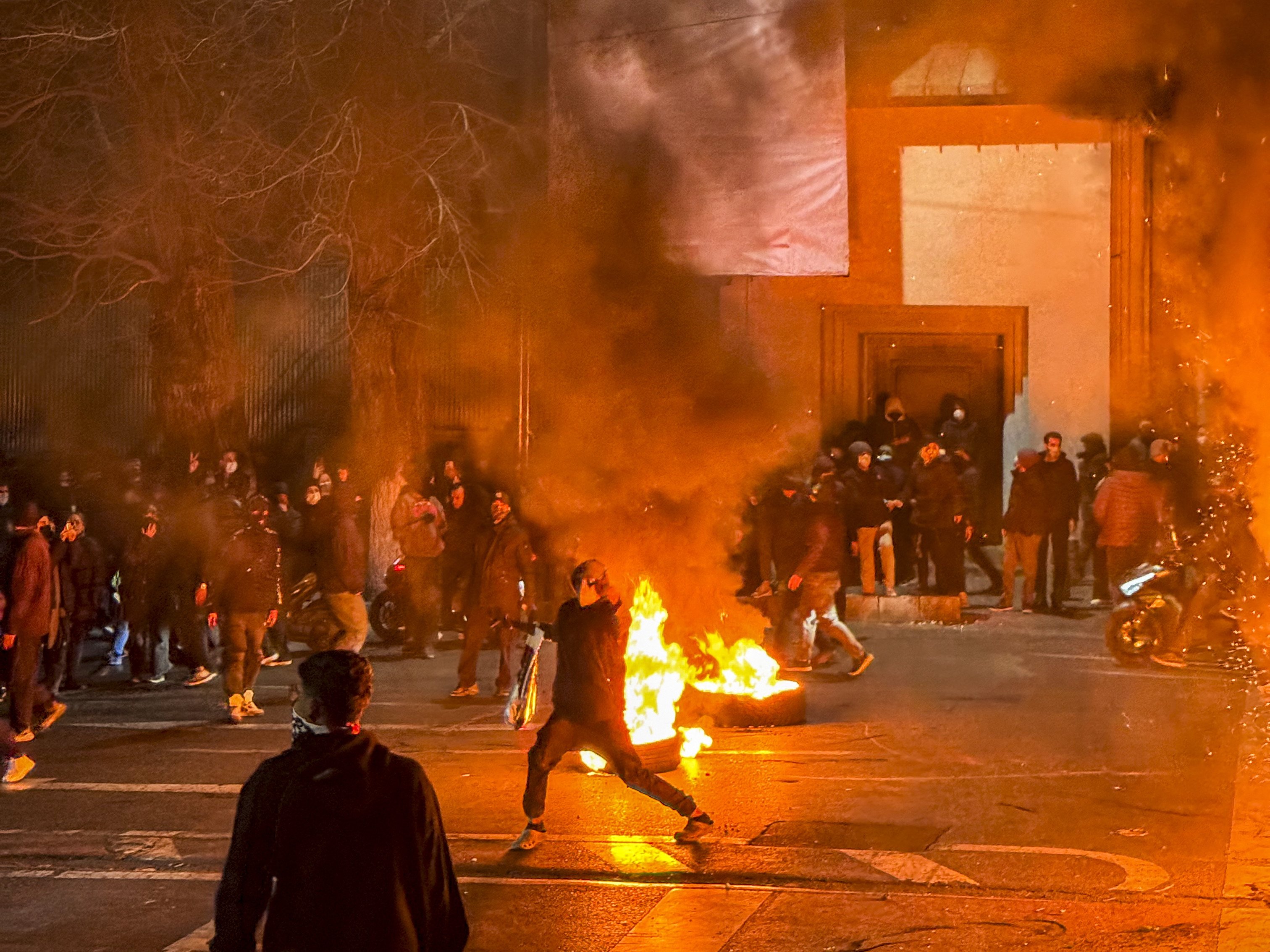
Secondly, a wave of significant protests is underway in Iran as 2026 has begun, and some in Iran expect US intervention. Iranian leader Ali Khamenei has allegedly planned to flee to Moscow in case the protests cannot be suppressed. Russia has urged talks to prevent further military strikes, but has, again, offered little other assistance to Iran. While the outcome remains to be seen as of writing, the instability in the country is evident, and Russia is not committing to anything beyond words. This response contrasts with its actions in Belarus, where it pledged security assistance and actually assisted Belarusian leader Lukashenko in undermining the anti-regime protests through financial support, deployment of troops, and covert disruptions of protests.
Venezuela
Finally, we can look at Venezuela. The USA’s operation combined the use of air strikes, drones, and helicopters to attack air defense and capture Maduro quickly. In addition to the equipment to crush protests, Russia provided Venezuela with some air defense, which was easily destroyed by the US forces. Evidently, it was insufficient to meaningfully protect Maduro from the one major threat in the region. Maduro had previously appealed to Putin for missiles as well, as the perceived threat of the USA grew.
At a briefing, US Secretary of War Pete Hegseth announced that 200 of “our greatest Americans” entered downtown Caracas to capture Maduro. “Russian air defense systems didn’t quite work so well, did they?” he quipped. 150 helicopters and fighter jets were deployed for the operation. American forces stormed Maduro’s residence within minutes, capturing him before he had a chance to flee. The entire mission lasted just 2 hours and 20 minutes.
Russia’s response has been to demand the release of Maduro; however, many Kremlin-linked Russians have privately and publicly praised the efficiency of the US operation. This demonstrates Russia’s lack of reliability.
The limits of Russia
Russia does not build alliances designed to endure pressure. Maduro and Assad were core supporters for Russia, as is the Iranian regime, and Armenia was also a part of Russia’s exertion of hard power into the Caucasus region. By managing relationships only while the cost remains acceptable, Russia isolates and weakens itself each time it abandons an ally. This should give other nations and political movements pause before expecting Russia to protect them.
Discuss this article:

-c439b7bd9030ecf9d5a4287dc361ba31.jpg "Photo of Katherina Popilnichenko")

-72b63a4e0c8c475ad81fe3eed3f63729.jpeg "Photo of Cyril Barabaltchouk")

-111f0e5095e02c02446ffed57bfb0ab1.jpeg "Photo of Roman Kohanets")