- Category
- World
Russia’s Power Faces Collapse in the South Caucasus
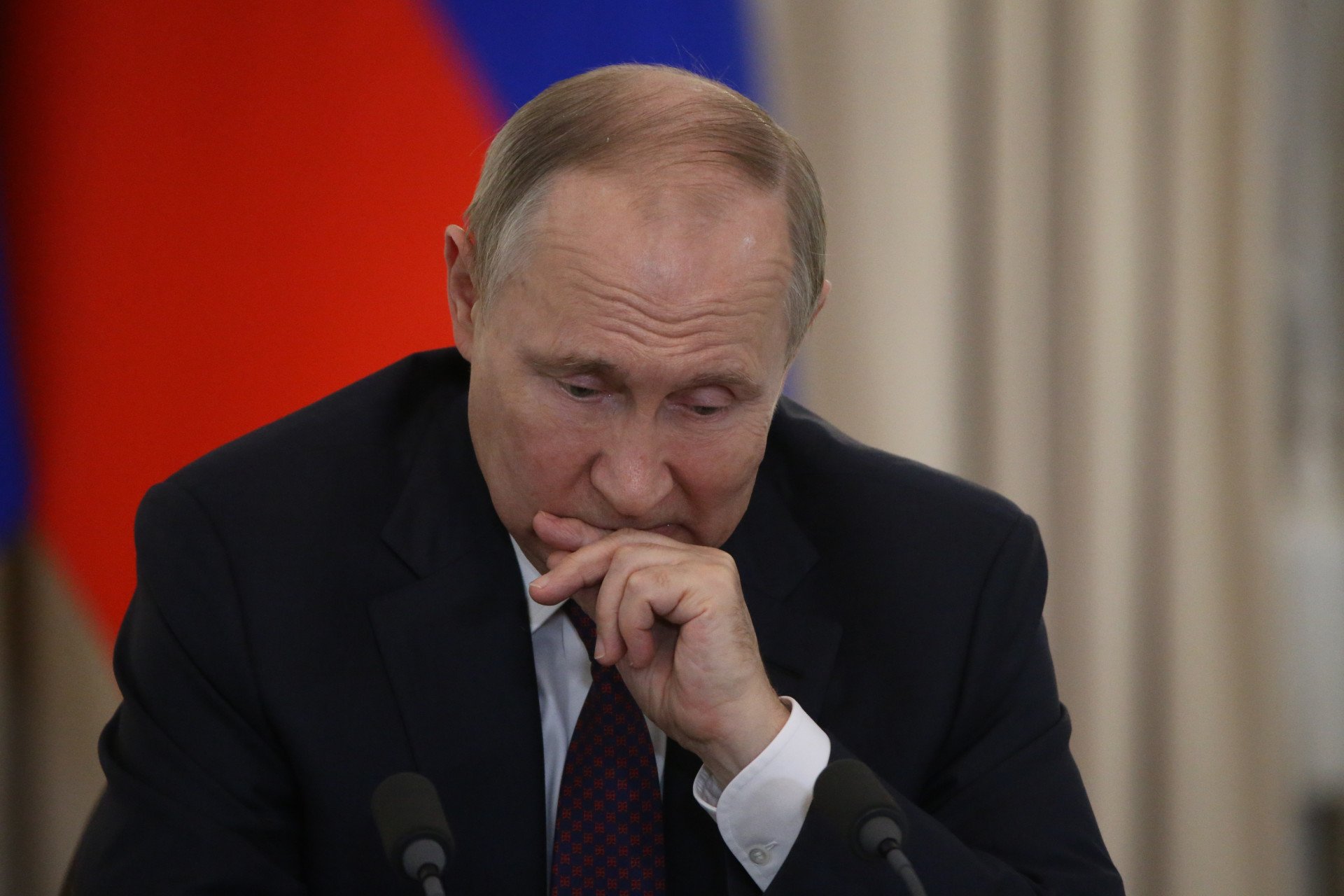
As the Kremlin’s grip is weakening in the South Caucasus, Armenia and Azerbaijan are distancing themselves, threatening Moscow’s sanctions lifelines and shattering its regional influence.
 Prefer U24 Media on Google
- Authors

-46f6afa2f66d31ff3df8ea1a8f5524ec.jpg "Photo of Jess Daly")
Armenia and Azerbaijan have long been under Moscow’s geopolitical influence, a legacy of their time within the Soviet Union. Now, Russia is steadily losing its hold over the two nations: Armenia is pivoting West, while Azerbaijan is aligning more closely with Türkiye.
Russia’s actions during the Nagorno‑Karabakh conflicts deeply damaged its reputation both in Armenia and Azerbaijan, and steadily brought both opposing sides closer together.
As a Caucusus joke frankly puts it, if Russia were to choose a side in the conflict, it would always “choose the conflict.”
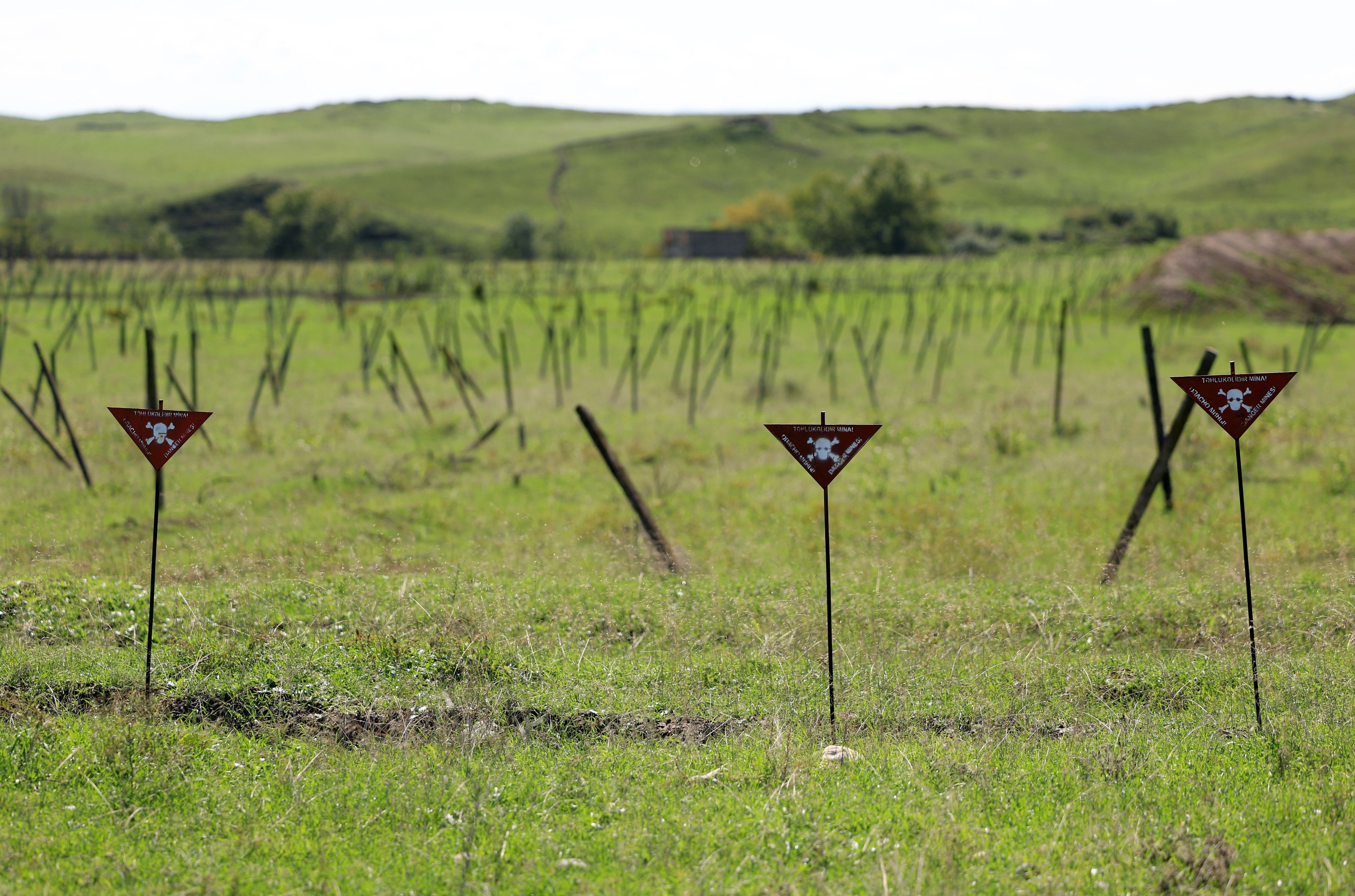
How Russia lost its role in the region
After the Soviet Union collapsed in 1991, and the war between Armenia and Azerbaijan broke out, Russia maintained close ties with Armenia.
Though claiming neutrality, Russia supported Armenia with weapons, economic aid, and a military base, while also selling modern weapons to Azerbaijan, fueling mistrust. This double game bred mistrust on both sides but kept Moscow at the center of regional diplomacy.
That influence began to unravel in 2020. When fighting reignited between Armenia and Azerbaijan, Russia deployed 2,000 soldiers—calling them “peacekeeping troops,”—under a ceasefire agreement, but failed to prevent Azerbaijan, backed by Türkiye, from reclaiming large swaths of territory.
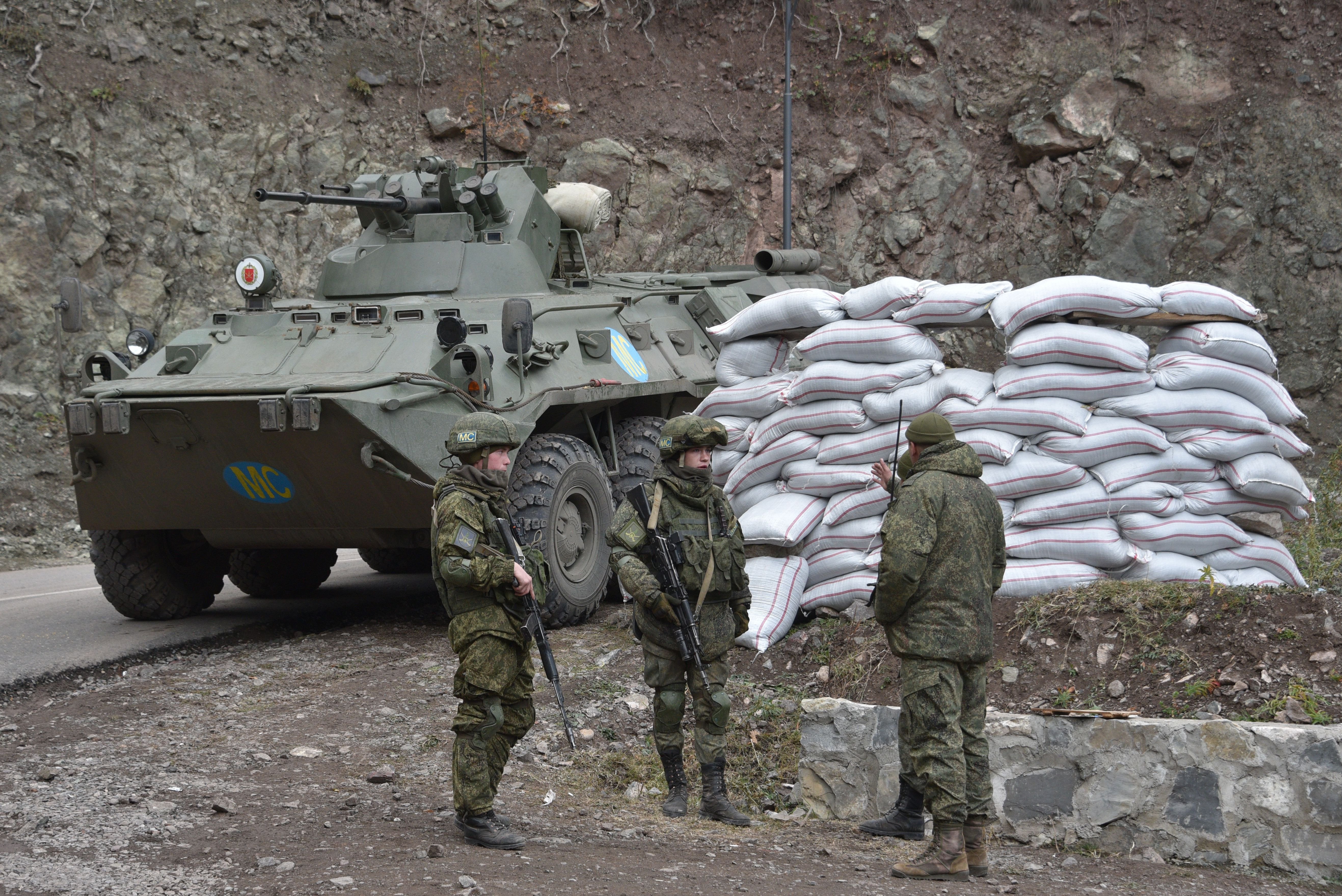
In December 2022, Azerbaijani forces reasserted control over Nagorno-Karabakh. Russian peacekeepers did not intervene, even as a nine-month blockade triggered the exodus of over 100,000 ethnic Armenians.
Armenian Prime Minister Nikol Pashinyan later condemned Moscow for ignoring Azerbaijan’s military buildup and failing to uphold its security promises. In September 2023, Azerbaijan completed its takeover of the region. Russia, preoccupied with its war in Ukraine, again did nothing, sparking fierce backlash from Armenia.
By March 2025, Armenian and Azerbaijani officials agreed on a draft peace agreement to end nearly four decades of war. Since then, Armenia has distanced itself from Moscow and turned toward Western partners. Azerbaijan, too, has begun keeping its distance.
Now, US President Donald Trump will host leaders from Armenia and Azerbaijan at the White House on August 8 for peace talks.
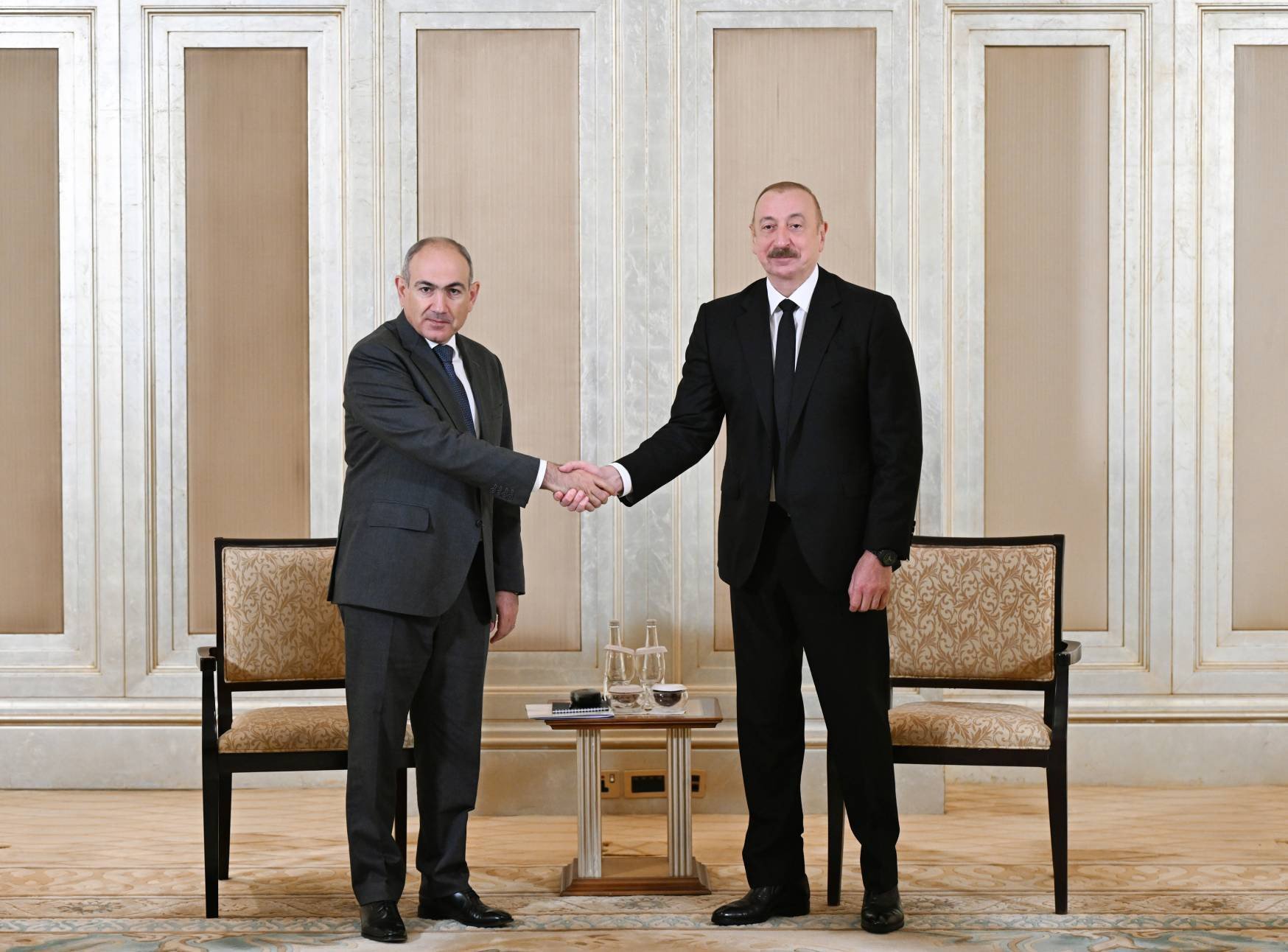
A timeline of the deteriorating Moscow-Baku relationship
Dec 25, 2024: An Azerbaijan Airlines passenger jet crashed, killing 38 civilians, while en route from Baku to Grozny, the regional capital of the Russian-occupied republic of Ichkeria.
Azerbaijani reporters identified active Russian military officers linked to the launch of a Pantsir-S1 missile that downed the flight. Azerbaijani President Ilham Aliyev vowed to take the case to an international court. Putin apologized for what he called a “tragic incident” but stopped short of acknowledging responsibility.
May 9, 2025: Aliyev declined to attend Russia’s Victory Day parade, skipping the event alongside other leaders from neighboring countries.
May 25, 2025: Ukraine’s Foreign Minister Andrii Sybiha visited Baku, discussing expanded cooperation in politics, trade, energy, and reconstruction. Kyiv praised Azerbaijan’s respect for Ukraine’s sovereignty and territorial integrity.
I had a meaningful meeting with Azerbaijan’s Minister of Economy @MikayilJabbarov.
— Andrii Sybiha 🇺🇦 (@andrii_sybiha) May 25, 2025
We discussed trade, economic, investment, and energy cooperation, with a focus on increasing Europe's energy independence and diversification.
Over the past two years, our bilateral trade has… pic.twitter.com/j7G1hP2hsk
June 27, 2025: Russian police allegedly tortured to death two Azerbaijani citizens amid a greater crackdown on ethnic Azerbaijani in the Russian city of Yekaterinburg.
Azerbaijan has demanded accountability and launched an investigation under charges of torture and aggravated murder.
Following the incident, Russia accused Ukraine of attempting to exploit the current strain in Moscow-Baku relations after Ukrainian President Volodymyr Zelenskyy voiced support for Azerbaijan in a call with Aliyev, citing “Russian mistreatment.”
June 30, 2025: Azerbaijani authorities arrested two alleged Russian FSB officers working under journalistic cover at Sputnik Azerbaijan, a local branch of the Kremlin-linked outlet RT (Russia Today). The Interior Ministry-led operation raised concerns over Russian information and intelligence activity in Baku.
July 20, 2025: Aliyev endorsed Ukraine’s territorial integrity, urging resilience based on Azerbaijan’s Nagorno-Karabakh experience. Russian military bloggers reacted with hostile threats, warning of a potential conflict and accusing Baku of “open Russophobia.”
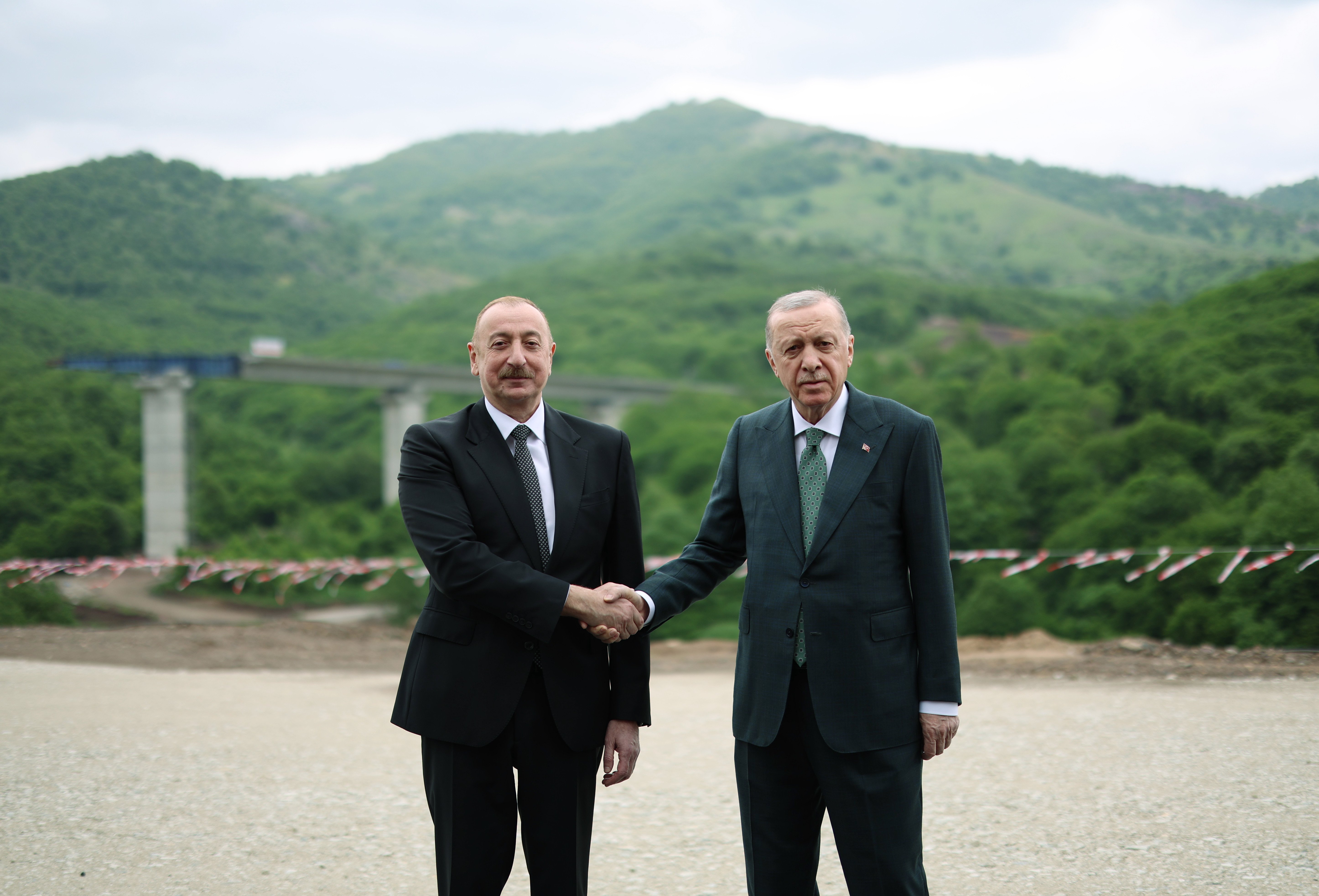
A timeline of the deteriorating Moscow-Yerevan relationship
Armenia’s shift away from Moscow began with frustration over Russia’s failure to defend it against Azerbaijan.
June 2024: Prime Minister Nikol Pashinyan announced Armenia’s withdrawal from the Kremlin-led Collective Security Treaty Organization (CSTO), ending its military alliance with Russia.
“Alliance members are not fulfilling their contractual obligations but are planning a war against us with Azerbaijan,” said Pashinyan.
September 2024: Armenia’s National Security Service uncovered a coup plot involving recruits allegedly trained in Russia.
Offered a monthly pay of around $2,860, these individuals trained at Russia’s “Arbat” base with heavy weapons before planning to overthrow the government.
Some opposed the coup and returned home. Armenia’s National Security Service has initiated criminal proceedings against individuals involved in the plot.
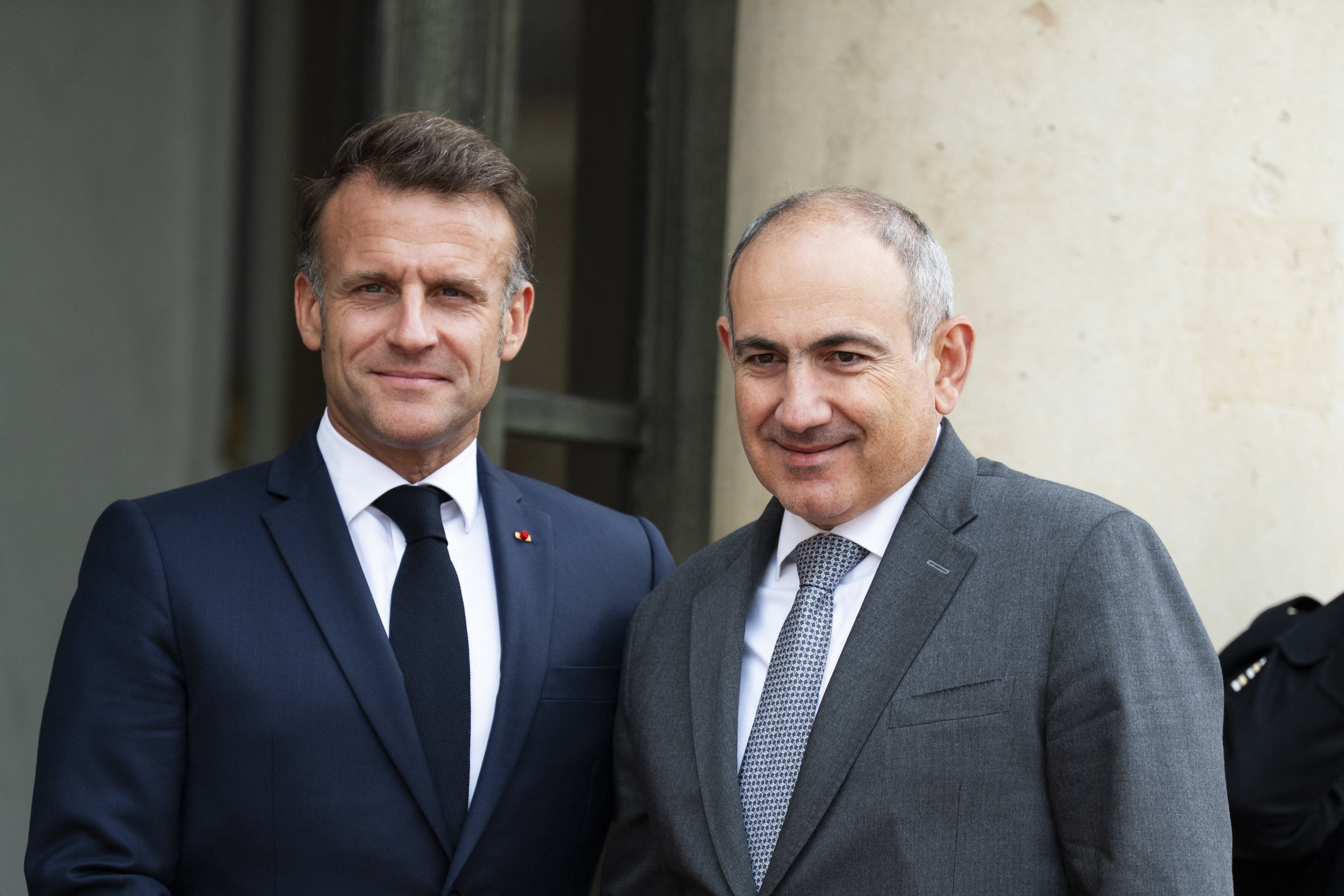
March 26, 2025: Armenia’s parliament approved a law to begin EU accession talks, signaling a decisive turn toward Europe.
May 14, 2025: Armenia began purchasing Indian-made weapons, further diversifying its military ties beyond Russia.
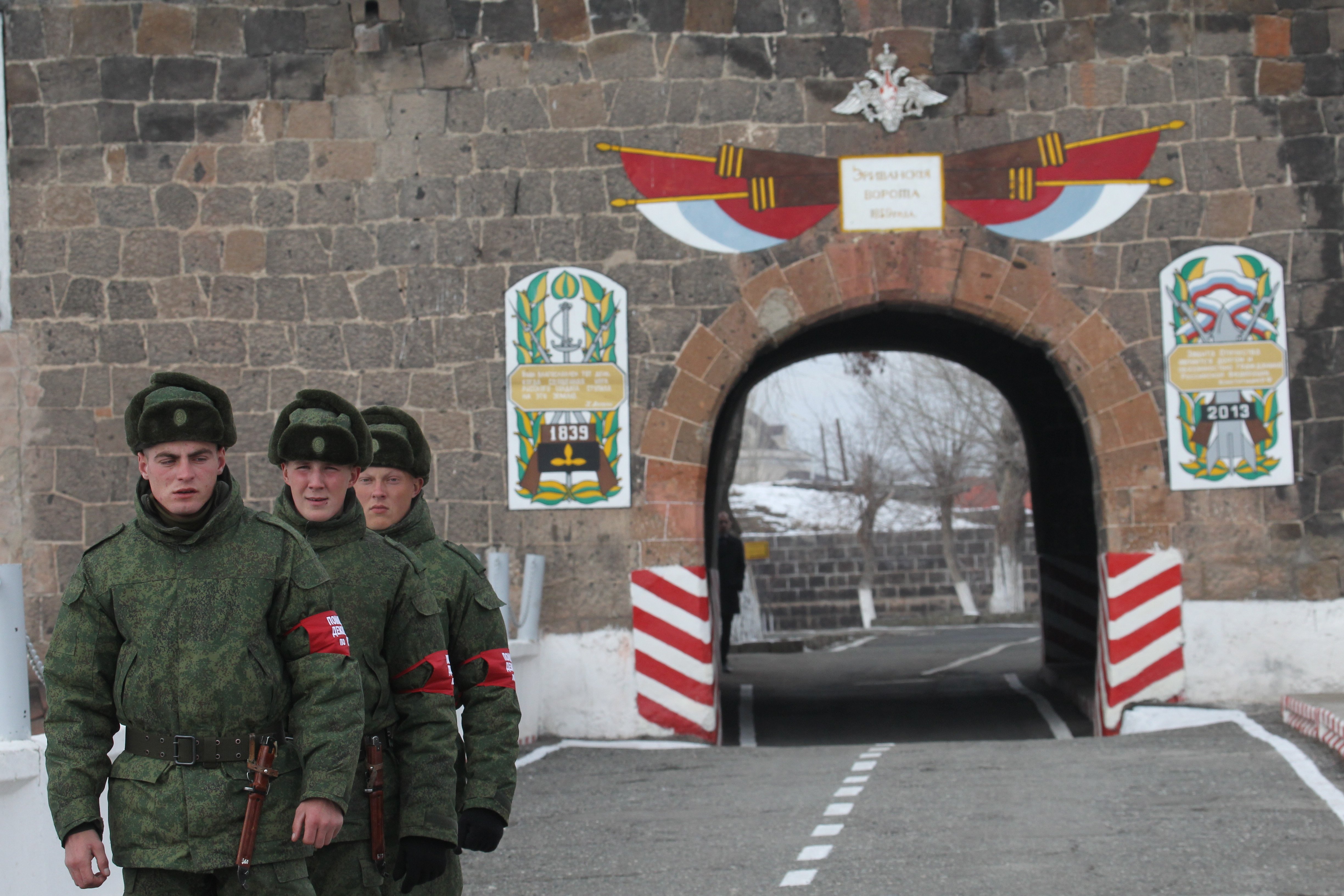
July 7, 2025: Ukraine’s Main Intelligence Directorate (HUR) published a confidential telegram from the acting chief of staff of Russia’s Southern Military District, directing an urgent reinforcement of the Russian military base in Gyumri, Armenia. This move forms part of a broader Kremlin effort to bolster Russia’s military footprint in the South Caucasus, said HUR.
Using Armenia for sanction evasion
Since Russia’s invasion of Ukraine in 2014, the Western response has made it the most sanctioned country on the planet, even surpassing North Korea. Yet Moscow keeps finding workarounds, with one of the most effective being its use of the South Caucasus, especially Armenia, as a key loophole in its sanctions evasion network.
Armenia is a member of the Eurasian Economic Union (EAEU), which allows free movement of goods without any real customs checks or regulatory scrutiny. Experts have labelled this gap a “sanctions hole.”
Armenia–Russia trade nearly doubled between 2022 and 2023, and surged again in 2024. But the growth wasn’t driven by Armenian production—it was largely re-exports, a discreet pipeline for Western-made components flowing back into Russia’s war machine.
Russia has re-imported electronics, semiconductors, industrial machinery, and software—the very building blocks of its weapons industry. These parts have made their way into missiles, drones, and even advanced fighter jets.A 2024 investigation revealed over 1,100 foreign-made microchips embedded in Russia’s Su-34 and Su-35 fighter aircraft.
Western components—many of them US or EU-manufactured—have also been found in nearly every major missile type used by Russia: the Kh-101, Kinzhal, Kalibr, Iskander, Tsirkon, and Kh-59.In 2023 alone, an estimated $5 billion worth of sanctioned goods vanished in transit through Russia, many of them en route to Central Asia and the Caucasus.
Armenia, whether knowingly or not, has been key in its ability to wage war in Ukraine.
Impact on Russia’s war in Ukraine
As Russia loses influence in the region, the Kremlin is being forced to redirect valuable diplomatic and intelligence resources and cut off from critical backchannels in Armenia and Azerbaijan.
"We shouldn't forget that Russia is under sanctions,” Azerbaijani political scientist and conflict researcher Arif Yunusov said. “Azerbaijan has helped Moscow to get around these in certain ways.”
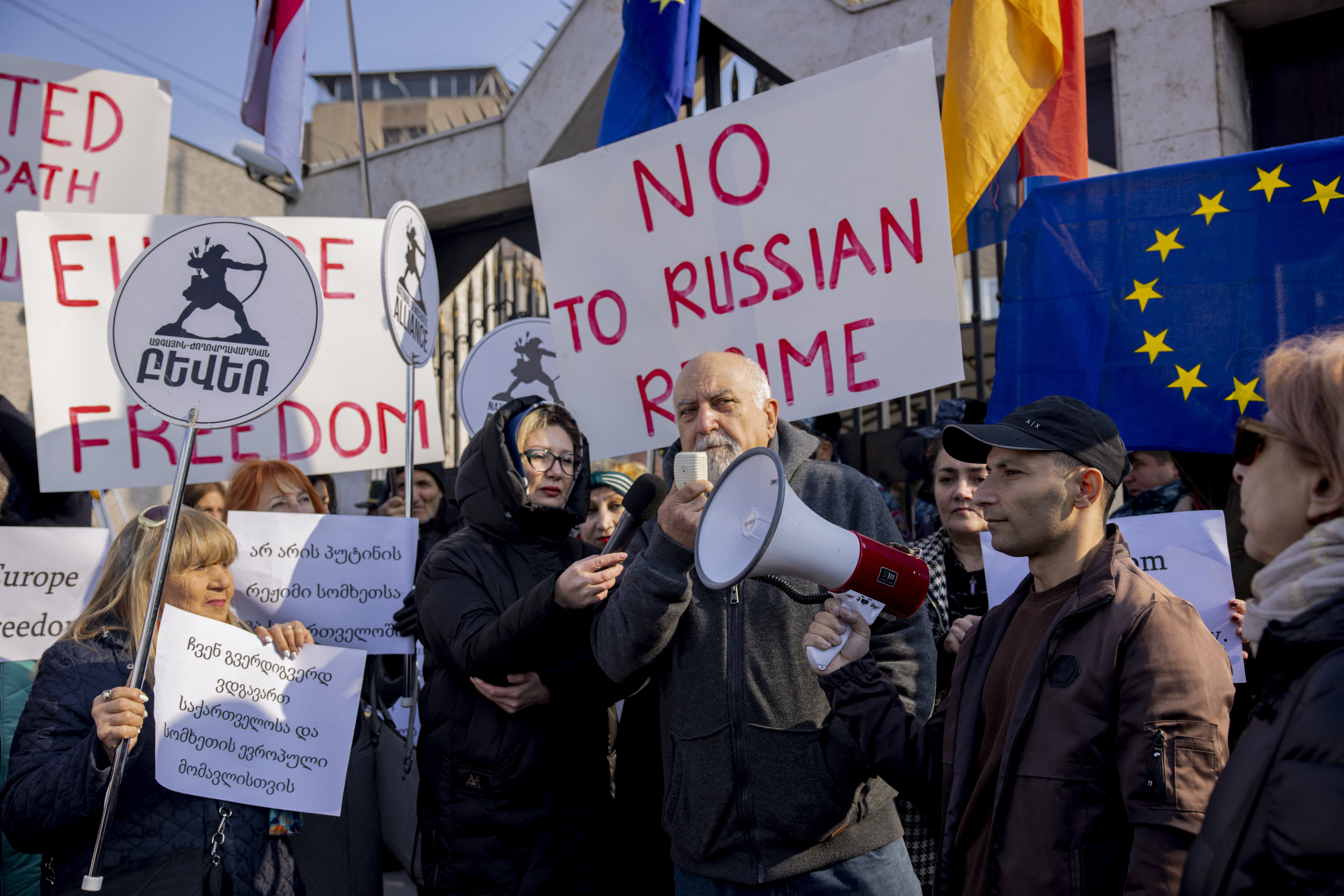
And as Armenia has become a key hub for Russia’s sanctions evasion, cutting ties could sever a vital route for importing Western-made components—components that often end up in Russian missiles and fighter jets waging war on Ukraine.
But it’s more than just logistics. Moscow’s inability to contain the war between Armenia and Azerbaijan has shattered its image as a regional powerbroker. Once seen as the dominant force in the Caucasus, Russia now looks like a fading empire.
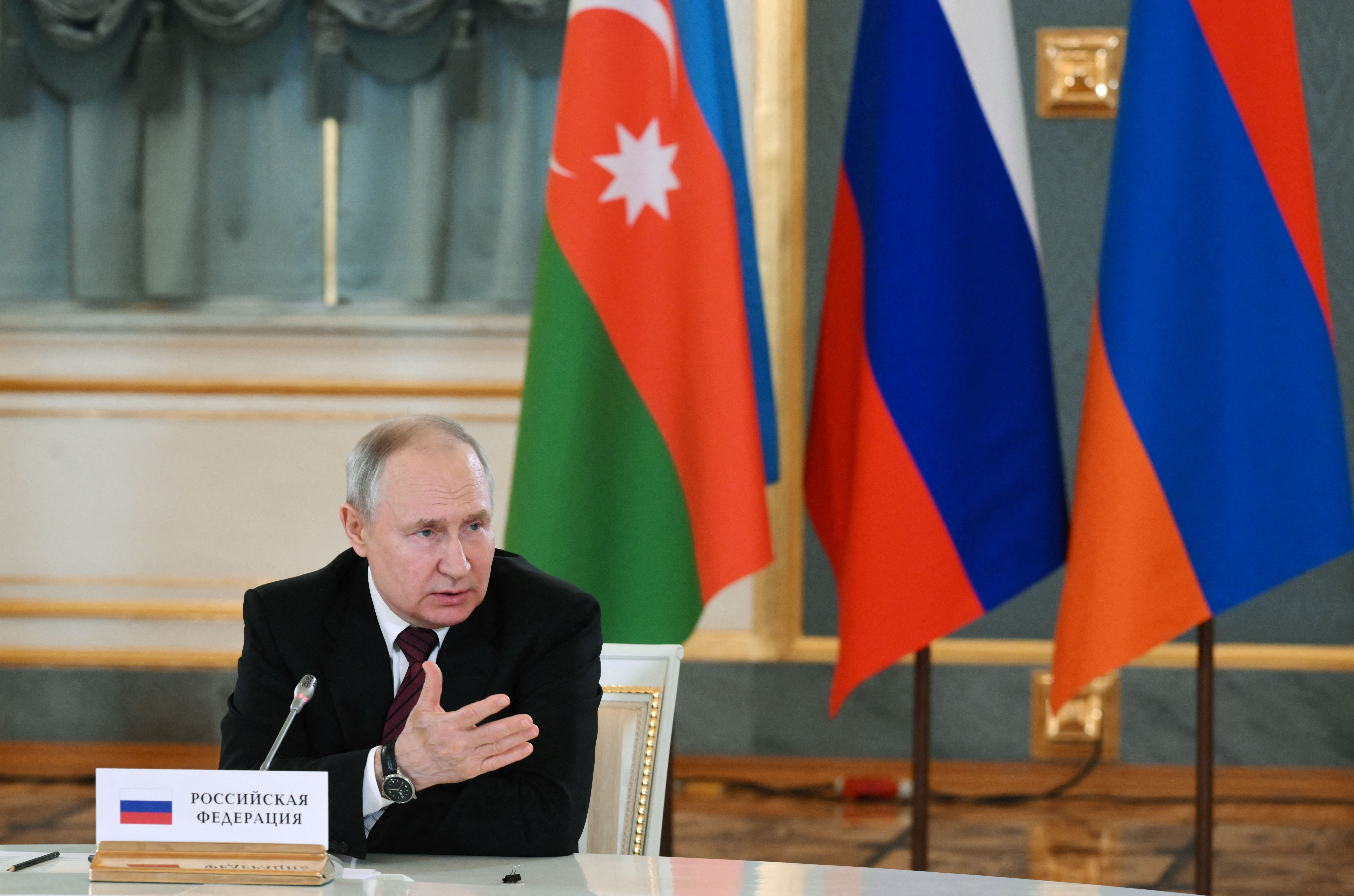
“Russia wanted Armenia to remain in eternal conflict so that it could continually rescue us to justify its indefinite presence,” said Ruben Mehrabian, an analyst at the Armenian Institute of International Relations and Security. “But Armenia wants to resolve these disputes and remove any Russian presence from our country. Now Russia doesn’t like that.”
While the impact on the battlefield in Ukraine is indirect, Russia's deflated relationships in the Caucasus create strategic vulnerabilities, logistical hurdles, and geopolitical distractions. The Kremlin now faces a new front of isolation.
Discuss this article:



-72b63a4e0c8c475ad81fe3eed3f63729.jpeg "Photo of Cyril Barabaltchouk")