- Category
- Latest news
Russia Offers to Hand Over Secrets of Its New S-350 Air Defense System to India
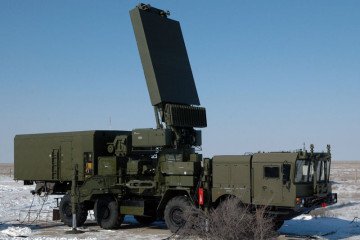
Amid mounting pressure on its defense industry, Russia is seeking to expand military ties with India by proposing the export—and possible local production—of its S‑350 Vityaz air defense system.
 Prefer U24 Media on Google
- Authors


Russia has reportedly proposed exporting its S‑350 Vityaz surface-to-air missile systems to India, including the potential for local production and technology transfer.
If confirmed, this would mark the first international offer of the relatively new and rarely deployed system, which officially entered Russian service in 2020.
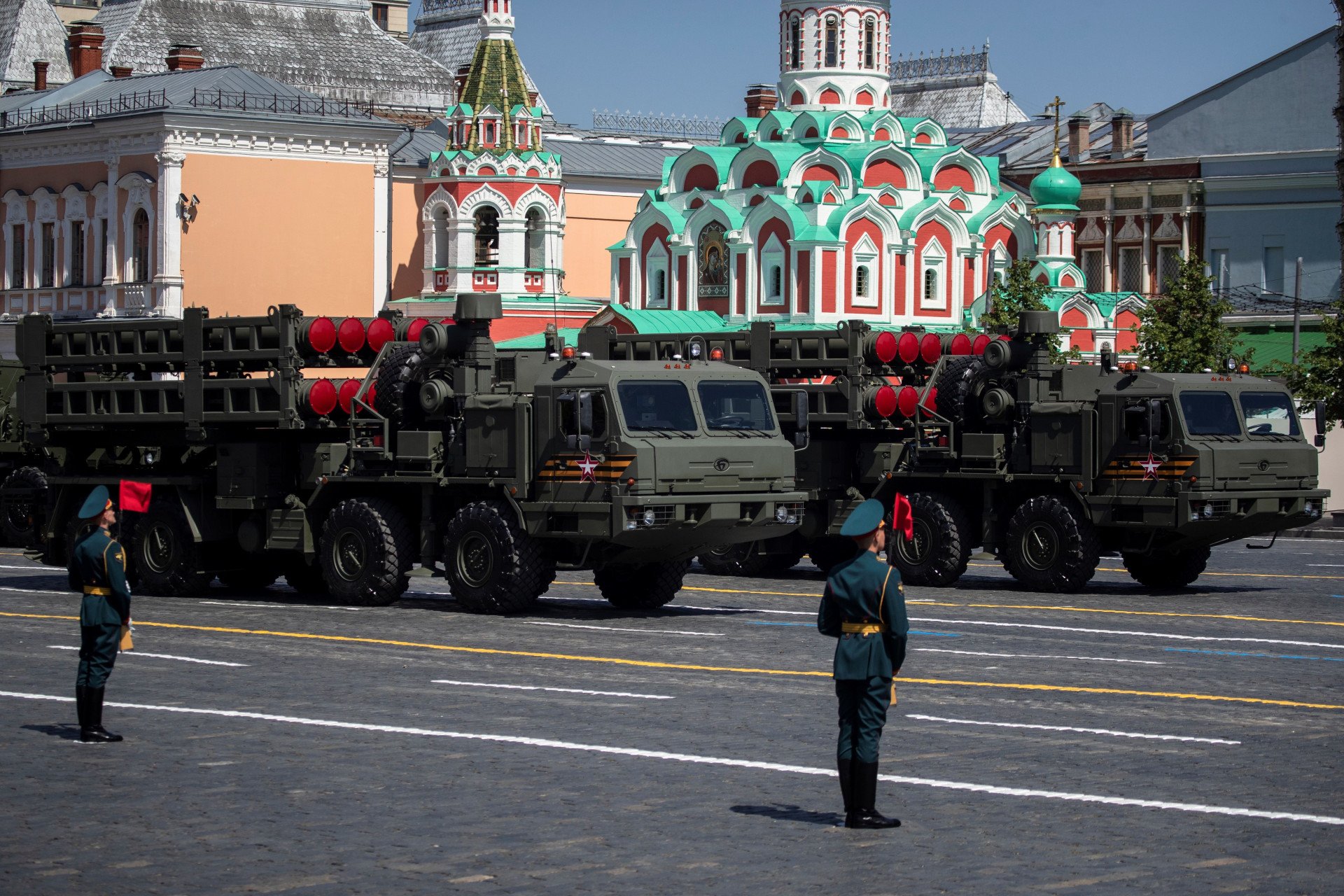
S-350 "Vityaz" medium-range SAM system
— Massimo Frantarelli (@MrFrantarelli) July 4, 2024
&
"Pantsir-S1" AAMGS.
📹MoD RF (Summer 2024)https://t.co/2gGNRpkSRvhttps://t.co/hW09TqPCHW pic.twitter.com/DD7qAhoC72
According to Defense Express on January 5, the reports originated in Indian media outlets citing sources close to Rostec, Russia’s state defense conglomerate.
The proposal includes not only the sale of the S‑350 systems but also the transfer of manufacturing technology, aligning with past Russian offers to India such as the localized production of Su‑57E fighter jets.
Technical overview and operational role
The S‑350 is designed as a medium-range system to complement long-range platforms such as the S‑400. Russian sources promote it as capable of engaging a range of aerial threats, including guided bombs, cruise missiles, and drones.
Depending on the missile variant used, the S‑350’s engagement range reportedly spans from 10–15 kilometers to a maximum of 120 kilometers.
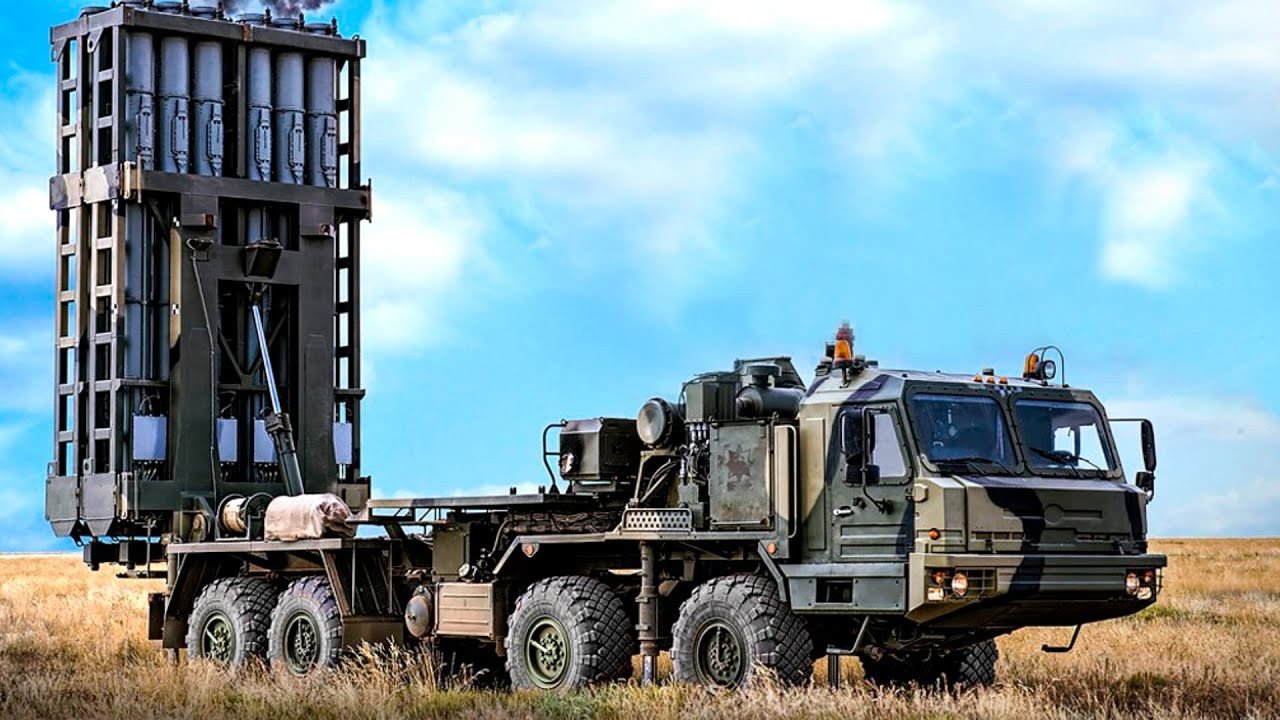
Russian state media have previously claimed the S‑350 demonstrated the ability to intercept multiple types of threats during tests, including precision-guided munitions and rockets from multiple launch systems. However, independent assessments of its combat performance remain limited.
Integration Into India’s Defense Architecture
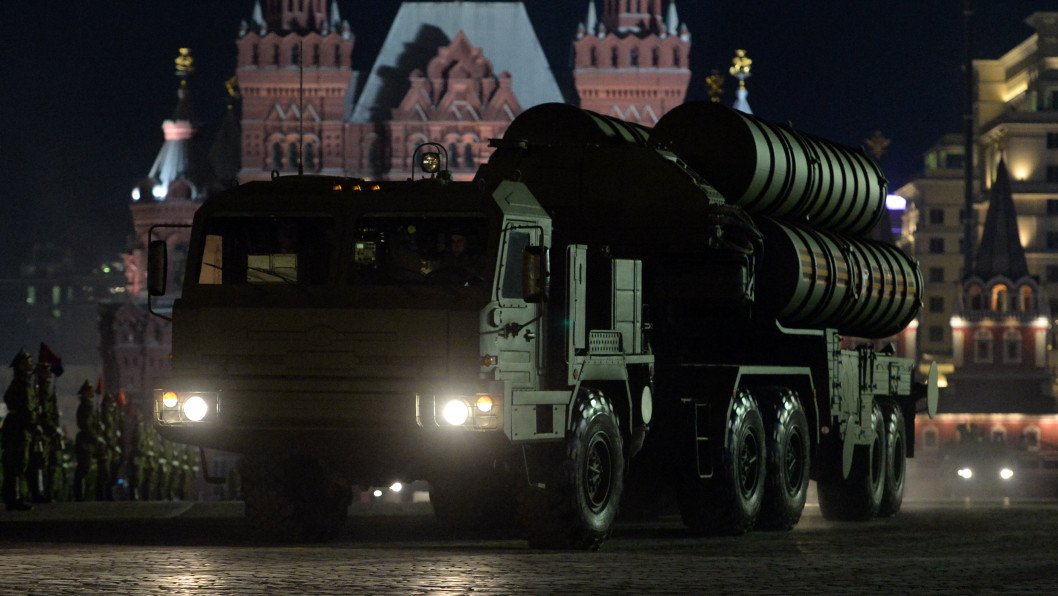
According to Defense Express, the system is being pitched to India as a supplementary layer to its existing S‑400 Triumf systems. India has already deployed several S‑400 units purchased from Russia and has reportedly expressed satisfaction with their performance.
The S‑350, with its shorter-range capabilities, could be used to enhance India’s layered air defense posture.
The proposed deal may also reflect Russia’s effort to secure foreign contracts amid constraints on its domestic defense budget. Offering technology transfer could help Moscow gain access to funding and maintain production lines for systems that are not widely deployed even within its own military.
Defense Express suggests the S‑350 has only appeared a handful of times in the context of Russia’s full-scale war against Ukraine, with no comprehensive data available on its operational effectiveness in active conflict zones.
Background on the System’s Origins
The S‑350 is based in part on earlier work Russia conducted for South Korea’s KM‑SAM (also known as Cheongung), a joint development effort from the early 2010s.
As such, the system is believed to incorporate design features that are already known internationally, which may lower the strategic risk of transferring technology to India.

Whether India accepts the offer remains to be seen. New Delhi continues to balance its long-standing defense cooperation with Russia against growing partnerships with Western arms manufacturers and increasing domestic production under its “Make in India” initiative.
Earlier, Russia offered India its aging BMP-3 and Sprut-SD vehicles, hoping to secure a deal before India fully replaces its Soviet-era fleet with domestically developed systems.
However, India has already rejected the Sprut-SD in favor of its Zorawar light tank and is unlikely to buy the BMP-3, which has underperformed in Ukraine and remains vulnerable to modern threats like FPV drones.
Discuss this article: