- Category
- Latest news
New India–Russia Submarine Deal Raises Prospect of Hypersonic Zircon Deployment
 Prefer U24 Media on Google
- Authors


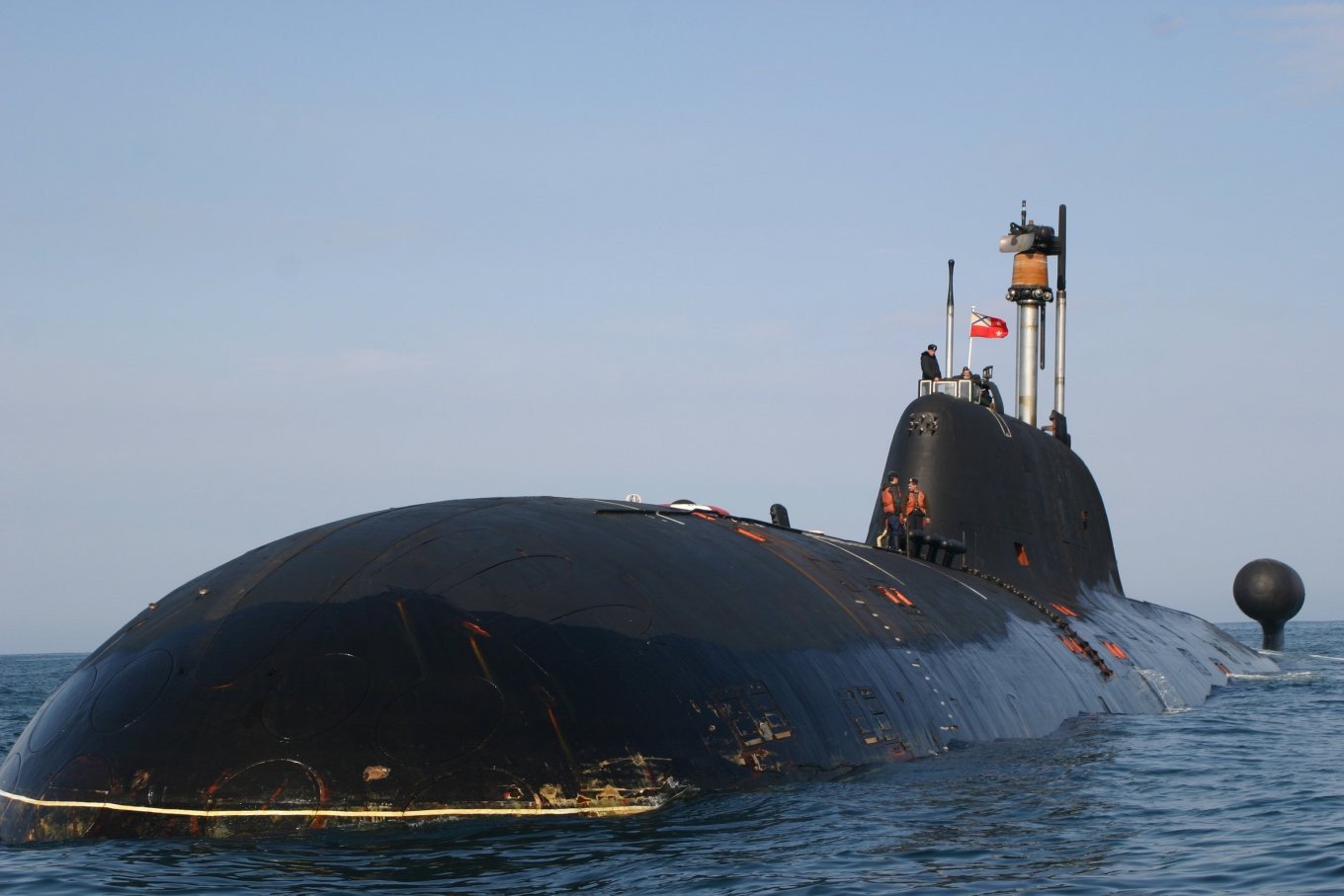
India is set to lease a Russian nuclear-powered attack submarine that could be modified to launch a range of advanced cruise and potentially hypersonic missiles, including the Indo-Russian BrahMos and Russia’s Zircon, according to Defense Express on December 5.
Moscow has officially confirmed that India will lease the K-391 Bratsk, a 36-year-old Project 971 “Shchuka-B” (NATO reporting name: Akula-class) nuclear-powered submarine, for a 10-year term beginning in 2028.
The deal, reportedly worth $2 billion, is based on an agreement signed in March 2019, which had previously gone unacknowledged by Indian officials.
-ec09bfe03506624db4e5045131e93ab4.jpg)
The details emerged following a Defense Express analysis of past reporting and open-source data on the submarine’s history and planned upgrades. While Russian authorities confirmed the lease arrangement, there has been no official statement from India as of early December 2025.
The original deal had been previously covered by Indian media citing unnamed sources, but no formal announcement had followed at that time.
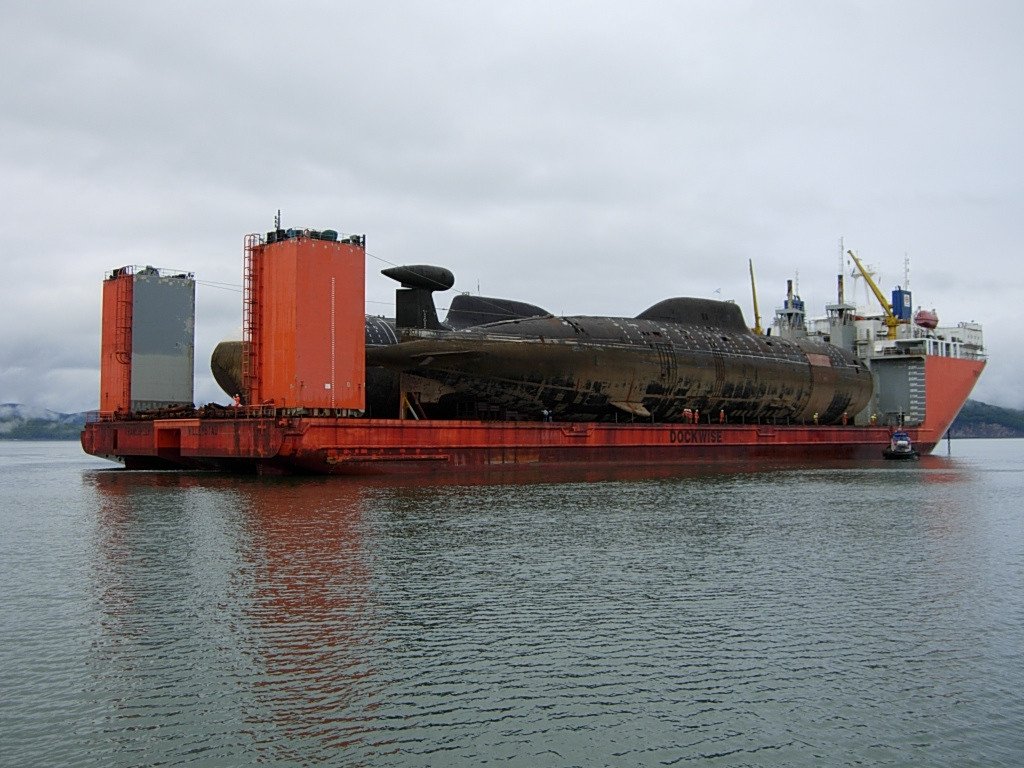
The Bratsk was originally commissioned in 1989 and withdrawn from active duty in 1998. It underwent several attempts at overhaul, first at the remote Vilyuchinsk facility on the Kamchatka Peninsula and later at the Zvezdochka shipyard in Severodvinsk, after the initial facility lost the necessary technical capacity to carry out repairs.
India–Russia relations have evolved across centuries — from ancient trade links and early travellers to Cold War strategic depth and post-1991 cooperation. The modern alliance was shaped through landmark moments: the 1971 Treaty, Soviet defence support, and later, joint ventures… pic.twitter.com/U6LbTza75d
— India Today Global (@ITGGlobal) December 5, 2025
Following years of delays and an initial assessment in 2022 deeming repairs “infeasible,” Russian reports in 2024 began to describe a possible revival of the project under a new modernization program—Project 09718—reportedly intended to adapt the submarine for Indian use.
The upgrade is believed to include the installation of vertical launch systems (VLS) capable of carrying Indo-Russian BrahMos missiles, a supersonic cruise missile based on Russia’s P-800 Oniks (NATO: SS-N-26 Strobile).
Currently, such VLS systems are standard only on newer Russian submarines such as the Project 885 Yasen class, which are equipped to launch Oniks, Kalibr cruise missiles, and the hypersonic 3M22 Zircon.
The Project 971 class, including Bratsk, lacks VLS and is traditionally armed with eight torpedo tubes of 533 mm and 650 mm diameter, designed primarily for torpedoes and limited missile capabilities.
If the modernization includes a complete redesign of the hull to integrate VLS, Bratsk could become the first submarine of its class with such a capability—marking a significant structural alteration and potentially explaining the delayed delivery date of 2028.
The inclusion of BrahMos—already deployed on Indian warships and aircraft—would strengthen India’s naval strike capabilities.
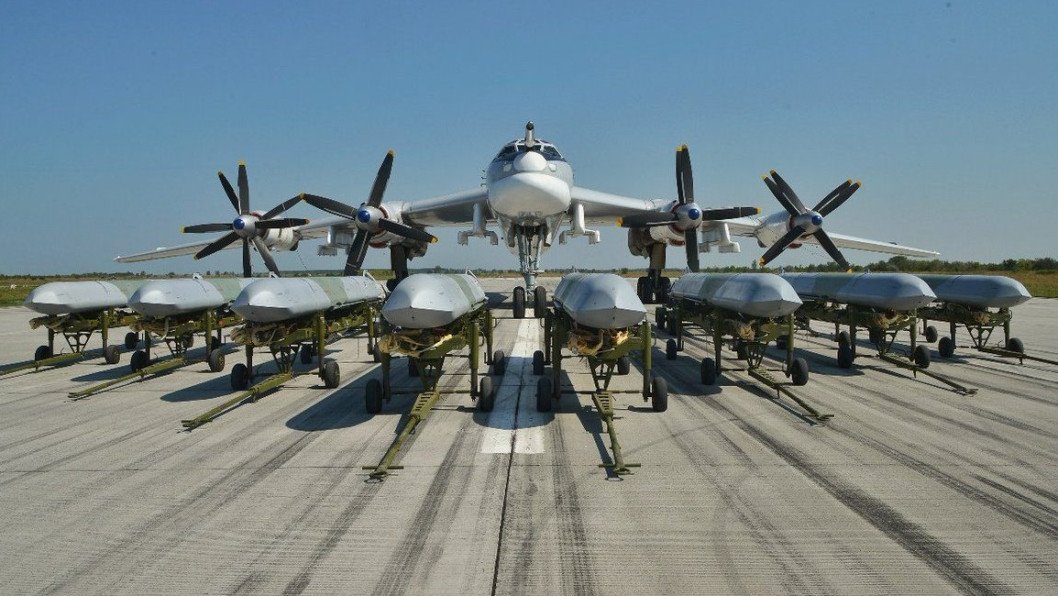
However, Defense Express notes that the submarine could also potentially be equipped to launch Kalibr cruise missiles and even the Zircon hypersonic missile, which Russia has promoted as a strategic game-changer.
Notably, the 3M22 Zircon carries a relatively small warhead of around 100–150 kg. While insufficient for large-scale conventional destruction, this payload size aligns with tactical nuclear warhead configurations.
Though India is a nuclear-armed state, it remains unclear whether it possesses the miniaturization technology required for submarine-launched tactical nuclear payloads.
Any significant defense cooperation between India and Russia technically falls under the scope of the US Countering America’s Adversaries Through Sanctions Act (CAATSA), which authorizes sanctions on entities engaging in major arms transactions with Russia.
However, Washington has thus far refrained from applying CAATSA sanctions to New Delhi, despite India’s procurement of Russian systems such as the S-400 air defense platform. This ongoing leniency suggests that India does not view CAATSA as a binding constraint on its military procurement decisions.
This would be India’s third lease of a Russian nuclear-powered submarine. The most recent was the K-152 Nerpa—also a Project 971 vessel—which served in the Indian Navy as INS Chakra-2 until its return to Russia in 2021.
Earlier, Bloomberg reported that India plans to begin talks with Russia over acquiring Su-57 fighter jets and the S-500 air-defense system, potentially expanding military ties despite US concerns.
Discuss this article:
-4a56a6b482ec132402c16ef6fcabf9a2.png)


-c439b7bd9030ecf9d5a4287dc361ba31.jpg "Photo of Katherina Popilnichenko")