- Category
- Latest news
India Finalizes $2 Billion Deal to Lease Russian Nuclear Attack Submarine in Major Naval Upgrade
 Prefer U24 Media on Google
- Authors


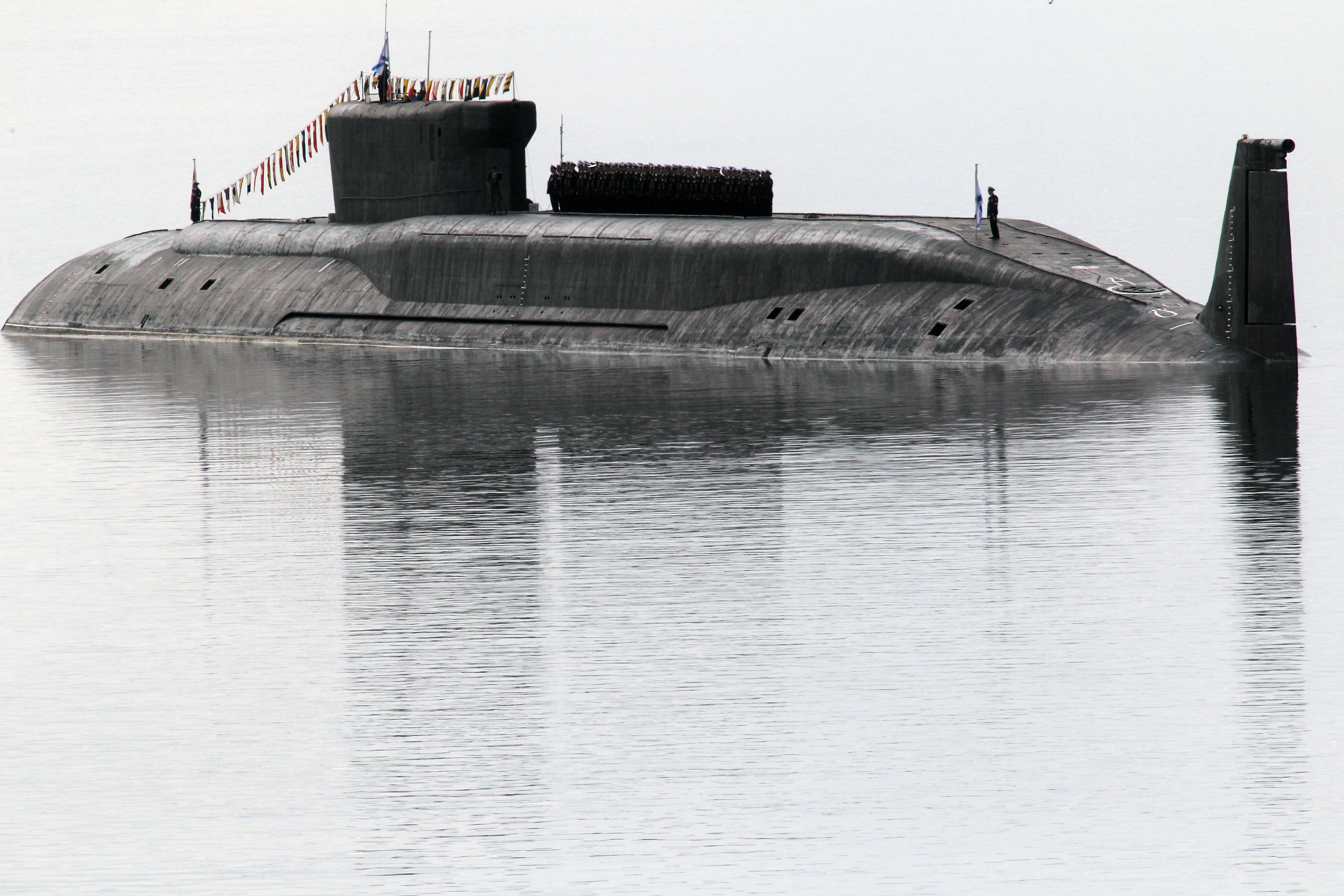
India has finalized a $2 billion agreement to lease a nuclear-powered attack submarine from Russia, marking a major step in its long-term naval modernization program.
According to Bloomberg on December 4, the deal concludes nearly a decade of negotiations that had previously stalled over pricing and technical details.
Under the 10-year lease, the submarine will be delivered within the next two years, though delivery timelines could shift due to the complexity of the vessel.
BREAKING : India has signed a $2 billion deal to lease a nuclear-powered attack submarine from Russia, finalising an agreement after nearly a decade of talks just before the visit of Russian President Vladimir Putin to India. pic.twitter.com/zMc2p83qX2
— Baba Banaras™ (@RealBababanaras) December 4, 2025
The submarine—larger than the two nuclear-powered submarines currently operated by India—will not be permitted for use in combat, but will serve primarily as a training platform for Indian sailors and help enhance India’s nuclear submarine operations.
The contract includes full maintenance and technical support over the duration of the lease, Bloomberg reported, citing sources familiar with the matter. The submarine is expected to be an essential step in building India’s capability to operate nuclear-powered platforms as it develops its own fleet of ballistic and attack submarines.
Russian leader Vladimir Putin is visiting India this week—his first since the beginning of Russia’s full-scale invasion of Ukraine. The visit is expected to focus on strengthening bilateral ties in defense and energy. In anticipation of the visit, India’s Chief of Naval Staff Dinesh K. Tripathi noted that the submarine would be commissioned soon, though he did not offer specifics.
India currently operates 17 diesel-electric submarines and two nuclear-powered ballistic missile submarines. The country’s third ballistic missile submarine is expected to enter service in 2026, while two nuclear-powered attack submarines are reportedly under construction.
According to Bloomberg, the Russian submarine will assist India in refining its nuclear submarine doctrine as it moves toward establishing a full nuclear triad—land-, sea-, and air-based nuclear delivery systems.
The Indian Navy has previously leased a similar Russian submarine, which was returned to Moscow in 2021 after a 10-year term. The new lease reflects India’s ongoing reliance on Russian military hardware, despite recent diversification toward Western defense suppliers.
While India has deepened its engagement with the United States and Europe in recent years, Prime Minister Narendra Modi has maintained a policy of strategic autonomy, especially as trade tensions with Washington have increased. In July, President Donald Trump imposed 50% tariffs on Indian goods after urging India to reduce oil imports from Russia.
Despite the pressure, India has remained one of Russia’s key energy clients and defense partners. As Bloomberg notes, the submarine lease underscores New Delhi’s continued comfort in working with Moscow on critical strategic systems.
Only a handful of nations—including the US, UK, France, China, and Russia—have the capability to design, build, and operate nuclear-powered submarines.
-04cd63179a6e2a0e43f529cdd0b666b2.jpg)
India is among the few developing such capabilities independently, while also collaborating with established partners. As the Indian Ocean becomes an increasingly contested strategic zone, nuclear-powered platforms are seen as crucial for deterrence and force projection.
Earlier, Bloomberg reported that India plans to begin talks with Russia over acquiring Su-57 fighter jets and the S-500 air-defense system, potentially expanding military ties despite US concerns.
Discuss this article:
-4a56a6b482ec132402c16ef6fcabf9a2.png)