- Category
- Latest news
How Putin’s War Machine Falters Under Sanctions, Strikes, and Supply Shortages
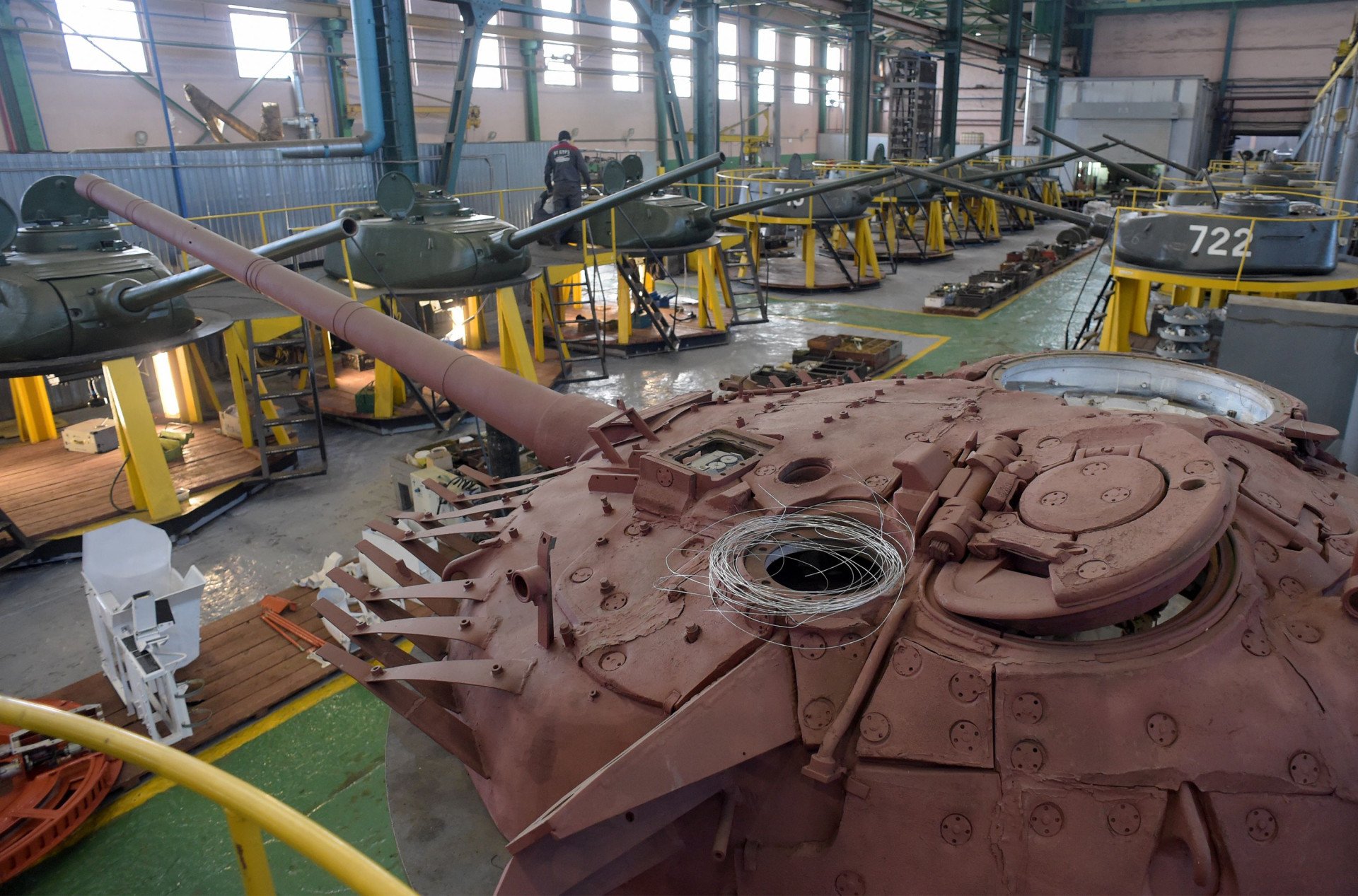
Russia’s vast defense-industrial complex, once considered a backbone of its global power projection, is showing signs of systemic failure under the combined weight of war, sanctions, and internal dysfunction.
 Prefer U24 Media on Google
- Authors




Russia’s defense-industrial base is experiencing its most severe crisis since the collapse of the Soviet Union, according to internal documents and management correspondence reviewed by Defence Blog.
The pressures of sustaining military production during the ongoing war against Ukraine have exposed fundamental weaknesses across the Russian defense sector, including workforce shortages, disrupted supply chains, delayed state payments, and the collapse of export revenues.
Defense giants struggle with debt and delays
According to Defence Blog, major Russian defense manufacturers—such as tank producer Uralvagonzavod, aircraft builder United Aircraft Corporation (UAC), and drone developer Kronstadt—are struggling to meet state contracts under increasingly unmanageable conditions. Companies report mounting debt, stalled procurement cycles, and legal disputes with suppliers.
Kronstadt, a key developer of unmanned aerial vehicles (UAVs) such as the Orion, has faced over 600 million rubles (approximately $7 million) in lawsuits since the summer, Defence Blog notes.
Among the largest claims are 151.1 million rubles (approximately $1.7 million) from LLC Innovative Technologies and 220.6 million rubles (around $2.5 million) from AO Research Institute of Modern Telecommunications Technologies.
UAC, which oversees Russia’s combat and transport aircraft programs, is involved in hundreds of debt-related court cases and is reportedly unable to pay its contractors. The company remains dependent on imported avionics and engine components that have become scarce or inaccessible under Western sanctions.
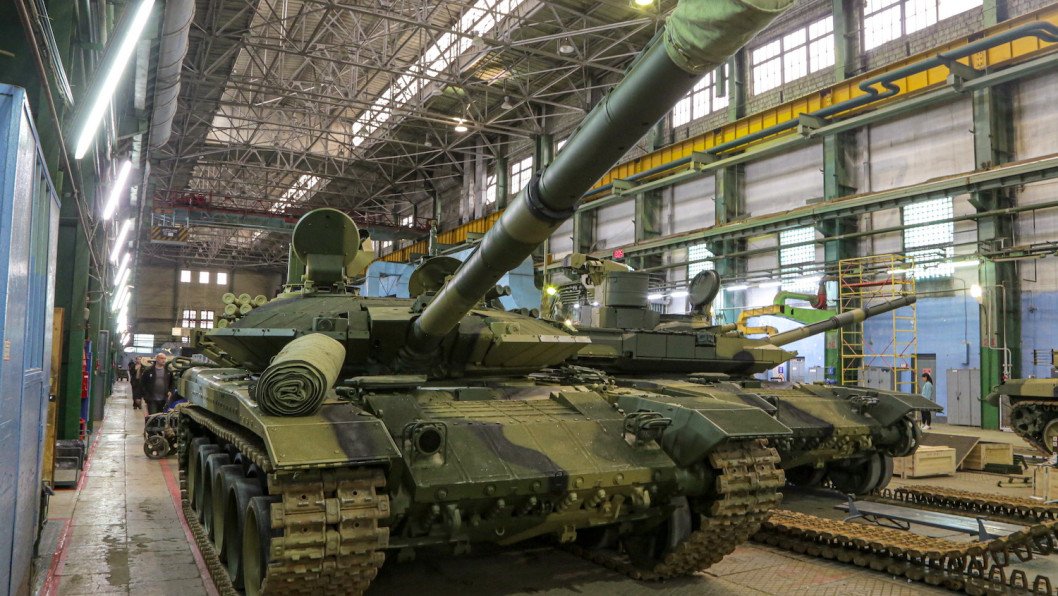
Uralvagonzavod, the producer of T-72, T-90, and T-14 tanks, has also been affected by the loss of imported thermal imaging systems, electronics, and transmissions. The company has reportedly begun personnel reductions due to funding shortfalls, despite ongoing contracts.
Supply chain breakdown and rising costs
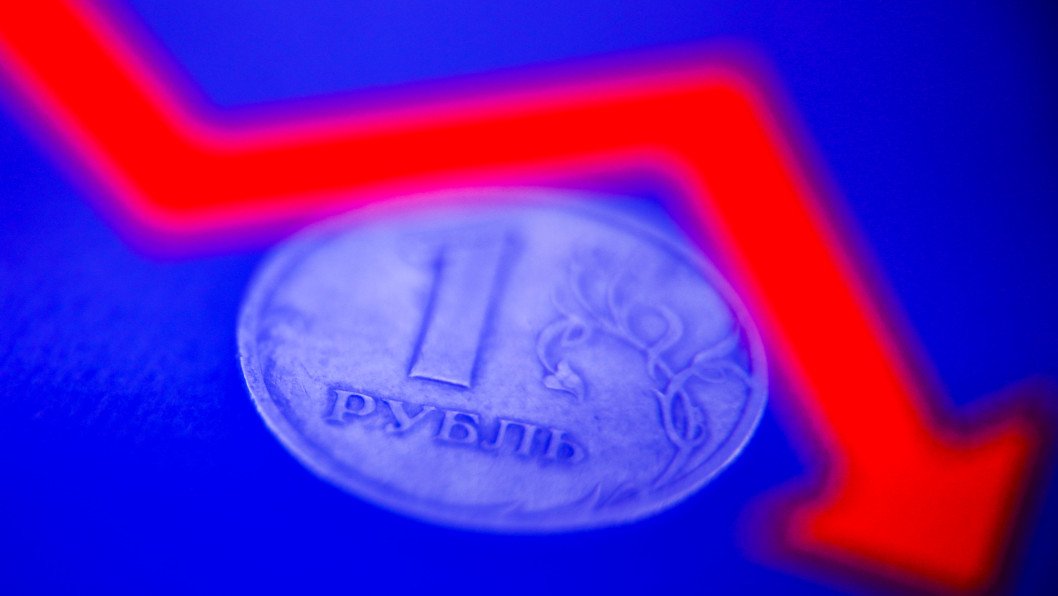
The impact of Western sanctions is compounding the crisis. According to Defence Blog, the price of imported components has in some cases increased “by tens or even a hundred times.”
Domestic attempts to substitute critical parts—such as optical systems, microelectronics, oils, and coatings—have failed to meet operational needs.
Internal correspondence cited by Defence Blog indicates that defense companies are required to fulfill contracts at outdated fixed prices from 2019 while purchasing components at current market rates.
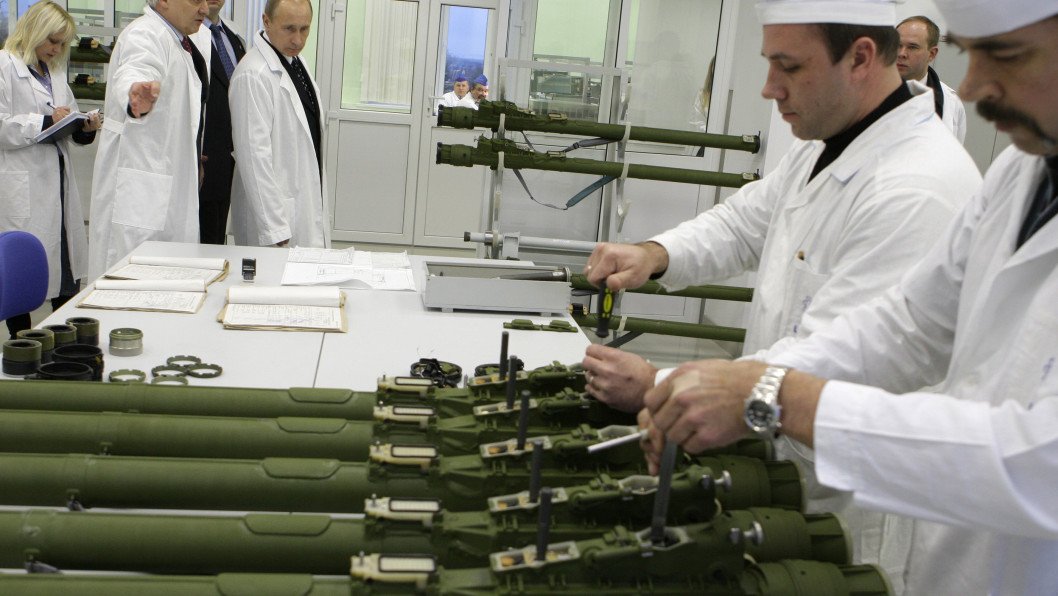
One letter from the general director of the Murom Instrument-Making Plant reveals that these pricing mismatches have resulted in major losses, including 70 million rubles on a single product—Product 1T146, a navigation system.
In some cases, payments for deliveries are delayed by three to five years, effectively freezing company finances and preventing reinvestment in new production.
Delayed payments and declining export revenues
The Russian government has also delayed payments to defense contractors due to budget constraints. One tank producer has not been paid for shipments made in January but is still obligated to continue deliveries through the year.
Historically, Russia’s defense industry relied on export contracts to balance the losses from selling domestically at subsidized rates. However, sanctions and logistical constraints have severely reduced export activity.
Russia’s inability to replace foreign-supplied components has led several countries to cancel or freeze orders. For example, Egypt abandoned its planned purchase of Su-35 fighter jets, and India declined further shipbuilding cooperation due to engine supply issues, as noted by Defence Blog.
Ukrainian pressure and sabotage add to strain
Ukraine’s military pressure is also shaping the crisis. Drone and missile strikes have targeted defense plants, fuel facilities, and logistical hubs.
Intelligence-driven sabotage operations have damaged infrastructure and disrupted railway supply routes crucial for military logistics. These actions have further limited the availability of petroleum products and industrial fluids essential to weapons manufacturing.
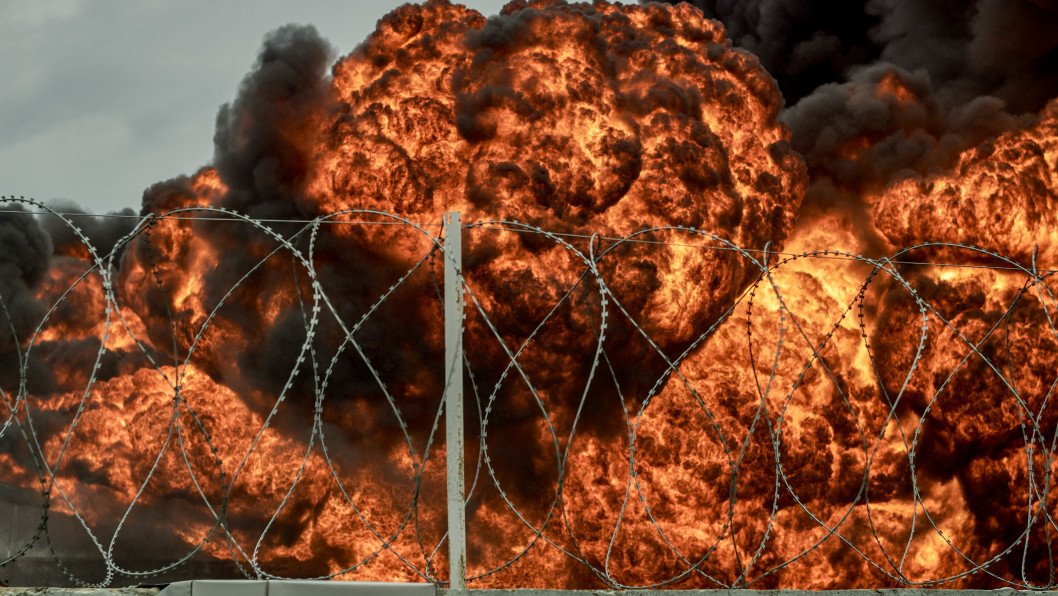
Defence Blog also references intercepted letters shared by Ukrainian cyber-activists, which describe the broader collapse in procurement timelines and operational capacity inside Russian defense plants.
Structural weaknesses exposed by wartime conditions
Russia’s defense-industrial system relies on centralized planning, long-term contracts, and heavily subsidized domestic pricing.
In peacetime, this model allowed for strategic production planning and stable exports. However, under wartime conditions—combined with global sanctions and loss of access to critical components—this approach has left the sector exposed.
-fd36b54fa18abff98457b731d3248eb3.jpg)
According to Defence Blog, the current crisis affects nearly every enterprise working with Russia’s Ministry of Defense. With limited flexibility and an eroding labor pool—due to both mobilization and battlefield casualties—factories are reportedly operating in “manual control” mode, struggling to meet production targets without adequate resources or funding.
The weakening of Russia’s military-industrial capacity may affect its ability to sustain prolonged offensive operations in Ukraine. However, Defence Blog notes that it may also push the Kremlin toward riskier strategic behavior or deeper reliance on partners such as Iran, North Korea, and China.
Earlier, The Moscow Times reported that the Ashinsky Metallurgical Plant in Russia’s Chelyabinsk region suspended its stainless-steel operations and announced over 300 job cuts, citing mounting losses. The company, a key supplier of specialty alloys for the defense sector, posted a net loss of 219.3 million rubles (around $2.4 million) in Q1 2025, down from a profit of 2.4 billion rubles a year earlier.
Discuss this article: