- Category
- Latest news
Russia’s Economy Flatlines: Sberbank Warns of Near-Zero Growth
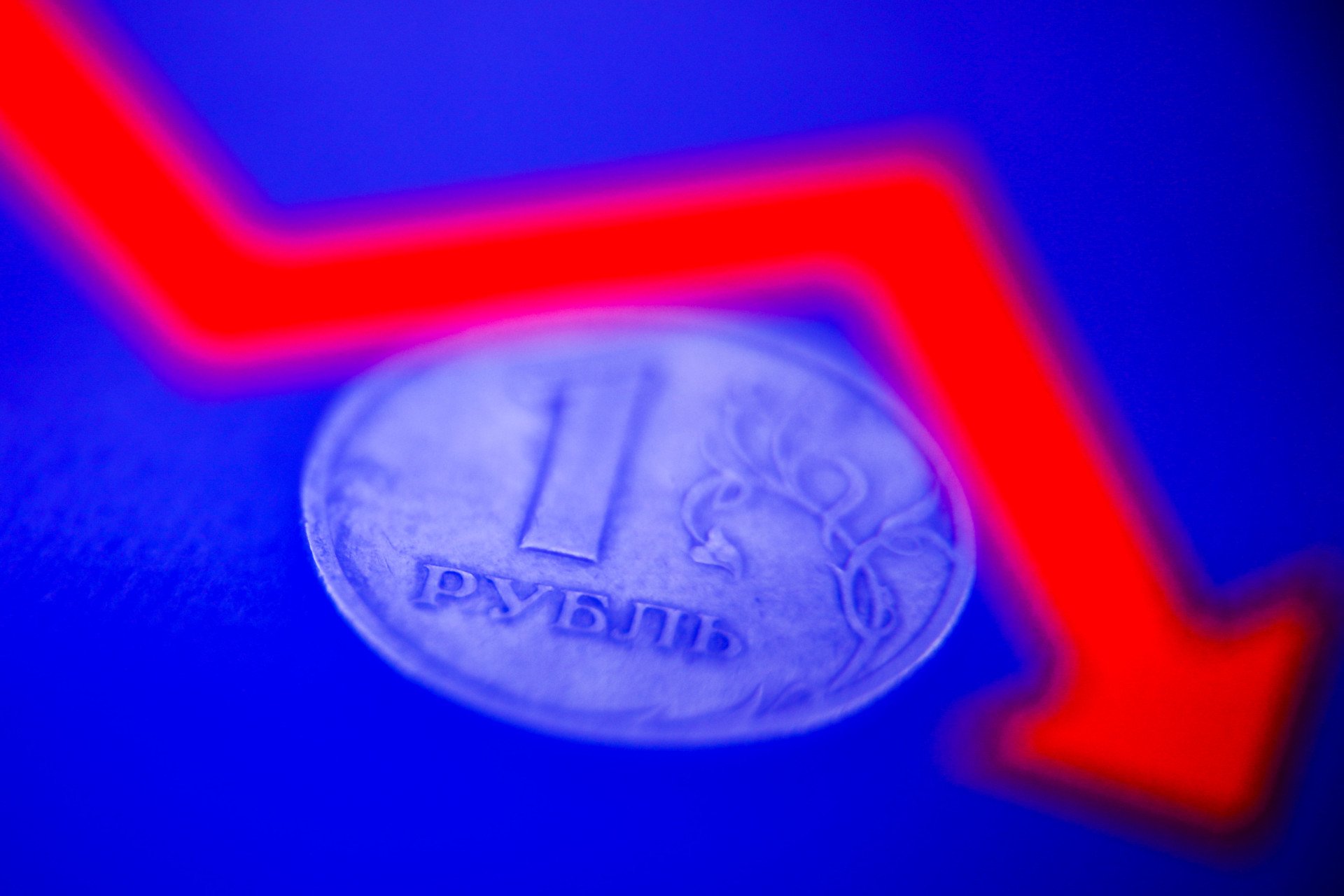
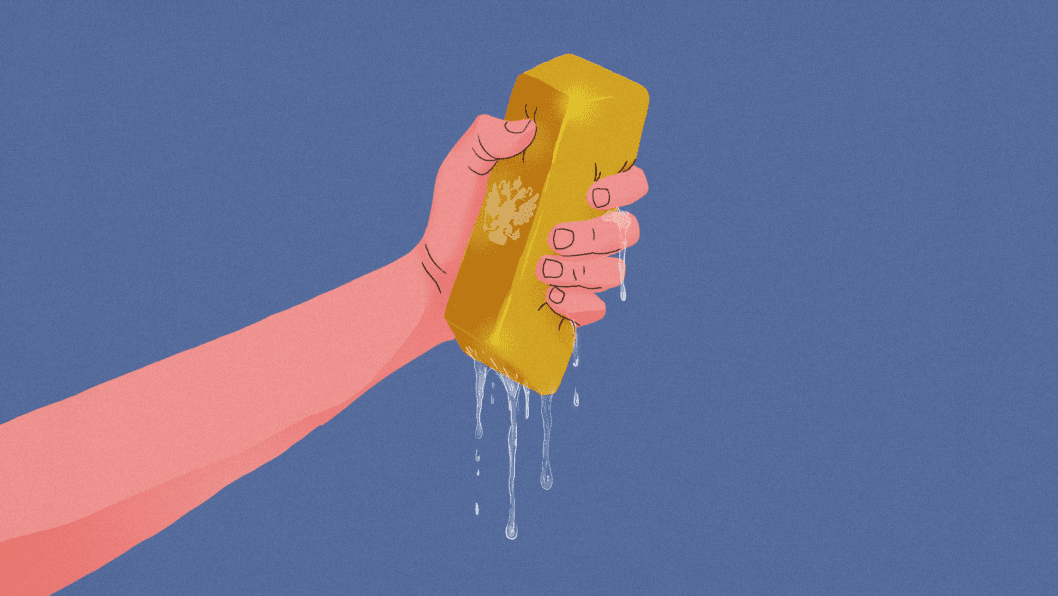
Russia’s economy has slowed to a near standstill, with Sberbank CEO Herman Gref warning of “technical stagnation” and GDP growth approaching zero, signaling mounting pressure on industries and households alike.
 Prefer U24 Media on Google
- Authors




Russia’s economy slowed sharply in the second quarter of 2025, entering what Sberbank CEO Herman Gref described as a period of “technical stagnation,” raising alarms about the country’s near-term growth prospects, Russian media RBC reported on September 4.
Speaking at the Eastern Economic Forum (EEF), Gref said the cooling trend is visible in GDP figures, with July and August showing “clear symptoms” of growth approaching zero.
“The second quarter can practically be considered technical stagnation. July and August show fairly obvious signs that we are approaching zero,” Gref said.
Gref stressed the importance of timely exiting the period of managed economic slowdown, noting that reviving growth afterward would be challenging.
He highlighted the Central Bank’s key interest rate as a critical tool, predicting it could fall to 14% by year-end.
“Is this enough to get the economy moving again? In our view, it’s not. At current inflation levels, the rate needed to hope for economic revival is 12% or lower,” he said, expressing hope the central bank would prevent a slide into full recession.
Sharp decline across sectors
The economic boom Russia experienced during its military buildup in previous years has largely dissipated in 2025. According to the Ministry of Economic Development, GDP growth in July was just 0.4% year-on-year.
This marks a 2.5-fold slowdown compared with June (1%) and an elevenfold drop compared with December 2024 (4.5%).
Industry is teetering on stagnation, with overall growth of 0.7%, while several sectors have plunged into deep contraction:
Clothing production: -7%
Furniture: -12%
Electrical equipment: -6.5%
Metallurgy: -10.2%
Food production fell 1.1% between January and July, and freight transport dropped 1.5%.
-7fcb9e9650d696b7dd4810b911611c9e.jpg)
The Ministry initially forecast 2.5% GDP growth for 2025, later revising it down to 1.5%. The Central Bank expects 1–2% growth, while the IMF projects Russia will slow from 4.3% in 2024 to 0.9% this year.
Central bank interest rate adjustments
In June, the Central Bank cut its key rate for the first time in three years, from 21% to 20%, and further lowered it to 18% in July.
Officials cited faster-than-expected reductions in inflationary pressure but emphasized the need to maintain tight monetary policy to return inflation to target levels. The bank anticipates the average key rate will be 12–13% in 2026, falling to 7.5–8.5% in 2027–2028.
Divergent views among officials
Gref’s assessment aligns with Andrei Klepach, chief economist at VEB.RF, who noted that Q2 2025 GDP fell 0.6% when accounting for seasonal and calendar factors. Two consecutive quarters of GDP contraction are typically classified as a technical recession.
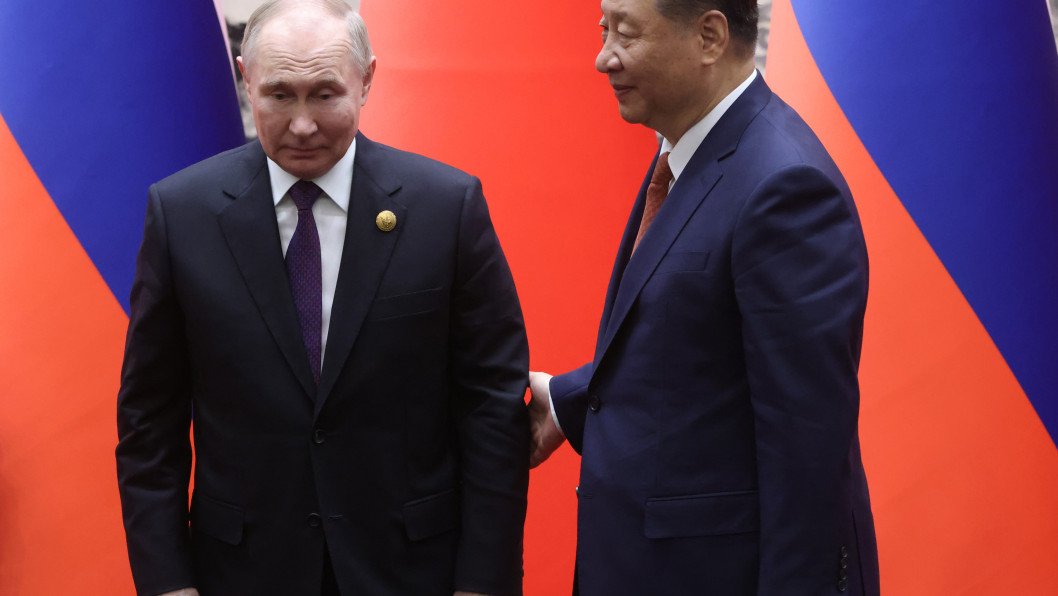
In contrast, Finance Minister Anton Siluanov has projected a more optimistic outcome, telling Russian leader Putin that 2025 GDP growth will reach at least 1.5%. Putin himself described the situation as a “balanced growth” trajectory and expressed confidence that the Central Bank is maintaining control.
Growing concerns
According to Gref, Russian bankers were quietly expressing concern about worsening conditions, warning of a potential banking crisis within a year. The slowdown is widespread and persistent, with the economy struggling to meet even the most conservative official forecasts.
Gref added that Sberbank regularly shares early macroeconomic data with authorities, warning that without careful monitoring and timely policy adjustments, the country risks tipping into a recession.
Earlier, Russia’s manufacturing sector contracted in July at the fastest rate since the early days of its full-scale war against Ukraine.
The S&P Global Purchasing Managers’ Index (PMI) for Russian manufacturing fell to 47.0 in July from 47.5 in June, moving further below the 50-point threshold that signals contraction. This marks the sharpest monthly decline since March 2022.
Discuss this article:



-c439b7bd9030ecf9d5a4287dc361ba31.jpg "Photo of Katherina Popilnichenko")


