- Category
- Latest news
Russia Faces Severe Labor Crisis as War Casualties and Aging Population Threaten Economy
 Prefer U24 Media on Google
- Authors




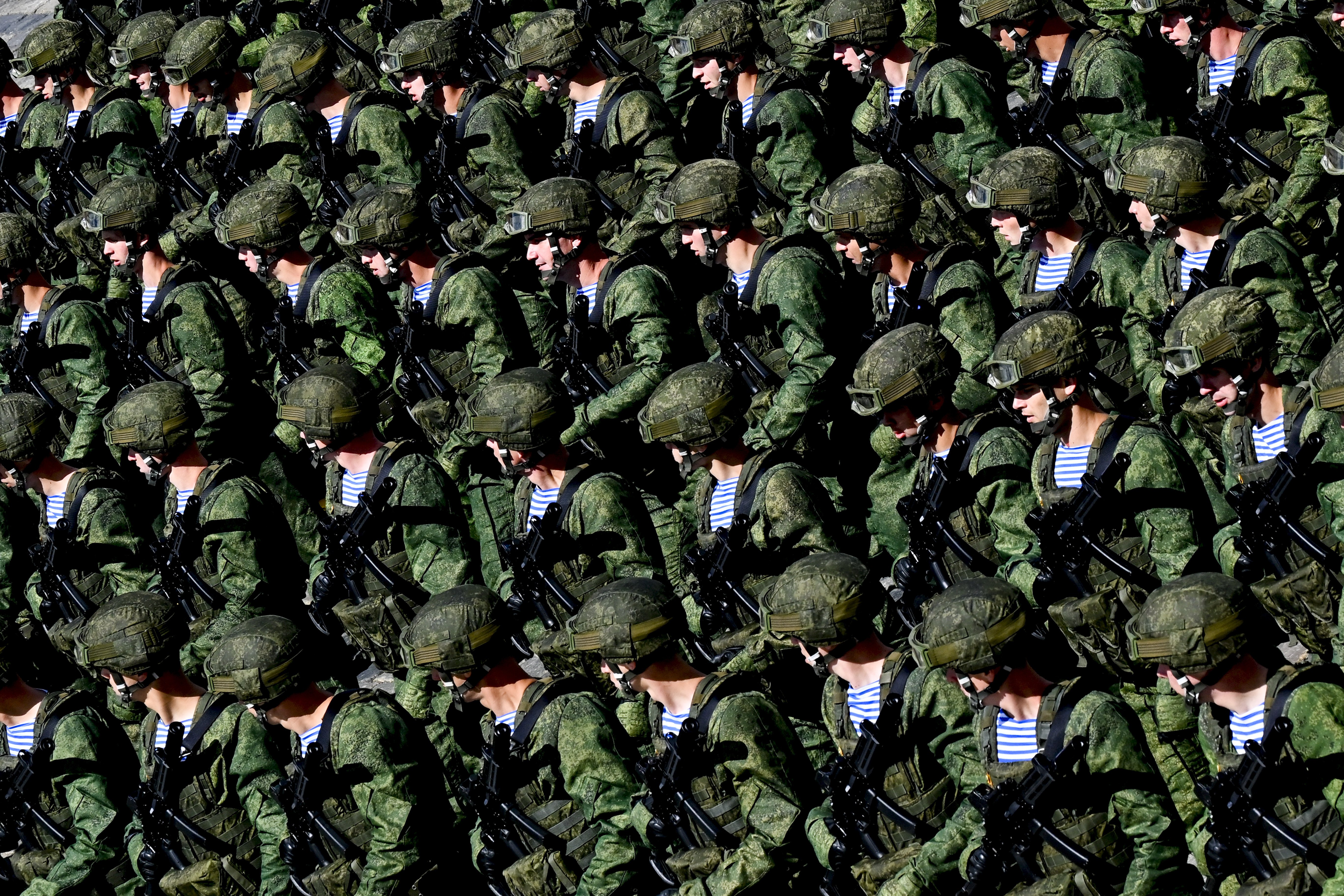
Russia is running out of workers—and time. Faced with mounting casualties in Ukraine and a wave of retirements, the Kremlin is struggling to keep its war economy afloat.
According to Le Monde on July 16, to sustain industrial output, Russian companies will need to recruit an estimated two million workers annually for the next five years—both to fill newly created jobs and replace retirees.
“By 2030, we will need to integrate 10.9 million people into the economy. About 800,000 new jobs will be created, and about 10.1 million people will have reached retirement age,” labor minister Anton Kotiakov said on July 14 during a meeting with Putin on demographic challenges.
The minister offered no solution for the growing labor shortage, now felt across every sector of the economy. Russia’s Central Bank has sounded the alarm in recent reports, while the unemployment rate has hit a record low of 2.2%.
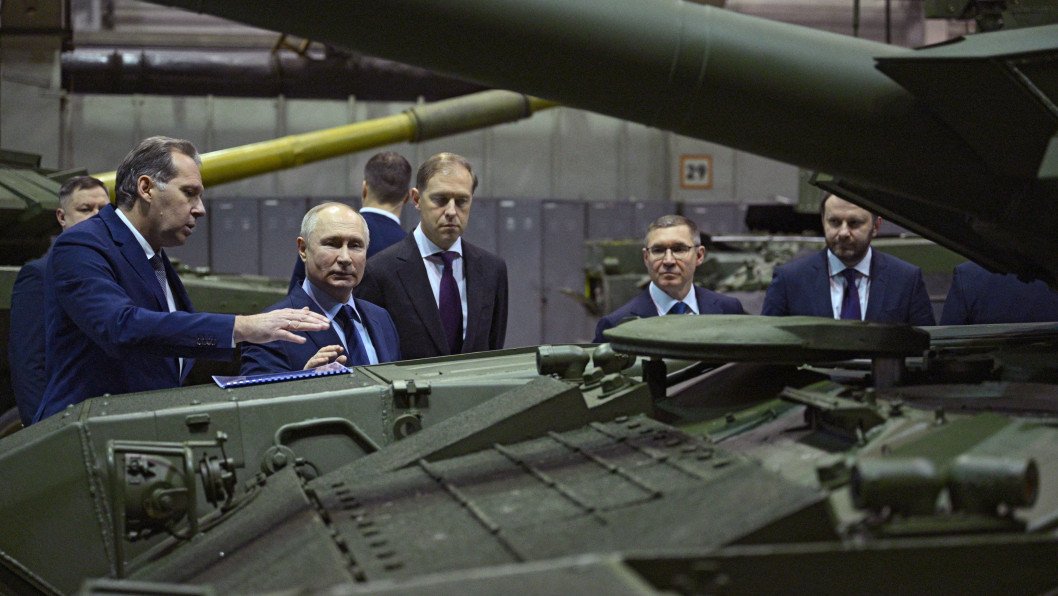
The problem has only worsened since the full-scale invasion of Ukraine, Le Monde reported. An estimated 700,000 Russian men—mostly contract soldiers—are now on the front lines. Many were lured by military salaries far exceeding civilian wages, while others work in defense industries. The state is willing to pay handsomely for war—leaving the civilian economy starved of manpower.
This workforce deficit, however, is not new. Russia's working-age population has been shrinking for nearly two decades. Between 2007 and 2021, the labor force contracted by 5.8 million people, according to Rosstat. The war merely accelerated the trend: by spring 2024, Russia was short 1.86 million workers, based on company requests to employment centers.
The government has tried to plug the gap with foreign labor. In 2024, 47,000 foreign workers—primarily from China, India, Turkey, and Serbia—were hired in the industrial sector, the labor ministry said, according to Le Monde. Recruitment will intensify, especially in India, which was called a “natural partner” by Andrei Komarov of the Russian Union of Industrialists and Entrepreneurs. Komarov advocated for training foreign workers to meet Russia’s market needs.
But demographics are not on the Kremlin’s side. According to Rosstat data from April, as reported by Le Monde, deaths outpaced births significantly in 2024: 1.82 million deaths versus 1.22 million births—a number that excludes military losses in Ukraine, which Moscow refuses to disclose. In the first two months of the year alone, Russia recorded 195,432 births—a 3% drop compared to 2024.
-b6ee4c6cf1e1afa682f60551181f4534.jpg)
According to Le Monde, for the Kremlin, these figures expose the failure of years of pro-natalist policies, anti-abortion campaigns, and the promotion of “traditional family values.” In March, authorities introduced a $1,100 bonus for every minor female student who gives birth. A few months earlier, a new law banned “the promotion of a child-free lifestyle,” with fines of up to $60,000.
Despite these efforts, Russia’s fertility rate remains low: 1.4 children per woman in 2022, close to the European average. But excess male mortality is dragging demographics down further. In 2023, official life expectancy for Russian men was 68 years — 12 years less than for women, according to Le Monde.
If these trends continue, Russia’s population could shrink from 144 million today to 138.8 million by 2046, or even 130 million — and if the decline isn’t reversed, Russians may face an even bleaker prospect: raising the retirement age to 80, assuming life expectancy permits, Le Monde reported.
Earlier, as Russia’s economy strains under international sanctions, the Higher School of Economics launched a new master’s program in international corporate compliance, designed specifically to train specialists in managing the risks and challenges posed by foreign sanctions.
Discuss this article:


-c439b7bd9030ecf9d5a4287dc361ba31.jpg "Photo of Katherina Popilnichenko")