- Category
- Business
Trump Sanctions Target Over 50% of Russia’s Oil Exports, a Direct Blow to the Kremlin’s War Chest
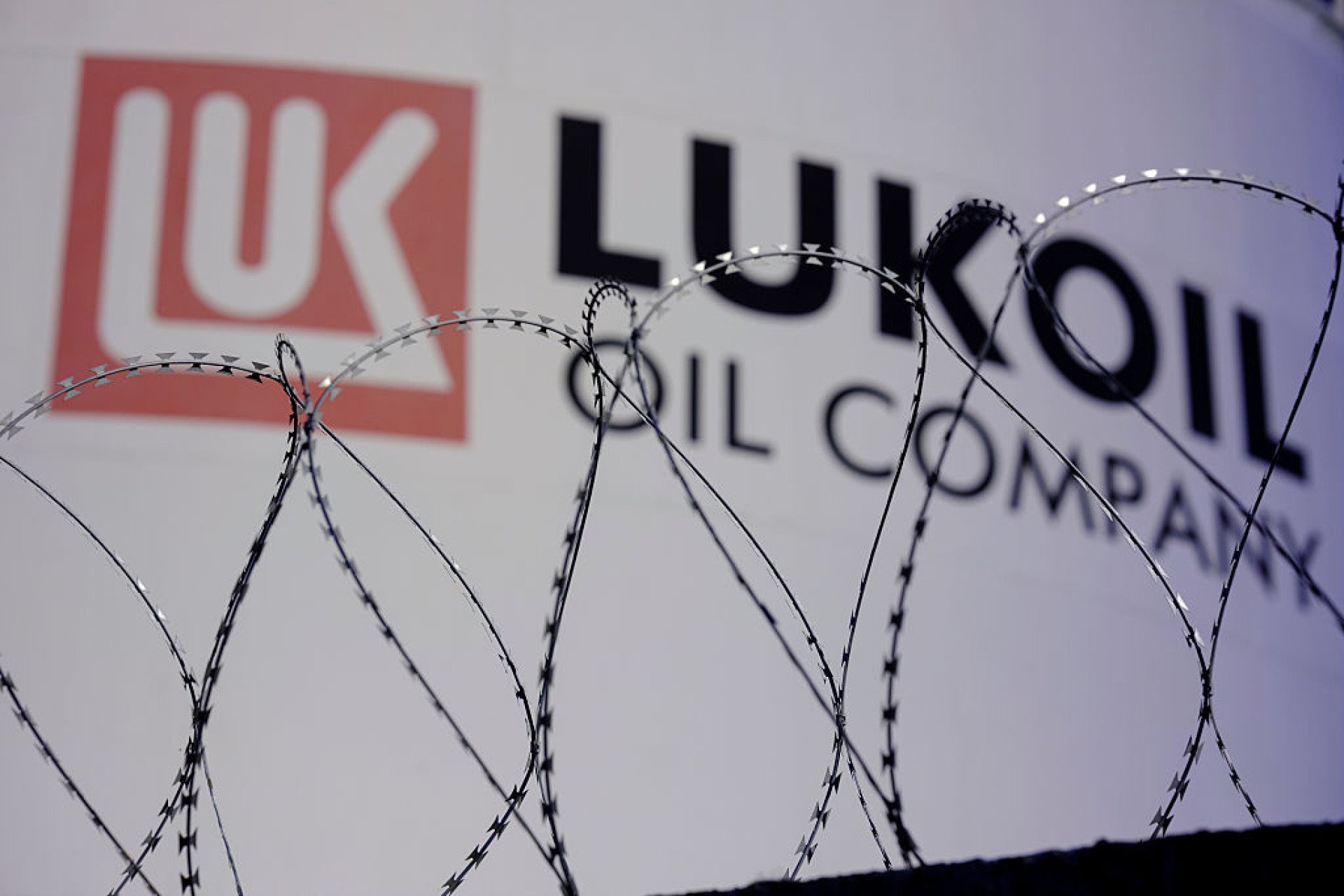
US President Donald Trump has sanctioned Rosneft and Lukoil—Russia’s top oil giants—dealing what appears to be a major blow to their global operations. While the Kremlin downplays the move, early signs point to a very different story.
 Prefer U24 Media on Google
- Authors

-29a1a43aba23f9bb779a1ac8b98d2121.jpeg "Photo of Illia Kabachynskyi")
Trump had three sanction strategies to choose from—ranging from moderate to severe—and opted for the middle path, US media reported. However, considering the targets selected, the impact may appear more far-reaching:
Rosneft is Russia’s largest oil producer, accounting for up to 40% of the country’s total output—roughly 5 million barrels per day. It is also the largest state-owned oil company.
Lukoil is the largest privately owned oil producer in Russia, with a daily output of approximately 1.6 million barrels.
Together, these two companies account for more than half of Russia’s oil exports. The sanctions could potentially slash Russia’s oil revenues by $5 billion per month, said Ukrainian President Volodymyr Zelenskyy. Given that the industry typically generates $15 to $20 billion monthly, the projected loss is substantial.
Russia’s loss of buyers
These forecasts were almost immediately validated: Chinese state-owned companies—PetroChina, Sinopec, CNOOC, and Zhenhua Oil—halted seaborne purchases of Russian crude as they assessed the impact of the new sanctions on their operations. China currently imports up to 1.5 million barrels of seaborne Russian oil per day, plus an additional 900,000 barrels via pipeline. While pipeline flows may continue unaffected, seaborne shipments could take a hit.
There are also early signs that India and Türkiye may reduce their purchases due to the new US sanctions.
Another—and more complex — challenge stems from financial transactions. Trump’s sanctions now prohibit Rosneft and Lukoil from using the US dollar in payments. Similar restrictions were previously applied to Gazprom Neft and Surgutneftegaz. These companies managed to sidestep the sanctions by conducting transactions with China in national currencies and seeking ways to deal with India, despite difficulties related to rupee-based settlements. Rosneft and Lukoil, by contrast, had relied on dollar and dirham transactions with India—their path forward is now uncertain.
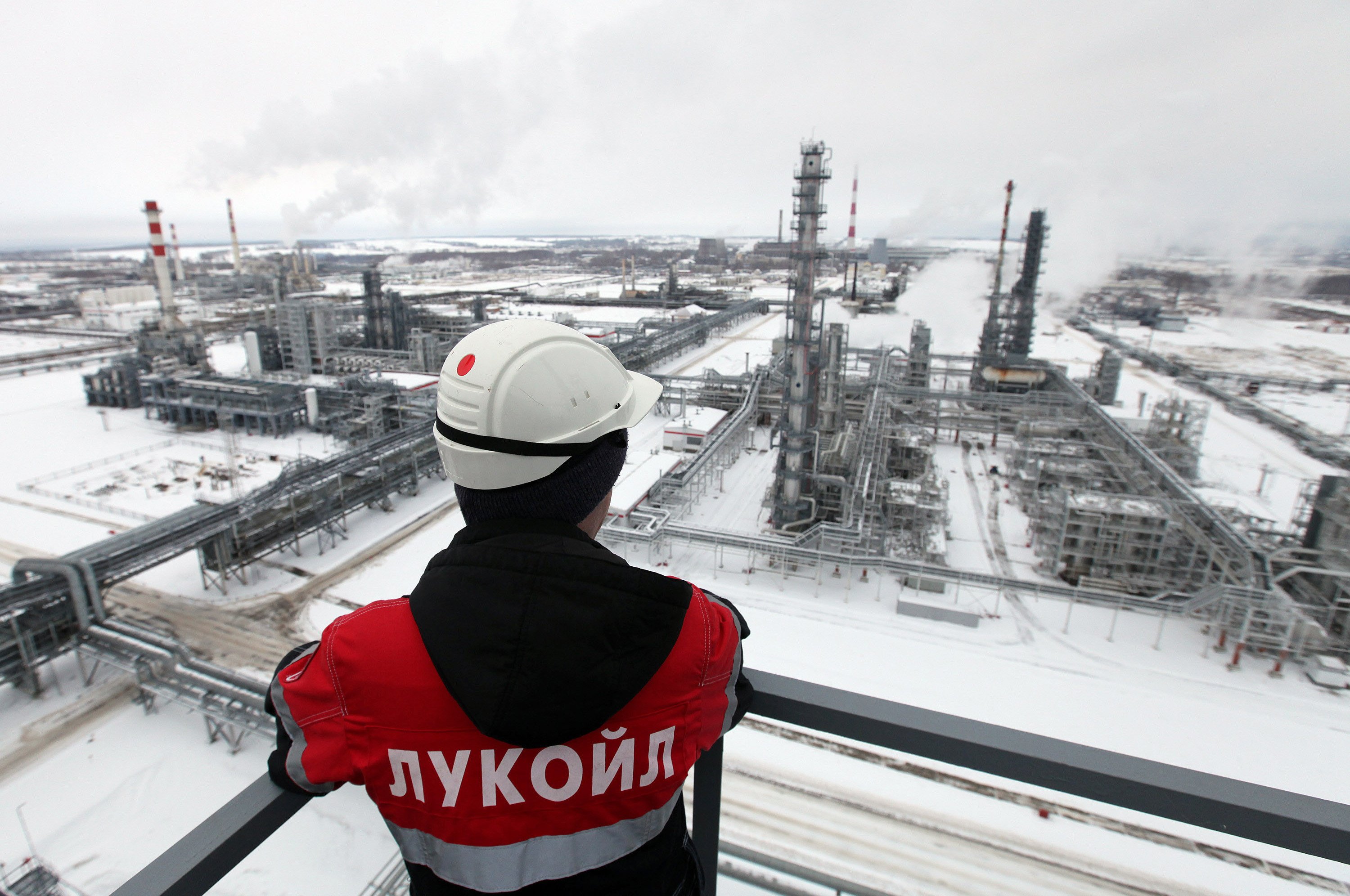
As a result, both companies now face mounting challenges in both client acquisition and payment logistics. To secure new buyers, they will likely offer steeper discounts of several dollars per barrel and face increased shipping costs. Even with higher global oil prices, these losses won’t be offset: both firms are expected to cut production and sales by several hundred thousand barrels per day.
A blow to Russia’s business
The sanctions are especially damaging to Lukoil, which has long sought to position itself as an independent company aligned with Western values. This is reflected in its wide-ranging international footprint, particularly in Europe and beyond. Following the sanctions, Lukoil has begun selling off its overseas operations.
Lukoil’s global presence includes:
Oil exploration and production in 11 countries across Asia and Africa
Refineries in Romania and Bulgaria
A 45% stake in a Dutch refinery
A network of 5,300 gas stations across 19 countries
Production facilities in Austria, Romania, Belarus, and Finland
Wind farms in Romania
Solar farms in Austria, Bulgaria, and Romania
A 12.5% stake in the Caspian Pipeline Consortium, a key export route
All or part of these assets are being sold to Gunvor, a company often described as close to the Kremlin due to its founder, Gennady Timchenko, a longtime friend of the Russian leader Vladimir Putin. A buyer was found within just a week.
Lukoil had previously valued its international assets at €19 billion ($21.8 billion). That figure is now considered unrealistic in light of sanctions. The discount could reach 50–70%, meaning the sale price may fall to around €5 billion ($5.8 billion). While this would still provide Lukoil with funds to reinvest in domestic projects, it would lose 5% of its production, 25% of its refining capacity, and roughly half of its global retail network. The company’s stock has already dropped by approximately 15%.
German authorities are also considering the nationalization of Rosneft’s local subsidiary—Rosneft Deutschland. Under temporary government administration since 2022, the company could soon be nationalized and later sold to an independent buyer, separate from the Kremlin. Rosneft Deutschland handles around 12% of Germany’s oil refining.
Why the sanctions against Russia matter
Just one week after the sanctions were enacted, their effects on Russian oil firms are more than apparent: loss of market access, forced asset sales, and declines in production and revenue.
Every new sanction reduces Russia’s income—and with it, its capacity to fund the war. More than 40% of the Russian budget is fueled by oil and gas revenues. Oil is also the main source of funding for the National Wealth Fund. A decline in this sector’s earnings directly limits the Kremlin’s ability to spend on missiles and drones used to kill Ukrainian civilians.
Economic pressure is crucial in today’s context—and remains one of the most effective tools to constrain Moscow’s war machine.
Discuss this article:


-5f84711170d2769c4cda67ca2bebf5d2.jpg "Carpathian 8 Summit: Ukraine Leads Push for Security & Regional Growth")

-111f0e5095e02c02446ffed57bfb0ab1.jpeg "Photo of Roman Kohanets")
-4258f90da45ed571f27851d158610665.jpeg "Photo of Valeriya Ionan")
-92cc3cc3704a042ef4f32eb51a51081d.png "Activitis Builds Fintech Infrastructure for Ukrainian Business During Wartime")